
Parrot Ownership Laws and Wild Populations in California
Are you feeling overwhelmed by the rules around keeping a parrot in California or concerned about how ownership impacts wild birds? I’ve been there myself with my own flock, including Kiwi the playful Green-cheeked Conure and Sage the wise African Grey, so I know how confusing it can get.
I’ll guide you through the essentials to make sense of it all, focusing on three key areas.
- Understanding California’s specific parrot ownership regulations and permits.
- Exploring how captive parrots relate to wild populations and conservation efforts.
- Practical steps for responsible ownership that supports animal welfare.
You’ll walk away with straightforward advice you can use right away. We’ll dive into legal requirements, wild population impacts, and best care practices in this article.
Getting Started with Parrot Ownership in California
Basic Legality and Licensing Needs
Parrots are generally legal to own as pets across California, but you must navigate a patchwork of rules. I learned this firsthand when adopting Kiwi, my Green-cheeked Conure, where state permission was just the first step. That means more than state permission. Local ordinances or federal rules can also apply, and some parrots require special permits. For more information, you can refer to the legal requirements for owning parrots.
California does not require a state-level license for most commonly kept parrot species. You can welcome birds like conures, cockatiels, or parakeets without state paperwork, which simplifies starting your flock. For a Quaker parrot, this care characteristics legality guide outlines its needs and the local rules you should follow. It helps you plan housing, diet, and enrichment while staying compliant.
- Contact your city or county animal control department to ask about parrot-specific regulations.
- Review municipal codes online or visit local government offices for pet ownership clauses.
- Check with your homeowners’ association or rental management for any bird-related restrictions.
Which Parrot Species Can You Legally Keep?
Allowed and Restricted Birds
Many parrot species thrive in California homes without legal hurdles. From my flock, conures like Kiwi and Sunny are perfectly legal, bringing vibrant energy without red tape. But it’s important to be aware of legality and housing regulations for parrots before adopting any bird.
- Common legal species: Conures, cockatiels, budgies, lovebirds, and African Greys like Sage.
- Small to medium parrots are typically safe choices for compliance and community harmony.
Some birds face restrictions due to risks like invasiveness or public safety. Large macaws or certain parakeets may be banned locally because they could disrupt ecosystems if escaped.
- Restricted or banned species: Hyacinth Macaws, Monk Parakeets, and sometimes Amazon parrots.
- Invasiveness concerns drive these rules, as non-native birds might outcompete local wildlife.
Federal laws like CITES (Convention on International Trade in Endangered Species) add another layer. CITES regulates trade to protect wild populations, affecting how you acquire exotic parrots legally and ethically.
Navigating Permits and Registration for Your Parrot
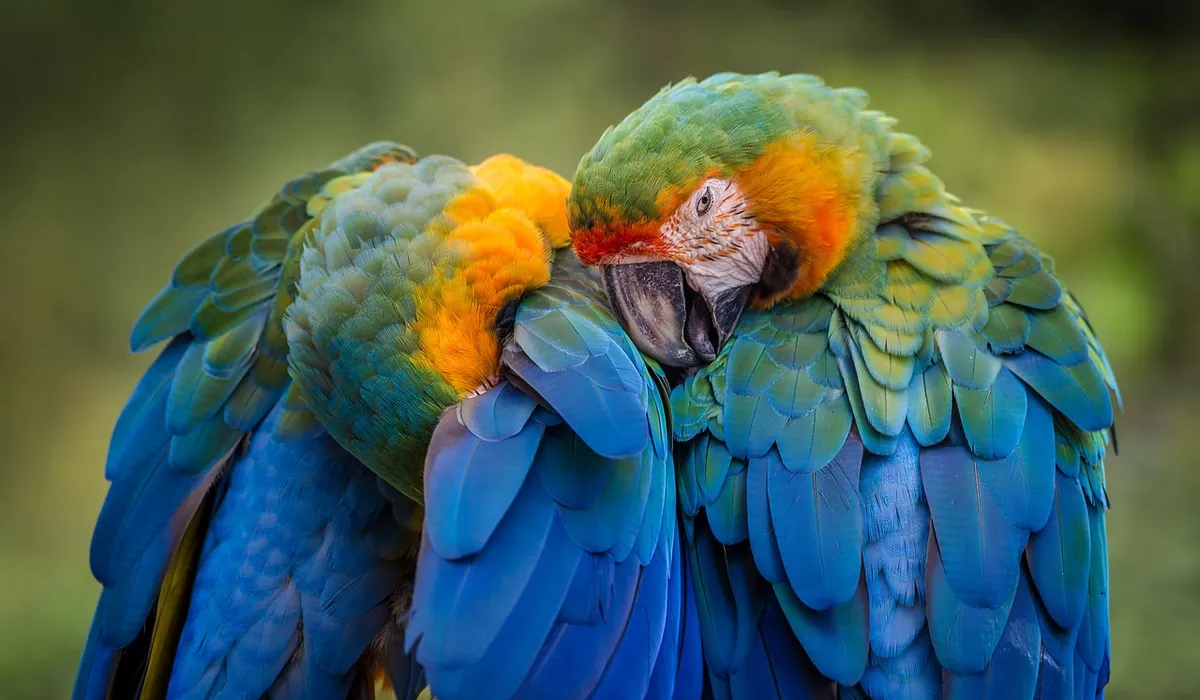
Steps for Legal Compliance
Getting the right permits feels like a puzzle at first, but it protects both you and your bird. Always start by contacting the California Department of Fish and Wildlife (CDFW) directly to confirm if your specific parrot species requires a permit. Additionally, many trips will require a veterinary health certificate and other travel documents for your parrot. Check airline and destination requirements early to ensure you have the necessary paperwork.
- Submit a formal application to the CDFW for importing or owning restricted species, detailing the parrot’s origin and your facilities.
- Provide proof of legal acquisition, like a detailed sales receipt or breeder documentation, to state agencies during registration.
- Keep a parrot “passport” with photos, microchip numbers, and vet records updated annually to prevent illegal possession claims.
I learned this the hard way when I adopted Kiwi, my Green-cheeked Conure, and had to scramble for papers. Documenting everything from day one saves you from headaches if authorities ever question your ownership.
Setting Up a Happy Home: Parrot Care Standards
Housing and Health Requirements
Your parrot’s cage is their castle, and California’s welfare laws set the bar high for their comfort. Aim for a cage that’s at least twice your parrot’s wingspan in width to allow full stretching and flight-like movement.
- Choose cages with horizontal bars for climbing and multiple perches of varying textures to prevent foot sores.
- Schedule annual vet check-ups, including blood tests for common diseases like psittacosis, as mandated for early detection.
- Rotate toys and foraging puzzles weekly to combat boredom, which I do with Sunny, my Sun Conure, to keep her engaged.
Living in a busy city, I found that sound-proofing part of the room helps reduce stress from urban noise. Regular health monitoring isn’t just a rule – it’s a commitment to your parrot’s long-term joy and vitality. By guiding your parrot to keep noise at predictable levels, you can better manage household sound and reduce stress for both of you. A calm, consistent environment supports your bird’s wellbeing and your peace of mind.
Wild Parrots of California: Origins and Habitats
Non-Native Populations and Their Stories
Those squawking flocks in Southern California aren’t native; they’re survivors of the pet trade. Many wild parrots descended from birds released accidentally or intentionally by owners who couldn’t care for them anymore.
- Spot species like Red-crowned Amazons and Mitred Parakeets thriving in areas from Los Angeles to San Diego, adapting to palm trees and backyard feeders.
- These parrots form tight-knit communities, using urban parks and gardens as substitutes for tropical forests.
- Despite their resilience, they face threats from habitat loss due to development and climate shifts affecting food sources.
I’ve watched flocks near my home, and their chatter reminds me why responsible ownership matters. Protecting wild populations starts with preventing future releases and supporting local conservation efforts.
Rules for Interacting with Wild Parrots
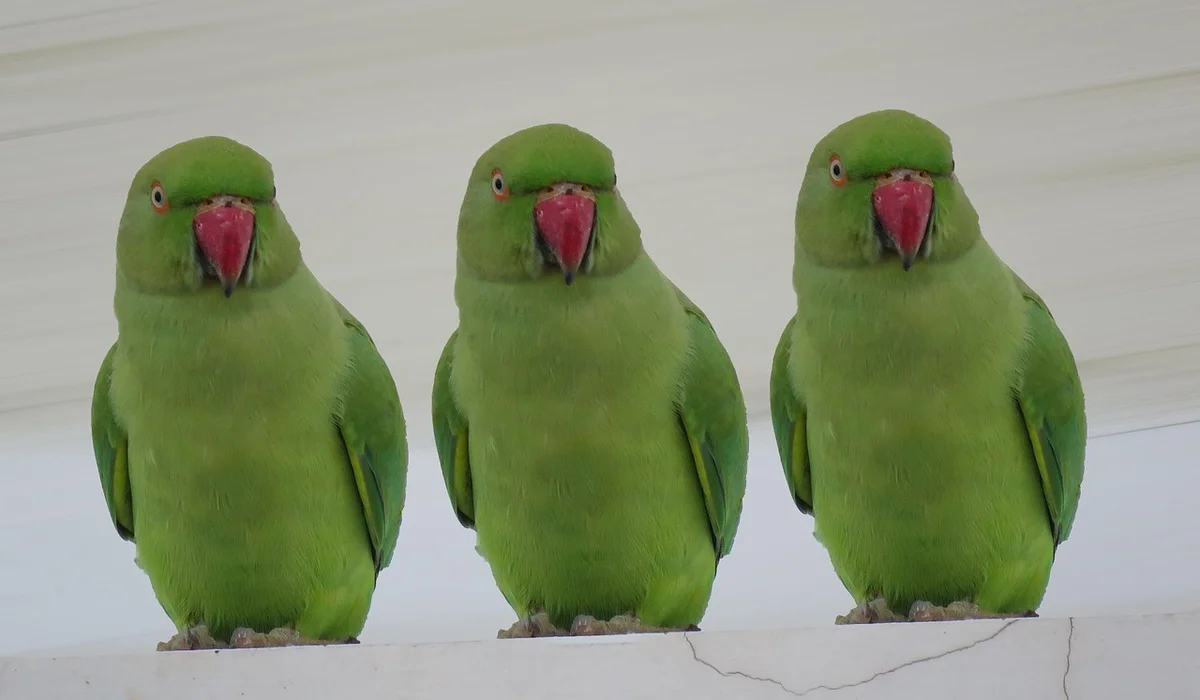
Protecting Wildlife and Avoiding Penalties
Grabbing wild parrots might seem exciting, but it’s strictly against the law in California. This rule exists to shield these birds from harm and keep ecosystems balanced. I’ve watched flocks in my own backyard, and seeing them free reminds me why we must let them stay wild. Survival depends on foraging, predator awareness, and flock cooperation. These survival behaviors show why wild parrots belong in their natural habitats, not in captivity.
Catching or harassing wild parrots can lead to hefty fines, often over $1,000, and even criminal charges. Authorities take this seriously because it prevents stress, disease spread, and habitat disruption. From my time volunteering with rescues, I’ve seen how human interference can hurt these intelligent creatures.
- Why it’s illegal: It protects bird populations, reduces injury risks, and upholds state wildlife laws.
- Fines involved: Penalties range from $500 to $1,000 or more per incident, plus potential jail time for repeat offenses.
Local agencies like the California Department of Fish and Wildlife (CDFW) actively enforce these laws. If you spot someone illegally capturing parrots, report it through CDFW’s hotline or online portal for quick action. I’ve reported issues myself, and it helps ensure everyone plays by the rules.
When observing wild flocks, use binoculars and stay at least 50 feet away to avoid scaring them. Keeping your distance lets parrots behave naturally and reduces their stress levels. If you’re wondering where to see parrots, try tropical forests, mangroves, or some city parks with fruiting trees. Early mornings and late afternoons are often good times to spot them. I always bring my binoculars on hikes—it’s a simple way to enjoy their beauty without causing trouble.
Resources for Responsible Parrot Ownership
Where to Find Help and Information
Start with the California Department of Fish and Wildlife (CDFW) for permits and rehab advice. They offer clear guidelines on legal ownership and can connect you with licensed rehabilitators. When I adopted Sage, my African Grey, CDFW’s resources made the process smooth and worry-free.
- Agencies to contact: CDFW for permits, USDA for interstate regulations, and local animal control for emergencies.
- Rehabilitation guidance: They provide lists of certified centers for injured or orphaned parrots.
Join aviculture groups like the American Federation of Aviculture or online forums for community support. These spaces let you share tips, ask questions, and learn from experienced owners. I’ve met fellow parrot lovers through forums, and it’s helped me care for Kiwi and Sunny better.
- Aviculture groups: Offer workshops, vet recommendations, and adoption networks.
- Forums: Platforms like Parrot Forums provide real-time advice and friendship.
Get involved in conservation efforts for nonnative birds through organizations like Project Parrot. Volunteering helps monitor populations and promotes humane management strategies. I’ve joined local clean-ups to protect habitats, and it’s a rewarding way to give back.
- Tips for joining: Attend workshops, donate to research, or participate in citizen science projects.
- Conservation groups: Focus on education, habitat restoration, and policy advocacy.
FAQs
Do you need a license to own a parrot in California?
California does not require a state-level license for most common parrot species like conures or cockatiels. Always verify local city or county ordinances for any specific licensing needs. If you want to make sure your parrot is cared for after you’re gone, consider creating a pet trust or a will that designates a guardian and funds for its care. Consult an attorney to ensure the arrangement is legally enforceable and follows California law.
Are there restrictions on parrot species in California?
Yes, species such as Hyacinth Macaws and Monk Parakeets are restricted due to invasiveness risks. Commonly kept birds like African Greys and budgies are generally legal without additional hurdles.
What permits are required to import parrots into California?
Importing restricted parrot species may require a permit from the California Department of Fish and Wildlife. You must also comply with federal CITES regulations for international trade to ensure legal and ethical acquisition. Learn more about how CITES affects owning exotic parrots.
How do you register a pet parrot in California?
Registration involves submitting an application to the CDFW if your species is restricted, detailing the bird’s origin and your facilities. Maintain thorough records like sales receipts and microchip data to prove legal ownership.
Are there penalties for violating parrot ownership laws in California?
Violations can lead to fines exceeding $1,000 and possible criminal charges for offenses like illegal possession or harassment. Enforcement aims to protect animal welfare and prevent ecological disruptions from non-native species.
Closing the Loop
Your main job is to know and follow California’s specific laws, which means checking your local city ordinances and never considering a wild-caught parrot. Always choose a captive-bred bird from a reputable source and be a part of the solution by supporting conservation efforts that protect wild flocks.
Being a parrot guardian is a long-term commitment to learning and adapting. Your dedication to providing excellent care and continuously educating yourself is what truly defines a responsible and wonderful parrot home. If you’re choosing a parrot guardian, look for a long-term commitment to learning and open communication. Ask about experience, enrichment plans, medical care, and emergency readiness. Connect with local avian communities to keep growing in your knowledge and support for these incredible creatures.
Further Reading & Sources
- Are Parrots Legal in California? | Petlife
- Top 5 Wildlife Species Prohibited for Ownership in California
- What Birds Are Legal To Own In California? – Berry Patch Farms
Suzanne Levine is a dedicated parrot enthusiast and experienced avian caregiver with over 15 years of hands-on experience in parrot care. As the founder of Parrot Care Central, Suzanne is passionate about sharing her knowledge and insights to help fellow parrot owners provide the best possible care for their feathered friends. Her expertise spans nutrition, behavior, health, and enrichment, making her a trusted resource in the parrot care community.
Finding a Parrot