
Parrot Mate-Guarding: How to Handle an Overly Bonded or Jealous Bird
Published on: February 20, 2026 | Last Updated: February 20, 2026
Written By: Suzanne Levine
Is your parrot suddenly biting, screaming, or acting possessive whenever you’re near your partner or family members? That intense, clingy behavior isn’t just a quirky personality trait-it’s a sign your feathered friend sees you as their mate, and they’re guarding you fiercely.
I’ve lived through this with my own birds, like my Green-cheeked Conure, Kiwi, who once dive-bombed my husband for simply sitting next to me. It’s stressful for everyone, but you can fix it. We’ll walk through this together, focusing on three key steps:
- Understanding why your parrot is acting jealous and bonded to you specifically.
- Practical strategies to gently redirect their attention and reduce guarding behaviors.
- Rebuilding a healthy, balanced bond so your bird feels secure without the possessiveness.
By the end, you’ll have a clear plan to restore harmony in your home. We’ll cover:
Identifying mate-guarding triggers, Step-by-step training to reduce jealousy, Enrichment activities to distract your bird, How to safely include other family members, Long-term bonding adjustments, When to seek professional help
What Is Parrot Mate-Guarding and Why Does It Happen?
Parrot mate-guarding is when your bird acts like a tiny, feathered security guard for your attention. This behavior stems from their deep-seated instinct to protect their chosen mate from potential rivals. In the wild, a strong pair bond means better survival and successful breeding. Your living room might not have predators, but your bird’s ancient programming doesn’t know that. My Green-cheeked Conure, Kiwi, used to puff up and chatter loudly whenever my partner entered the room, seeing him as competition for my affection. It’s not malice; it’s biology.
Birds form incredibly strong social bonds. When you become their “flock,” they can develop intense, singular attachments that mirror a wild mating pair. This is especially common in single-bird households where the human becomes the bird’s entire social world. I’ve seen this with Sunny, my Sun Conure, who would try to preen anyone who came near me, a behavior meant to reinforce our bond while subtly warning others away. Changes in routine, new people, or even new furniture can trigger this protective instinct.
Spotting the Signs: Is Your Bird Showing Jealousy?
Jealousy in parrots isn’t subtle. You’ll notice a clear shift in their body language and vocalizations when they feel their bond with you is threatened. It often starts with subtle cues before escalating to more disruptive behaviors. Watch your bird closely during your interactions with other people or pets. Conversely, it’s just as important to recognize when your parrot is happy. Here are 10 key signs your parrot is happy.
Common Signs of a Jealous Parrot
- Aggressive Posturing: Lunging, biting, or wing-flapping directed at the “rival.” Kiwi would lunge at feet, a classic sign he felt his position was challenged.
- Vocal Overload: Excessive screaming or contact calls when you give attention to someone else. Sunny’s cheerful chirps would turn into sharp, persistent shrieks.
- Physical Blocking: Your bird might physically place themselves between you and another person, refusing to move.
- Resource Guarding: They become possessive of you, their cage, or a favorite toy, reacting negatively when others approach.
- Feather Plucking: In severe cases, the stress of perceived competition can lead to self-destructive habits like plucking.
Recognizing these signs early is your first step toward a solution. Intervening at the first sign of tension, like low growling or pinning eyes, prevents the behavior from becoming a hardened habit. My African Grey, Sage, would give a low “warning” growl before any other action, a signal I learned to respect and redirect. Paying attention to these subtle cues helps you manage the situation before it gets out of hand.
How Mate-Guarding Affects Your Parrot’s Happiness and Health
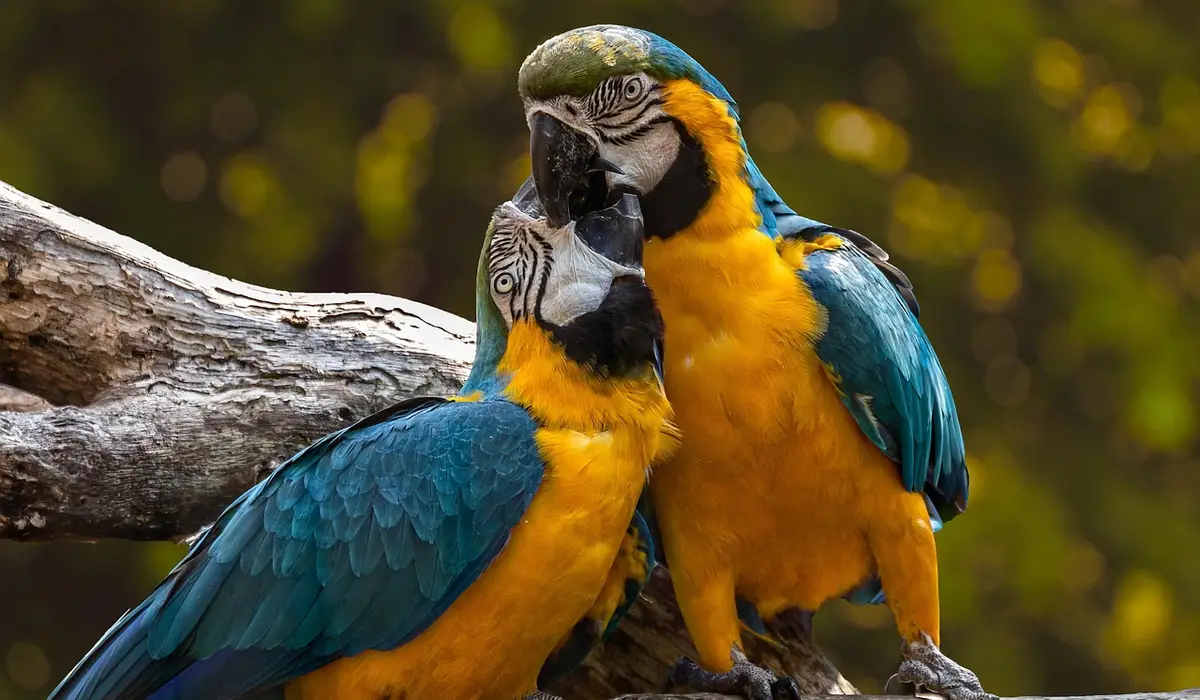
Living with a parrot that sees you as its mate is like being in a relationship with a tiny, feathered bodyguard who never clocks out. This constant state of high alert is mentally and physically draining for your bird, leading to a cascade of negative effects. I saw this firsthand with my Green-cheeked Conure, Kiwi; his playful nature completely vanished when he was in “guard mode.” When a parrot loses its bond mate, grief can be profound and show up as withdrawal or diminished play. With patience, routine, and gentle social support—sometimes a companion bird—many grieving parrots gradually heal.
The Mental Toll: Stress and Anxiety
Your parrot is not being “bad” or “spiteful.” They are operating on pure, hardwired instinct, and that internal conflict is stressful. To understand why parrots bite, it’s helpful to identify the causes and triggers behind the behavior. Once you recognize what prompts a bite, you can respond calmly and reduce risk while building trust. For more insights, visit to understand why parrots bite.
- Chronic Stress: A parrot constantly on guard is in a perpetual state of fight-or-flight. Their cortisol levels remain elevated, which can suppress their immune system over time.
- Suppressed Natural Behaviors: A happy parrot explores, plays, and forages. A guarding parrot often abandons these activities to keep a watchful eye on you, leading to boredom and frustration.
- Increased Fearfulness: The world becomes a more threatening place. Ordinary household sounds or a visitor walking by can trigger an aggressive or fearful response.
The Behavioral Fallout
This internal stress has to go somewhere, and it often manifests in ways that strain your bond.
- Screaming for Attention: Your bird may develop a piercing contact call to locate you or demand you return if you leave the room.
- Aggression Towards Others: This is the most common and challenging issue. My Sun Conure, Sunny, would lunge at my partner’s hands, seeing them as a direct rival.
- Self-Mutilation: In severe cases, a parrot may start plucking or chewing its own feathers out of sheer anxiety and frustration.
The Physical Health Risks
The mind and body are not separate. A distressed mind leads to a vulnerable body.
- Poor Nutrition: A bird too preoccupied with guarding may not eat properly, leading to weight loss or deficiencies.
- Weakened Immune System: As mentioned, chronic stress makes them more susceptible to infections and illnesses.
- Injury: A bird lunging aggressively off a perch or cage can crash-land and hurt itself.
Recognizing these signs is the first step toward helping your feathered friend find a healthier, happier balance. It’s about their welfare, not just your convenience.
Triggers That Fuel Mate-Guarding in Pet Parrots
Parrot mate-guarding doesn’t appear out of thin air. It’s a behavior fueled by specific triggers that reinforce your bird’s perception of you as their mate. Identifying these triggers in your own home is like finding the ‘off switch’ for the jealousy cycle. My African Grey, Sage, taught me to be hyper-aware of my own actions, especially when understanding parrot flock dynamics in a human household.
Your Actions and Attention
You are the biggest variable in this equation. Your behavior can either calm the waters or stir the pot.
- Physical Petting: Stroking a bird’s back, wings, or under the tail feathers is highly stimulating and mimics mating behavior. Stick to petting the head and neck only.
- Favoritism: If you are the sole caregiver for feeding, play, and interaction, you become the obvious “chosen one.” This creates an unhealthy dependency.
- Greeting Rituals: Does your bird get wildly excited, fluff up, and regurgitate when you first come home? That’s a mate greeting. Calm, low-key hellos are better.
Perceived Threats in the Environment
Your parrot’s world is small, so anything new or different can feel like an invasion.
- Other People: Your partner, children, or friends can be seen as direct competitors for your affection. The guarding bird may try to drive them away.
- Other Pets: Even a docile cat or dog walking through the room can trigger a defensive display.
- New Objects: Something as simple as a new piece of furniture, a different colored shirt, or a vacuum cleaner can be perceived as a threat to their territory-and to you.
Changes in Routine and Environment
Parrots are creatures of habit. Disruption breeds insecurity, and insecurity fuels guarding.
- Schedule Shifts: A change in your work hours, feeding times, or bedtime can make your bird feel unstable.
- Cage Location: Moving their cage to a different room or even a different spot in the same room can be very stressful.
- Hormonal Seasons: Spring and autumn often bring a natural rise in hormones, making mate-guarding behaviors more intense and likely to occur.
By becoming a detective in your own home, you can start to pinpoint what sets your parrot off and proactively adjust your own behavior. It’s a learning process for both of you, built on patience and observation. Pair this detective work with routine training to address parrot behavior through consistent cues and positive reinforcement. Regular, short training sessions help reinforce desirable habits and reduce recurring issues.
When Mate-Guarding Turns Aggressive: Knowing When to Intervene
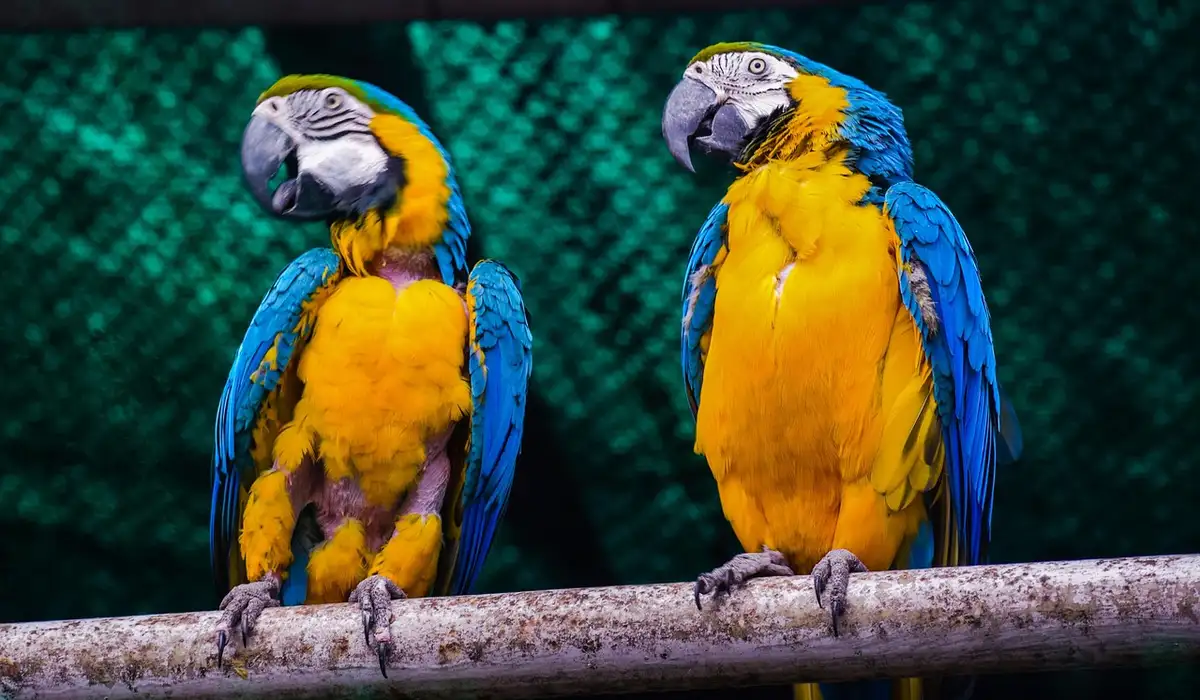
You need to recognize the line between protective behavior and genuine aggression. My green-cheek, Kiwi, once tried to “beak-grab” my hand when I went to adjust his food dish near my partner-that was my signal to step in immediately.
Watch for these specific behaviors that demand your attention:
- Lunging or charging at a person or other pet with intent to bite.
- Persistent, harsh screaming directed at one individual.
- Blocking access to the cage door or a specific person.
- Plucking their own feathers or showing other stress-related physical changes.
Ignoring these signs can worsen the behavior. Intervention isn’t about punishment; it’s about creating a safe space for everyone, including your bird.
Building a Supportive Environment for Your Bird
A jealous bird often feels insecure. Your goal is to build their confidence outside of that single intense bond.
Environmental enrichment was my number one tool for diffusing my sun conure Sunny’s possessive episodes.
- Place multiple food and water stations around the house, so no single area is “guarded.”
- Invest in a variety of foraging toys that challenge their mind and keep them busy.
- Ensure the bird has high perches and hiding spots to retreat to when feeling overwhelmed.
- Rotate toys and perches weekly to keep the environment novel and engaging.
This approach reduces their need to obsess over one person. A mentally stimulated parrot is a happier, more balanced parrot.
Training Techniques to Ease Tension
Training builds communication and trust, replacing fear and jealousy with positive interactions.
I always start with target training, as it gives the bird a clear, simple job to focus on that isn’t about guarding.
Follow these steps to reintroduce positive associations:
- Have the “less-favored” person offer a high-value treat through the cage bars without demanding interaction.
- Practice the “step-up” command with the favored person, then immediately have the other person offer a reward.
- Keep all training sessions short-under five minutes-to end on a positive note before frustration sets in.
- Use a calm, even tone of voice with all family members to project a unified, non-threatening presence.
This method shows your parrot that good things happen when everyone is around. Patience is your greatest ally; rebuilding trust takes consistent, gentle effort. These bonding techniques that work can help you steadily build trust with your parrot. With regular practice, bonding becomes natural and rewarding.
FAQs
At what age do parrots start mate guarding?
Parrots typically begin mate guarding when they reach sexual maturity, which varies by species but often occurs between 1 to 4 years of age. This behavior can emerge earlier if they form strong bonds or are exposed to hormonal triggers in their environment. In many parrot species, the mating and breeding season aligns with longer daylight and seasonal cues. During this season, mate guarding and pair bonding become most pronounced.
Do male and female parrots both engage in mate guarding?
Yes, both male and female parrots can exhibit mate-guarding behaviors as it is a natural instinct tied to pair bonding. The intensity may vary based on individual personality, species, and environmental factors. When considering which gender is a better fit for a parrot, the answer isn’t universal—it’s highly individual. Specific temperament and environment play bigger roles than gender.
How is mate guarding related to nesting behavior in parrots?
Mate guarding often intensifies during nesting periods as parrots become more protective of their bonded partner and potential breeding site. This behavior helps secure resources and safety for raising offspring in the wild. When introducing a new baby to your parrot, following a complete safety guide is essential. This guide helps ensure calm introductions and minimizes stress for both bird and baby.
What environmental factors increase mate guarding in parrots?
Factors like seasonal light changes, the introduction of nesting boxes, or inconsistent daily routines can heighten mate-guarding instincts. A lack of mental stimulation or overcrowded living spaces may also trigger this behavior.
Can mate guarding lead to aggression between parrots?
Yes, mate guarding can cause aggression between parrots, particularly in multi-bird settings where competition for attention or resources arises. This can lead to fights, stress, and injuries if not addressed early.
Wrapping It Up
When your feathered friend gets a little too clingy, the best approach is to gently redirect that intense energy into fun, independent activities. Use toys, foraging puzzles, and positive reinforcement for calm behavior around others. I’ve found that consistently stepping away for short periods teaches my birds that my return is always guaranteed, which builds their confidence and reduces jealousy over time.
Caring for a parrot is a lifelong journey of learning and adapting to their complex emotional needs. Stay curious, keep observing your bird’s unique personality, and always prioritize their mental and physical welfare—it’s the foundation of a happy, healthy life together. When a vet visit is needed, practice gentle handling at home to reduce stress during transport and examinations. Work with your veterinarian to use comforting techniques that fit your bird’s temperament.
Further Reading & Sources
- My Parrot Has Changed: Dealing With A Hormonal Parrot – Northern Parrots
- r/parrots on Reddit: Any tips for preventing mating behaviors?
- Hidden impacts of conservation management on fertility of the critically endangered kākāpō [PeerJ]
Suzanne Levine is a dedicated parrot enthusiast and experienced avian caregiver with over 15 years of hands-on experience in parrot care. As the founder of Parrot Care Central, Suzanne is passionate about sharing her knowledge and insights to help fellow parrot owners provide the best possible care for their feathered friends. Her expertise spans nutrition, behavior, health, and enrichment, making her a trusted resource in the parrot care community.
Mating Behavior