
Are Parrots Warm or Cold Blooded? The Simple Truth
Published on: June 28, 2026 | Last Updated: June 28, 2026
Written By: Suzanne Levine
If you’re worried your parrot might be cold-blooded and struggle in chilly weather, I’ve been there with my own birds, and I’m here to clear up the confusion for you. Understanding this basic fact can ease your mind about their health and daily care.
Based on my years of hands-on experience with parrots like Kiwi and Sunny, I’ll guide you through three essential points to know:
- Parrots are warm-blooded, meaning they generate their own body heat internally.
- They have clever ways to regulate temperature, which affects their behavior and needs.
- This knowledge helps you spot health issues early and create a safer home environment.
You’ll get straightforward advice that I’ve used to keep my flock thriving. Topics covered: parrot biology basics, how they stay warm, signs of temperature stress, and easy care adjustments.
Parrot Biology: The Warm-Blooded Truth
Parrots are absolutely warm-blooded, just like you and me. This means their bodies generate their own internal heat to maintain a constant, high body temperature. They don’t rely on basking in the sun like a lizard to get moving for the day. My own Green-cheeked Conure, Kiwi, is a perfect example; he’s just as playful and energetic first thing on a cloudy morning as he is in the afternoon sun. It’s one of the many features that make parrots so unique compared to other pets.
This warm-blooded nature, scientifically called endothermy, is powered by a super-fast metabolism. Their little bodies are like high-performance engines, constantly burning fuel from food to produce warmth and energy. This is a key reason why parrots need a consistent and nutritious diet-they’re literally running a furnace inside!
How Parrots Differ from Cold-Blooded Animals
It’s helpful to see the contrast to understand their biology fully.
- Activity Level: A parrot is ready for action regardless of the room’s temperature. A cold-blooded animal, like a snake, becomes slow and sluggish when it’s cool.
- Environmental Dependence: Parrots control their temperature from the inside. Reptiles must move to warmer or cooler spots to regulate their body heat.
- Energy Source: Our feathered friends use internal metabolic processes. Cold-blooded creatures primarily use external heat sources.
Your Parrot’s Inner Thermostat: How They Stay Warm
Parrots have developed some brilliant strategies to keep their body temperature in that perfect, toasty range. Observing my flock, I’ve seen firsthand how they instinctively use these techniques to stay comfortable.
1. The Power of Fluffing
When you see your parrot all puffed up, they aren’t just being cute. Fluffing their feathers traps a layer of warm air close to their skin, creating a natural down jacket. But fluffing can also be a sign of illness if it lasts or is accompanied by other symptoms. Knowing the difference between normal fluffing and sick signs helps you respond appropriately. My Sun Conure, Sunny, does this every evening before settling down to sleep, turning into a fluffy, warm ball of feathers.
2. Smart Blood Flow
Parrots can control blood flow to their extremities. In cold conditions, they reduce blood flow to their legs and feet to conserve heat for their vital organs. This is why a parrot’s feet might feel cool to the touch sometimes, and it’s completely normal!
3. Shivering to Generate Heat
Just like us, parrots will shiver when they’re cold. This muscle activity is a rapid, automatic response that generates metabolic heat to warm them up. If you see your bird shivering, it’s a clear sign they need a warmer environment immediately. Humidity also matters: at the same temperature, high humidity can make parrots feel warmer and less comfortable, while very dry air can irritate their airways. Striking the right balance of temperature and humidity supports optimal parrot health.
4. Behavioral Warmth Tricks
Parrots are clever about finding warmth.
- Sunbathing: They will orient themselves to absorb radiant heat from a safe sunbeam or a full-spectrum lamp.
- Huddling: In the wild, parrots roost close together. A single parrot might tuck its head under a wing or snuggle against a cozy corner of the cage.
- Seeking Shelter: They instinctively move away from drafts and cold spots in your home.
Spotting the Shivers: Is Your Parrot Too Cold?
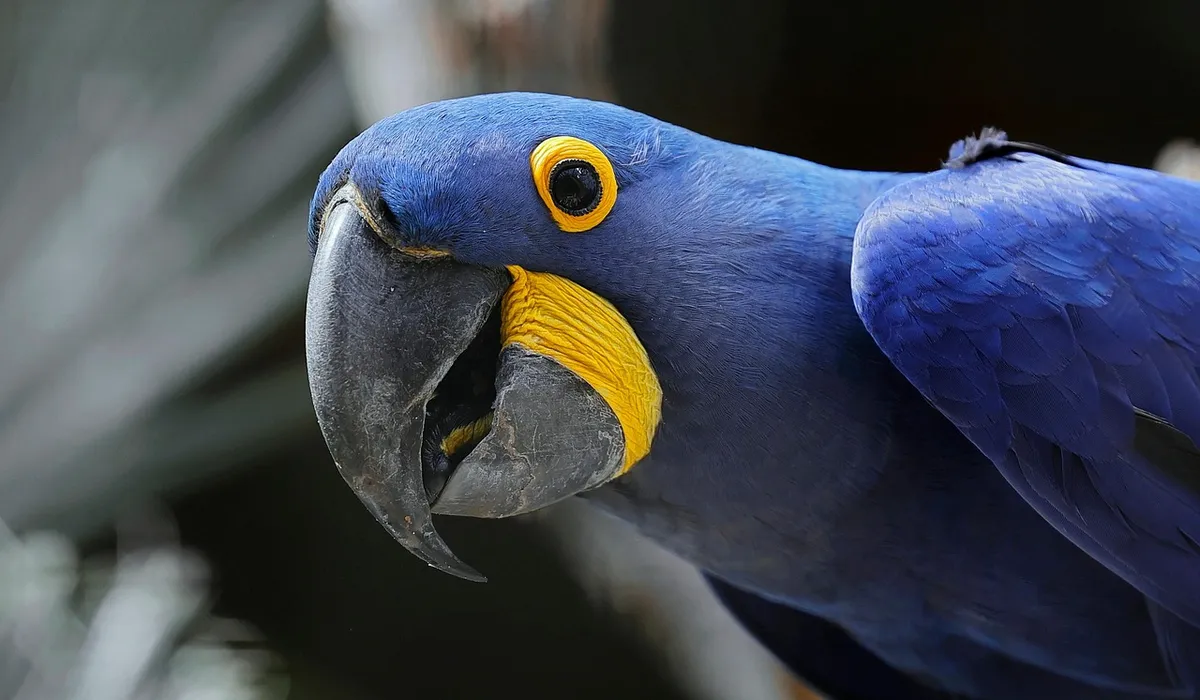
You might wonder if your parrot feels the chill like we do. Parrots are warm-blooded, so they work hard to stay cozy, but they can’t tell you when they’re freezing. I’ve seen my own birds, like Kiwi the Green-cheeked Conure, show clear signs when the temperature drops. For a pet parrot, the ideal temperature range is about 65–80°F (18–27°C). If the room dips outside this range, monitor for signs of discomfort and adjust with appropriate heating or cooling.
Watch for subtle changes in behavior that scream “I’m cold!” Kiwi often puffs up his green and red feathers, turning into a fluffy ball to trap warmth. This isn’t just cute-it’s a survival tactic.
- Shivering or slight trembling in their body
- Constant feather fluffing, even when not resting
- Less playfulness or vocalization than usual
- Huddling near heat sources or in cage corners
- Eating less or ignoring favorite treats
Sunny, my Sun Conure, goes from chatty to silent when she’s chilly. Act quickly if you spot these red flags to prevent health issues like respiratory infections. Keeping your parrot warm is a key part of responsible pet care.
Feathers and Heat: Your Parrot’s Built-In Climate Control
Feathers are your parrot’s personal thermostat, designed to handle temperature swings. They create a protective layer that locks in body heat and blocks cold air. When Sage, my African Grey, preens meticulously, she’s not just grooming-she’s optimizing her insulation.
This natural system relies on feather structure and behavior. Fluffing up traps air pockets that act like a down jacket, while sleek feathers let heat escape in warmth. It’s a brilliant adaptation I’ve observed in all my parrots.
- Insulating air layers formed by fluffed feathers
- Reflective surfaces that manage sun exposure
- Adjustable coverage through wing positioning
- Preening to maintain feather integrity and function
A healthy diet supports this climate control. Nutrients like protein and vitamins from pellets and fresh veggies keep feathers strong and efficient. I make sure Kiwi, Sunny, and Sage get top-notch nutrition to thrive in any season.
Creating a Cozy Home: Ideal Temperatures for Your Parrot
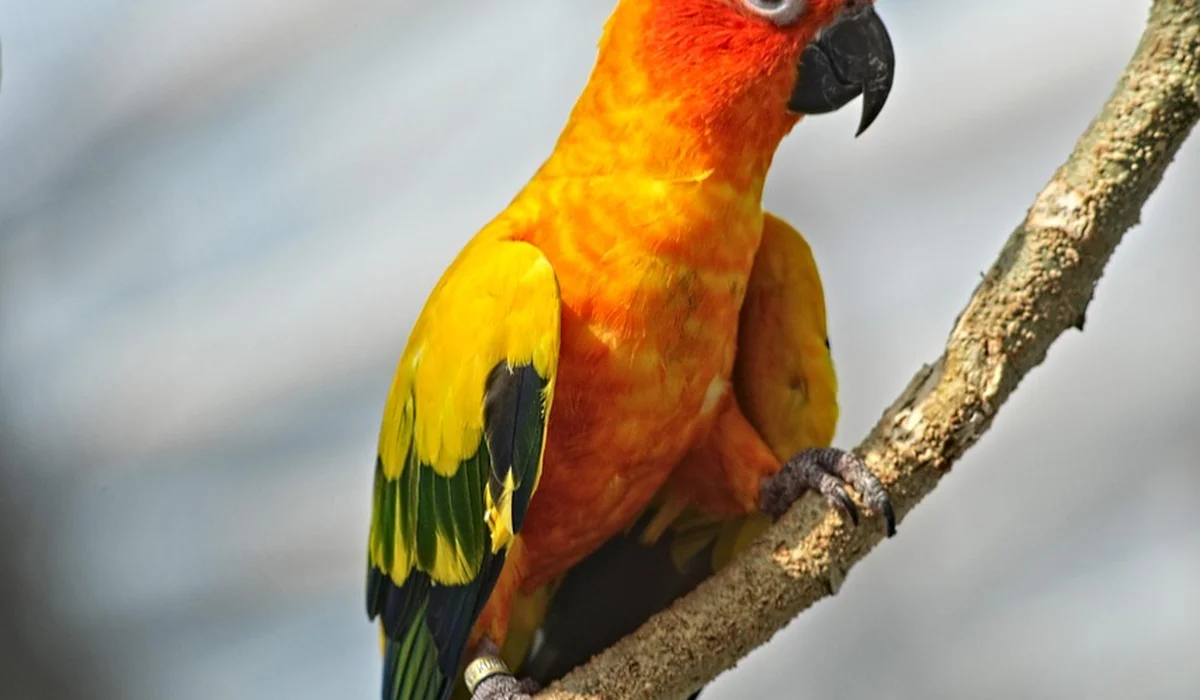
Parrots are warm-blooded creatures, meaning they generate their own body heat, but they still rely on you to keep their environment just right. In my experience with Kiwi, my Green-cheeked Conure, I’ve learned that maintaining a stable temperature between 65°F and 80°F (18°C to 27°C) prevents stress and keeps them chirpy and active. Sudden drops or spikes can make them uncomfortable, so consistency is your best friend here. Temperature regulation for parrots is about finding that perfect balance year-round, adapting to seasonal shifts while keeping the environment steady. A stable climate helps them stay healthy and spirited through every season.
Use a reliable thermometer near their cage to monitor conditions daily. I always check Sage’s area twice a day because African Greys like her are sensitive to drafts, which can lead to sneezing or lethargy if ignored. Avoid placing cages near windows, doors, or air vents where temperatures fluctuate wildly.
- Keep the room well-ventilated but draft-free.
- Provide a heat lamp or safe heating pad for colder nights.
- Offer shaded spots and fresh water to help them cool off if it gets too warm.
Species Snapshot: Temperature Needs Vary by Parrot
Not all parrots thrive in the same climate, so tailoring the temperature to their natural habitat is key. From raising Sunny, my Sun Conure, I’ve seen how his vibrant energy dips if the room drops below 70°F, as he’s built for tropical warmth. Different parrot species also have varying temperature and lighting needs, so adjusting both heat and light to reflect their origins helps keep them comfortable. Researching your parrot’s origins helps you mimic those conditions for a happier, healthier bird.
Here’s a quick guide based on common species and my own flock:
| Species | Ideal Temperature Range | Notes from My Experience |
|---|---|---|
| Green-cheeked Conure (like Kiwi) | 70°F – 80°F (21°C – 27°C) | Loves a bit of warmth; becomes playful and curious in this range. |
| Sun Conure (like Sunny) | 75°F – 85°F (24°C – 29°C) | Prefers higher heat; social and affectionate when cozy. |
| African Grey (like Sage) | 65°F – 75°F (18°C – 24°C) | Handles cooler temps well; smart and calm without overheating. |
Observe your parrot’s behavior for clues—fluffing feathers might mean they’re cold, while panting signals overheating. Shaking can be a normal, momentary reaction to cold or excitement. But persistent tremors or unusual shaking may signal illness and warrant a closer check. For more details on this, see our article on Shaking: normal vs illness. Advocating for animal welfare means adjusting settings based on individual needs, not just general rules, to ensure they feel safe and content. Start with these ranges and fine-tune as you learn their preferences.
FAQs
What does “warm-blooded” mean for parrots?
Warm-blooded means parrots internally regulate their body temperature to stay constant, unlike cold-blooded animals. This allows them to remain active and healthy without relying on external heat sources.
Why is it important to know parrots are warm-blooded for their care?
Understanding this helps you provide a stable environment and proper nutrition to support their high metabolic needs. It also enables you to recognize early signs of temperature-related stress and prevent health issues.
How does a parrot’s warm-blooded nature affect their daily energy requirements?
Parrots need frequent, nutrient-rich meals to sustain the energy used for heat production and activity. This constant demand makes a balanced diet essential for their overall vitality and temperature regulation. General parrot dietary guidelines advocate a varied, balanced diet. This typically includes high-quality pellets, fresh vegetables, and appropriate fruits, with limited seeds and treats.
Closing the Loop
Parrots are warm-blooded, just like us, which means they work hard to keep their body temperature steady. This is why your home’s climate matters so much; provide a draft-free space, a balanced diet for energy, and watch for signs like puffing up or panting that tell you they’re uncomfortable, especially when they’re experiencing heat stress or hypothermia.
Caring for a parrot is a long-term commitment to understanding their unique, complex needs. Keep learning about their behavior and biology, because a well-informed owner is the key to a happy, healthy, and thriving feathered friend.
Further Reading & Sources
- Are Birds Warm Blooded Or Cold Blooded? | Birdfact
- Which of the following is a warm blooded animal? (A) Parrot (B) Turtle (C) Lizard (D) Rohu
- Are Parrots Cold Or Warm Blooded? | Petlife
Suzanne Levine is a dedicated parrot enthusiast and experienced avian caregiver with over 15 years of hands-on experience in parrot care. As the founder of Parrot Care Central, Suzanne is passionate about sharing her knowledge and insights to help fellow parrot owners provide the best possible care for their feathered friends. Her expertise spans nutrition, behavior, health, and enrichment, making her a trusted resource in the parrot care community.
Health & Wellness