
Wild Parrots in Florida: A Colorful Guide to Their World
Have you ever seen a bright parrot flying free in Florida and worried if they’re invasive or harming local wildlife?
As a parrot enthusiast who has raised birds like Kiwi, my energetic Green-cheeked Conure, and Sunny, my affectionate Sun Conure, I’ve witnessed their intelligence and needs up close. I’ll help you grasp the essentials of Florida’s wild parrots by breaking down three key areas.
- How these parrots arrived and thrived in Florida’s environment
- Their effects on ecosystems and what it means for native species
- Simple steps to protect their well-being and promote coexistence
You’ll get straightforward insights to answer your questions. This guide explores: origins, species profiles, ecological impacts, conservation tips, and safe viewing practices.
Meet Florida’s Feathered Fugitives: Common Wild Parrot Species
Florida’s skies are painted with the colors of escaped or released pet birds that have carved out a life for themselves. I’ve been fascinated by these resilient flocks for years, watching their colonies grow and adapt right in our backyards. Here are the most common species you’re likely to encounter.
- Monk Parakeet (Quaker Parrot): Hailing from South America, these small, bright green parrots with grey fronts are master architects. They build massive, intricate stick nests on power poles and cell towers, which is how their large, noisy colonies have become a permanent fixture from South Florida up to Tampa.
- Nanday Conure: Originating from parts of South America, these birds are easy to spot with their black hood, green body, and striking red feathers on their legs. Their loud, raspy calls are a dead giveaway. Having a conure of my own, I recognize their social chatter instantly-these wild flocks are just a larger, louder version of my feathered friend at home.
- Red-masked Parakeet: With their brilliant green plumage and vibrant red faces, these birds are a stunning sight. Native to Ecuador and Peru, they’ve established strongholds in urban areas like Miami, often seen feasting on fruit trees in city parks.
- Blue-crowned Parakeet: Made famous by the movie *Paulie*, these light green parakeets with bluish heads are another South American native. They are highly adaptable and have formed stable breeding populations, often mixing with other feral parrot species.
Hotspots for Spotting Wild Parrots Across Florida
You don’t need to venture deep into the wilderness to see these birds. They thrive in our urban landscapes, making parrot-spotting an accessible adventure for any bird lover. The key is knowing when and where to look—especially for where to find parrots in the wild.
- Miami: The city is a parrot paradise. Head to Coconut Grove, specifically around David T. Kennedy Park, or the trees near the University of Miami. Flocks are most active and vocal in the early morning and just before sunset as they travel to and from their roosts.
- Orlando: Surprisingly, the theme park capital is also a hub for wild parrots. Keep your eyes on the skies around Lake Eola Park and the neighborhoods of Audubon Park. I once saw a massive flock of Quaker Parrots noisily settling into a tree for the night right next to a busy shopping plaza-they are true city dwellers.
- Tampa Bay Area: St. Petersburg, particularly the neighborhoods around Weedon Island Preserve, and parts of Clearwater are known for their chattering parrot populations. Listen for them at dusk.
- Broward County: Cities like Fort Lauderdale and Hollywood have significant populations. Check out the trees along busy commercial streets and in older suburban neighborhoods with abundant fruit and nut trees.
Always remember to observe from a respectful distance, use binoculars for a closer look, and never attempt to feed or approach them. These are wild animals, and our admiration should not disrupt their hard-won independence.
What Wild Parrots Teach Us About Pet Parrot Care
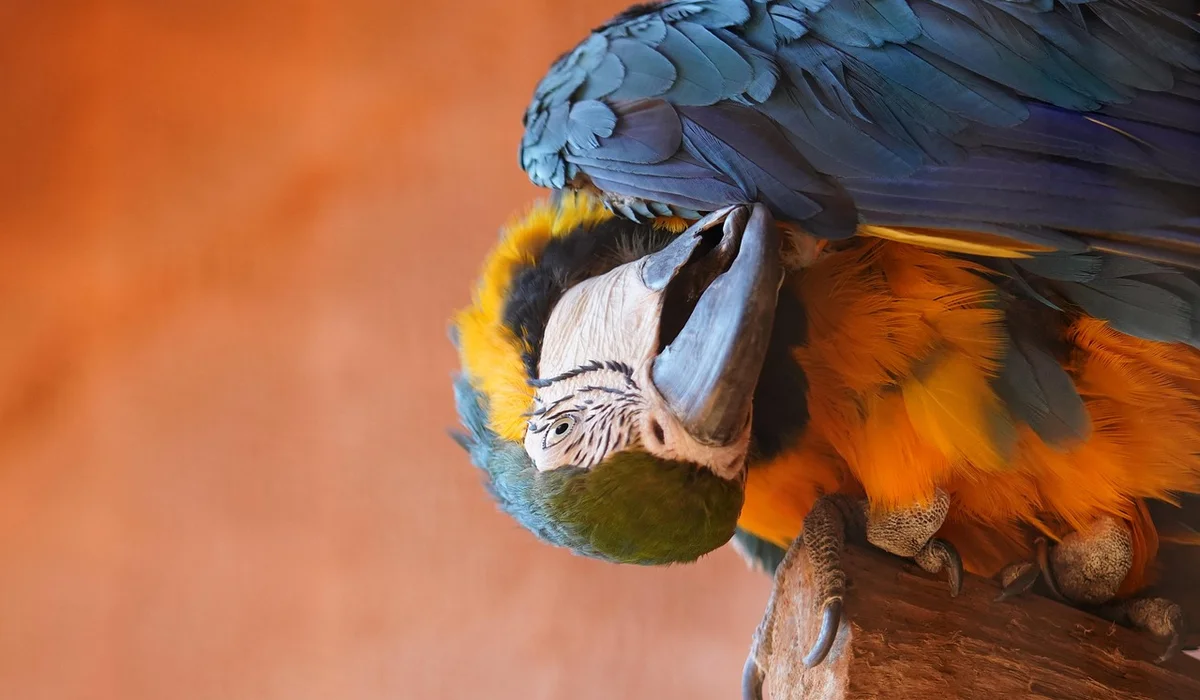
Watching Florida’s wild flocks changed how I care for my own birds. Their natural behaviors are a blueprint for keeping our pet parrots thriving. I’ve spent hours observing their daily routines, and it’s reshaped everything from feeding time to cage setup. Understanding parrot flock dynamics in a human household helps me translate those wild cues into calmer, more harmonious daily life for my parrots.
Observing Social Dynamics in Wild Flocks
Wild parrots live in constant conversation. My green-cheeked conure Kiwi gets that same look of focused curiosity when he hears outdoor flocks chattering. Flock communication isn’t just noise-it’s a complex system of warnings, invitations, and check-ins. Parrots often mimic human speech sounds, weaving those echoes into their daily chatter. This playful mimicry can reveal how they bond with people and fit into the social fabric of their flocks. Here’s what I’ve learned from their social structures:
- Morning and evening gatherings serve as daily community meetings
- Older birds mentor younger ones in foraging techniques
- Sentinel birds take turns watching for predators while others feed
- Play behavior continues throughout adulthood, not just in juveniles
When my sun conure Sunny starts making specific contact calls, I now recognize she’s checking where her human “flock” members are located. Recreating these natural interactions prevents loneliness and behavioral issues.
Preventing Escapes and Supporting Conservation
Florida’s wild populations began with escaped pets, which shows how easily it can happen. Every escaped pet parrot faces tremendous risks while potentially harming local ecosystems. In the wild, natural predators pose real threats. In homes, domestic dangers and improper care can compound the risk. After seeing how non-native species struggle in unfamiliar environments, I’ve become meticulous about safety:
- Install secondary locks on all cage doors and outdoor carriers
- Train recall commands in enclosed spaces before any outdoor exposure
- Maintain wing feather trims while ensuring birds can still glide safely
- Create airlock systems between doors and windows when transporting birds
- Microchip your parrot as permanent identification
Secure habitats protect both your beloved companion and native wildlife. My African grey Sage once tested every latch in her cage until I upgraded to parrot-proof locks.
Conservation and Citizen Science Opportunities
Pet parrot owners have unique opportunities to support wild populations. Our experience with parrot behavior makes us valuable observers for conservation projects. You can also find your flock by joining online parrot communities where sightings are shared. These networks help you connect with nearby flocks and coordinate observations. I regularly report local flock sightings through these channels:
- eBird database managed by Cornell Lab of Ornithology
- Local Audubon Society parrot monitoring programs
- University of Florida avian research surveys
- Parrot Population Density Project through FlockTracker
Documenting wild parrot behavior helps researchers understand population health and resource needs. Studying wild parrot survival behavior reveals how they forage, roost, and respond to threats. These patterns guide conservation actions to safeguard key habitats and resources. You can also support conservation through specialized rescues that work with both wild and surrendered parrots.
Resources for Learning and Getting Involved
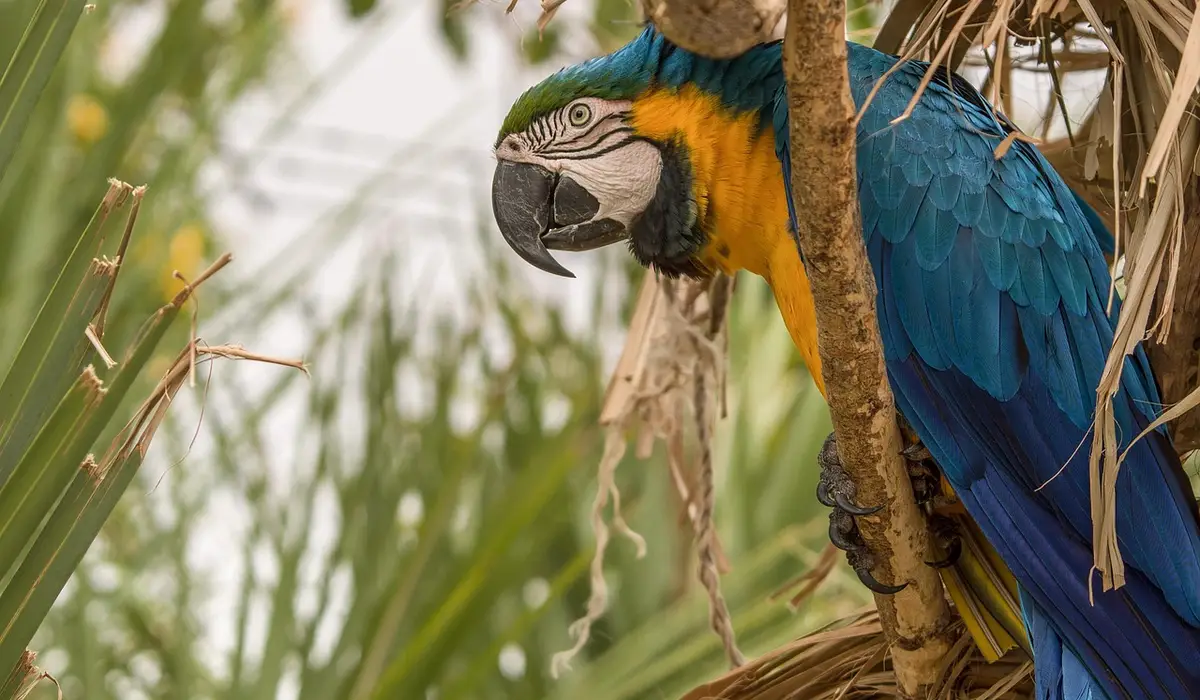
Connecting with other parrot enthusiasts has deepened my understanding of both wild and companion birds. These resources helped me bridge the gap between pet care and wild conservation: I now make a point of asking breeders the right questions and contacting rescue organizations before bringing a parrot home. This approach helps ensure a good match and responsible ownership.
- Florida Parrot Lovers Facebook Group – regional sightings and care discussions
- “The Wild Parrots of Florida” photographic guide by James Dean
- Miami Parrot Sanctuary volunteer opportunities
- Suncoast Avian Society monthly meetings in Tampa
- Cornell Lab of Ornithology free online parrot behavior courses
- Florida Wildlife Commission exotic species reporting portal
Learning about wild parrot needs directly improves how we care for our home companions. My local bird club helped me create better foraging opportunities after I observed wild flocks’ feeding patterns. In the wild, parrots forage on seeds, fruits, nuts, and greens. This insight helps answer the question ‘do parrots eat wild‘ and guides how we offer similar foraging opportunities at home.
Common Questions
Are wild parrots in Florida protected by law?
Most wild parrots in Florida are non-native species and not covered by federal migratory bird protection laws. However, local regulations often prohibit harming or capturing them without permits to prevent ecological disruption.
Can wild parrots transmit diseases to pet parrots?
Yes, wild parrots can carry diseases like psittacosis or avian influenza that may spread to pet birds through indirect contact. Always practice good hygiene and avoid exposing your pets to wild flocks to minimize health risks. Common health issues vary by species, so prevention care should be tailored to each parrot. This includes regular veterinary exams, quarantine of new birds, and maintaining clean enclosures.
What should I do if a wild parrot visits my backyard?
Observe the parrot quietly from a distance to avoid causing stress or altering its natural behavior. Ensure your pet parrots are securely indoors to prevent any potential conflicts or disease transmission. These are essential steps for parrot-proofing a room and ensuring safe flight. They help reduce hazards and keep your bird calm during supervised exploration.
Final Thoughts
The best way to help Florida’s wild parrots is to be a responsible guardian to your own bird. Keep your pet’s wings safely clipped or ensure their habitat is entirely secure to prevent accidental escapes that can harm local ecosystems.
Caring for a parrot is a lifelong journey of learning and adaptation, much like the flocks adapting to Florida’s landscape. Stay curious, keep educating yourself on proper parrot care, and always advocate for the well-being of all our feathered friends, whether in our homes or soaring free.
Further Reading & Sources
- The 5 Most Common Parrots in Florida: ID Guide and Where to Spot Them – A-Z Animals
- The Parakeets and Parrots of Florida: Escaped Pets Have Established Exotic Populations in the U.S. | Toti.com
- r/florida on Reddit: Are parrots in Florida
Suzanne Levine is a dedicated parrot enthusiast and experienced avian caregiver with over 15 years of hands-on experience in parrot care. As the founder of Parrot Care Central, Suzanne is passionate about sharing her knowledge and insights to help fellow parrot owners provide the best possible care for their feathered friends. Her expertise spans nutrition, behavior, health, and enrichment, making her a trusted resource in the parrot care community.
Finding a Parrot