How Parrots Mimic Human Speech and Sounds
Published on: May 2, 2026 | Last Updated: May 2, 2026
Written By: Suzanne Levine
Have you ever heard your parrot perfectly copy your laugh or the doorbell, leaving you stunned and curious about how they do it? It’s a mix of biology and smarts that goes way beyond simple repetition.
Drawing from my time with Kiwi, my playful Green-cheeked Conure who mimics everything from phone rings to my own phrases, I’ll guide you through the science and secrets. You’ll grasp three core insights:
- Their special vocal anatomy lets them shape sounds like we do.
- Sharp brains help them learn and remember noises fast.
- Social bonds drive them to imitate for connection and fun.
No confusing jargon here-just clear, actionable tips. Topics covered: vocal tract details, cognitive processes, social influences, training methods, debunking myths, welfare considerations.
What Sounds Can Parrots Actually Mimic?
Parrots can mimic an incredible variety of sounds, turning your home into a lively soundscape. From human speech to everyday household noises, their ability to imitate spans far beyond simple words. This natural versatility can help manage household noise and reduce stress by providing a familiar, comforting backdrop. Their rhythmic chatter can mask sudden noises, turning chaos into a calmer home. I’ve seen this firsthand with my own flock, where each bird brings their own unique twist to mimicry.
- Human voices: They pick up phrases, laughter, and even emotional tones. My Sun Conure, Sunny, loves to copy my cheerful “Good morning!” and has learned to say it with the same upbeat inflection.
- Household sounds: Think beyond speech – parrots replicate doorbells, microwave beeps, and phone rings. Kiwi, my Green-cheeked Conure, once had me searching for my phone because he mimicked its ringtone perfectly.
- Animal noises: They imitate dogs barking, cats meowing, or other birds chirping. Sage, my African Grey, sometimes mimics the neighborhood crows, blending wild and domestic sounds.
- Musical elements: Whistling tunes, humming, or even beatboxing aren’t off-limits. Sunny often whistles along to songs I play, adding his own flair.
- Surprising imitations: Some parrots copy sneezes, coughs, or the sound of running water. I’ve heard Kiwi mimic the drip of a leaky faucet, showing how observant they are.
Not all parrots mimic equally, though. Species like African Greys and Amazon parrots often excel, while others, like some conures, might stick to simpler sounds. Individual personality plays a big role too – a shy parrot may mimic less, while a social one like Sunny picks up sounds quickly to bond.
The Science of Parrot Vocal Mimicry
Parrot mimicry isn’t just fun and games; it’s rooted in sophisticated biology and brainpower. Their ability to copy sounds comes from a combination of unique anatomy and advanced neural networks. Let’s break it down into easy-to-understand parts.
Anatomy of a Parrot’s Voice Box
At the heart of a parrot’s mimicry is the syrinx, their vocal organ located where the trachea splits into the lungs. Unlike human vocal cords, which are a single structure, the syrinx allows parrots to produce two different sounds simultaneously. Think of it as having two tiny speakers in their throat instead of one – that’s why Kiwi can whistle a tune while making clicking noises at the same time. This flexibility lets them replicate complex sounds with surprising accuracy, from the cadence of your voice to the precise pitch of a doorbell.
Brainpower Behind the Mimicry
Parrots don’t just hear and repeat; their brains actively process and store sounds. Specialized neural circuits, similar to those in humans, enable vocal learning by linking hearing to sound production. It’s like having a built-in recorder and player that learns through social interaction. For instance, when Sage hears me say “Hello,” his brain breaks it into phonemes, stores it in memory, and practices until he gets it right. This social learning helps them fit into their flock – or in your home, your family. Do parrots understand human language? They can learn to associate words with meanings and respond to commands, but their understanding is based on associations and social context rather than grammar. Here’s how it works in simple steps:
- Auditory input: Parrots listen carefully to sounds around them, using sharp hearing to catch nuances.
- Memory encoding: Their brain stores these sounds in areas dedicated to vocal learning, much like how you memorize a song by replaying it mentally.
- Feedback loop: They practice making the sound, adjusting based on what they hear – if it doesn’t match, they try again.
- Social reinforcement: Positive reactions from you, like laughter or treats, encourage them to keep mimicking and refining their skills.
This process relies on vocal plasticity, where their brain and syrinx work together to adapt and imitate. Over time, this lets parrots not just copy sounds but understand context, like using “I love you” when they want attention. It’s a testament to their intelligence and why proper care, including mental stimulation, is key to their well-being.
Why Do Parrots Mimic Human Speech?
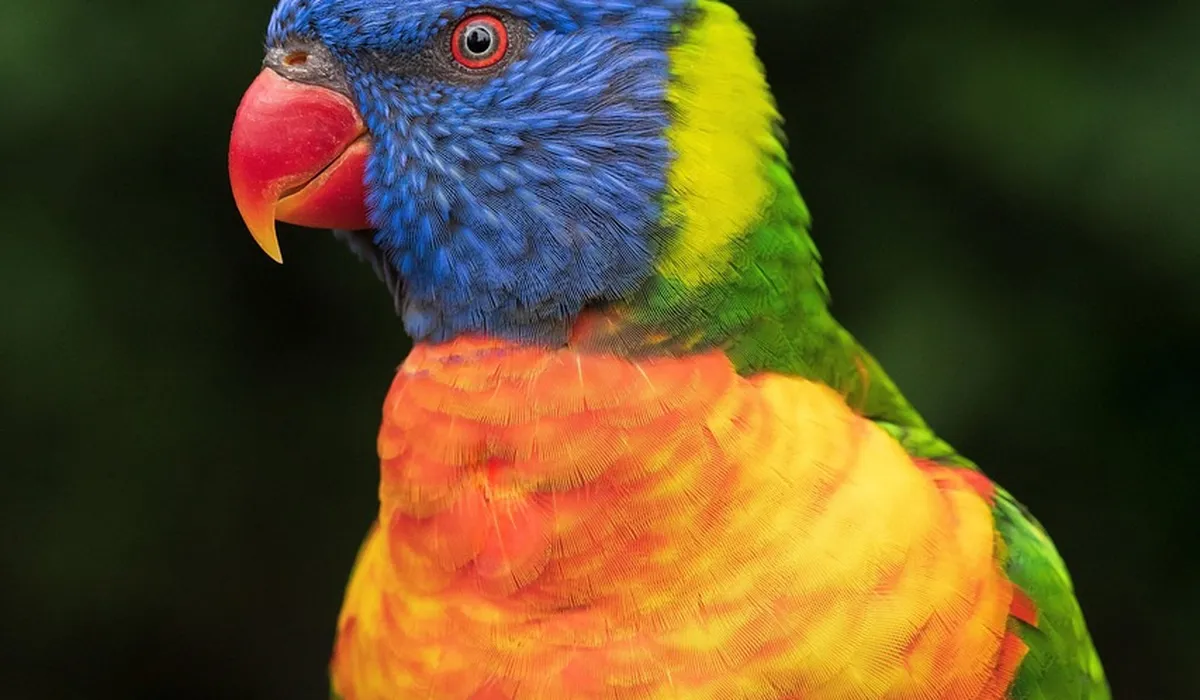
Parrots mimic us primarily to connect. In the wild, their survival depends on fitting into a noisy flock, and your home becomes their new flock. They use our sounds and words as a tool for social bonding, trying to become part of your family unit. This is the start of a complete guide on whether different parrot sounds mean different things. We’ll break down common sounds and what they might signal, so you can better understand your bird.
My Green-cheeked Conure, Kiwi, started by copying my laugh. It wasn’t perfect, but it was his way of saying, “I’m here with you.” He quickly learned that making these sounds got him immediate attention and interaction.
- Social Bonding: Mimicry is their way of forging a close relationship with you, their chosen flock member.
- Attention-Seeking: A clever “hello” or whistle often results in you talking to them, giving them the social interaction they crave.
- Play and Entertainment: For many parrots, like my playful Kiwi, making new and interesting sounds is just plain fun.
- Territorial Behavior: Sometimes, loud mimicry can be a way of claiming their space and signaling that this is their home, too.
- Positive Reinforcement: When you react with joy or a treat, you are powerfully rewarding the behavior, encouraging them to do it again.
It is vital to remember that not every parrot will talk, and that is perfectly okay. Forcing a bird to mimic against its will or nature causes immense stress and is a serious welfare issue. The goal is always a happy, healthy bird, not a performing one.
Teaching Your Parrot to Talk: A Step-by-Step Guide
Training a parrot to talk is a journey of patience. I’ve had the most success by turning it into a daily, joyful routine rather than a strict lesson. It’s not just about teaching them to mimic some words; it’s about teaching your parrot to talk on cue and understanding what it really means. That way, it’s a bonding experience for both of us.
- Start with one simple, clear word. “Hello” or their name are excellent first choices. Say it with the same enthusiastic tone every time.
- Repeat the word frequently in a happy, positive context. I would say “Hello, Kiwi!” every time I entered the room, making it a greeting he associated with my presence.
- Reward any attempt immediately. When Kiwi made a sound that even vaguely resembled “hello,” he got a tiny piece of his favorite nut. This positive reinforcement is the key.
- Keep training sessions incredibly short. Aim for just 5-10 minutes, once or twice a day. Their attention spans are short, and you want to end on a high note.
- Build complexity slowly. Once they master one word, you can try adding another, or even a short phrase like “Good bird.”
My Sun Conure, Sunny, learned to wolf-whistle before she learned any words because she heard it so often and found it exciting. Consistency and a calm, loving environment are your most powerful tools in this process.
Effective Training Techniques
- Modeling Sounds: Clearly and slowly repeat the word or sound you want them to learn. Exaggerate your mouth movements to help them see how it’s formed.
- Using High-Value Rewards: Find a treat your parrot goes crazy for and reserve it exclusively for training sessions to make the association strong.
- Social Interaction as a Lesson: Talk to your parrot throughout the day as you go about your tasks. They learn a tremendous amount just by listening to their flock.
Common Mistakes to Avoid
- Overtraining: Pushing a parrot for too long leads to boredom, frustration, and a complete shutdown of the learning process.
- Creating a Negative Environment: Never yell or show frustration. Your parrot will associate talking with your anger and will stop trying.
- Ignoring Body Language: If your parrot turns away, puffs up in fear, or tries to leave, they are telling you the session is over. Respect that.
- Using Complex Phrases Too Soon: Starting with long sentences is confusing and sets both of you up for failure.
A stress-free approach that prioritizes the bird’s welfare will always yield better results, and more importantly, a stronger bond. The trust you build is far more valuable than any word they might say.
Which Parrot Species Excel at Mimicry?
Parrots vary wildly in their talking talent, much like people have different singing abilities. Genetics play a huge role in determining a parrot’s natural knack for mimicry, setting the stage for their vocal potential. In practice, many parrot species learn to say a wide range of words—from simple greetings to more complex phrases. Some species are born chatterboxes, while others express themselves more through actions than words.
I’ve shared my home with three distinct personalities, and their differences are striking. Sage, my African Grey, started forming clear words around age two and now has an extensive vocabulary she uses contextually. Sunny, the Sun Conure, prefers loud, expressive calls but can mimic laughter perfectly. Kiwi, the Green-cheeked Conure, surprises us with short phrases but mostly enjoys whistling tunes. Observing them daily shows that species-specific traits heavily influence how and what they learn to vocalize.
Comparing Vocal Skills Across Popular Species
| Species | Clarity of Speech | Vocabulary Size | Ease of Learning |
|---|---|---|---|
| African Grey | Exceptional | Extensive (1000+ words) | High with consistent training |
| Amazon Parrot | Very Clear | Large (hundreds of words) | Moderate to High |
| Budgerigar (Budgie) | Good | Moderate (dozens of words) | High, especially when young |
| Eclectus Parrot | Clear | Moderate to Large | Moderate |
| Conures (like Kiwi & Sunny) | Fair to Moderate | Small to Moderate | Variable, often better at sounds than words |
| Cockatiel | Fair | Small (phrases & whistles) | Moderate for whistling, lower for speech |
Choosing a parrot solely for talking ability often leads to disappointment, as individual personality matters just as much as species reputation. I learned this when Sunny, despite being a species not known for extensive vocabularies, developed an uncanny ability to replicate my phone’s notification sound. Parrots are intelligent birds, capable of surprising problem-solving and social learning beyond simple mimicry. You can learn more about their intelligence [here](https://parrotcarecentral.com:/how-intelligent-are-parrots). Sunny’s talent hints at that broader intelligence.
Troubleshooting: When Your Parrot Won’t Mimic
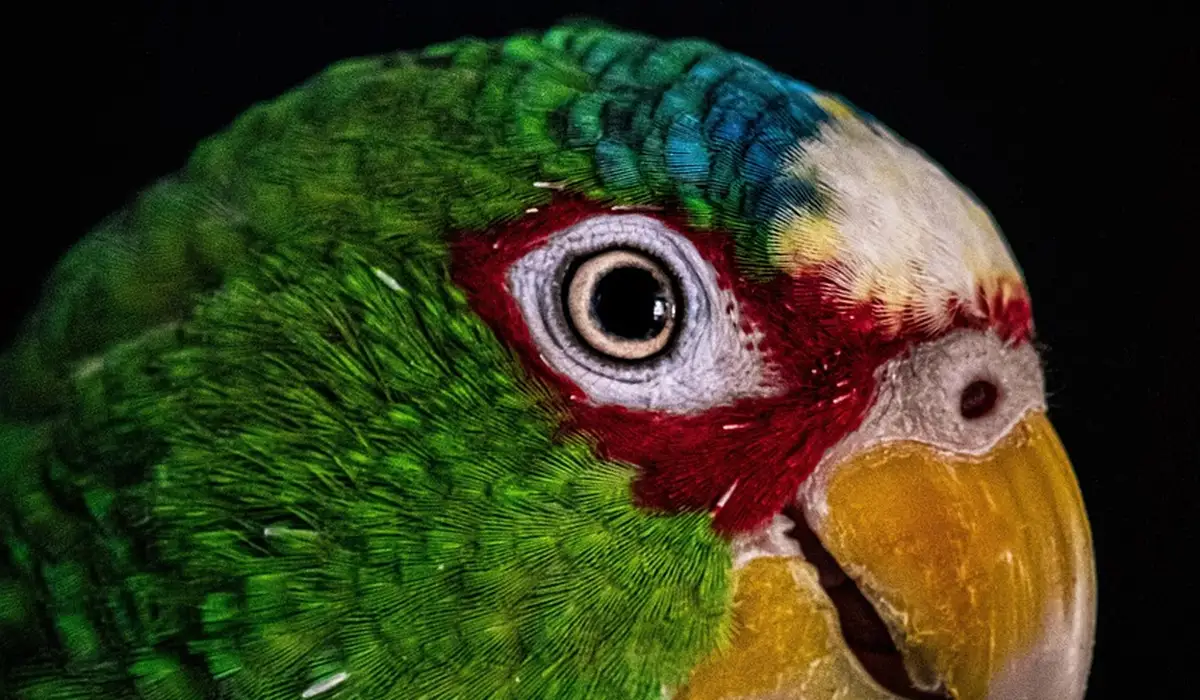
If your parrot remains silent, don’t lose hope. Many factors beyond species can influence vocal learning, and most are fixable with patience and adjustments. I faced this with Kiwi, who stayed quiet for months until I realized his environment needed tweaking.
Steps to Improve Your Parrot’s Mimicry
- Increase quality interaction time. Talk directly to your parrot for at least 30 minutes daily, using simple, repetitive phrases.
- Place their cage in a socially active area where they hear human conversation naturally throughout the day.
- Use positive reinforcement. Offer a small treat immediately when they attempt any new sound.
- Maintain a consistent training schedule. Short, frequent sessions work better than occasional long ones.
- Play recordings of words or sounds you want them to learn during quiet periods.
- Ensure they observe you speaking. Parrots often learn better when they see your mouth move.
Age significantly impacts learning capacity. Young parrots between 6 months and 3 years old typically learn fastest, but older birds can still acquire new sounds with persistent effort. My African Grey Sage learned a new phrase at age six, proving it’s never too late for motivated birds.
Environmental and Health Factors
Stress acts as a major barrier to vocal learning. A frightened or anxious parrot focuses on survival, not language acquisition, making emotional security the foundation for mimicry success. Loud household noises, frequent schedule changes, or even a new pet can trigger enough stress to halt vocal progress.
Health issues often explain sudden quietness in previously vocal birds. Respiratory infections, nutritional deficiencies, or physical discomfort can directly affect a parrot’s ability and willingness to vocalize. I once noticed Sunny stopped mimicking for a week, and a vet visit revealed a minor sinus infection that treatment quickly resolved. If your parrot has also stopped talking or vocalizing unexpectedly, it’s crucial to understand the potential causes and seek timely care.
Creating a Supportive Learning Space
- Position the cage against a wall for security, with a view of family activities
- Maintain consistent light-dark cycles to support natural rhythms
- Provide multiple perches at different heights for comfort and choice
- Keep training sessions separate from noisy household appliances
- Ensure fresh air circulation without direct drafts on the cage
- Include familiar, comforting sounds like soft music or a quiet television
Building trust through gentle handling and predictable routines often does more for vocal development than any specific training technique. When Kiwi finally started talking, it happened after months of simply feeling safe and bonded during our daily interactions.
The Joy and Responsibility of Parrot Mimicry
Hearing your parrot greet you with a cheerful “hello” feels like magic every single time. This shared language builds a unique friendship bridge between you and your feathered friend. My Green-cheeked Conure, Kiwi, loves to copy my laugh, turning ordinary moments into shared jokes that strengthen our bond immensely.
-
Interactive mimicry turns your home into a lively, conversational space. Teaching simple words or whistles becomes a delightful game that stimulates your parrot’s mind and deepens your connection. My Sun Conure, Sunny, gets so excited when we practice sounds together, bobbing his head and fluffing up his feathers in pure joy.
-
Always remember that parrots are not mere recording devices. Forcing a bird to mimic for entertainment ignores their emotional needs and can cause significant stress. I’ve seen parrots pluck feathers from anxiety when pushed too hard; their welfare must always come before our amusement. A calm parrot is easier to read. A frightened or stressed parrot needs patience and gentleness.
-
Patient training yields the sweetest rewards. It took Sage, my African Grey, months to comfortably say “good morning,” but the first time she did it unprompted felt like winning a marathon. That breakthrough moment, built on consistent, gentle encouragement, creates a trust that lasts a lifetime.
-
Balance is everything in parrot care. Encourage mimicry as part of a rich life filled with foraging, flying, and socializing-not as their only trick. I make sure Kiwi’s sound practice sessions are short and fun, followed by plenty of time for her to just be a bird, chewing on safe wood and exploring her play gym.
FAQs
How can I tell if my parrot is enjoying mimicry training?
Observe for signs of engagement like bright eyes, relaxed posture, and eager vocalizations. If they lean in or repeat sounds willingly, they are likely having fun and learning effectively.
Are there any sounds that are harmful for parrots to mimic?
Avoid encouraging loud, jarring noises like alarms or aggressive yelling, as these can cause stress or fear. Focus on calm, positive sounds to support their well-being and bonding.
What is the best age to start training a parrot to mimic?
Begin when they are young, typically between 6 months and 3 years, for optimal learning ability. Older parrots can still learn, but it may require more patience and repetition. Know what to expect when training your parrot to set realistic timelines.
Final Words
To help your parrot mimic sounds, focus on positive reinforcement and patience, as their social instincts and vocal anatomy drive this amazing skill. From my playful Green-cheeked Conure Kiwi, I’ve seen how daily, gentle interactions build trust and encourage vocal learning.
Caring for a parrot means committing to their lifelong well-being through proper nutrition, enrichment, and regular vet checks. Keep exploring new ways to support their health and happiness, because every bird deserves a loving, informed home, including regular veterinary care.
Further Reading & Sources
- Talking bird – Wikipedia
- r/askscience on Reddit: What are Parrots trying to achieve by mimicking sounds they hear?
- Why Do Parrots Mimic Sounds? – Northern Parrots
Suzanne Levine is a dedicated parrot enthusiast and experienced avian caregiver with over 15 years of hands-on experience in parrot care. As the founder of Parrot Care Central, Suzanne is passionate about sharing her knowledge and insights to help fellow parrot owners provide the best possible care for their feathered friends. Her expertise spans nutrition, behavior, health, and enrichment, making her a trusted resource in the parrot care community.
Enrichment Activities