Do Parrots Understand Human Language?
Published on: January 17, 2026 | Last Updated: January 17, 2026
Written By: Suzanne Levine
You’ve probably watched a parrot mimic your words perfectly and wondered: is my feathered friend just repeating sounds, or do they truly grasp what they’re saying?
I’ve spent years living with my own chatty flock, and I’m here to help you unravel this mystery. We’ll explore the science and share real-life experiences to give you a clear picture.
You’ll walk away with three key takeaways:
- Parrots possess a remarkable capacity for associating words with meaning and context.
- Their understanding is often tied to emotion, routine, and direct interaction.
- Building a two-way communication bridge with your parrot is absolutely possible.
You will get straightforward, practical advice you can use today. The article covers: parrot intelligence, cognitive studies on language, training techniques, emotional connection, ethical ownership, and common myths. I’ll also cover the top 12 parrot training myths that are holding back progress. You’ll learn what your parrot is truly capable of and how to train around those myths.
What Is Parrot Vocalization Really About?
When my Green-cheeked Conure, Kiwi, says “step up,” it’s not just random noise. Parrot vocalization is fundamentally a social tool, a way to connect with their flock—and in our homes, that flock is us. If you’re wondering what the different parrot sounds mean, this complete guide will help you decode them. In the wild, these calls coordinate movement, signal danger, and strengthen bonds. Your parrot isn’t just making sounds; they are trying to communicate with their family.
I’ve noticed Sage, my African Grey, makes a specific soft chattering sound only when I’m preparing her favorite food. This shows vocalization is often tied directly to specific actions, routines, and emotions they observe. They are brilliant contextual learners, associating sounds with the events that routinely happen around them.
Think of it less like a recording and more like a conversation starter.
Mimicry or True Understanding: Breaking It Down
This is the million-dollar question for every parrot owner. The answer isn’t simple, and it exists on a fascinating spectrum. When you choose the right pet parrot for your home lifestyle, you weigh daily routines, noise tolerance, and care needs. Aligning a parrot’s temperament with your lifestyle makes the choice clearer.
The Power of Mimicry
Sometimes, it’s pure, brilliant mimicry. My Sun Conure, Sunny, perfectly imitates the microwave beep. He has no concept of what a microwave is or does; he just learned that sound predicts something interesting is about to happen. This is associative learning at its finest. They connect a sound with an outcome, not necessarily the meaning of the words themselves.
Glimpses of True Comprehension
Then there are the moments that truly blow your mind, suggesting something deeper. With extensive, patient work, some parrots demonstrate what looks like genuine understanding.
- Contextual Use: Kiwi says “good night” only when her cage cover comes out. She’s using the phrase in the correct situation, which is more than mimicry.
- Functional Labeling: Famous parrots like Alex the African Grey could identify objects by name, count, and even express desires like “want banana.” This shows an ability to associate a symbolic word with a concrete object or concept.
- Emotional Connection: When Sage says “It’s okay” in a soft voice if I seem stressed, it feels intentional. She’s using a phrase of comfort in a context where comfort is needed.
The truth lies somewhere in the middle: parrots are masters of association who can, with the right encouragement, learn to use our language functionally. They may not grasp grammar or abstract philosophy, but their ability to connect words to actions, objects, and emotions is undeniable. It’s a form of understanding that is uniquely their own. Indeed, parrots are intelligent. Their capacity for symbolic use and contextual communication underscores cognitive sophistication beyond simple mimicry.
How Parrot Brains Handle Language
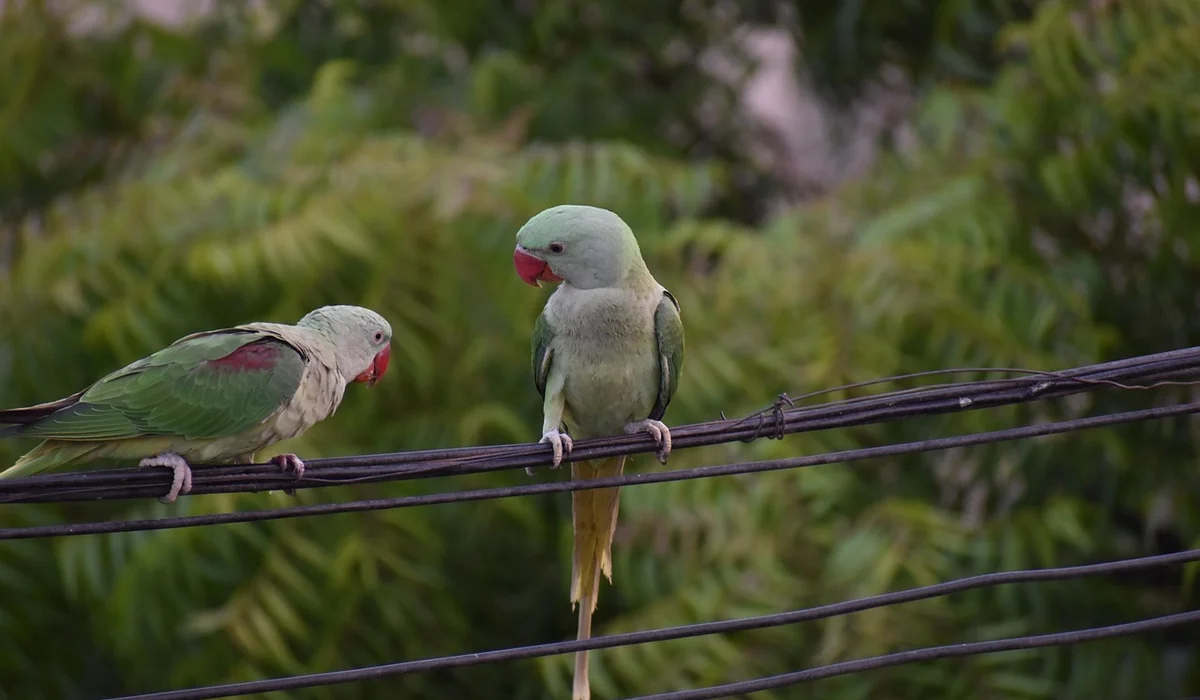
Parrot brains are not like ours, but they have a special region called the “shell” that handles complex vocal learning. This unique brain structure allows them to mimic sounds with incredible precision, from your laugh to the microwave beep. My Green-cheeked Conure, Kiwi, once perfectly imitated the sound of my phone’s text notification, fooling me for a week! It’s not just empty copying; their brains are wired to connect sounds with context and outcomes. When a parrot stops talking or changes what it imitates, it’s often signaling a change in motivation, health, or environment. Understanding these vocal changes is key to figuring out why it happened and how to help.
Think of their brain’s language center as a super-efficient sound processing unit. They can pick up on the emotional tone and rhythm of our speech long before they grasp the literal meaning of words. When I speak to my Sun Conure, Sunny, in a bright, happy voice, she gets excited and bobs her head, regardless of the words I’m using. Their ability isn’t about human-like grammar; it’s about associating specific sounds with actions, objects, and the resulting social feedback from their flock-which includes you.
Training Your Parrot for Better Language Skills
Training is where the magic of connection happens. It builds trust and turns mimicry into meaningful interaction. Patience and consistency are your most powerful tools; a five-minute daily session beats an hour once a week. I’ve found my African Grey, Sage, learns best right before her breakfast when she’s most motivated. Keep the sessions fun and pressure-free for both of you.
Getting Started: The Basics
Start with a single, simple word in a clear, enthusiastic tone.
- Choose high-value words like “hello,” “good,” or your bird’s name.
- Repeat the word multiple times in a row during calm, one-on-one moments.
- Immediately reward any attempt at a sound, even a squawk, with a tiny, favorite treat and verbal praise like “Good bird!”
- Always end on a positive note, even if it’s just for quiet attention.
Building a Vocabulary
Once your parrot masters one word, you can slowly expand their repertoire.
- Introduce one new word or short phrase at a time. Don’t move on until the previous one is reliably mimicked.
- Context is key. Say “step up” every time you ask your parrot to step onto your hand. My conure, Kiwi, now says “step up” when he wants to come out of his cage.
- Use objects. Hold up an apple and clearly say “apple” before giving them a piece. They learn to associate the object with the sound.
- Be the best model. Parrots learn from frequent, clear repetition. Talk to them throughout the day about what you’re doing.
The ultimate goal isn’t a massive vocabulary, but a deeper, more interactive bond with your feathered friend. Celebrate every little sound and step forward. Their progress depends entirely on your positive, gentle, and respectful guidance.
Which Parrot Species Excel in Language Comprehension?
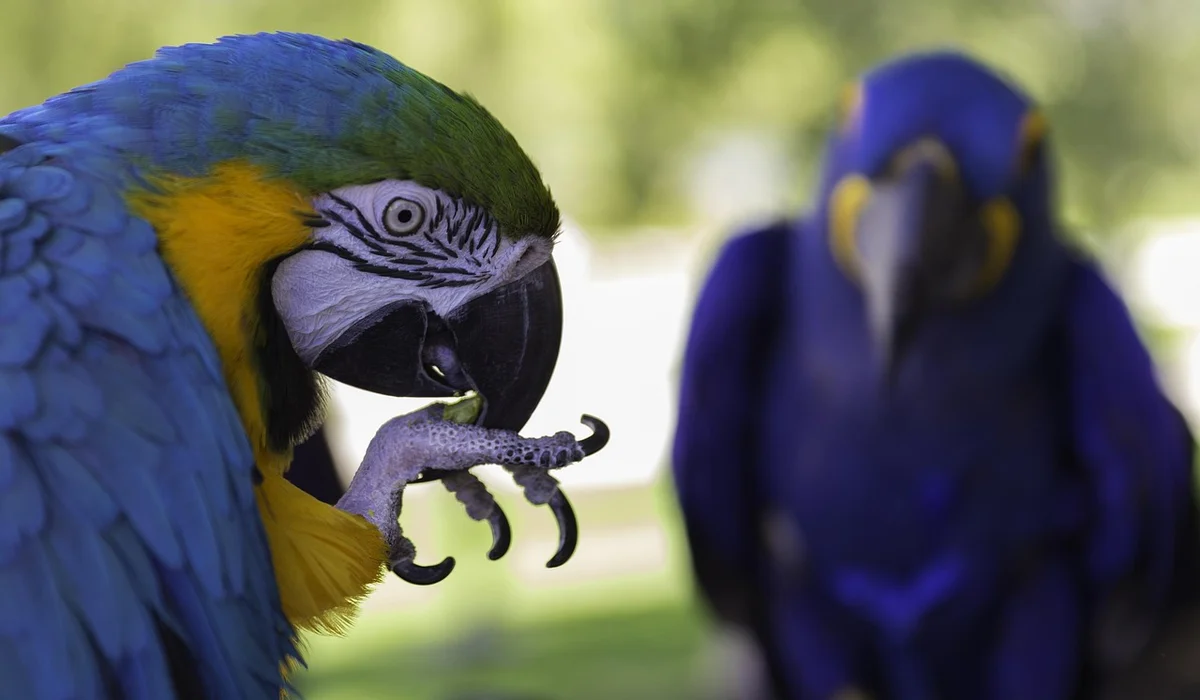
Parrot species vary widely in their ability to grasp human language, with some standing out as true chatterboxes. Based on my experience and research, African Greys, Amazon parrots, and Cockatoos often lead the pack in language skills. I’ve spent countless hours observing how different birds respond to words, and it’s fascinating to see the contrasts. That curiosity motivates me to start a comparative guide for training different parrot species, outlining tailored training approaches for each species. It will offer practical, side-by-side tips based on observed differences.
My African Grey, Sage, regularly uses phrases like “Want a nut?” when she’s hungry, showing she connects words to desires. African Greys are renowned for their cognitive abilities, often understanding context rather than just mimicking sounds. In contrast, my Sun Conure, Sunny, loves to repeat cheerful greetings but doesn’t always grasp their meaning-she’s more about the social fun.
- African Grey Parrots: Known for high intelligence and contextual understanding; Sage picks up new words quickly and uses them appropriately.
- Amazon Parrots: Excel in clear speech and emotional expression; they can mimic tones that match moods.
- Cockatoos: Great at learning phrases through repetition and bonding; they thrive on interactive conversations.
- Conures (like my Kiwi): More playful with sounds, often imitating noises or short words for attention rather than deep comprehension.
Smaller parrots, such as budgies or lovebirds, can learn words too, but they typically focus on simpler repetitions. Choosing a species for language skills means considering their natural instincts and your patience in training. I’ve found that parrots like Sage respond best to consistent, positive interactions that build trust over time.
Enhancing Communication in Daily Life
Improving how you talk with your parrot starts with simple, daily habits that foster mutual understanding. From my own routine, I’ve learned that consistency and patience are key to helping parrots feel secure and engaged. When I first brought Kiwi home, I made sure to use the same phrases for common actions, like “Step up” for handling, which reduced her anxiety. Having a clear stop-your-parrot-from-biting plan can prevent issues before they start, and a step-by-step training guide makes that plan easy to follow. In practice, these bite-prevention steps pair well with consistent cues to keep training humane and effective.
Use positive reinforcement to reward attempts at communication, whether it’s a mimic or a gesture. Always offer treats or praise when your parrot tries to interact, as this encourages them to keep learning. With Sunny, I give her a favorite fruit slice when she repeats a new word, and she’s become more vocal over the months. This is a clear example of positive reinforcement training for parrots in action. By pairing attempts with rewards, you reinforce the behavior and keep training enjoyable.
- Speak clearly and slowly: Repeat words in a calm tone to help your parrot distinguish sounds; I do this during feeding times with Sage.
- Incorporate words into routines: Link phrases to daily activities, like “Time for bed” at night, to build associations.
- Listen and respond: Pay attention to your parrot’s vocalizations and body language, answering back to show you’re engaged.
- Keep sessions short and fun: Limit training to 10-15 minutes to avoid frustration, mixing in play to maintain interest.
Avoid forcing interactions or using loud voices, as this can stress your bird and hinder learning. Respecting your parrot’s boundaries is crucial for building a trusting relationship that supports communication. I’ve seen how a gentle approach with Kiwi has made her more curious about human speech, and it’s a joy to watch her progress.
FAQs
Is it ethical to teach parrots human language?
Teaching parrots to talk is ethical when using positive, reward-based methods that respect their natural behaviors and avoid stress. Always prioritize your parrot’s comfort and stop if they show signs of distress to maintain a healthy bond. For example, when training a tame Quaker parrot to talk, keep sessions brief and rewarding. With Quaker parrots, consistent, gentle cues help build trust and steady progress.
What are common myths about parrots understanding language?
A common myth is that parrots comprehend complex grammar like humans, but they primarily associate words with actions or objects through context. Another misconception is that talking parrots always understand what they say, when often it’s mimicry tied to social interaction. This nuance is part of the truth about starter parrots and a key example in debunking the five common beginner bird myths.
How can I tell if my parrot is stressed by language training?
Watch for behaviors like feather plucking, hiding, or aggressive vocalizations, which indicate training may be overwhelming. If stress signs appear, pause sessions and focus on gentle, non-verbal interactions to rebuild trust.
Wrapping It Up
Your parrot absolutely picks up on your language, learning to connect your words with actions, objects, and the emotional tone you use. Focus on speaking with clear context and consistent repetition during your daily routines, and you’ll be amazed at the two-way communication you can build together.
Caring for a parrot is a long-term commitment that demands we keep learning about their complex needs and intelligent minds. I encourage you to continue exploring their fascinating world, always striving to provide the most enriching and compassionate life for your feathered family member.
Further Reading & Sources
- How Well Do Parrots Understand Language? – Bird Street Bistro
- Why Do Parrots Talk? | Audubon
- Do Parrots Understand Human Language? (Mimicry vs. Context)
Suzanne Levine is a dedicated parrot enthusiast and experienced avian caregiver with over 15 years of hands-on experience in parrot care. As the founder of Parrot Care Central, Suzanne is passionate about sharing her knowledge and insights to help fellow parrot owners provide the best possible care for their feathered friends. Her expertise spans nutrition, behavior, health, and enrichment, making her a trusted resource in the parrot care community.
Obedience Training