
Why Has My Parrot Stopped Talking? Understanding Vocal Changes
Published on: January 26, 2026 | Last Updated: January 26, 2026
Written By: Suzanne Levine
Your parrot’s sudden silence can feel like a mystery, leaving you anxious about their health or happiness.
I’ve been through this with my own parrots, like Kiwi and Sage, and I’ll guide you through the common causes and solutions.
Here are the key areas we’ll focus on to get your feathered friend vocal again:
- Health issues that might be affecting their ability to speak
- Environmental changes causing stress or discomfort
- Behavioral and social factors influencing their vocal habits
You’ll walk away with practical steps to support your parrot. Topics include: health checks, stress reduction, and training encouragement. You’ll also learn how to handle your parrot during vet visits to reduce stress for both of you. These tips can help make vet appointments smoother and safer.
Uncovering the Reasons for Vocal Changes
Stress and Anxiety Triggers
Parrots are emotional creatures, and stress can shut down their chatter faster than you can say “Polly wants a cracker.” Changes in their environment, like moving furniture, loud noises, or new pets, can make them feel insecure and quiet. I’ve seen my own Green-cheeked Conure, Kiwi, go silent for a day after we got a new vacuum cleaner—he just needed time to adjust. Watch for these common stressors. Good sound management at home can help reduce stress. Keeping loud noises to a minimum and offering gentle background sound can keep your parrot calm and more chatty.
- Sudden loud sounds like construction or thunderstorms
- New people or animals in the home
- Changes to their cage location or daily routine
- Lack of mental stimulation or boredom
Illness and Physical Discomfort
When parrots feel unwell, talking is often the first thing to go. Respiratory infections, sore throats, or general pain can make vocalizing uncomfortable or impossible. My Sun Conure, Sunny, once stopped her cheerful squawks when she had a minor infection; a vet visit confirmed she needed treatment. For a full overview of the most common parrot health concerns, see our complete guide. It covers signs, prevention, and when to seek veterinary care. Look out for these physical issues:
- Respiratory problems like wheezing or nasal discharge
- Swollen or discolored beak or mouth areas
- Lethargy or reduced activity levels
- Loss of appetite or difficulty swallowing
Moulting and Hormonal Shifts
Moulting seasons and hormonal changes can temporarily affect your parrot’s voice. During moults, energy is redirected to feather growth, which might leave less for talking. My African Grey, Sage, gets quieter each moult as he focuses on preening. Hormonal surges, especially in spring, can also shift their priorities from speech to nesting behaviors. Key factors include: If you’re curious about what each vocalization means, this is part of a complete guide on parrot sounds. We’ll walk through common noises and what they signal, from contact calls to alarm calls.
- Seasonal feather loss and regrowth cycles
- Increased territorial or nesting behaviors
- Age-related hormonal changes in mature birds
- Temperature and light exposure influencing cycles
Assessing Health and Wellness
Signs That Warrant a Vet Visit
If your parrot’s silence comes with other symptoms, it’s time for professional help. Any combination of vocal loss with breathing issues, weight changes, or behavior shifts should prompt an avian vet visit. From my experience, catching problems early saved Kiwi from worse health scares. Watch for these red flags:
- Labored breathing or tail bobbing with each breath
- Fluffed-up feathers for extended periods
- Sudden weight loss or gain
- Discharge from eyes, nose, or mouth
Diet and Nutrition Impacts
A poor diet can directly impact your parrot’s ability and desire to talk. Nutritional deficiencies, especially in vitamins like A and D, can weaken their respiratory health and vocal cords. After switching Sunny to a balanced pellet mix with fresh veggies, her vocal energy soared. Focus on these dietary basics:
- High-quality pellets as a staple, not just seeds
- Fresh fruits and vegetables for vitamins
- Clean, fresh water available at all times
- Limited fatty or sugary treats to avoid obesity
Environmental and Social Influences
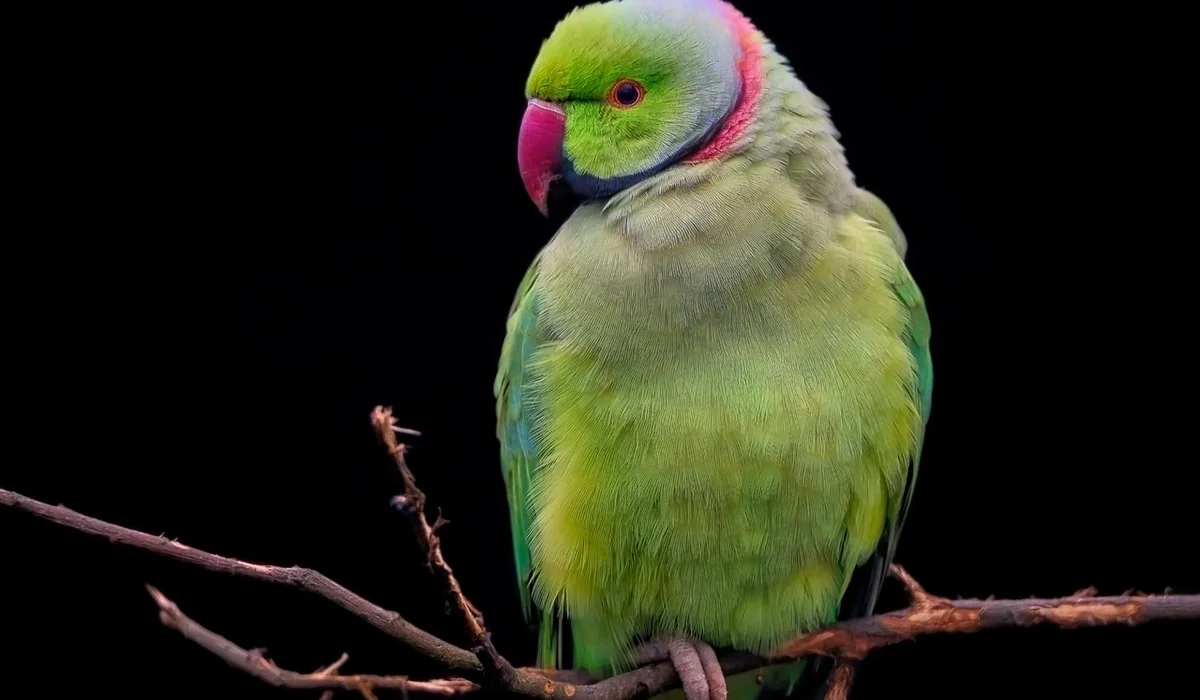
Cage and Habitat Setup
Where you place your parrot’s cage can dramatically affect their willingness to chat. I found my Green-cheeked Conure, Kiwi, stopped her cheerful babbling when her cage was moved to a quieter, less active part of the house. Parrots are flock animals; they want to be where the “flock” activity is.
Ensure the cage isn’t in a direct draft, isn’t blasted by direct sunlight for hours, and is away from the intimidating glare of a television. A stressed parrot from a poor environment is often a silent parrot, as they feel too insecure or anxious to vocalize. When choosing housing, consider parrot cage requirements for size and species. A cage large enough for the bird to stretch and play, with appropriate bar spacing, helps ensure comfort. Your bird needs to feel safe and part of the family action to feel like talking.
- Place the cage in a busy family room, not a lonely hallway.
- Avoid locations with sudden, loud noises from appliances.
- Make sure the cage is large enough for free movement and wing-stretching.
Socialization and Bonding Gaps
Parrots are incredibly social, and a change in your routine can make them clam up. When I started a new job with longer hours, my Sun Conure, Sunny, became much quieter for a few weeks until we re-established our rhythm. They thrive on predictable, positive interaction. For your new parrot’s first day home, a simple step-by-step survival guide can help you ease the transition. It gives you a calm routine and helps build trust from day one.
If you’ve been busier than usual or your household dynamics have shifted, your parrot might be feeling left out. Silence can be a parrot’s way of showing they feel disconnected from you, their chosen flock member. They need to feel secure in your bond to perform behaviors like talking.
- Schedule 15-30 minutes of dedicated, one-on-one out-of-cage time daily.
- Talk to them frequently throughout the day, even if it’s just narrating your chores.
- Offer head scratches and gentle preening sessions to reinforce your bond.
Boosting Motivation and Reducing Boredom
Toys and Enrichment Activities
A bored parrot is an unmotivated parrot. My African Grey, Sage, will literally give me the “silent treatment” if I get lazy about rotating his puzzle toys. Mental stimulation is just as critical as physical space for their well-being.
Introduce a variety of textures and challenges. Rotating toys every week or two prevents habituation and keeps your parrot’s environment novel and exciting, which encourages vocal play. Foraging toys that make them work for a treat are especially effective. These strategies align with the ultimate guide foraging enrichment, helping enrich your parrot’s diet through active foraging. By turning play into foraging challenges, you promote a more varied and nutritious diet.
- Provide shreddable toys made of palm leaves or cardboard.
- Include foraging toys where they have to unscrew a lid or lift a flap for a nut.
- Offer different perches with varying diameters and textures.
Training Techniques for Speech
Teaching speech isn’t just about repetition; it’s about making it a fun, rewarding game. I always have the most success when training feels like a playful session, not a drill for my parrots. Keep sessions short, positive, and full of enthusiasm.
Focus on one or two simple words or sounds at a time. The key is massive, immediate reward with a favorite treat the very instant they make any attempt at the sound, even if it’s not perfect. This builds a positive association with trying to vocalize.
- Choose a quiet time when your parrot is alert and hungry for treats.
- Say the target word clearly and with excitement, like “Hello!”
- Instantly reward any mimicking attempt with a tiny, high-value treat like a piece of pine nut.
- Keep sessions to just 5 minutes, once or twice a day.
When to Seek Professional Help
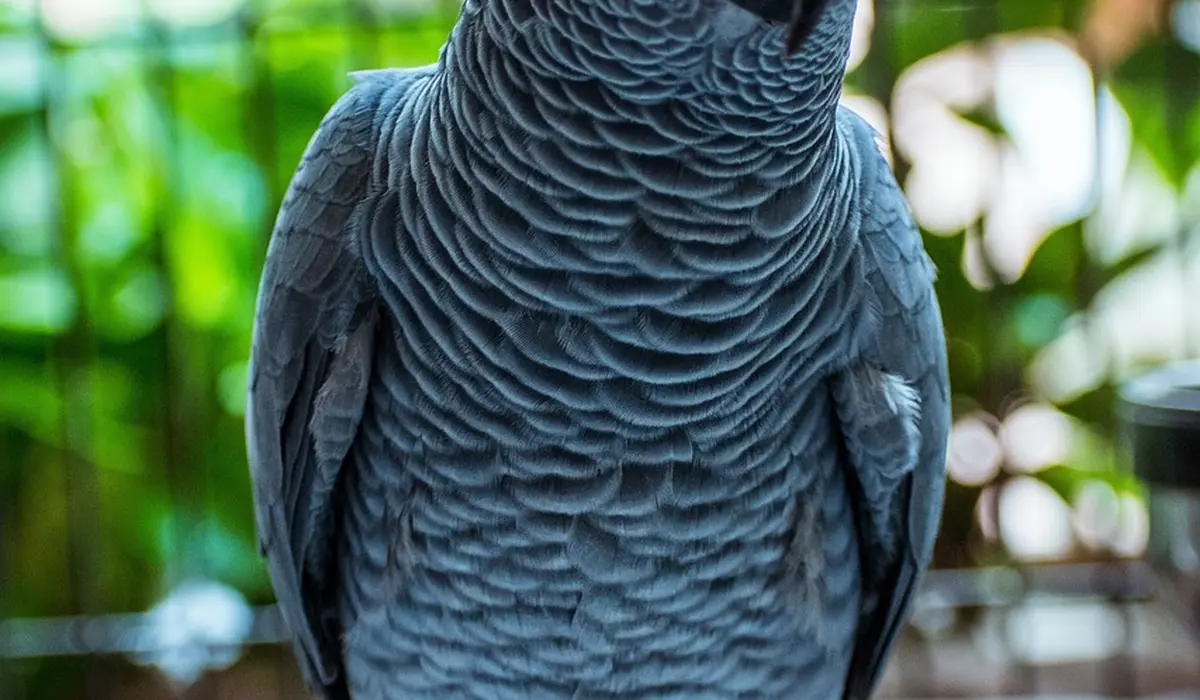
Veterinary Care Essentials
If your parrot suddenly stops talking, it might signal an underlying health issue that needs immediate attention. I noticed this with my Green-cheeked Conure, Kiwi, when he grew unusually quiet and lost his playful spark-a vet visit uncovered a respiratory infection. Scheduling a check-up right away can catch problems like infections, nutritional deficiencies, or respiratory issues before they worsen. Look for other red flags like changes in appetite, droppings, or energy levels. Here’s what to do:
- Book an appointment with an avian-savvy vet for a full exam.
- Bring a fresh droppings sample to test for parasites or illness.
- Note any recent diet or environment changes to share with the vet.
From my years caring for parrots, I’ve learned that early intervention often leads to quicker recovery and happier birds.
Consulting a Parrot Behaviorist
When health checks come back clear but your parrot remains silent, a behaviorist can offer insights into emotional or environmental factors. My Sun Conure, Sunny, stopped his cheerful chatter after a move, and a behaviorist helped us adjust his surroundings to reduce stress. Behaviorists assess things like cage placement, social interactions, and past trauma to create a customized plan. They might suggest:
- Gradual desensitization to new sounds or people.
- Positive reinforcement techniques to rebuild vocal confidence.
- Environmental tweaks, like adding perches or reducing noise.
Investing in this support not only addresses vocal issues but strengthens your bond through understanding your parrot’s unique personality.
Prevention and Long-Term Care Strategies
Routine and Consistency Tips
Parrots, like my African Grey Sage, flourish with predictable daily rhythms that make them feel secure and encourage natural behaviors like talking. Sticking to a regular schedule for feeding, playtime, and sleep minimizes stress and keeps your parrot engaged. For instance, I feed Sage at the same times each day and maintain a calm evening routine to help him wind down. Being mindful of common parrot feeding mistakes—such as overreliance on seeds, sugary treats, or inconsistent meal times—helps Sage stay healthy. Avoiding these errors makes the regular feeding routine more effective. Try these steps:
- Set fixed times for meals and interaction-consistency builds trust.
- Use visual cues, like turning off lights at night, to signal rest periods.
- Avoid sudden changes in household noise or activity levels.
Small adjustments can make a big difference in preventing vocal drop-offs over time.
Ongoing Enrichment and Monitoring
Keeping your parrot mentally stimulated is key to long-term vocal health and overall happiness. I rotate toys weekly for Kiwi and introduce new sounds or puzzles to mimic the variety he’d find in the wild. Regular enrichment fights boredom, a common culprit behind silent spells, and promotes natural chatter. If you’re wondering why my parrot is bored, I can help; boredom is often a sign he needs more mental challenge. Adding new activities and variety can revive his natural chatter. Monitor your parrot’s behavior closely for subtle shifts—like reduced interaction or feather plucking—that might indicate issues. Here’s how to stay proactive:
- Swap out toys and perches to spark curiosity and prevent monotony.
- Engage in daily training sessions with treats to reinforce talking.
- Keep a simple journal to track vocal patterns and mood changes.
By staying attentive and creative, you’ll help your parrot thrive for years to come.
FAQs
Can a parrot’s loss of speech be permanent?
Permanent loss is rare and typically only results from severe issues like neurological damage or untreated chronic illness. With appropriate veterinary care and environmental adjustments, most parrots can recover their talking ability over time. For senior parrots, specialized health care and regular veterinary checkups are essential to monitor aging-related changes. Tailored care plans focusing on nutrition, weight management, and enrichment support recovery and overall well-being.
What should I do if my parrot stops talking suddenly without any obvious cause?
Start by scheduling a vet visit to check for hidden health problems such as infections or pain. If health is clear, review recent household changes or stressors that might have gone unnoticed and adjust accordingly.
Are some parrot species more likely to stop talking than others?
Yes, species with higher intelligence and social needs, like African Greys or Amazons, may be more sensitive to changes that cause vocal silence. However, any talking parrot can experience periods of quiet due to individual personality or environmental factors.
Closing the Loop
If your parrot has gone quiet, always start with a vet visit to rule out health problems. Look closely at their environment for any new stressors, changes in routine, or boredom that could be causing the silence. Sometimes, they just need more time, patience, and positive interaction from you to find their voice again.
Caring for a parrot is a long-term commitment to their physical and emotional health. Keep learning about their unique needs and behaviors; your dedication is the key to a happy, chatty companion for years to come.
Further Reading & Sources
- r/parrots on Reddit: My parrot has not talked yet after 6 months of ownership
- 10 Reasons Your Parrot Stopped Talking – Housely
- Why Has My African Grey Parrot Stopped Talking? Expert Answers
Suzanne Levine is a dedicated parrot enthusiast and experienced avian caregiver with over 15 years of hands-on experience in parrot care. As the founder of Parrot Care Central, Suzanne is passionate about sharing her knowledge and insights to help fellow parrot owners provide the best possible care for their feathered friends. Her expertise spans nutrition, behavior, health, and enrichment, making her a trusted resource in the parrot care community.
Health & Wellness