
How to Train Your Parrot to Fly and Return (Recall Training)
Are you worried your parrot might fly off and never come back? That heart-sinking fear is something I’ve felt too, especially with my playful Green-cheeked Conure, Kiwi, who loves to explore.
I’ll help you turn that anxiety into confidence by breaking down recall training into simple, bird-friendly steps. Key points we’ll cover:
- Building a strong bond so your parrot wants to return
- Using positive reinforcement with treats and praise
- Practicing safely to prevent escapes or injuries
You’ll get clear, easy-to-follow advice that’s worked for my flock. Topics: bonding basics, recall commands, training environments, common mistakes, safety measures, advanced tips
What Is Parrot Recall Training and Why Bother?
Parrot recall training is teaching your bird to fly to you on command, much like teaching a dog to come when called. This ties into the broader idea that pet parrots learn to do things on cue. With consistent practice, they can master more tricks and tasks.
This builds a powerful two-way communication channel where your parrot learns to trust your guidance.
- It transforms your relationship from simple caretaker to trusted flight partner.
- Your parrot gets essential cardiovascular exercise that cage life can’t provide.
- It’s a fantastic mental workout, turning your living room into a stimulating playground.
I saw this firsthand with my Green-cheeked Conure, Kiwi. At first, he’d just hop around cautiously.
After a few weeks of recall practice, he’d zip across the room with a playful chirp, landing right on my hand.
Think of it like this: you’re not just calling your bird; you’re inviting them into an adventure.
Getting Your Parrot and Home Ready for Flight Training
Before your parrot takes its first guided flight, a little prep work makes all the difference for safety and success. Here are essential steps to parrot-proof the room for a safe flight. These steps help ensure a calm, controlled first flight for your bird.
A quick health check with your avian vet is non-negotiable to ensure your bird is fit for flight. Annual vet checkups are a key part of a parrot’s preventative care guide, catching problems early. Regular visits help tailor a care plan for your bird.
- Schedule a wellness exam to rule out any underlying conditions.
- Your vet can assess wing feather condition and confirm they are strong for flying.
- Gather your supplies: a target stick for guidance, a clicker for marking behavior, and a stash of high-value treats.
Setting up a safe flight area is your next critical step.
Bird-proofing means covering windows and mirrors, closing doors, and removing ceiling fans from the equation.
- Choose a quiet room with minimal distractions for initial sessions.
- Ensure the space is free from toxic plants, open water sources, and tight spaces where a bird could get stuck.
- Start with very short distances, even just a few feet, to build confidence.
Species matters a great deal here. My conure Kiwi was bold and eager, needing encouragement to be precise.
My African Grey, Sage, was more methodical, requiring patience and proof that each step was safe before committing.
Adjust your pace and expectations to match your individual parrot’s personality and natural flight instincts.
Step-by-Step Guide to Teaching Your Parrot to Fly to You
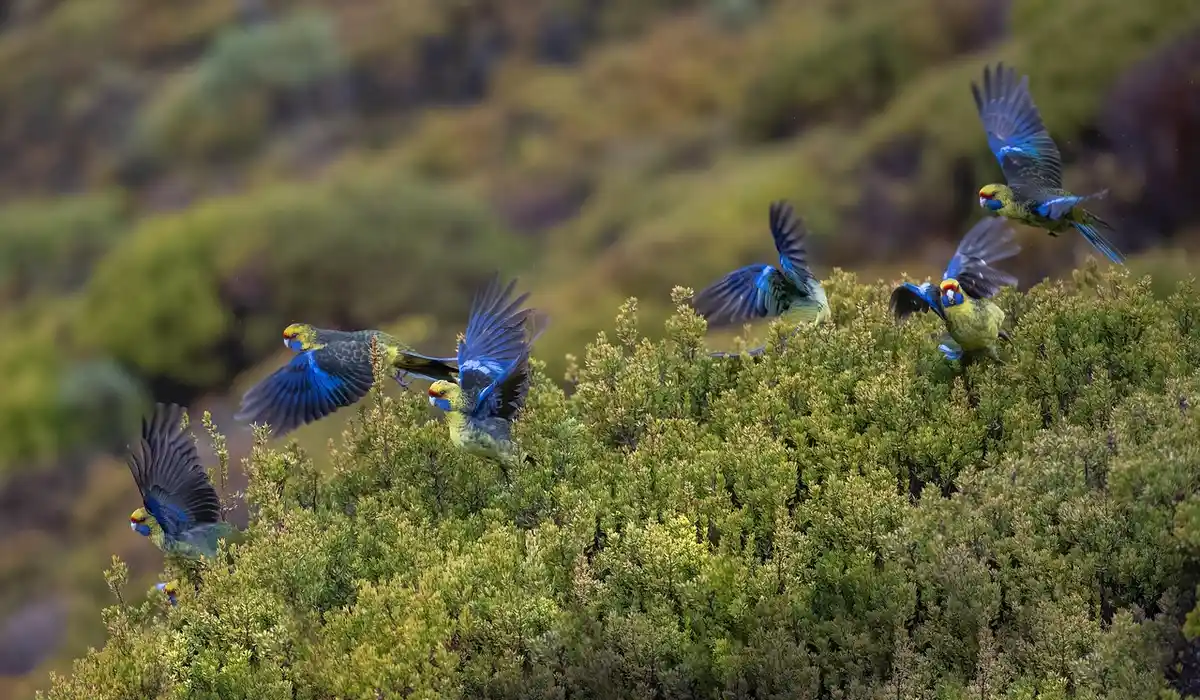
- Start with target training and perch transfers. I began with my Sun Conure, Sunny, by having him touch a small stick with his beak. Once he mastered that, I’d ask him to step from one perch to another right next to it. This builds the foundation for moving toward a specific spot.
- Introduce a recall cue, like a whistle or word. Choose one sound and stick with it. I use a sharp, two-note whistle that cuts through other noises. Sunny learned to associate that sound with flying to me.
- Practice short flights with positive reinforcement. Keep initial distances under three feet. The moment your parrot lands on your hand, give them a favorite treat immediately. This creates a powerful link between the action and the reward.
- Gradually increase distance and complexity. Once they’re nailing short flights, add a foot of distance. Later, you can practice in different rooms or with mild distractions. I saw Sunny’s confidence soar as we slowly expanded his flight zone.
- Share incremental steps from personal experience, e.g., with Sunny the Sun Conure. With Sunny, we spent two weeks just on perch transfers before even trying a one-foot flight. Rushing only leads to confusion. Celebrate every tiny success-it makes the journey enjoyable for both of you.
Key Techniques for Rock-Solid Recall
- Detail clicker training and treat rewards. A clicker marks the exact moment your parrot does the right thing. The instant their feet touch your hand, click and give a high-value treat like a piece of walnut. This clarity speeds up learning tremendously.
- Explain shaping behavior with gradual steps. You don’t start with a 20-foot recall. Shape the behavior by rewarding small improvements-first looking at you, then a hop, then a short flight. This builds a reliable behavior piece by piece.
- Cover cue training variations, like voice or whistle cues. Whistles are great for loud environments, while a specific word like “Come!” works indoors. Test what your parrot responds to best and use it consistently every single time.
- Discuss consistency and patience in daily practice. Short, daily 5-minute sessions are far better than one long weekly drill. Parrots thrive on routine, and your steady patience will build a bond of trust that makes training stick.
Using Positive Reinforcement Effectively
- List high-value treats and timing for rewards. My go-to treats are pine nuts, sunflower seeds (sparingly), and tiny bits of dried fruit. The reward must come within one second of the correct action to be effective.
- Describe how to avoid common mistakes. Never punish your parrot for not flying to you-it destroys trust. Also, avoid training when they’re tired or full; you want them motivated and focused.
- Include tips for building confidence through small wins. End each session on a success, even if you have to shorten the distance. This leaves your parrot feeling accomplished and eager for the next session.
Target and Whistle Cue Methods
- Explain how to introduce a target stick. Present the stick and reward any interaction with it, like a peek or touch. Gradually, only reward full beak touches. Soon, your parrot will follow the stick anywhere, guiding their flight path.
- Outline steps for pairing a whistle with flight. Blow the whistle right before you know they’ll fly to you (like at feeding time), then reward. Repeat until they connect the sound with the action and reward.
- Share examples from training Sage the African Grey. Sage was cautious at first. I used a target stick to guide her just a few inches, pairing each successful move with a whistle and a pistachio. Her brilliant mind quickly grasped the pattern, and now she flies across the room on cue.
How Long Does Recall Training Take?
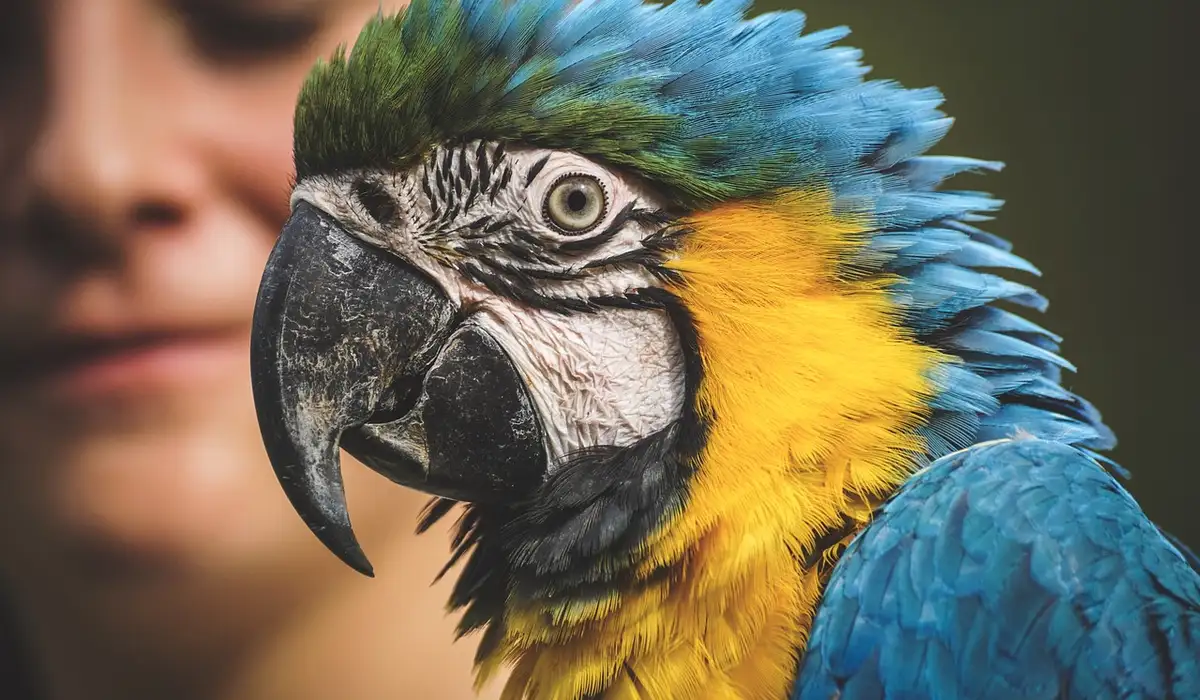
Training timelines vary wildly between parrots, but I’ve found most birds start showing progress within a few weeks of daily practice. Younger parrots like my Green-cheeked Conure, Kiwi, often pick up recall faster because they’re naturally curious and less set in their ways compared to older birds. You can read more about realistic training timelines for parrots.
- Baby parrots (under 1 year) may learn basic recall in 2-4 weeks with consistent sessions.
- Adult parrots (1-10 years) might need 1-3 months, especially if they’ve never flown to a person before.
- Older or rescued birds can take several months, as trust-building is part of the process.
Species personality plays a huge role too. My Sun Conure, Sunny, was eager to please and learned quickly, while my African Grey, Sage, needed more mental stimulation to stay engaged. Consistency is your best friend here-skipping days can really set you back.
Individual factors like your parrot’s past experiences, daily mood, and even diet influence learning speed. A stressed or bored bird won’t focus as well.
Sample Practice Schedule for Beginners
Start small to avoid overwhelming your parrot. Here’s a routine that worked well for me:
- Week 1: Practice 5-minute sessions, twice daily, in a small, quiet room. Use a familiar perch and high-value treats.
- Week 2: Increase to 10-minute sessions, introducing slight distances (1-2 feet).
- Week 3: Add gentle distractions, like soft music, to simulate real-world environments.
- Week 4: Test recall from different rooms, always ending on a positive note with praise.
I saw Kiwi master short-distance recalls in about three weeks, but Sage needed two months to feel confident. Patience pays off more than rushing ever will.
Keeping Your Parrot Safe During Flight Training
Safety isn’t just a precaution-it’s the foundation of trust. I always double-check the environment before any flight session, both indoors and outdoors.
- Indoor training: Use a room with closed doors, covered windows, and no ceiling fans. Remove toxic plants or open water sources.
- Outdoor training: Only attempt in a fully enclosed aviary or with a secure harness. Never let your parrot fly freely outside without these safeguards.
If your parrot shows fear or aggression, stop immediately. I’ve had Sunny get spooked by a sudden noise; forcing her to continue would have broken her trust. Watch for body language like pinned eyes, fluffed feathers, or loud squawking-these signal stress. Learning how to calm a scared or stressed parrot is essential for trust-building.
Steps If Your Parrot Flies Away Accidentally
Stay calm and act quickly. Here’s what I’ve done in scary moments:
- Keep visual contact and call their name in a happy, upbeat tone.
- Bring their favorite treat or toy to lure them back.
- If they don’t return, alert neighbors and post on local lost-pet networks immediately.
- Place their cage outside with food and water-the familiar sight can guide them home.
Prevention is always better than reaction. Advocating for animal welfare means putting their safety above our desire for quick progress.
Preventing Flight Risks
Simple habits can prevent most accidents. I’ve made it a rule to secure windows and doors before any training-even quick sessions.
- Install screens on all windows and use child-proof locks on doors.
- Close curtains during training to prevent your parrot from flying toward reflections.
Avoid training when your parrot seems stressed, tired, or ill. I skip sessions if Sage is molting or Kiwi is unusually quiet. Bonding reduces escape attempts because a happy parrot wants to stay with you. Regular, routine training helps address common behavioral issues by reinforcing calm, cooperative behavior. It also gives your parrot predictable routines that reduce stress and prevent escalation.
Spend non-training time cuddling, talking, or playing together. The stronger your bond, the less likely they’ll fly off in fear or confusion.
FAQs
What is parrot recall training?
Parrot recall training focuses on teaching your bird to fly back to you reliably when called. It helps build a strong bond and ensures safe, controlled flight experiences. In positive reinforcement training for parrots, you reward successful recalls with treats, praise, or a favorite toy, reinforcing the behavior. This humane approach makes recall training enjoyable for both you and your bird.
How can I train a parrot to recall commands?
Begin by introducing a consistent cue, such as a whistle or specific word, during short flight practices. Always reward successful returns immediately with treats to reinforce the desired behavior.
How long does parrot recall training typically take?
Training timelines vary, but many parrots learn basic recall within a few weeks of consistent daily sessions. Factors like the bird’s age, species, and prior experience can influence how quickly they progress. For beginners, target training is a foundational skill that helps establish consistent cues and reinforce desired behaviors. A beginner’s guide to target training walks you through starting with a simple target and building from there.
Closing the Loop
We’ve covered the essential steps: Recall training is a journey of trust, starting in a safe room and building up with irresistible treats and a consistent cue. Your patience and positivity are the most powerful tools you have to teach your parrot that flying back to you is the best decision they can make. For advanced recall training, proofing indoors tests your parrot’s flight skills in real home settings. Gradually add varying rooms, distractions, and lighting to strengthen the cue and response.
This journey doesn’t end with a successful flight; it’s a lifelong commitment to understanding your parrot’s needs and ensuring their environment is both stimulating and secure. In practice, this means creating a safe, stimulating indoor flight environment for your parrot—think secure spaces, varied perches, and engaging toys. Schedule short, supervised flight sessions to let them explore safely and stay active. Keep learning, stay curious about their world, and you’ll be rewarded with a deep, trusting bond with a truly remarkable, thriving, and independent spirit.
Further Reading & Sources
- Indoor Recall Training | LibertyWings.com
- How to teach your pet parrot recall – ExoticDirect
- Trained Parrot Blog – How to Teach Parrot Flight Recall
Suzanne Levine is a dedicated parrot enthusiast and experienced avian caregiver with over 15 years of hands-on experience in parrot care. As the founder of Parrot Care Central, Suzanne is passionate about sharing her knowledge and insights to help fellow parrot owners provide the best possible care for their feathered friends. Her expertise spans nutrition, behavior, health, and enrichment, making her a trusted resource in the parrot care community.
Obedience Training