Can African Grey Parrots Talk? Unraveling Their Speech Secrets
Have you ever watched an African Grey Parrot mimic words perfectly and wondered if yours could ever do the same? You might be doubting if it’s even possible or feeling overwhelmed by where to begin with training.
I’ve spent years caring for my African Grey, Sage, and I’m excited to share insights that clear up the mystery. We’ll dive into three core aspects:
- How their unique brain and vocal structures enable speech
- The step-by-step process they use to learn and mimic sounds
- Practical, welfare-focused tips to encourage talking without stress
You’ll walk away with straightforward guidance that respects your parrot’s well-being. Key topics include: vocal anatomy, learning stages, training techniques, common challenges, and ethical considerations.
The Incredible Speech Skills of African Grey Parrots
My African Grey, Sage, didn’t just repeat words; she used them with purpose. I’d hear her mutter “Time for bed” around 9 PM, then shuffle toward her cage. African Greys don’t just mimic sounds-they often understand and apply them contextually. This level of cognitive association is what separates them from many other talking birds.
Their vocabulary can be immense. While some parrots learn a handful of phrases, Greys frequently master hundreds of words. The key isn’t just the number of words, but the clarity and accuracy of their pronunciation. They reproduce the tonal nuances and inflections of human speech with astonishing fidelity, often more so than other parrot species.
- Large, diverse vocabularies often exceeding 100 words
- Clear, human-like pronunciation and tone
- Ability to associate words with specific objects, actions, or people
- Skill in using phrases appropriately in social contexts
- Capacity to learn and mimic various household sounds
Why African Greys Excel at Mimicking Human Speech
I’ve always been fascinated by what’s happening inside Sage’s head when she talks. Their brains are simply built for this. African Grey Parrots possess a significantly larger region in their brains dedicated to vocal learning compared to other parrot species. This specialized neural hardware acts like a super-computer for processing and reproducing complex sounds. This helps explain why parrots can mimic human speech sounds. Parrots, especially African Grey Parrots, can imitate human speech with surprising accuracy.
Their social nature drives this ability. In the wild, Greys live in large, complex flocks where vocalizations are crucial for social bonding and survival. Your home becomes their new flock, and your speech becomes their new social language. They aren’t just making noise; they are actively trying to communicate and integrate with their family unit.
- Advanced Brain Structure: Enhanced vocal control centers allow for precise sound modulation.
- Complex Social Needs: Mimicry is a tool for bonding and interaction within their perceived flock.
- Exceptional Problem-Solving Intelligence: They connect words to outcomes, learning that certain phrases get specific results.
- Keen Auditory Perception: They can discern subtle differences in sound that many other animals miss.
This combination of neurological hardware and social software makes them the ultimate avian linguists. They aren’t just parroting words; they are engaging in a primitive form of cross-species dialogue. It’s a profound reminder of the intelligence we are responsible for when we invite these creatures into our lives.
Factors That Shape Your Parrot’s Talking Potential
Age and Its Role in Speech Development
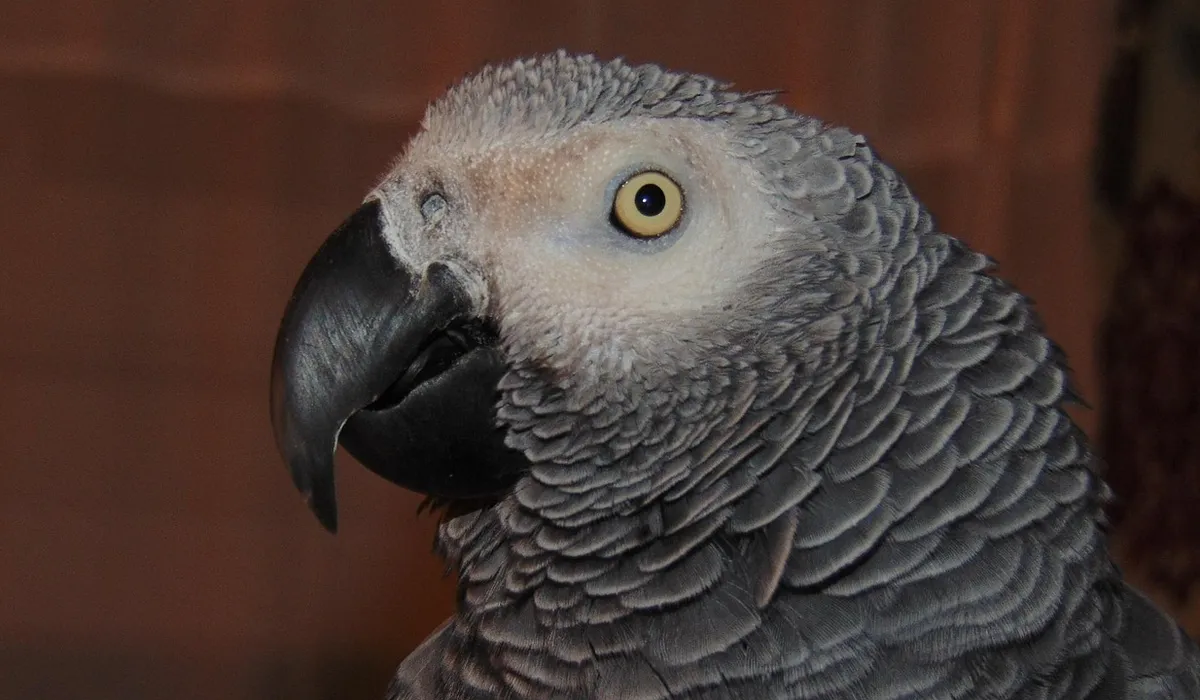
Young African Greys are like sponges, ready to soak up sounds and words from their environment. I’ve found that the most receptive period for learning starts around 6 to 12 months old and can extend for several years. My Sage began mimicking household noises at just 8 months old. While older parrots can still learn, their brains are most plastic and eager during those early developmental stages.
Don’t worry if your mature parrot seems set in its ways. Consistent interaction and training can still unlock new vocabulary, even in adult birds. It just might require a little more patience and creativity on your part. You can teach your parrot various tricks and skills with the right approach.
Does Gender Matter in Talking Ability?
This is a question I get all the time, and the answer might surprise you. Both male and female African Greys possess the incredible capacity for speech and complex vocalization. In my experience with various parrots, I haven’t seen a consistent, significant difference in talking ability based on gender alone. So, when people ask which gender fits better as a talking companion, the answer is that it depends on the individual bird and the care it receives. Neither gender is universally better—the better fit is determined by personality, training, and bond more than sex.
Individual variation is far more important. A parrot’s inherent curiosity, its bond with you, and its overall environment are much stronger predictors of its chattiness than its sex. Focus on the individual bird’s personality, not its gender, when assessing its potential. That uniqueness is what makes parrots unique among pets. Their personalities can be as varied as their plumage.
Personality and Environment Influences
Just like people, every parrot has a unique personality. My Sage is naturally calm and observant, which made him a fantastic listener and learner. A parrot that feels safe, stimulated, and deeply bonded with its human family is far more likely to engage in conversation and showcase its intelligence and senses.
Your home environment plays a starring role. Consider these key factors:
- Social Interaction: Birds are flock animals. A lonely parrot is often a quiet parrot.
- Mental Stimulation: Provide puzzles, foraging toys, and rotation of perches to keep their mind active.
- Household Atmosphere: A calm, predictable home reduces stress, making your parrot more receptive to learning.
- Routine: Parrots thrive on knowing what to expect each day, which builds the confidence needed to try new things like talking.
A stressed or bored bird will rarely feel motivated to learn your language. Their well-being is the absolute foundation for any successful speech training.
How to Teach Your African Grey to Talk: A Step-by-Step Guide
Choosing the Right Words and Phrases
Start simple and make it fun! I always begin with short, high-energy words that have clear vowel and consonant sounds. “Hello,” “good,” and their own name are perfect launching points.
Think about what you say most often throughout the day. Your parrot hears it all.
- Greetings: “Hello,” “Hi,” “Good morning”
- Action Words: “Step up,” “Want some?”
- Names: Their name, your name, other pets’ names
- Fun Sounds: Whistles, laughter, kissing noises
Choose words you will be happy to hear repeated a hundred times a day. Trust me on this one!
Creating a Consistent Training Routine
Parrots learn through repetition in a positive setting. This is a form of positive reinforcement training for parrots. Short, daily sessions of 5-15 minutes are far more effective than one long, exhausting lesson. Rewards help reinforce the desired behaviors and keep Sage motivated. I work with Sage first thing in the morning when he’s most alert and hungry.
Follow these steps for an effective routine:
- Find a quiet space with minimal distractions.
- Hold a training session at the same time each day.
- Say your chosen word clearly and enthusiastically several times.
- Pause and look at your parrot expectantly.
- Be patient. It might take days or weeks for them to attempt the sound.
Consistent routines help address common behavioral issues by providing predictable structure. Routine training channels energy into positive behaviors.
Consistency tells your parrot that this is an important and rewarding part of their day. They will start to look forward to this special one-on-one time with you.
Using Rewards and Positive Reinforcement
This is the magic ingredient! The moment your parrot makes any attempt at the sound or word, you must immediately reward them. I keep a small bowl of Sage’s absolute favorite treats-in his case, tiny pieces of walnut-reserved only for training.
Your reward can be:
- A tiny, coveted food item (pine nut, piece of almond)
- Hearty verbal praise (“Good bird!”)
- A head scratch or physical affection
- Access to a favorite toy for a moment
Never punish or show frustration if they don’t get it right. Training should always be a happy, positive game that strengthens your bond. The goal is to make them *want* to talk to you.
When Can You Expect Your African Grey to Start Talking?
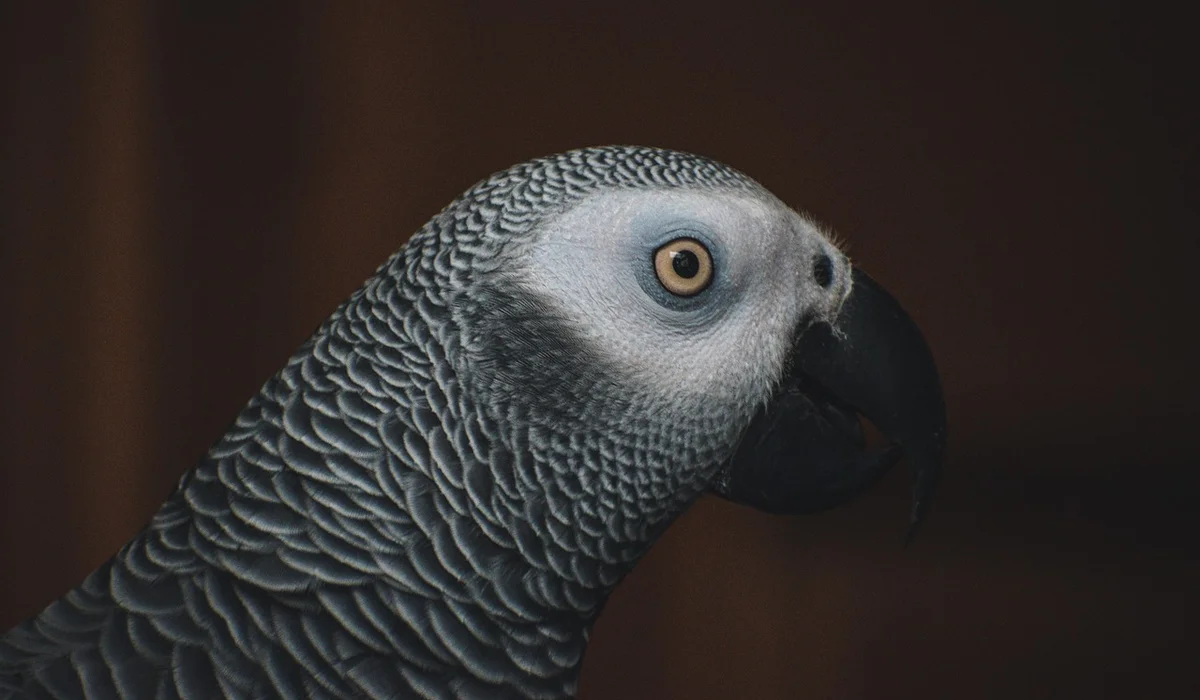
Patience is your best friend here. Most African Greys begin experimenting with sounds around 12 to 18 months old, but the first clear words often pop up closer to their second birthday. My Sage surprised me with a perfect “hello” at 18 months, but every bird marches to their own drumbeat. Some are chatterboxes by one year, while others take a more thoughtful approach and start closer to three years. Don’t stress if your feathered friend seems like a quiet observer at first; they’re absorbing everything like a tiny, feathered sponge.
Their environment plays a huge role. A parrot surrounded by frequent, clear conversation in a stimulating home will typically start vocalizing sooner than one in a quieter setting. I made a point of talking directly to Sage daily, naming his toys and describing my actions. It felt silly narrating “I’m making coffee” for months, but that consistency paid off when he started repeating those phrases with perfect context.
Exploring the Sounds and Vocabulary of African Greys
Common Words and Phrases They Master
African Greys don’t just mimic; they learn to use words appropriately. You’ll often hear them master greetings, names of family members, favorite foods, and simple questions. Sage’s early vocabulary included “Step up,” “Good bird,” and the names of everyone in our household. Their ability to connect words with meaning is what truly sets them apart from other talking parrots.
- Greetings and farewells: “Hello,” “Good morning,” “Bye-bye”
- Interaction phrases: “Step up,” “Want some?” “Scratch?”
- Household sounds: Phone rings, microwave beeps, doorbells
- Emotional expressions: Laughter, crying sounds, “Oh no!”
Beyond Speech: Imitating Sounds and Singing
Their talent goes far beyond dictionary words. African Greys are master sound effect artists, perfectly replicating everything from creaking doors to ringing phones. For weeks I kept answering a phantom phone until I realized Sage had mastered my ringtone. They also pick up musical phrases and can whistle entire songs. My Grey sometimes mixes phrases into his own little songs, creating unique parrot melodies that are utterly charming.
This sound imitation extends to emotional cues too. They’ll mirror your laughter when you’re happy and might even make sympathetic sounds when you’re upset. I’ve had Sage “comfort” me with soft clucking sounds when I was feeling down, showing an emotional intelligence that still amazes me.
Handling Inappropriate Language
Every parrot owner fears that one unfortunate word slipping out during polite company. The absolute best strategy for inappropriate language is complete, immediate ignoring – no reaction, no eye contact, no correction. These birds thrive on attention, and any reaction (even negative) reinforces the behavior. When my friend’s Grey picked up a curse word from television, we all practiced stone-faced indifference until the bird lost interest.
Prevention beats cure every time. Be mindful of your own language and what’s playing on your television, especially during your parrot’s peak learning hours in the morning and evening. If they do pick up something unfortunate, consistently redirect with a preferred phrase or sound. I taught Sage to say “Oh, crackers!” instead of something saltier, and now that’s his go-to exclamation.
FAQs
Can I find African Grey Parrots for sale that are already talking?
It is possible to find African Greys for sale with some speech training, but this is not common. Always prioritize adopting from ethical breeders or rescues that focus on the bird’s overall health and well-being.
How can I record a good video of my African Grey Parrot talking?
Choose a quiet, familiar setting and keep your camera steady during their active vocal periods, like mornings. Avoid making sudden movements or noises to encourage natural talking behavior for the recording.
Why might an African Grey Parrot talk about dying?
African Greys may mimic phrases about death if they frequently hear them in their environment, such as from media or household conversations. This mimicry does not indicate comprehension but rather their ability to copy salient sounds.
Why do African Grey Parrots pick up swear words easily?
Swear words are often expressed with heightened emotion, making them stand out and easier for parrots to remember and imitate. Their social intelligence drives them to replicate sounds that elicit strong reactions from people.
How does the talking ability of African Grey Parrots develop as they age?
Younger African Greys tend to learn new words quickly and may build a large vocabulary during their early years. This rapid learning helps explain why African Grey parrots are widely regarded as among the most intelligent birds. Older parrots can continue to learn with patience and consistent training, often retaining and using speech effectively throughout their lives. Their cognitive abilities, including problem-solving and social learning, help reinforce their reputation as smart, highly intelligent parrots.
Final Words
Teaching your African Grey to talk hinges on daily, patient interactions using clear repetition and treats for encouragement. From my experience with Sage, my own African Grey, I found that short, fun sessions where I mimicked sounds and praised her efforts made all the difference in her vocabulary growth. Always create a stress-free environment to boost their confidence and willingness to engage.
Owning a parrot like an African Grey is a lifelong journey that demands dedication to their physical and mental health. Advocating for animal welfare means providing a spacious cage, balanced diet, and plenty of toys, while continuously learning about their needs through reliable sources and communities. Using an African Grey size and weight care guide helps you monitor their growth and adjust care as they age. This practical resource complements your commitment to their well-being. Your commitment ensures a happy, chatty companion for years to come.
Further Reading & Sources
- Alex (parrot) – Wikipedia
- r/likeus on Reddit: African Grey parrot practices speaking
- * Einstein the famous talking African Grey Parrot! * – YouTube
Suzanne Levine is a dedicated parrot enthusiast and experienced avian caregiver with over 15 years of hands-on experience in parrot care. As the founder of Parrot Care Central, Suzanne is passionate about sharing her knowledge and insights to help fellow parrot owners provide the best possible care for their feathered friends. Her expertise spans nutrition, behavior, health, and enrichment, making her a trusted resource in the parrot care community.
African Grey Parrots