
Can Parrots Regrow Feathers and Beaks? Avian Regeneration Explained
Published on: February 1, 2026 | Last Updated: February 1, 2026
Written By: Suzanne Levine
If you’ve ever seen your parrot with a broken feather or a chipped beak, your first thought was probably pure panic. I’ve been there too, staring at my Green-cheeked Conure Kiwi after a clumsy landing, heart pounding as I examined what looked like a serious injury.
Let me put your mind at ease by walking you through exactly how a parrot’s body heals. We’ll cover the key facts you need to know.
- Feathers can fully regrow, but the process is delicate and requires proper nutrition.
- Beaks constantly grow and can repair minor damage, but severe injuries need a vet.
- Your care directly influences how quickly and healthily your bird recovers.
You’ll finish this article with a clear action plan. We’re covering all of it: feather regrowth cycles, beak keratin structure, signs of healthy regeneration, nutritional support, and when to call an avian vet. We’ll also cover how to handle your parrot during vet visit stress reduction. These tips will help you keep your bird calm and cooperative during examinations.
How Parrots Naturally Renew Their Feathers Through Molting
Molting is your parrot’s built-in wardrobe refresh system, replacing old, worn-out feathers with new ones. I’ve watched my Green-cheeked Conure, Kiwi, go through this process yearly, and it’s a fascinating display of nature’s efficiency. This isn’t a single event but a gradual, symmetrical process across the body to maintain flight and insulation.
The entire cycle is governed by hormones and daylight hours, signaling it’s time for renewal. New feathers, called pin feathers, emerge wrapped in a keratin sheath that your bird will carefully preen away. You’ll notice these small, waxy-looking pins appearing, especially around the head and neck where your parrot might need your gentle help.
Spotting a Healthy Molt Versus Problematic Feather Loss
A normal molt follows specific patterns that differ significantly from health issues. Healthy molting shows symmetrical feather loss, with new pin feathers appearing as old ones drop, never creating bald patches. Your parrot remains active, eats normally, and might just seem a bit more preen-focused.
Problematic feather loss sends entirely different signals. Watch for sudden bald spots, broken blood feathers, or behavior changes like excessive scratching-these demand immediate veterinary attention. I once noticed my Sun Conure, Sunny, developing an uneven patch and caught a minor skin infection early because I knew what normal molting looked like.
- Healthy molt: symmetrical pattern, visible pin feathers, normal behavior
- Problem signs: bald spots, bleeding feathers, lethargy, skin irritation
- Emergency flags: persistent bleeding, large bare areas, self-mutilation
Supporting Your Parrot During Molting Seasons
Molting demands extra energy and nutrients for feather production. I boost protein intake during these periods with hard-boiled eggs, legumes, and specially formulated pellets to support keratin development. When planning a base diet, many experts recommend pellets as the cornerstone for balanced nutrition. Seeds can still be used cautiously as treats or supplements. Your parrot might appreciate softer foods too, as handling hard items can feel uncomfortable.
Comfort measures make a tremendous difference during this physically demanding time. Provide warm mist baths or shallow water dishes to help soften those pin feather sheaths for easier preening. Increase humidity slightly if your home runs dry, and offer plenty of quiet resting spots away from household chaos.
- Enhance diet with protein-rich foods and avian-specific supplements
- Maintain proper humidity levels and offer regular misting baths
- Respect their need for extra sleep and reduced handling
- Check for “stuck” pin feathers around the head and neck carefully
Beak Biology: Understanding Parrot Beak Growth and Repair
A parrot’s beak is a living, growing structure made of keratin over bone, constantly renewing itself. My African Grey, Sage, keeps his beak in perfect condition through natural wear from chewing toys and eating, demonstrating this continuous regeneration process. The outer layers gradually flake away while new keratin forms from the base.
This isn’t like human fingernails but a sophisticated tool with blood vessels and nerves in the deeper layers. The beak’s living tissue, called the quick, sits protected beneath the hard outer shell, making minor damage easily repairable through natural growth. Proper beak maintenance requires appropriate textures and materials for natural wearing.
Common Beak Injuries and How They Heal
Minor chips and cracks happen frequently in active parrots and typically resolve naturally. Small fractures that don’t reach the quick will gradually grow out and flake away as new keratin forms beneath. I’ve seen Kiwi take a small beak chip from an over-enthusiastic toy encounter that completely disappeared within weeks.
More significant injuries involving the quick require professional intervention. Bleeding beak injuries need immediate styptic powder application and veterinary assessment to prevent infection and ensure proper healing alignment. Deep cracks can sometimes be bonded by avian specialists, similar to how dentists repair teeth.
- Minor chips: natural growth resolves within weeks
- Cracks into quick: require cleaning and possible bonding
- Fractures: may need splinting or specialized repair
- Infections: demand antibiotic treatment and possible debridement
Limits of Beak Regeneration: When Damage Is Permanent
Severe trauma to the growth center at the beak’s base can create permanent damage. When the germinal tissue becomes destroyed, the beak loses its ability to regenerate properly, requiring lifelong management and possible prosthetic solutions. This is why preventing serious injuries through safe environments remains crucial.
Nutritional deficiencies and certain diseases can also impair normal beak regeneration. Liver disease, psittacine beak and feather disease (PBFD), or chronic calcium deficiency can all disrupt the keratin production process, leading to abnormal beak growth. Regular veterinary checkups help catch these issues before they cause irreversible changes.
Some beak deformities become management cases rather than fixable conditions. Parrots with permanent beak damage often adapt remarkably well with dietary modifications, regular professional trimming, and environmental adjustments to maintain quality of life. In a complete guide to common parrot health concerns, beak issues are one chapter among many. Understanding these patterns helps owners recognize when to seek professional care. I’ve worked with rescue birds whose beak issues required creative feeding solutions, but they thrived with proper care.
Feather Regrowth After Damage or Plucking
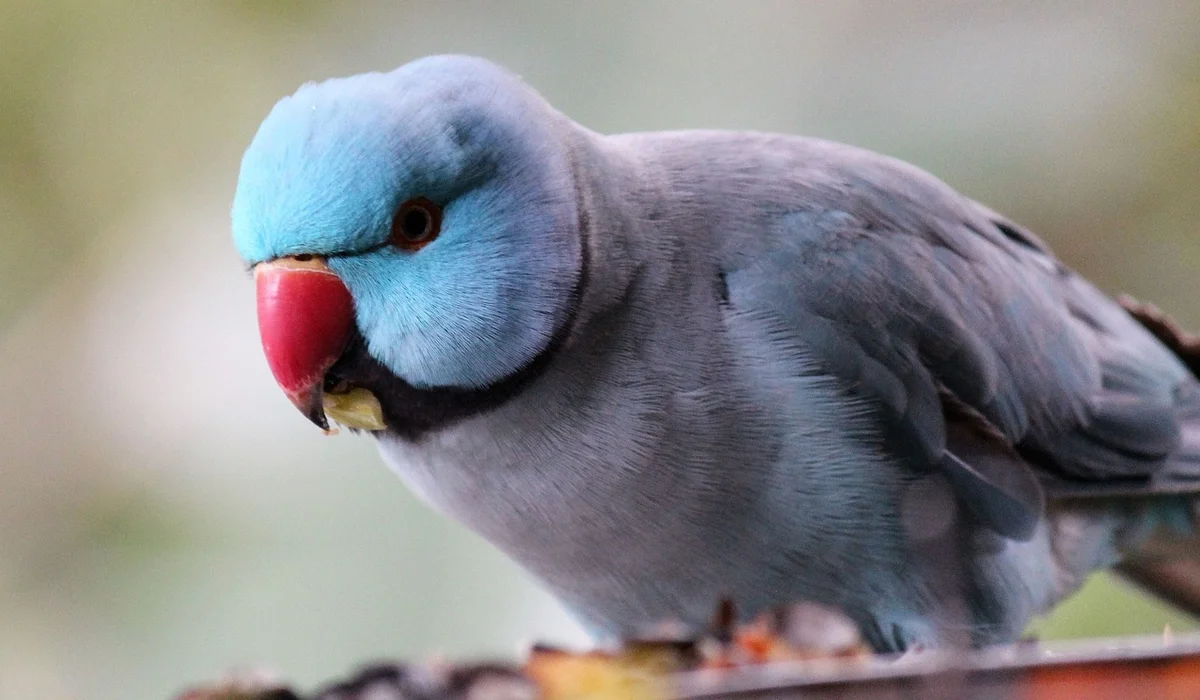
Parrots can regrow feathers after injury or plucking, but it takes time and the right care. Feather regeneration relies on healthy follicles and a stress-free environment to kickstart the process. I’ve seen this with Kiwi, my Green-cheeked Conure, who once lost a few feathers during a playful tumble; within weeks, new ones sprouted with proper attention. For many owners, that care also includes grooming—nail trims, beak checks, and gentle feather maintenance—to keep your parrot comfortable and support ongoing feather health.
Helping Feathers Grow Back Post-Trauma
Supporting feather regrowth starts with reducing stress and providing consistent care. Minimizing anxiety helps prevent further plucking and gives feathers a chance to regenerate naturally. From my experience with Sunny, who’s social and prone to stress, a calm routine made a huge difference.
Follow these steps to encourage healthy feather recovery:
- Ensure a quiet, safe space away from loud noises or other pets.
- Offer enriching toys to distract from plucking behaviors.
- Monitor for infections and consult an avian vet if redness or swelling appears.
- Maintain a stable temperature and humidity to support skin health.
Regular gentle handling can reassure your parrot during this phase. Patience is key, as rushing can lead to setbacks in the regrowth cycle. I learned this with Sage, whose smart nature meant she needed extra mental stimulation to avoid boredom-related damage. Positive reinforcement training can provide the mental stimulation Sage needed while reinforcing calm handling during this phase. Turning handling into a series of small, rewarding steps can make regrowth care more enjoyable for both of you.
Nutrition’s Role in Feather and Beak Health
Diet plays a huge part in how well feathers and beaks regenerate. A balanced diet fuels the body’s repair mechanisms, making nutrients non-negotiable for strong regrowth. General parrot dietary guidelines emphasize a varied, nutrient-dense plan. They typically recommend formulated pellets, fresh vegetables, and occasional fruits, with seeds kept to a minimum and tailored to the parrot’s species and life stage. Over the years, I’ve adjusted my parrots’ meals based on their needs, like adding more protein for Kiwi after feather loss.
Essential Nutrients for Optimal Regrowth
Specific vitamins and minerals are vital for rebuilding feathers and beaks efficiently. Protein is the building block for keratin, the main component of feathers and beaks, so skimping on it slows recovery. I always include high-quality pellets and fresh veggies in their diet to cover the basics.
Focus on these nutrients to support regeneration:
- Protein: Found in legumes, nuts, and eggs-essential for keratin production.
- Vitamin A: Crucial for skin and follicle health; carrots and sweet potatoes are great sources.
- Calcium: Strengthens beak structure; offer cuttlebone or dark leafy greens.
- Omega-3 fatty acids: Reduce inflammation and promote shiny feathers; flaxseeds or chia seeds work well.
Hydration is often overlooked but critical for nutrient absorption. Fresh water daily ensures these elements reach where they’re needed most for repair. With Sunny’s vibrant plumage, I’ve seen how a hydrated diet keeps feathers from becoming brittle and prone to breakage.
The Science of Avian Regeneration: How Parrots Heal
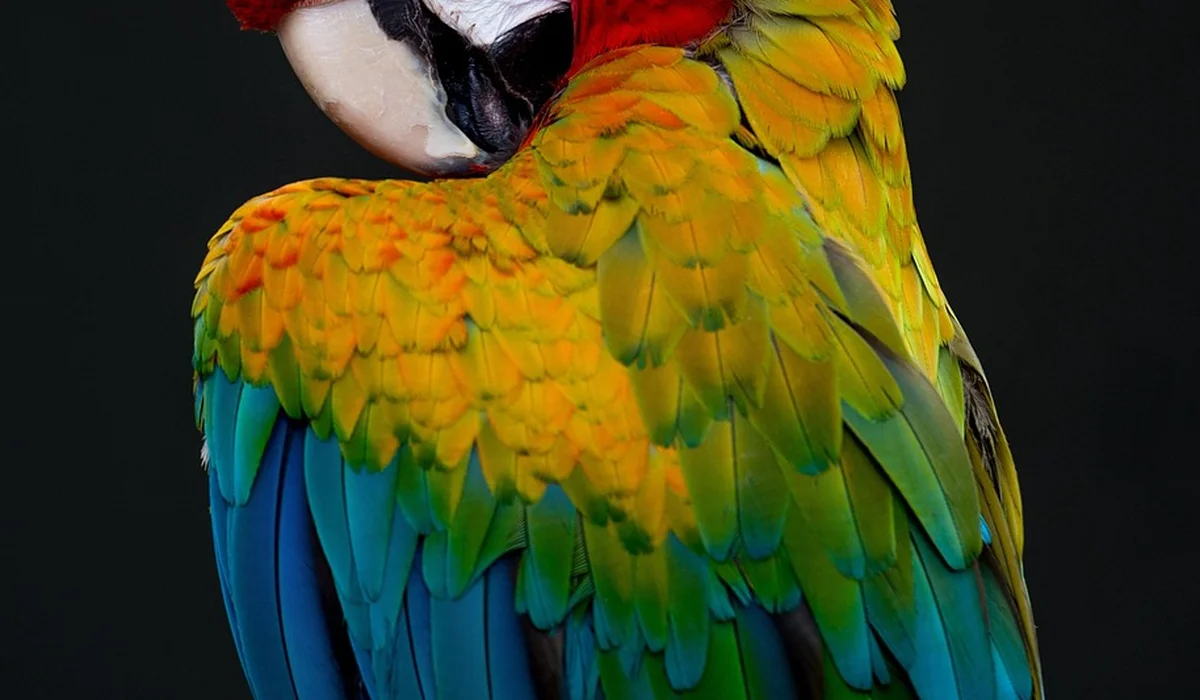
Parrots have incredible healing abilities rooted in their biology, and I’ve seen this firsthand with my own birds like Kiwi and Sage. Their bodies use specialized cells and processes to repair damage, much like how we heal cuts and bruises. This isn’t just about regrowing parts-it’s a survival mechanism that keeps them thriving in the wild and in our homes.
Feather Follicles and the Regeneration Process
Feathers grow from tiny structures called follicles embedded in the skin, and if a feather falls out naturally, the follicle can produce a new one. I watched Kiwi’s playful antics lead to a lost feather, but within weeks, a new one sprouted thanks to healthy follicles. The process starts with blood supply to the follicle, triggering new feather development. Here’s how it typically unfolds:
- Molting phase: Old feathers shed to make way for new growth, often in cycles.
- Cell activation: Follicle cells divide rapidly, forming a new feather shaft.
- Blood flow: Increased circulation delivers nutrients for strong, vibrant feathers.
For parrots, a balanced diet rich in protein and vitamins supports this, and I always ensure my birds get plenty of fresh veggies to aid regeneration. Parrots can also enjoy cucumbers, which are hydrating and provide vitamins and fiber. When feeding cucumbers, rinse well and cut into bite-sized pieces to help prevent choking. Damaged follicles from injury or poor health can hinder regrowth, so gentle handling and a stress-free environment are key. Advocating for animal welfare means avoiding rough play that could harm these delicate structures.
Beak Healing: Growth Factors and Cellular Repair
Beaks are made of keratin and bone, and they can heal from minor cracks or chips through cellular activity. When Sunny chipped her beak on a toy, I learned that growth factors like proteins signal cells to multiply and fill in gaps. This isn’t full regrowth like feathers, but repair that maintains beak function. The healing relies on:
- Inflammation response: Blood rushes to the injury, bringing healing cells.
- Keratin production: Cells deposit new layers to strengthen the beak.
- Remodeling phase: Over time, the beak smooths out and regains shape.
Providing cuttlebones and mineral blocks helps supply essential nutrients for this process. Serious injuries need vet care to prevent infection and ensure proper healing, as I’ve seen with older parrots like Sage. Always monitor your parrot’s beak for changes and keep their habitat safe to support natural repair. Additionally, it’s important to ensure your parrot is eating and drinking properly, as nutritional intake is vital for recovery.
FAQs
How long does it take for a parrot’s feather to regrow after it falls out?
Feather regrowth typically takes a few weeks to a couple of months, depending on the bird’s species and overall health. Providing a balanced diet and reducing stress can help accelerate this natural process.
Can a parrot’s beak grow back if it’s severely damaged or broken?
Beaks can repair minor damage through continuous keratin growth, but severe injuries affecting the growth center may lead to permanent issues. In such cases, veterinary care is essential to manage the condition and prevent complications.
What are the signs that my parrot is experiencing a healthy molt?
A healthy molt involves symmetrical feather loss with new pin feathers emerging, and your parrot should remain active and eat normally. Watch for bald patches or behavior changes, as these could indicate underlying health problems.
Closing the Loop
Remember, parrots can regrow feathers through molting, but beaks only heal minor damage, so focus on a balanced diet rich in vitamins and proteins to support this process. From my experience with Kiwi, my playful Green-cheeked Conure, I’ve seen firsthand how proper nutrition prevents feather issues and keeps their vibrant colors shining. Always monitor for signs of stress or injury and consult an avian vet promptly to avoid complications. In my ultimate guide to foraging, you’ll discover simple ways to enrich your parrot’s diet with foraging-based foods and activities. Foraging enrichment can extend feeding time and promote mental engagement.
As a parrot owner, your commitment to learning and adapting makes all the difference in their well-being. I encourage you to keep exploring resources on pet parrot care, as staying informed helps you provide a safe, enriching home for your feathered friend. For new parrots, the first day home is a critical milestone—our step-by-step survival guide can help you navigate it with confidence. It covers setup, routines, and gentle introductions to set you both up for success. Let’s all strive to be better guardians and advocates for these intelligent birds.
Further Reading & Sources
- Do Feathers Grow Back? Promoting Feather Growth
- Will My Parrot’s Beak Grow Back? (Cracked, Torn + Broken)
- Do birds (parrots) that stress pull out their feathers grow them back? – Quora
Suzanne Levine is a dedicated parrot enthusiast and experienced avian caregiver with over 15 years of hands-on experience in parrot care. As the founder of Parrot Care Central, Suzanne is passionate about sharing her knowledge and insights to help fellow parrot owners provide the best possible care for their feathered friends. Her expertise spans nutrition, behavior, health, and enrichment, making her a trusted resource in the parrot care community.
Feather Care