
How to Safely Introduce a New Dog or Cat to Your Resident Parrot
Published on: January 30, 2026 | Last Updated: January 30, 2026
Written By: Suzanne Levine
Bringing a new furry friend home is exciting, but if you already have a parrot, your first thought is probably, “Will my bird be safe?” That flutter of anxiety is completely normal. I’ve felt it myself while introducing my playful Green-cheeked Conure, Kiwi, to other household pets.
I’m here to help you navigate this process smoothly. We’ll cover the essential steps to ensure a peaceful, multi-species home.
Three key takeaways we’ll focus on are:
- Creating a secure, staged introduction process.
- Learning to read the body language of all your pets.
- Building positive associations that last.
You’ll get clear, actionable advice you can start using right away.
Here are the topics we’ll cover: Preparing Your Home, The First Introduction, Ongoing Supervision, Recognizing Stress Signals, and Building Long-Term Harmony.
Assess Your Pets’ Personalities First
Before any introductions, you need to become a pet personality expert. I always start by evaluating the unique temperaments of every animal involved, just like I do with my own flock.
- Evaluate the temperaments of your parrot, dog, and cat. Is your dog a high-energy herder or a lazy lounger? Is your cat a curious hunter or a timid observer?
- Observe body language and past behaviors for signs of stress or aggression. A dog that stiffens and stares is very different from one that wags and looks away.
- Consider age, breed, and individual quirks to predict interactions. My conure Kiwi is fearless and playful, while my African Grey Sage is more thoughtful and reserved; their reactions to a new dog would be worlds apart.
Set Up Separate Safe Zones for Each Pet
Creating individual sanctuaries is your number one priority for a peaceful home. Every pet deserves a place where they can completely relax without feeling watched or threatened.
- Designate dedicated areas using barriers, crates, or separate rooms. Baby gates are fantastic for creating visual breaks and physical boundaries.
- Ensure parrot cages are secure and out of reach. I place my birds’ cages well away from furniture that a cat or dog could jump from.
- Use containment strategies to prevent unsupervised access. This means closing doors or using pens so that pets are never alone together until you are 1000% confident in their relationship.
Follow Gradual Introduction Steps
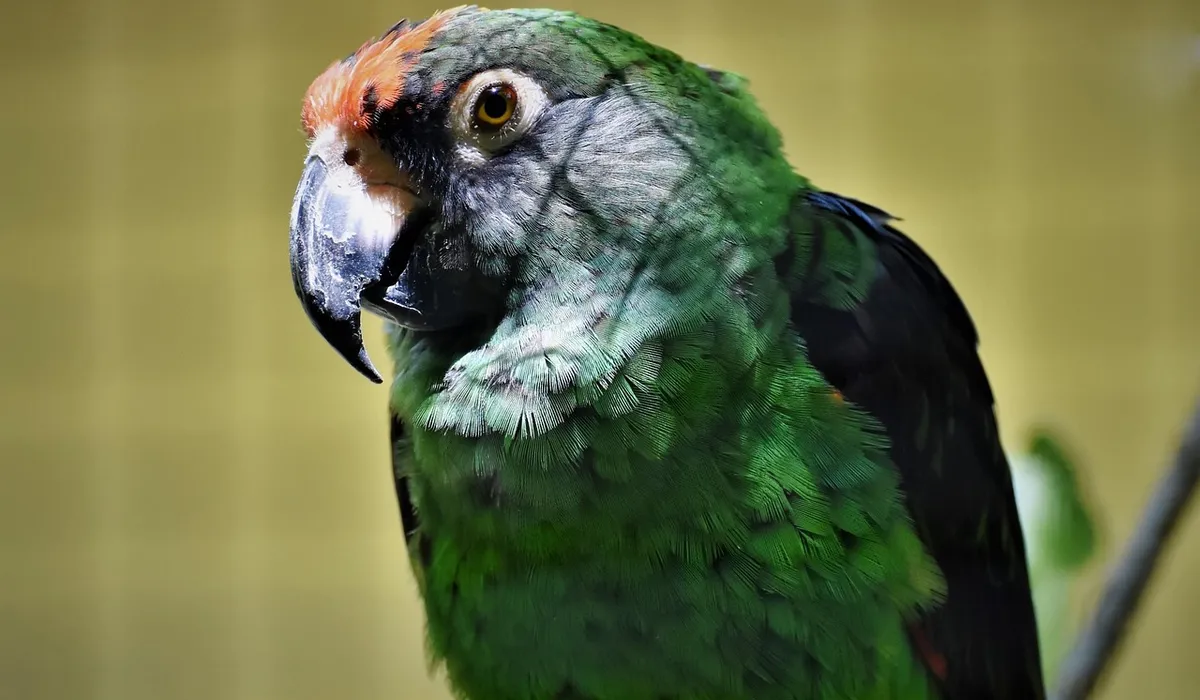
Rushing introductions can spike stress levels for your parrot and the new pet, so take it slow to build trust. I learned this firsthand with Kiwi, my green-cheeked conure, when we added a dog to our home—patience prevented panic and kept everyone safe. Start by letting them get familiar without direct contact, which reduces fear and curiosity. After quarantine, follow a step-by-step introduction guide to socialize your parrot with your household and other pets. Take it slow and adjust pace as trust builds.
- Start with scent swapping by exchanging bedding or toys
- Progress to visual introductions with barriers like baby gates
- Move to controlled, short meetings with leashes or carriers
For scent swapping, I’d rub a toy on Kiwi’s cage and let the dog sniff it-soon, they recognized each other’s smell as normal. This simple step helps pets feel connected without the risk of sudden movements or loud noises. Visual barriers let them observe safely, and I always watched for relaxed body language before moving forward.
Train Your Dog or Cat for Calm Behavior
Training isn’t just for obedience—it’s about creating a peaceful environment where your parrot feels secure. With Sunny, my sun conure, I focused on reinforcing calm actions in our cat, which made their first face-to-face meetup much smoother. In positive reinforcement training with parrots, rewards reinforce calm and cooperative behavior. Consistently rewarding desirable actions helps your bird learn safer, more confident interactions. Use rewards to shape behavior, and always prioritize your parrot’s well-being over quick results.
- Use positive reinforcement to reward calmness and ignore prey drive
- Practice leash and crate training to manage movements
- Teach basic commands and recognize stress signals in all pets
Positive reinforcement works wonders; I’d give treats when the cat stayed still near Sunny’s cage, ignoring any stalking instincts. Recognizing stress signs, like fluffed feathers or hiding, lets you step in before things escalate. Leash training gives you control during encounters, and basic commands like “stay” keep interactions predictable and safe.
Manage Health and Hygiene Precautions
Keeping everyone healthy is your top priority when mixing species under one roof. I wipe down surfaces daily after my dog, Sunny, and my parrots, Kiwi and Sage, have their supervised outings. This simple habit drastically cuts down on germs and keeps everyone safer. When cleaning, especially after my birds, I follow specific guidelines to clean their environment safely.
- Establish cleaning routines to prevent disease transmission. Use pet-safe disinfectants on floors, playstands, and any area your pets touch.
- Disinfect shared spaces and parrot cages regularly. Pay special attention to cage bars and perches, as bacteria from a curious dog’s nose can easily transfer there.
- Schedule vet checks for all pets to ensure they are parasite-free and healthy. An annual check-up for your parrot and your new furry friend provides a vital health baseline.
Know When to Seek Professional Help

Sometimes, despite our best efforts, we need an expert’s perspective. I learned this firsthand when my sun conure, Sunny, became excessively fearful every time our new cat entered the room. Recognizing we were out of our depth was the first step toward a peaceful solution.
- Identify signs of persistent aggression, fear, or injury risks. This includes a dog that fixates or whines at the cage, a cat that won’t stop stalking, or a parrot that becomes chronically stressed.
- Consult a vet or animal behaviorist for tailored advice. They can observe the specific dynamics in your home and create a custom plan that generic online advice can’t match.
- Act early to prevent escalation and ensure safety. Don’t wait for a close call or an injury; getting help at the first sign of trouble protects every animal involved.
Build a Foundation for Long-Term Harmony
Setting up a peaceful household for your parrot and new pet doesn’t happen overnight. I’ve found that small, daily efforts in enrichment, routine, and positive training create a safe space where everyone can thrive. These are bonding techniques that work to build trust with your parrot. With consistent practice, everyday interactions become opportunities for connection. With my own parrots-Kiwi, Sunny, and Sage-I’ve seen how these steps prevent stress and build trust over time.
- Provide enrichment activities to reduce boredom and stress
- Maintain consistent routines and supervised interactions
- Use patience and positive reinforcement to reinforce peaceful coexistence
Enrichment activities keep your parrot’s brain busy and body active, cutting down on anxiety. When Kiwi, my playful Green-cheeked Conure, has plenty of toys and puzzles, she’s less likely to fuss when our cat wanders by. I mix up her playthings every week and hide treats in cardboard tubes for foraging fun. This mimics her wild instincts and makes her feel secure, so she ignores potential distractions from other pets. If she ever seems bored, I switch to new puzzles or training games to re-engage her. That’s how I address why my parrot is bored and how I help her stay curious and content.
Sticking to a predictable routine helps parrots feel in control and reduces fear. Sage, my smart African Grey, thrives on knowing exactly when meals and cuddle times happen. I schedule short, supervised meet-ups with our dog at the same time each day, always keeping them in the same room but separated by a gate if needed. Consistency tells your parrot that life is stable, even with new animals around. Also, beware of common parrot feeding mistakes, like relying too heavily on seeds or free-feeding. Pair your routine with a balanced, portioned diet—pellets plus fresh veggies and occasional fruit—to support long-term health.
Positive reinforcement and patience teach your pets that calm behavior leads to rewards. It took weeks of gentle training for Sunny, my social Sun Conure, to stop squawking at our dog. I gave both pets tiny treats whenever they stayed relaxed near each other, and I never rushed their progress. By celebrating small wins, you show them that peaceful coexistence is worth it, and over time, they’ll start to associate each other with good things.
FAQs
Is it ever safe to leave my parrot unsupervised with my dog or cat?
No, you should never leave them alone together due to the risk of sudden predatory instincts or stress-induced behaviors. Always ensure direct supervision during any interactions to keep all pets safe.
What are some common mistakes to avoid during the introduction process?
Avoid rushing the steps or forcing close contact, as this can heighten fear and aggression in both pets. Also, do not ignore early signs of stress, like staring or vocalizations, which require immediate intervention.
How can I help my parrot feel less jealous of the new pet?
Stick to your parrot’s regular schedule and provide extra one-on-one time and engaging toys to reinforce security. Gradually associate the new pet’s presence with positive experiences, like treats or calm activities, to reduce rivalry. Think of this as your new parrot’s first day home survival guide. It offers a simple, step-by-step routine to help them settle.
In Closing
Always introduce new pets gradually with close supervision and safe spaces for your parrot to retreat. Watching for stress cues like fluffed feathers or vocal changes helps prevent conflicts before they start. With my curious Kiwi, I found that short, positive meetings built trust over weeks. These steps are a key part of a complete safety guide for introducing a new baby to your parrot. With a clear plan, you can stage baby–parrot introductions safely and build trust over time.
Responsible parrot ownership means prioritizing their well-being through ongoing education and attentive care. Commit to learning more about parrot behavior and needs to foster a harmonious multi-pet household. A practical multi-pet household guide can help you introduce parrots to dogs, cats, and other companions safely. This resource provides steps to keep all your pets secure and comfortable. Your efforts create a safer, happier environment for all your animals.
Further Reading & Sources
- Keeping Parrots with Other Pets | Keeping Parrots | Parrots | Guide
- Pet Parrots With Cats & Dogs: How to Make Them Coexist Plus Help and Safety Tips
- Introducing Your Bird to Other Pets in the Home – ZuPreem Pet
Suzanne Levine is a dedicated parrot enthusiast and experienced avian caregiver with over 15 years of hands-on experience in parrot care. As the founder of Parrot Care Central, Suzanne is passionate about sharing her knowledge and insights to help fellow parrot owners provide the best possible care for their feathered friends. Her expertise spans nutrition, behavior, health, and enrichment, making her a trusted resource in the parrot care community.
Socialization