
Helping Your Grieving Parrot Heal After Losing a Bond-Mate
Published on: January 23, 2026 | Last Updated: January 23, 2026
Written By: Suzanne Levine
Watching your parrot struggle after losing their feathered friend is heartbreaking, and you’re probably wondering how to help them through this difficult time.
I’ve walked this path with my own flock, and I’ll guide you through the process of supporting your grieving bird.
You’ll learn three crucial steps: recognizing the signs of parrot grief, providing immediate comfort and stability, and helping them adjust to their new normal.
- Understanding their unique grieving process
- Creating a supportive environment
- Knowing when to consider new companionship
You’ll find clear, actionable advice that respects your bird’s emotional needs while helping them move forward.
Topics covered: recognizing grief signs, daily routine adjustments, emotional support techniques, environmental changes, long-term healing strategies, considering new companions
Do Parrots Really Feel Grief and Mourning?
Watching my own birds, I’ve seen their hearts break. Parrots absolutely experience grief, and the depth of their mourning can be as profound as our own. If you’re facing the loss of a feathered friend, consider a coping guide for parrot grief to help you and your bird navigate bereavement with care. This short guide offers practical steps for coping with loss, adjusting routines, and honoring your parrot’s memory.
- Scientific observations note parrots calling for a lost mate for days, sometimes even refusing to eat.
- Anecdotal evidence from countless owners describes birds falling silent or desperately searching their cage for their missing friend.
- Their complex social structures in the wild, built on lifelong pair bonds, mean the loss of a partner is a catastrophic event.
My Green-cheeked Conure, Kiwi, became a shadow of himself when his cage-mate passed. This bereavement stems directly from their need for deep, social connection. They aren’t just losing a companion; they’re losing their flock, their security, and their daily routine all at once.
Spotting the Signs: Is Your Parrot Showing Grief?
Grief in parrots isn’t always loud. Sometimes the most telling sign is a deafening silence where there was once constant chatter. Curious about what different parrot sounds mean? This complete guide walks you through their meanings and how to respond.
- Reduced vocalization, like my Sun Conure Sunny who stopped her morning songs.
- A noticeable drop in activity and playfulness; toys sit untouched.
- Changes in eating habits, either eating much less or stress-eating.
- Altered sleep patterns, such as sleeping more during the day or seeming restless at night.
- Emotional swings, from desperately seeking your comfort one moment to shunning all interaction the next.
Behavioral Shifts to Watch For
Keep a close eye on these specific actions. Feather plucking is a major red flag that your bird’s emotional pain is becoming physical. If you’re trying to stop your parrot from plucking its feathers, look for triggers and consider consulting an avian vet or behaviorist for tailored steps.
- Feather plucking or self-mutilation, often focused on the chest.
- Uncharacteristic aggression, even towards trusted humans.
- Repetitive, obsessive behaviors like pacing or head-bobbing.
In the context of mourning, these signals scream of anxiety and confusion. My African Grey, Sage, started aggressively guarding her food bowl, a behavior she’d never shown before her friend was gone. She felt vulnerable and was trying to control the one thing she could.
Physical Health Red Flags
Emotional distress can quickly turn into a physical crisis. A grieving parrot’s immune system can become compromised, making them susceptible to illness. Understanding the most common parrot health concerns is essential, and this forms part of a complete guide to parrot health. By knowing what to look for, owners can act quickly to protect their birds.
- Rapid weight loss from not eating is a critical danger.
- Fluffed-up feathers for prolonged periods, indicating they are not well.
- Changes in droppings, like unusual color or consistency.
You must monitor food and water intake like a hawk during this period. A day without eating is an emergency for a small parrot. Weigh your bird daily if you can, as even a few grams lost can be significant. Keeping weight within healthy ranges is essential for obesity prevention in parrots. Regular weight checks help you monitor progress and tailor food amounts to avoid excess weight.

First Response: Comforting Your Grieving Parrot Right Away
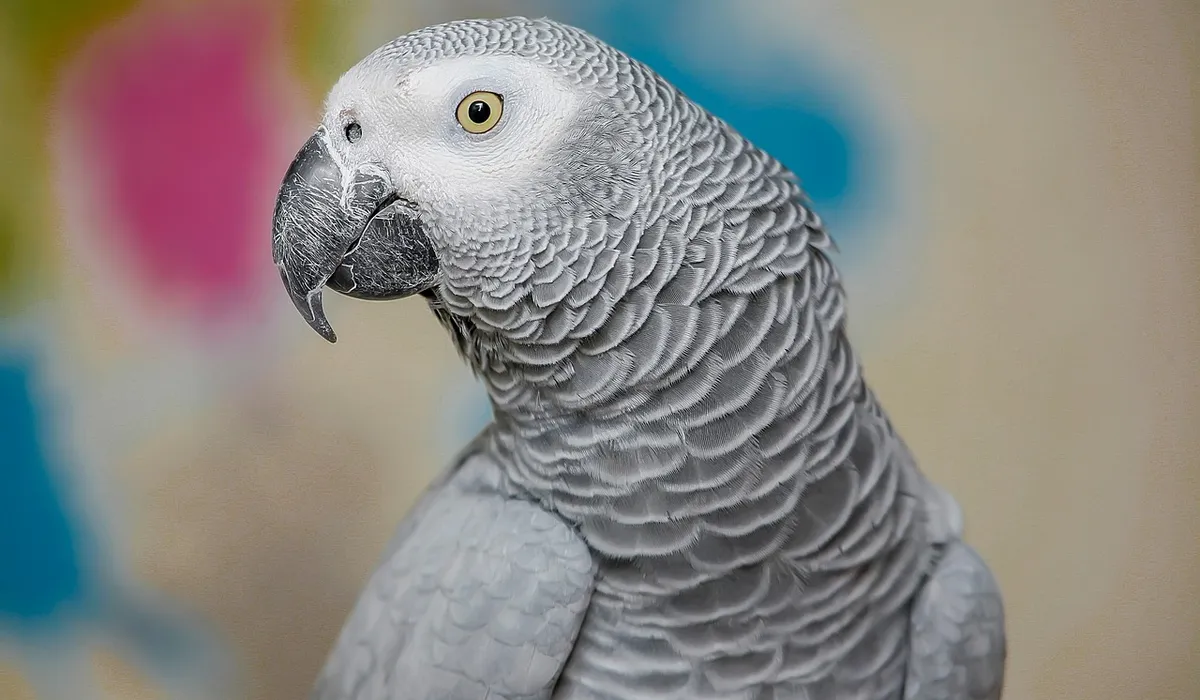
Your immediate calm presence is the most powerful medicine you can offer a heartbroken parrot.
When my Green-cheeked Conure, Kiwi, lost his friend, I saw his vibrant personality dim. He stopped playing and just sat quietly. I knew I had to act fast with gentle, consistent support.
- Sit near their cage and speak in a soft, reassuring tone. Use their name and familiar, loving phrases.
- Offer your hand for them to step up, but don’t force interaction. Let them decide if they want physical contact.
- Keep the room’s lighting subdued and reduce loud noises like television or vacuuming.
- Maintain their normal sleep schedule by covering their cage at the usual time to ensure rest.
Quick Comfort Techniques
A favorite treat can be a small but meaningful gesture that says, “I see you, and I’m here.”
I found that Kiwi would still take a sliver of almond from my hand, even on his worst days. It was a tiny bridge back to our connection.
- Gentle petting on the head or neck, if your bird normally enjoys it. Avoid touching the back or wings.
- Offer a high-value treat they rarely get, like a piece of walnut or a bit of fruit.
- Respect their space by reading a book aloud near their cage. Your voice is a comfort, even without direct eye contact.
- If they fluff up and turn away, give them a moment alone. Pushing too hard can increase their stress.
Monitoring Daily Needs
Grief can make a parrot forget to care for itself, so your watchful eye is critical.
I made a simple checklist each day to track Sage’s food and water intake after her mate passed. It helped me spot a problem before it became an emergency.
- Check food and water dishes twice daily. Note if they are eating less or ignoring certain foods.
- Observe their sleep. Are they sleeping more than usual or seem restless at night?
- Be patient. Healing is not linear. Some days will be better than others, and that’s perfectly normal.
- Weigh your bird weekly if possible. A sudden drop in weight is a red flag requiring a vet visit.
Long-Term Healing: Building a Path to Recovery
True recovery is about slowly rebuilding a life filled with purpose, play, and connection.
It took months for my Sun Conure, Sunny, to start playing again. We focused on creating new, positive experiences together to fill the void left by his friend.
- Foster social interaction by including your parrot in safe, family activities, like quiet mealtimes.
- Introduce new, predictable routines. Parrots find great comfort in knowing what comes next.
- Consider a new bond-mate only after careful thought. Rushing this can cause more stress for both birds.
Establishing New Routines
Consistency builds a scaffold of safety that a grieving bird can lean on.
I started a morning training session with Kiwi, just five minutes of simple “step-up” practice for a sunflower seed. It gave him something to look forward to.
- Create a consistent daily schedule for wake-up, meals, out-of-cage time, and bedtime.
- Use positive reinforcement training. Reward small successes with treats and praise to build confidence.
- Incorregate quiet, bonding time into your routine, like simply sitting together while you read.
Enrichment for Emotional Recovery
Engaging their clever brain is one of the fastest ways to help a parrot heal its heart.
I filled Sage’s cage with foraging toys, and watching her figure them out was a joy. It redirected her energy from sadness to problem-solving.
- Introduce puzzle toys that require them to work for a treat. This stimulates their natural foraging instincts.
- Rotate destructible toys made of safe wood or cardboard. The act of shredding is great stress relief.
- Play gentle games like rolling a small ball back and forth. This encourages interaction without pressure.
- Enrichment provides a healthy mental distraction, pulling their focus away from grief and onto the present moment.
When to Get Expert Support for Your Parrot’s Grief
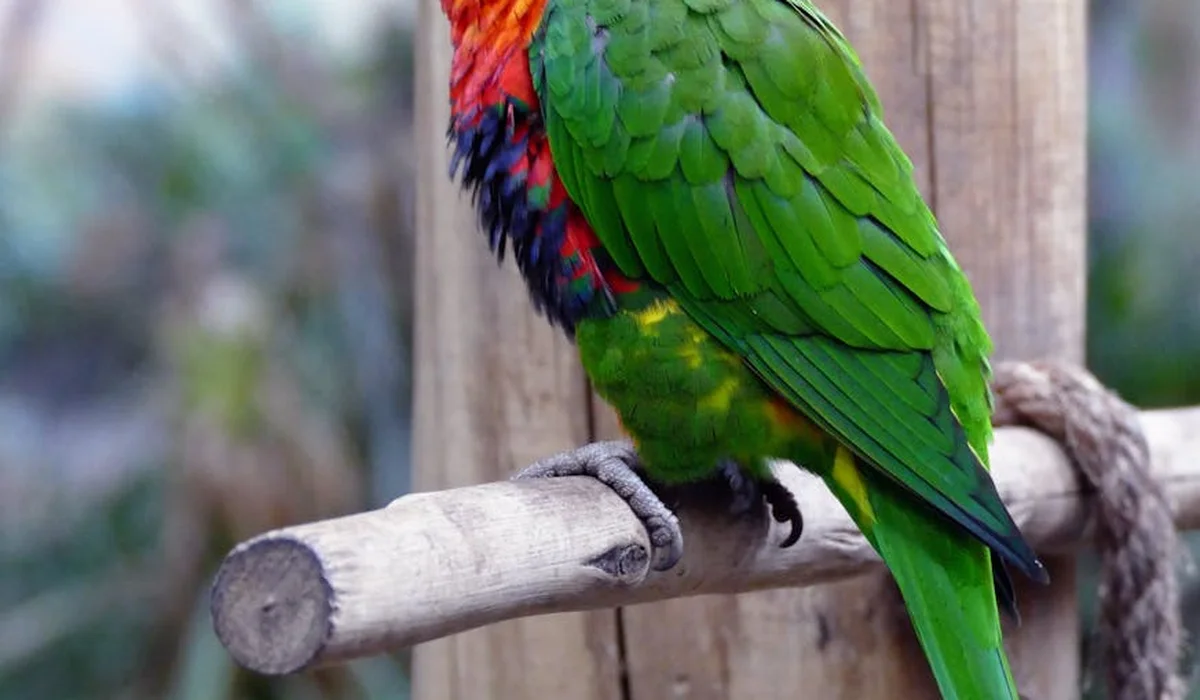
Your parrot’s behavior tells you everything. When their normal routines completely fall apart for more than a week, it’s time to call in the professionals. I learned this the hard way when my conure, Kiwi, stopped playing after his friend passed. If you’re wondering why is my parrot bored, I can help. Boredom is often a sign that enrichment and routine are off, and addressing it can bring back their play.
Veterinary Care Considerations
Grief isn’t just emotional—it can cause real physical problems. Watch for these medical red flags that need an avian vet immediately. If you suspect your parrot is sick, you can perform basic home first aid to help stabilize them while you reach veterinary care. In urgent situations, know when to seek emergency care right away.
- Sudden, dramatic weight loss or refusal to eat
- Feather plucking that creates bald spots or broken skin
- Lethargy so severe they won’t leave their perch
- Changes in droppings (color, consistency, frequency)
- Labored breathing or unusual respiratory sounds
During vet visits, be ready to discuss recent behavior changes, appetite patterns, and sleeping habits. Bring a video of your bird’s concerning behavior—it helps the vet see what you see at home. Ask about nutritional support and whether supplements might help during this stressful period. Also, ask the vet to demonstrate safe, gentle handling and restraint techniques to minimize stress during the exam. Practice them at home so your parrot stays calm in the clinic.
Working with Avian Behaviorists
When basic comfort isn’t enough, behaviorists offer specialized strategies. These experts create customized plans to help your parrot rebuild their confidence and find joy again. Positive reinforcement training is central to these plans, using rewards to shape confident, curious behaviors in parrots. It makes learning feel safe and rewarding for them. They showed me how to use targeted play sessions to pull Sage out of her mourning period.
- They assess your home environment and daily interactions
- Develop step-by-step behavior modification programs
- Teach you positive reinforcement techniques for encouraging activity
- Help introduce new routines that support emotional healing
Find qualified support through avian veterinary referrals or certified animal behavior organizations. Look for professionals with specific parrot experience and positive reinforcement methods. Choose a vet who can explain care options clearly and tailor a plan for your bird. Avoid anyone who suggests punishment or forceful techniques—grieving birds need patience, not pressure.
Monitor your bird closely during this vulnerable time. Keep a simple daily log of eating, playing, and vocalizing to track progress or spot declines. Trust your instincts-you know your feathered friend better than anyone.
FAQs
How long does the grieving process typically last for a parrot?
The duration varies widely, but it can last from a few weeks to several months depending on the bird’s personality and bond. Be patient and consistent with support, as rushing the process can hinder healing.
Is it a good idea to get a new parrot companion immediately after a loss?
No, introducing a new bird too soon can cause stress and conflict, as your parrot may not be ready to accept a replacement. Wait until your bird shows signs of stability and interest in social interaction before considering a new mate.
What should I avoid doing when my parrot is grieving?
Avoid making sudden changes to their environment or routine, as this can increase anxiety and confusion. Also, do not force interactions or punish behaviors like feather plucking, as this can worsen their emotional state.
In Closing
When your parrot loses a bond-mate, the most important things you can offer are patience, routine, and your loving presence. Watch for changes in their eating, vocalizations, and behavior, as these are clear signs they are processing a loss. Adjust your daily interactions to fill the social void, but avoid making sudden, drastic changes to their environment.
Caring for a parrot is a long-term commitment that requires us to grow alongside them. Their complex emotional lives remind us that responsible ownership is an evolving journey of learning and adaptation. Stay curious, keep listening to your bird, and continue seeking knowledge to provide the best life possible for your feathered friend.
Further Reading & Sources
- Do Parrots Grieve? (Loss of Babies, Mate, Bird, Owner Dies)
- Do Birds Mourn? How You Can Help Your Grieving Bird Recover
- Do Parrots Mate For Life?
Suzanne Levine is a dedicated parrot enthusiast and experienced avian caregiver with over 15 years of hands-on experience in parrot care. As the founder of Parrot Care Central, Suzanne is passionate about sharing her knowledge and insights to help fellow parrot owners provide the best possible care for their feathered friends. Her expertise spans nutrition, behavior, health, and enrichment, making her a trusted resource in the parrot care community.
Rehabilitation