
How to Tell if Your Parrot is Happy: 10 Key Signs
Published on: December 3, 2025 | Last Updated: December 3, 2025
Written By: Suzanne Levine
Struggling to decode your parrot’s mood and worried they might be unhappy? You’re not alone-I’ve spent years fine-tuning my observations with my own feathered friends like Kiwi, Sunny, and Sage.
Drawing from my hands-on experience, I’ll guide you through the top indicators so you can feel confident about your parrot’s well-being. Key insights you’ll gain include:
- Recognizing vocal patterns that signal joy
- Spotting body language tied to contentment
- Identifying playful behaviors that show a thriving bird
By the end, you’ll have straightforward steps to assess your parrot’s happiness. We’ll dive into these essential topics:
- Vocalizations
- Feather condition
- Social interactions
- Eating habits
- Play behavior
- Sleep patterns
- Bonding signs
- Environmental responses
- Health indicators
- Overall demeanor
Understanding Parrot Happiness Basics
Parrot happiness goes beyond just avoiding stress—it’s about seeing them actively enjoy their life with you. I’ve noticed with my own flock, like Kiwi and Sunny, that a content parrot shows consistent, positive behaviors that reflect their natural instincts. Positive reinforcement training is a practical way to encourage those happy behaviors. By rewarding calm, cooperative actions, you help them connect good behavior with positive outcomes. Think of it as tuning into their body language and daily routines to gauge their emotional state.
Happy parrots feel secure enough to express themselves freely, whether through sounds, movements, or interactions. From my experience, a thriving bird like Sage demonstrates this by engaging with her environment in playful, curious ways. Always prioritize their welfare by ensuring they have space, stimulation, and companionship.
Top 10 Signs Your Parrot Is Thriving
Cheerful Vocalizations and Chirping
Listen for a mix of chirps, whistles, and soft murmurs that signal contentment. My Green-cheeked Conure, Kiwi, often greets me with a happy chatter that tells me he’s in a great mood. These sounds are distinct from alarm calls and show your parrot feels safe and joyful.
- Melodic whistling or singing
- Gentle beak grinding during rest
- Mimicking familiar words or tunes
Playful Behavior and Toy Interaction
A happy parrot eagerly explores toys, shredding, tossing, or solving puzzles. Sunny, my Sun Conure, spends hours dismantling paper toys, which keeps her mentally sharp and entertained. Play is a clear indicator they’re not bored or stressed.
Watch for repeated interactions with favorite items. Providing variety in toys encourages this natural curiosity and prevents behavioral issues.
Relaxed Body Language and Stance
Look for smooth, sleek feathers and a comfortable perch position without tension. When Sage, my African Grey, sits with her body relaxed and wings slightly away from her sides, I know she’s at ease. Avoid signs like fluffing up constantly or crouching low, which can mean fear.
- Feathers lying flat against the body
- Balanced stance on one or both feet
- Slow, deliberate movements
Positive Social Bonding and Owner Interaction
Thriving parrots seek out your company, flying to you or nudging for attention. Kiwi loves perching on my shoulder and preening my hair, showing he trusts and enjoys our bond. This social drive is key to their happiness in a home environment.
Encourage gentle handling and respond to their cues. Building this connection reduces stress and supports their emotional well-being.
Healthy Preening and Feather Care
Regular, gentle preening maintains their plumage and indicates self-care. All my parrots, especially Sunny, spend time each day tidying their feathers after meals or play. Over-preening or feather plucking, however, can signal health or stress problems.
- Systematic grooming of wings and tail
- Using beak and feet to align feathers
- Bathing or misting enjoyment
Expressive Eye and Head Movements
Watch for eye pinning (rapid pupil changes) and head bobbing, which show excitement or curiosity. Sunny bobs her head wildly when she sees a new toy, a sure sign she’s thrilled. These gestures are part of their communication and play.
Interpret these movements in context with other behaviors. Bright, focused eyes often mean your parrot is engaged and happy.
Active Wing and Tail Displays
Happy parrots stretch their wings wide, flap gently, or wag their tails. Kiwi does a full wing stretch every morning, almost like a yoga routine, to shake off sleep. These actions help with circulation and express vitality.
- Tail fanning during play or greeting
- Wing flapping for exercise or joy
- Slight shivering motions in feathers
Bright Eyes and Alert Demeanor
Clear, shiny eyes and a responsive attitude show good health and happiness. Sage’s eyes are always bright when she’s solving a puzzle or listening to sounds around her. Dull or half-closed eyes might indicate illness or discomfort.
Keep their environment stimulating to maintain this alertness. A parrot that scans its surroundings curiously is likely content and secure. To create a safe, stimulating indoor flight environment for your parrot, ensure a spacious, hazard-free area and rotate enrichment toys. Always supervise flights and secure potential escape routes.
Increased Appetite and Feeding Behavior
A thriving parrot eats enthusiastically and explores different foods. Sunny dives into her fruit bowl with gusto, often trying to share bits with me. Changes in appetite can be early warnings, so consistent eating is a positive sign. To support this behavior, knowing parrot diet requirements and following a species-specific complete feeding guide is essential. A balanced plan includes a mix of fresh produce, formulated pellets, and safe treats tailored to the species.
- Eagerly accepting treats or new foods
- Foraging behaviors in their cage
- Confident handling of food items
Regurgitation and Affectionate Gestures
Regurgitating food is a natural bonding behavior in parrots, showing they see you as part of their flock. Kiwi sometimes offers me regurgitated seeds, which I take as a sweet, if messy, compliment. It’s a gesture of trust and affection, not a health concern if occasional.
Respect this behavior without encouraging it excessively. Understanding these cues helps strengthen your relationship and ensure their emotional needs are met.
Reading Your Parrot’s Body Language Clues
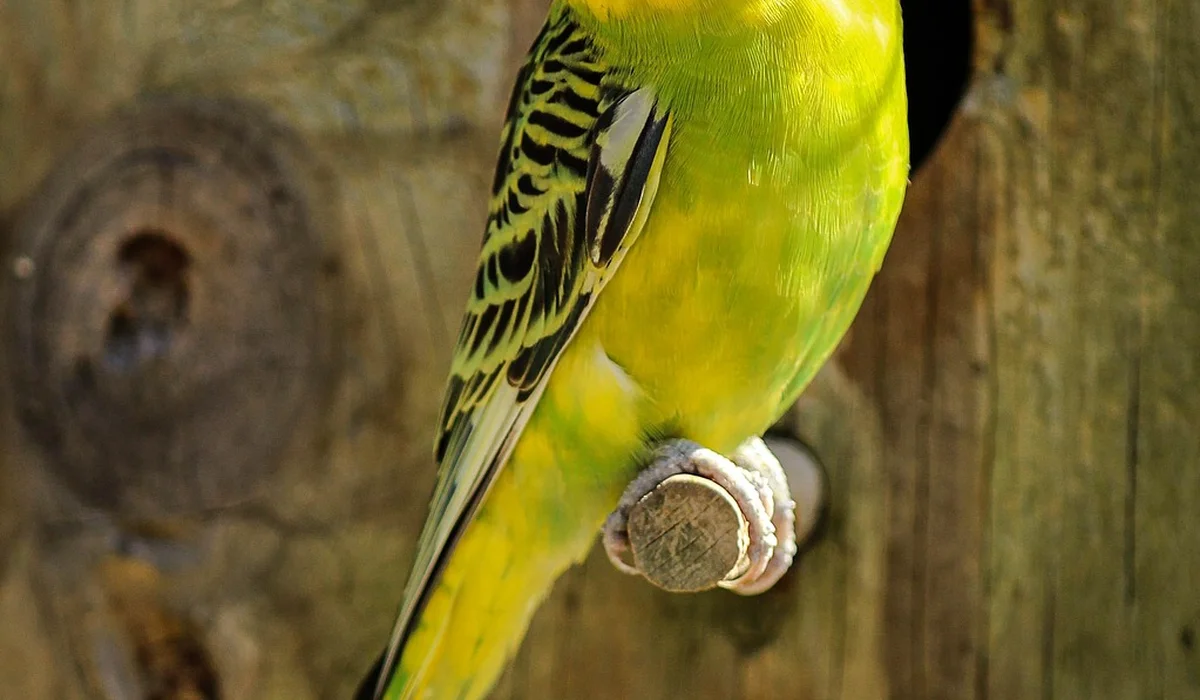
Your parrot’s body is a billboard for their feelings. Learning to read these subtle shifts is your superpower for understanding their emotional world. I’ve spent countless hours just watching my flock, and the patterns are unmistakable once you know what to look for.
The Content & Relaxed Parrot
A happy parrot is a relaxed parrot. Their body will look soft and at ease, not stiff or tense.
- Relaxed Feathers: Their feathers will be smooth and flush against their body, not puffed up in fear or slicked down in stress. My Green-cheeked Conure, Kiwi, looks like a sleek, little green leaf when he’s perfectly content.
- Soft, Blinking Eyes: Watch their eyes. A happy parrot often has “soft” eyes and may blink slowly. This is a sign of trust and comfort in your presence.
- Balanced Posture: They stand comfortably on one foot or perch evenly on two, with a straight back. They aren’t crouched low or stretched tall in alarm.
- Gentle Beak Grinding: This is the ultimate sign of a content parrot. That soft, grinding sound means they feel safe and secure, often heard just before a nap.
Vocalizations & Playful Sounds
Parrots are anything but quiet when they’re in a good mood. Their sounds tell a vivid story.
- Chattering & Singing: This isn’t loud squawking. It’s a soft, conversational muttering or a melodic warble. My Sun Conure, Sunny, fills the room with cheerful, musical sounds when he’s happy.
- Mimicking & Talking: When your parrot repeats words or sounds you’ve taught them, it’s a form of social bonding. They are actively engaging with you because they are happy and stimulated.
- Playful Beak Clicking: A light, rapid clicking sound is often a playful invitation or a sign of curiosity, not to be confused with the louder, warning snap of an annoyed bird.
Active & Engaged Behaviors
A happy parrot is rarely still for long. They are curious explorers and playful companions.
- Playing with Toys: They will actively shred, toss, and manipulate their toys. I make a point of rotating toys for my African Grey, Sage, to keep her brilliant mind engaged and happy.
- Head Bobbing & Foot Tapping: Especially common in younger parrots and certain species like cockatoos, this rhythmic movement is a clear display of excitement and well-being.
- The “Happy Flap”: A bird that stretches its wings and flaps vigorously while remaining on its perch is simply bursting with joy and energy.
Spotting the Difference: Happy vs. Angry Parrot
Watching my green-cheeked conure, Kiwi, taught me that parrot emotions are a full-body experience. Their entire posture and feather position act as a real-time mood ring. A happy bird looks loose and relaxed, while an upset one becomes a tight, feathered weapon.
The Body Language of a Content Bird
A happy parrot carries itself with an air of calm curiosity. Their body is the picture of relaxation.
- Relaxed Feathers: Their plumage sits smoothly against their body, not puffed up aggressively or pulled in tightly from stress.
- Soft, Blinking Eyes: You’ll notice a gentle, slow blink. Their eyes aren’t wide and staring, nor are they pinning (rapidly constricting and dilating their pupils).
- The “One-Foot” Lounge: When my sun conure, Sunny, lifts one foot and tucks it into his belly feathers, I know he’s in his ultimate state of zen. This is a classic sign of a bird feeling safe and secure.
- Playful Bowing: They might dip their head down low, inviting you to scratch their neck. It’s an adorable request for affection.
The Vocal Tells of a Thriving Parrot
Parrots are anything but quiet, and their sounds paint a vivid picture of their inner world.
- Chatter and Singing: Happy parrots fill the air with soft chattering, melodic whistles, or attempts to mimic words. My African Grey, Sage, will softly practice her vocabulary when she’s content.
- Beak Grinding: This gentle, crunching sound is the parrot equivalent of a cat’s purr. Hearing beak grinding, especially before a nap, is a top-tier sign of a blissful bird.
- Contact Calls: They might call out with a specific sound when you leave the room, just to check in. It’s their way of saying, “We’re still connected!”
Recognizing the Signs of an Angry or Stressed Parrot
It’s just as critical to recognize when your feathered friend is feeling foul. Their warnings are usually very clear if you know what to look for.
- Pinned Eyes: This is a huge red flag. Their pupils will rapidly shrink and expand. Combine this with a stiff body, and you have a bird saying, “Back off!”
- Flattened Feathers & Crouched Stance: They pull their feathers in tight to look sleek and may crouch low, ready to lunge or fly away. It’s a defensive, coiled-spring posture.
- Hissing or Growling: Yes, parrots can hiss! It’s a definitive back-off signal. A low growl is another clear vocal warning.
- Beak Banging or Biting: They might aggressively tap their beak on a surface or, as a last resort, bite. A bite is rarely out of the blue; it’s almost always preceded by other, ignored body language cues.
A Quick Comparison Guide
| Behavior | Happy Parrot | Angry/Stressed Parrot |
|---|---|---|
| Eyes | Soft, slow blinking | Rapidly pinning pupils |
| Posture | Relaxed, maybe on one foot | Stiff, crouched, feathers flattened |
| Vocalizations | Singing, chatter, beak grinding | Hissing, growling, sharp squawks |
| Feathers | Smooth and relaxed | Puffed up aggressively or slicked back tightly |
Learning this language transformed my relationship with my birds. Respecting their “no” when they show anger builds immense trust, making those happy moments even more frequent and rewarding.
Simple Ways to Keep Your Parrot Content
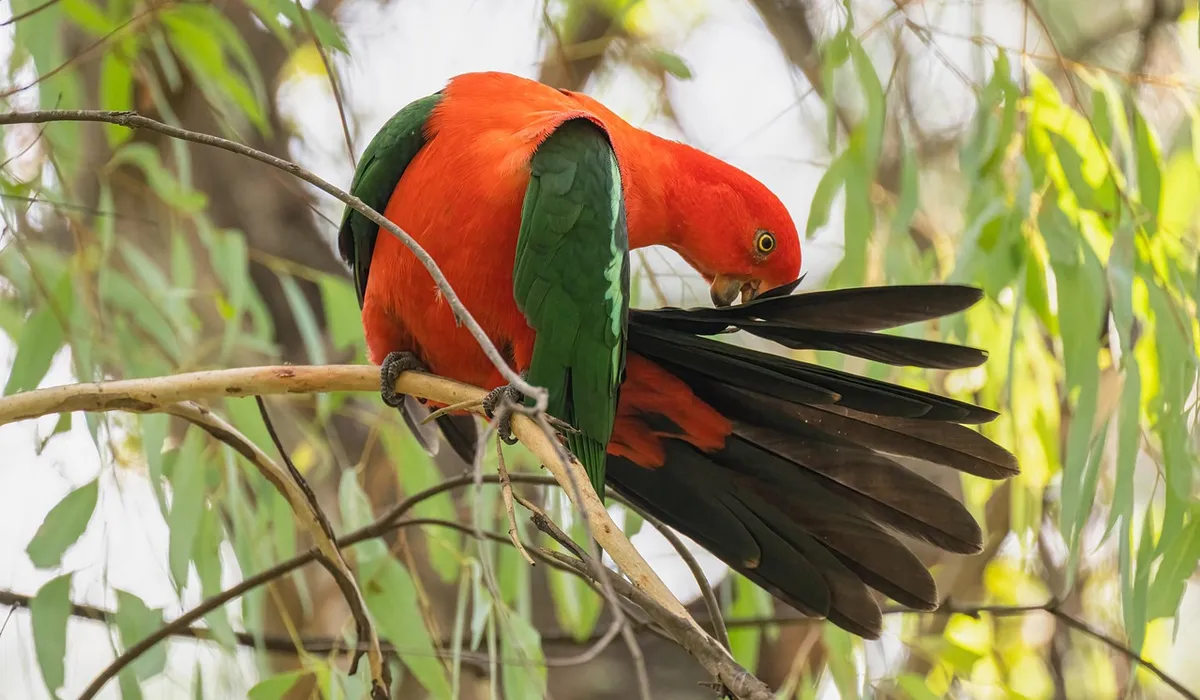
Seeing those happy signs is wonderful, but creating an environment that fosters them is the real goal. From my years with Kiwi, Sunny, and Sage, I’ve learned that parrot contentment boils down to meeting their core needs for mental and physical engagement. It’s less about grand gestures and more about consistent, thoughtful daily care.
Provide a Stimulating Environment
Parrots are incredibly intelligent and get bored easily, just like us. A dull cage is a sad cage. Rotating a variety of safe, destructible toys is the single best way to prevent boredom and the plucking or screaming that can follow. If you’re wondering why your parrot is bored, I can help. A simple enrichment plan—rotating toys, foraging, and daily interaction—can make a big difference. My conures, Kiwi and Sunny, go wild for anything made of soft wood they can shred.
- Foraging Toys: Hide their favorite treats inside puzzle toys. This mimics their natural behavior of working for food.
- Shreddables: Offer cardboard, palm leaf toys, or untreated wood blocks. The destruction is the fun!
- Noise Makers: Bells and rattles provide auditory and physical stimulation.
- Perch Variety: Include different diameters and textures (rope, wood, cement) to keep their feet healthy.
Establish a Nutritious and Varied Diet
I learned the hard way that a seed-only diet is like feeding a child candy for every meal. A balanced diet of high-quality pellets, fresh vegetables, and limited fruits is fundamental to their physical health and, by extension, their mood. My African Grey, Sage, gets visibly excited when I bring out the chop (a finely chopped veggie mix).
- Make pellets the base of their diet (about 60-70%).
- Offer a colorful array of fresh, bird-safe veggies daily (think broccoli, bell peppers, leafy greens).
- Use fruits and seeds as high-value treats for training and bonding.
- Always ensure fresh, clean water is available.
Prioritize Social Interaction and Training
Your parrot sees you as their flock. Positive, daily interaction is not a luxury; it is a requirement for their emotional well-being. Even 15 minutes of focused, out-of-cage time can make a world of difference in their demeanor. By steady, calm training, you can shape when your parrot vocalizes, helping to keep household noise down. That reduction in noise goes hand in hand with lower stress for both you and your feathered companion.
- Talk and Sing: Narrate your day to them. They love the sound of your voice.
- Train with Positivity: Use treats to teach simple tricks like “step-up.” This builds trust and mental muscle.
- Respect Their Mood: Sometimes, like us, they just want to sit near you quietly. Forced interaction can backfire.
- Consider a Friend: For some highly social species, a compatible parrot companion can provide constant company, but this is a major commitment.
Ensure a Safe and Comfortable Home
Their environment extends beyond the cage bars. A parrot that feels safe in its surroundings is a parrot that can relax and be itself. I always make sure my birds have a quiet, dark place to sleep for 10-12 hours to mimic natural cycles. Recent science into parrot sleep shows they experience REM sleep and need uninterrupted rest. Understanding these cycles helps me tailor lighting and quiet times to prevent night frights.
- Place the cage in a family area, but not in direct sunlight or drafts.
- Provide a consistent sleep schedule with a cage cover if needed.
- Keep them safe from common household dangers like toxic fumes (Teflon), ceiling fans, and open toilets.
- Allow for supervised exploration in a bird-proofed room to satisfy their curiosity.
FAQs
How can I tell if my parrot is bored?
Look for signs like excessive screaming, repetitive movements, or ignoring toys and food. Introducing new foraging activities and rotating toys regularly can help combat boredom and keep them engaged.
What should I do if my parrot seems unhappy?
First, rule out health issues by consulting an avian veterinarian for a check-up. When choosing the right bird specialist, look for a board-certified avian veterinarian with experience with your bird’s species. They can help with preventive care, vaccinations when appropriate, and tailored guidance. Then, enhance their environment with more social interaction, mental stimulation, and a consistent routine to boost their well-being.
Is it normal for parrots to pluck their feathers?
Occasional preening is healthy, but persistent feather plucking often indicates stress, boredom, or medical problems. If you’re trying to stop your parrot from plucking its feathers, begin by identifying triggers and ensuring plenty of enrichment. Identify and address potential causes, and seek professional advice to ensure your parrot’s health and happiness.
Final Thoughts
Your parrot’s happiness shines through in clear signals like a relaxed posture, playful antics, and cheerful vocalizations. By observing their body language and daily routines, you become fluent in their unique way of communicating joy.
Caring for a parrot is a lifelong journey of learning and adapting to their complex needs. Stay curious, keep providing enrichment, and your bond will grow stronger with every passing year. A parrot lifespan guide shows how long different species can live. Understanding these differences helps you plan a long, fulfilling bond with your bird.
Further Reading & Sources
- r/parrots on Reddit: How can you tell when a bird is happy?
- The body language of parrots: Signs your parrot is happy | Pets4Homes
- 23 Signs Your Parrot Likes and Trusts You
Suzanne Levine is a dedicated parrot enthusiast and experienced avian caregiver with over 15 years of hands-on experience in parrot care. As the founder of Parrot Care Central, Suzanne is passionate about sharing her knowledge and insights to help fellow parrot owners provide the best possible care for their feathered friends. Her expertise spans nutrition, behavior, health, and enrichment, making her a trusted resource in the parrot care community.
Health & Wellness