
Why Do Parrots Bite? Causes and Triggers Explained
That sudden, sharp pinch from your feathered friend can leave you feeling confused, hurt, and wondering what you did wrong. It’s a jolting experience that many bird owners face, and it often stems from a simple misunderstanding.
I’ve felt that sting myself with my own flock. My Green-cheeked Conure, Kiwi, once gave me a good nip when I moved too quickly during his nap time. This article will help you decode your parrot’s behavior by breaking down the three primary reasons they use their beaks this way.
- Biting as Communication: Your parrot isn’t being “bad”-it’s trying to tell you something.
- Fear and Self-Defense: A scared bird is a biting bird, and we’ll identify common fears.
- Recognizing Specific Triggers: Learn the everyday situations that can lead to a bite.
You will walk away with clear, actionable advice you can use today. The article covers: body language signals, common fear triggers, handling mistakes, territorial behavior, hormonal influences, and building trust.
The Core Reasons Parrots Bite
Fear-Based Biting
Many parrot bites come from a place of pure fear. My green-cheeked conure, Kiwi, once nipped me hard when a sudden loud noise startled him. In the wild, biting is a fast defense mechanism against predators. Your home might feel safe to you, but unfamiliar objects, quick movements, or new people can trigger that ancient survival instinct in your bird. Watch for pinned eyes, raised feathers, or a crouched posture-these are clear signs your parrot is scared, not angry.
Territorial and Resource Guarding
Parrots can be fiercely possessive of their space and favorite things. My African Grey, Sage, gets very protective of her cage, especially around her food dish. She sees it as her personal dining room. Approaching a territorial parrot too directly can feel like an invasion, prompting a warning bite. They might guard their cage, a specific toy, or even a particular person they’ve bonded with strongly.
Pain or Illness as a Hidden Cause
Sometimes, a bite is your parrot’s only way to tell you something hurts. A bird in pain can’t say “my foot is sore,” so they use their beak to communicate their distress. If your normally sweet parrot suddenly starts biting, especially when touched in a specific area, a vet visit is crucial. Underlying health issues, from arthritis to internal problems, can make them irritable and defensive.
Common Triggers That Spark Biting
Overstimulation and Frustration
Just like people, parrots can get overstimulated and have a “meltdown.” My sun conure, Sunny, gets visibly agitated and will bite if there’s too much noise and activity for too long. They have a limit for how much petting, play, or chaos they can handle. Pushing past that limit leads to a frustrated bite. Learn to recognize when your bird needs a quiet break in their cage to decompress.
Improper Handling Techniques
The way you approach and hold your parrot matters immensely. Reaching directly over a bird’s head can seem like an attack from a predator’s point of view. Forcing them to step up, using rough hands, or ignoring their body language are common handling mistakes. Always offer your hand at their chest level and let them choose to step onto you, building trust with every interaction.
Hormonal Changes and Mating Behavior
Seasonal hormonal surges can drastically change your parrot’s behavior. During spring, my conures often become more territorial and nippy as their natural breeding instincts kick in. They might see you as a mate or a rival, leading to unexpected bites. Managing their environment by limiting daylight hours, removing nesting spots, and avoiding overly affectionate petting can help reduce these hormonal triggers. These observations are a core part of the Managing Hormonal Season Parrots Survival Guide. It outlines practical steps to anticipate and safely manage seasonal changes in your bird’s behavior.
Reading Your Parrot’s Body Language
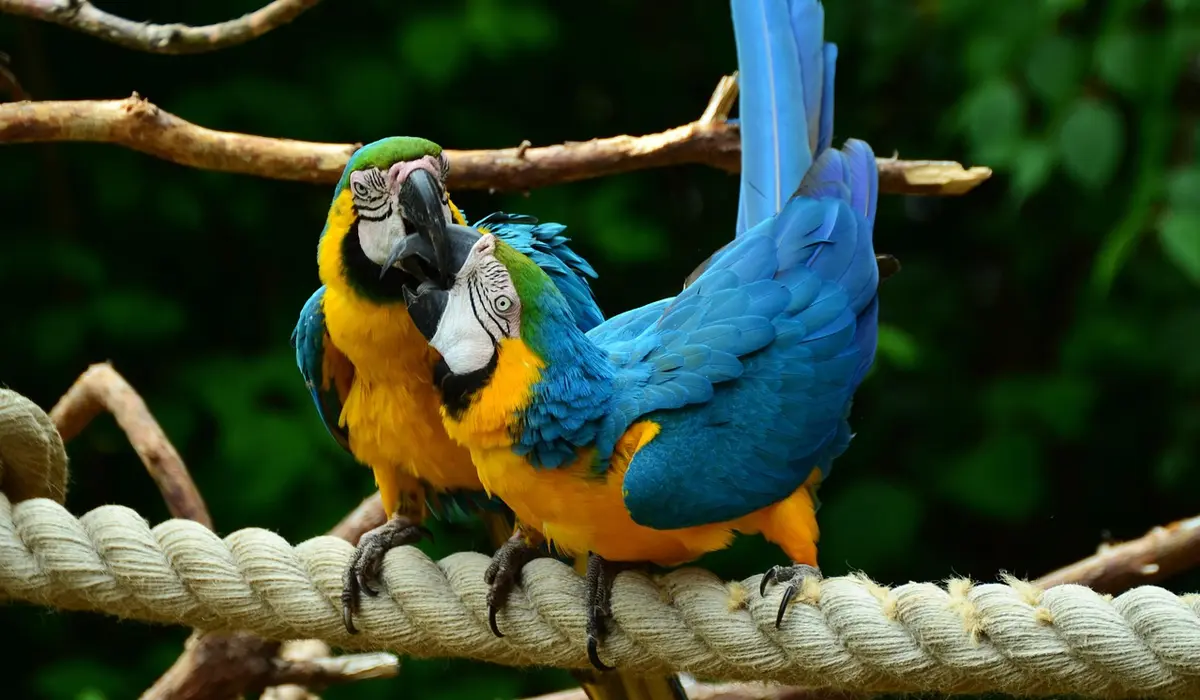
Signs of Impending Aggression
Your parrot gives clear warnings before biting. I learned this the hard way with my Green-cheeked Conure, Kiwi. His body would stiffen, and his eyes would flash, a behavior known as “pinning.” Recognizing signs of pain and distress is a key part of understanding a parrot’s subtle body language. A quick guide to these signals can help you spot trouble early and respond calmly.
Watch for these specific signals that a bite is likely coming your way.
- Pinned or flashing pupils (rapidly dilating and constricting)
- Stiff, rigid body posture and raised neck feathers
- Leaning away from you while opening the beak wide
- Hissing or low, guttural growling sounds
- A sudden, intense focus or “target locking” on a part of your body
Calm vs. Agitated Signals
Contrasting my Sun Conure, Sunny’s relaxed behavior with Kiwi’s tense moments taught me to spot the difference. A calm parrot is a soft, fluffy parrot.
A relaxed bird often has smooth feathers, soft eyes, and may grind its beak contentedly.
- Calm: Relaxed, fluffed feathers, soft body posture, slow blinking, beak grinding.
- Agitated: Feathers slicked tightly to the body, crouched stance, wide “alert” eyes, sharp vocalizations.
My African Grey, Sage, will turn her head almost completely away when she’s had enough interaction. It’s her polite way of saying “I need a break.”
Preventing Bites Through Training and Enrichment
Positive Reinforcement Techniques
Punishment never works and only destroys trust. I build strong bonds by rewarding the behaviors I want to see.
Always reward your parrot for stepping up gently or interacting without using its beak.
- Use high-value treats like a piece of walnut or pine nut for desired actions.
- Practice “step-up” commands in short, fun sessions away from the cage.
- If a bite seems imminent, redirect their attention to a favorite toy instead.
- Respect a “no” signal, like Sage’s head turn, and walk away. This teaches them that calm communication works.
Enrichment Activities to Reduce Boredom
A bored parrot is a destructive parrot. Much of their biting stems from having too much mental energy and no good outlet. If you’re wondering why your parrot is bored, I can help with simple enrichment ideas. With the right activities and routine, you can redirect that energy and stop the biting.
Providing a stimulating environment is your single best defense against nuisance biting.
- Foraging toys: Hide treats in cardboard boxes, paper bags, or commercially available puzzle toys.
- Shreddables: Offer bird-safe wood, sola wood, or palm shredders to satisfy their natural chewing instinct.
- Rotation: Switch out a few toys every week to keep their environment fresh and interesting.
- Training games: Teach simple tricks like “turn around” or “target touch” to engage their brilliant minds.
What to Do When a Bite Happens
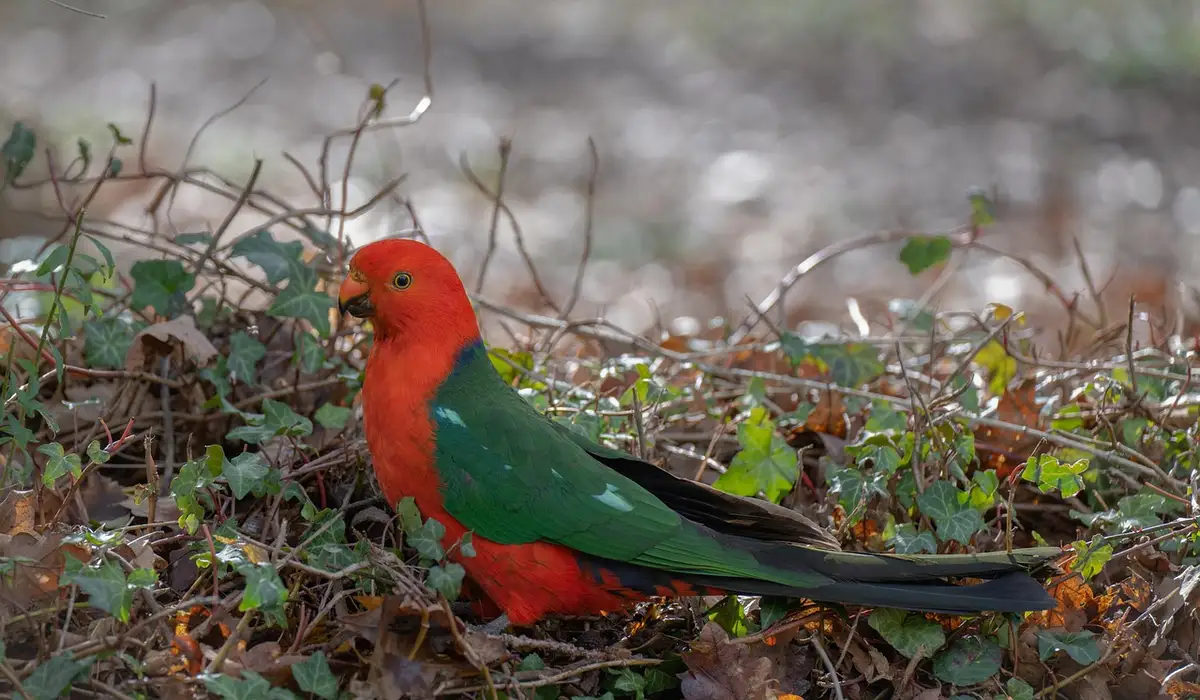
Safe Handling After a Bite
If your parrot bites, stay calm and avoid sudden movements to prevent startling them further. Gently place the bird back in its cage or on a safe perch to give both of you space to cool down. I remember when Kiwi, my Green-cheeked Conure, nipped me during play; I took a deep breath and slowly returned him to his stand, which kept the situation from escalating.
Clean any wounds immediately with soap and water to reduce infection risk. Never yell or punish your parrot, as this can increase fear and aggression over time. Check for signs of pain or illness in your bird, like limping or changes in appetite, as bites sometimes stem from hidden health issues. This is part of a complete guide on cleaning your parrot and its environment safely. Keep your parrot’s cage, perches, and toys clean and hazard-free to prevent injuries.
- Assess the environment for immediate triggers, like loud noises or unfamiliar objects.
- Offer a favorite toy or treat once calm to rebuild trust without rewarding the bite.
- Monitor your parrot’s body language-flattened feathers or pinned eyes can signal stress.
Long-Term Behavior Adjustment
Work on building trust through consistent, positive interactions to reduce biting over time. Use reward-based training, like clicker methods, to reinforce gentle behaviors instead of punishing mistakes. With Sunny, my Sun Conure, I focused on teaching “step-up” commands with treats, which cut down on her nipping during handling sessions.
Identify and avoid known triggers, such as certain times of day or specific interactions. Gradually expose your parrot to mild stressors in controlled settings to build their confidence. Keep sessions short and fun to prevent frustration, which often leads to bites. This is part of a stop-your-parrot-from-biting step-by-step training guide you can follow. With consistent practice, biting tends to decrease over time.
- Note patterns in biting incidents-like during molting or hormonal seasons-to anticipate issues.
- Involve all family members in training to ensure consistent responses from everyone.
- Consult an avian vet or behaviorist if biting persists, as it might indicate deeper problems.
Health and Environmental Factors
Diet and Hormone Management
A balanced diet rich in veggies, fruits, and pellets can stabilize mood and reduce aggression linked to hunger or deficiencies. Limit high-fat seeds and sugary treats, which can spike energy and irritability in parrots. I adjusted Sage’s, my African Grey, diet to include more leafy greens, and her calm demeanor improved noticeably during breeding season.
Manage hormonal surges by controlling light exposure and avoiding overly stimulating environments. Provide 10-12 hours of darkness daily to mimic natural cycles and curb nesting behaviors that cause biting. Remove potential nesting spots, like cozy huts, to discourage territorial aggression.
- Include calcium-rich foods, like cuttlebone, to support overall health and reduce stress.
- Watch for weight changes-obesity or malnutrition can trigger defensive bites.
- Offer foraging toys to keep minds engaged and reduce boredom-related nipping.
Cage and Socialization Setup
Choose a spacious cage with multiple perches and toys to prevent frustration and encourage natural behaviors. Place the cage in a quiet, low-traffic area where your parrot feels secure but still part of family life. For Kiwi, I found that positioning his cage away from direct sunlight and drafts made him less prone to surprise bites.
Socialize your parrot regularly with gentle handling and supervised out-of-cage time. Introduce new people or pets slowly to build comfort and reduce fear-based reactions. Integrate brief training sessions into your daily routine to address common behavioral issues and reinforce positive behaviors. Rotate toys weekly to maintain mental stimulation and avoid monotony that leads to aggression.
- Ensure perches vary in texture and diameter to support foot health and reduce irritability.
- Schedule daily interaction sessions to reinforce bonds and monitor behavior changes.
- Use positive reinforcement during socialization-reward calm behavior with praise or treats.
FAQs
Why do some parrot species have a reputation for biting more?
Certain species, like Amazons or Macaws, may bite more due to innate traits like high intelligence or strong territorial instincts. Early socialization and consistent training can help mitigate this behavior in any parrot breed.
How can I distinguish between playful nipping and serious biting?
Playful nips are usually gentle and brief, often accompanied by relaxed body language like soft eyes. Serious bites are harder, may draw blood, and typically follow warning signs such as pinned eyes or hissing.
What causes a parrot to bite during handling by multiple people?
Inconsistent handling styles or lack of trust with unfamiliar people can trigger fear or confusion in parrots, especially when combined with socialization mistakes. Building a routine where all handlers use gentle, positive techniques reduces this risk.
Is biting ever a sign of affection in parrots?
Some parrots use gentle nibbles as a form of social bonding or preening mimicry. However, it’s important to redirect this behavior to avoid it escalating into harder bites over time.
How does a parrot’s sleep schedule impact biting behavior?
Insufficient sleep can lead to irritability and increased biting due to stress or fatigue. Ensuring 10-12 hours of uninterrupted darkness daily helps maintain a calm, well-rested parrot.
Closing the Loop
From my time with Kiwi, my playful Green-cheeked Conure, I learned that parrots bite due to fear, hormonal shifts, or unmet needs. Pay close attention to their body language and environment to spot triggers early. Use positive reinforcement and safe handling to build a bond of trust and reduce biting incidents.
Owning a parrot is a lifelong promise to their health and happiness. Stay curious and keep learning about parrot care through resources and experiences. This is your complete guide to the most common parrot health concerns. It helps you recognize early signs and seek timely care. Your dedication ensures a thriving life for your intelligent companion.
Further Reading & Sources
- Managing parrot bite injuries to the hand: not just another animal bite – PMC
- Parrots Can Bite Just Like Cats and Dogs Can
- Understanding Parrot Biting: Causes & Solutions
Suzanne Levine is a dedicated parrot enthusiast and experienced avian caregiver with over 15 years of hands-on experience in parrot care. As the founder of Parrot Care Central, Suzanne is passionate about sharing her knowledge and insights to help fellow parrot owners provide the best possible care for their feathered friends. Her expertise spans nutrition, behavior, health, and enrichment, making her a trusted resource in the parrot care community.
Socialization