
Parrot Training Plateaus: How to Get Unstuck
Published on: February 12, 2026 | Last Updated: February 12, 2026
Written By: Suzanne Levine
You’ve put in the time, you’ve been patient, and your parrot was making great progress-until suddenly, everything stopped. It’s that frustrating wall where your feathered friend seems to have forgotten every trick and command they ever knew, and you’re left wondering if all your hard work was for nothing.
I’ve been there with my own flock-Kiwi, Sunny, and Sage-and I can tell you, plateaus are a normal part of the training journey. I will help you understand why they happen and give you practical steps to push through, covering these key takeaways:
- Identifying the root cause of your parrot’s training stall
- Adjusting your training techniques to reignite progress
- Strengthening your bond to build lasting trust and results
You will walk away with clear, actionable advice you can use today. The article covers behavior analysis, technique tweaks, trust-building exercises, managing frustration, and advanced training tips.
What Is a Parrot Training Plateau?
A training plateau feels like hitting an invisible wall where your parrot stops making progress despite your best efforts.
Think of it like trying to learn a new language-you might breeze through basic phrases but suddenly struggle with complex grammar.
This isn’t just a normal learning slowdown; plateaus linger longer and require strategy to overcome.
With my Green-cheeked Conure Kiwi, we sailed through “step up” training until she simply froze-no advances, no mistakes, just a standstill.
Plateaus test your patience but often signal your parrot is processing skills at a deeper level.
- Kiwi paused for weeks on retrieving objects before suddenly mastering it.
- Sunny, my Sun Conure, stalled on vocal mimicry despite earlier rapid progress.
- Sage, the African Grey, hit multiple plateaus while learning puzzle tasks.
Signs Your Parrot Has Hit a Training Plateau
Watch for stalled progress where your parrot no longer improves, even with consistent practice.
Frustration bubbles up-you might see foot-stomping, feather ruffling, or beak grinding during sessions.
Disinterest is another red flag; your bird might turn away, preen excessively, or fly off.
Sunny used to eagerly hop to my hand for treats but started refusing during a plateau, chirping sharply instead.
Motivation dips are obvious when favorite rewards suddenly lose their appeal.
- Ignoring previously mastered commands like “come” or “wave”
- Shortening attention spans-sessions that once lasted 10 minutes now end in 2
- Inconsistent responses, performing perfectly one day but blanking the next
Sage would solve a puzzle box quickly on Monday but act clueless by Wednesday, a classic plateau pattern.
Your parrot might seem bored or distracted, focusing on anything but the training task.
Common Causes and Timing of Parrot Training Plateaus
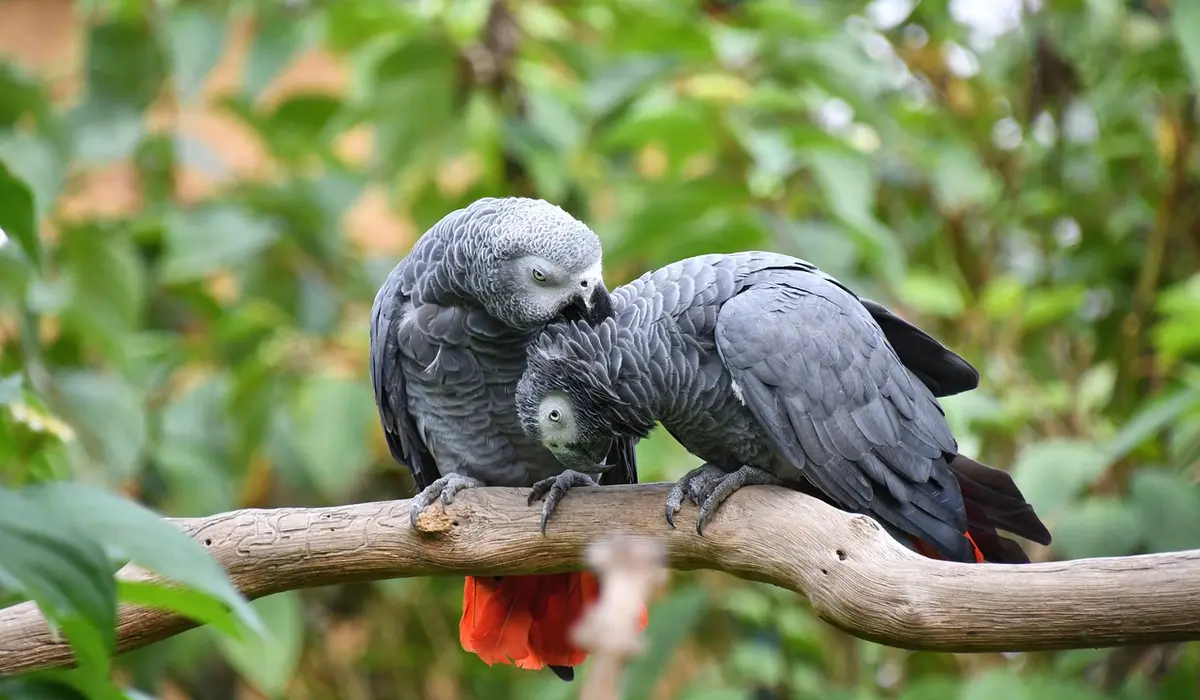
Training plateaus often sneak up when you least expect them, leaving you and your parrot feeling a bit stuck. From my own flock, I’ve noticed these stalls usually trace back to three main culprits: inconsistent daily practice, low motivation from boring rewards, or environmental stressors like a noisy room.
My Green-cheeked Conure, Kiwi, once hit a wall because our training schedule was all over the place-life just got busy!
- Inconsistent practice sessions disrupt learning rhythms.
- Low motivation arises when treats or praise don’t excite your bird anymore.
- Environmental stressors include loud noises, new pets, or changes in cage placement.
Plateaus tend to pop up right after your parrot masters a simple trick, or when you’re pushing for more complex skills like flight recall. They can last from a few days to several weeks, depending on your bird’s personality and how you adjust your approach. In the ultimate guide foraging, you’ll learn to turn these plateaus into enrichment opportunities using puzzle feeders and foraging toys. This approach keeps training engaging while enriching your parrot’s diet.
Always prioritize your parrot’s welfare; if they seem stressed, it’s time for a break and some fun enrichment instead.
Why Plateaus Happen
Understanding the “why” helps you fix the problem faster. Poor timing with clickers or treats can confuse your parrot, making it hard for them to connect actions with rewards.
- Unclear training goals leave both you and your bird guessing what comes next.
- Reinforcement schedule issues, like rewarding too infrequently, reduce enthusiasm.
- Physical factors such as molting or illness can temporarily slow progress.
I learned this the hard way with Sunny, my Sun Conure; when I rushed through steps, she’d just lose interest and fly off!
When and How Long Plateaus Last
Plateaus often strike during big leaps in training, like moving from step-ups to harness training. They’re most common after initial successes, when the novelty wears off, or when tasks get tougher.
- Typical occurrence points include transitioning to new behaviors or increasing duration.
- Average durations range from a week to a month, but vary by individual bird.
Manage expectations by staying patient; my African Grey, Sage, took three weeks to overcome a speaking plateau, but consistent, gentle practice paid off.
Step-by-Step Strategies to Overcome Plateaus
When you’re stuck, small tweaks can make a huge difference. Start by breaking down the skill into tinier steps and rewarding any effort, not just perfection.
I use shaping and target training daily-like guiding Kiwi to touch a stick for a treat-to build confidence slowly.
- Adjust criteria by lowering expectations temporarily to regain momentum.
- Switch up rewards; try fresh fruits or favorite toys to reignite interest.
- Practice in short, consistent sessions to avoid burnout.
Gradual progression is key; rushing only leads to frustration for both of you.
Adjust Training Criteria and Methods
If your parrot isn’t responding, it’s time to mix things up. Use differential reinforcement by rewarding better attempts more generously, which encourages improvement. Establishing a consistent training routine helps address behavioral issues. Regular, structured sessions reinforce good habits and improve communication.
- Change practice routines by alternating between morning and evening sessions.
- Incorporate successive approximations, rewarding closer and closer attempts to the goal.
- Simplify complex tasks into manageable chunks.
With Sunny, I shifted from daily drills to every other day, and her engagement soared!
Enhance Motivation and Environment
Boosting motivation can turn a slump into a breakthrough. Introduce new, high-value rewards like nuts or shreddable toys to make training exciting again.
- Modify the training space by reducing distractions or adding perches for comfort.
- Incorporate play into sessions to keep things light and fun.
- Observe your parrot’s body language; if they’re relaxed, you’re on the right track.
Remember, a happy bird learns faster, so always tie training to their natural curiosity and need for enrichment.
Using Positive Reinforcement to Move Forward
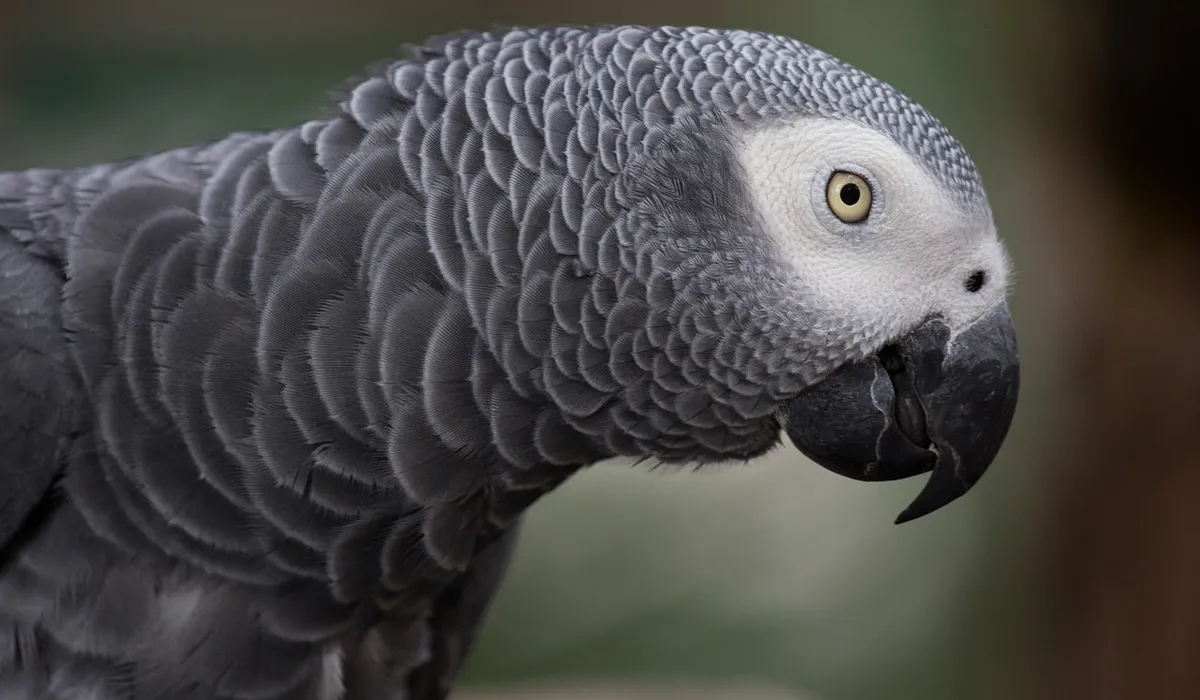
When your parrot hits a training wall, positive reinforcement is your best tool for breaking through. A solid starting point for beginners is target training—the foundational skill highlighted in many beginner’s guides. This builds focus and makes subsequent tricks easier. I’ve seen my Green-cheeked Conure, Kiwi, master complex tricks simply because I consistently rewarded his efforts with something he truly valued.
Mastering Clicker Training and Timing
A clicker marks the exact moment your parrot does something right. The sound tells them, “Yes! That’s what I wanted!” Perfect timing builds a clear line of communication between you and your bird, making learning faster and less confusing for them.
- Click the instant the desired behavior happens, then immediately give a treat.
- Keep training sessions short-just 5 to 10 minutes-to hold their attention.
- Practice in a quiet room with few distractions for better focus.
Varying Rewards to Keep Interest High
Parrots are smart and get bored with the same old peanut. Switching up rewards keeps training exciting and motivates your bird to participate willingly. For cognitive enrichment, include brain games to keep your parrot sharp. Explore 10 brain games to challenge its mind and sustain interest.
- Use a mix of high-value treats: small pieces of walnut, a bit of millet spray, or a chunk of apple.
- Incorporate non-food rewards like head scratches, verbal praise, or a favorite toy for a few seconds.
- Watch your parrot’s reaction to see what they love most each day-their preferences can change!
Smart Reinforcement Schedules
Once a behavior is learned, you don’t need to reward it every single time. Moving to a variable reinforcement schedule, where rewards come unpredictably, makes the behavior stronger and more reliable.
- Start by rewarding every correct response when teaching something new.
- Gradually reward only every second or third success, then randomize it.
- This approach prevents frustration and keeps your parrot guessing and trying.
Tracking Progress and Owner-Trainer Collaboration
Sometimes the problem isn’t your parrot-it’s our approach. Keeping a simple log of your training sessions can reveal patterns you’d otherwise miss, showing you exactly where to adjust your methods.
Simple Data Tracking Methods
You don’t need anything fancy to track progress. A basic notebook or a notes app on your phone works perfectly for recording daily successes and challenges.
- Note the date, behavior practiced, number of successful attempts, and what reward was used.
- Jot down your parrot’s mood and energy level-this affects their learning capacity.
- Review your notes weekly to spot improvements or recurring issues.
When to Change Your Training Approach
If you’ve been stuck for weeks with no progress, it might be time to switch things up. I had to completely change my reward system with my Sun Conure, Sunny, when she lost interest in training-sometimes a fresh approach is all you need.
- Consider trying a new training location or time of day.
- If you work with multiple family members, ensure everyone uses the same commands and techniques.
- Seek advice from an avian behavior consultant if you’ve tried everything without results.
The Power of Consistency and Patience
Breaking through plateaus requires steady, patient effort. Consistency in your training routine builds trust and helps your parrot understand what you expect from them. In a guide that compares training methods across different parrot species, you’ll see how methods differ and learn how to tailor your approach. This awareness helps you adapt routines to each parrot’s temperament.
- Train at the same time each day to establish a predictable routine.
- Keep your commands and hand signals identical every session.
- Remember that some days will be better than others-parrots have off days just like we do.
FAQs
How long do parrot training plateaus last?
Parrot training plateaus can last from a few days to several weeks depending on the bird and the situation. Staying patient and consistent with adjusted techniques will help your parrot push through more quickly.
Should you change trainers during a parrot training plateau?
Changing trainers is rarely needed unless there is a major inconsistency in handling or commands. Focus first on refining your own methods and ensuring all family members use the same approach to avoid confusion.
What training changes break a parrot plateau?
Simplify tasks by breaking them into smaller, manageable steps and reward any progress to rebuild momentum. Switching up rewards, session times, or the training environment can also help reignite your parrot’s interest. If your parrot seems bored, it may need more challenge or varied stimuli. These tips can help you keep training engaging and address boredom.
How can reinforcement be used to move past a parrot training plateau?
Use immediate positive reinforcement with high-value treats or praise to mark desired behaviors clearly. In the world of positive reinforcement training parrots, this approach builds trust and clear communication. It helps make training a cooperative, enjoyable process. Varying the types and schedules of rewards keeps your parrot engaged and motivated to learn.
How can you track progress during a parrot training plateau?
Keep a simple log noting successes, challenges, and your parrot’s mood after each session to identify patterns. This log serves as the starting point for the ultimate parrot problem diagnostic guide, a step-by-step troubleshooting checklist you can follow. Reviewing this data weekly helps you spot small improvements and adjust your strategy effectively.
Closing the Loop
When you feel stuck, remember that consistency is your best friend. Break down your training goals into tiny, manageable steps and celebrate every small win with your parrot. If biting is a concern, a step-by-step training guide can help. Use it to break the behavior into staged, positive-reinforcement steps. Stay patient, mix up your rewards, and always pay close attention to your bird’s unique personality and mood.
Training is a lifelong conversation between you and your parrot. Committing to your parrot’s care means embracing continuous learning and adapting to their needs throughout their long life. Your dedication to understanding them builds a bond that goes far beyond simple tricks. Teaching your parrot talk cues is a practical extension of this conversation. It really means learning to listen and respond so your parrot can express what they need.
Further Reading & Sources
- Parrot Training
- Parrot training – Wikipedia
- How to Train a Parrot: 15 Steps (with Pictures) – wikiHow
Suzanne Levine is a dedicated parrot enthusiast and experienced avian caregiver with over 15 years of hands-on experience in parrot care. As the founder of Parrot Care Central, Suzanne is passionate about sharing her knowledge and insights to help fellow parrot owners provide the best possible care for their feathered friends. Her expertise spans nutrition, behavior, health, and enrichment, making her a trusted resource in the parrot care community.
Obedience Training