
Decoding Parrot Bites: Fearful vs. Aggressive Signs
When your parrot bites, it can leave you puzzled and worried about what your feathered friend is really trying to say.
I’ve spent years caring for parrots like Kiwi, my curious Green-cheeked Conure, and I’m here to help you spot the difference with clear, easy-to-follow insights.
You’ll learn key takeaways such as:
- Body language cues that signal fear versus aggression
- How the bite feels and looks in each situation
- Simple steps to respond safely and build trust
Rest assured, you’ll get practical advice based on real experiences to keep both you and your parrot happy.
Topics covered include: fearful bite indicators, aggressive bite signals, prevention strategies, handling tips, and common mistakes to avoid
Understanding Parrot Biting Basics
A parrot bite is more than just a pinch; it’s their primary tool for exploring the world and expressing big feelings. Their beaks function like a combination of hands, tools, and a voice, used for everything from preening feathers to cracking nuts and communicating discomfort. Often that nibble on fingers is playful, but a firmer bite signals a warning.
The core difference lies in the parrot’s emotional state. A fearful bite is a defensive “get away from me” signal, while an aggressive bite is an offensive “this is mine” or “I’m in charge” statement. Understanding this motivation is your first step to a safer relationship.
Parrots communicate volumes through posture, feather position, and sound long before they ever consider biting. Learning this subtle language is like learning to listen to a friend who speaks with their whole body instead of just words. My conure, Kiwi, will gently nibble my finger to show affection, but the moment her body stiffens, I know the mood has shifted.
Spotting Fearful Bite Warning Signs
Fearful parrots scream “I’m scared!” with their entire body. You’ll notice a combination of these cues that escalate as their anxiety grows. Understanding why your parrot screams helps you stop it. We’ll cover common triggers and practical steps to calm your bird.
- Eye pinning (rapidly dilating and constricting pupils)
- Flattened body posture or crest feathers
- Retreating to the back of the cage or perch
- Hissing or low, guttural growls
- Actively turning their head or body away from you
Their vocalizations often become higher-pitched or sharp. A parrot trying to avoid contact is practically shouting that they need space, and ignoring these pleas is a fast track to a bite. My sun conure, Sunny, gets very quiet and still when frightened, a stark contrast to his usual cheerful chirps.
Fearful Body Language Clues
Fear manifests in tiny, telltale shifts in posture and feather placement. Watch for these specific signs.
- Feathers puffing up to make themselves look bigger
- A slight wing droop, ready for a quick escape
- Consistently avoiding direct eye contact
- Tucking their head low and tight against their body
- Standing on both feet in a ready-to-flee stance
A fearful parrot’s entire posture screams tension, like a coiled spring waiting for release. My African Grey, Sage, will subtly lean away from a new object, her calm demeanor replaced by a rigid stillness that tells me everything.
Causes of Fearful Biting
Fearful reactions are often triggered by the unknown or the unexpected in their environment.
- Sudden, fast movements near them
- Introduction of new, unfamiliar objects or people
- Loud, unpredictable noises (vacuum cleaners, shouting)
- Changes in their cage layout or room furniture
- Being approached from above (a predator-like gesture)
Some species, like many cockatiels and some Amazons, can be more genetically predisposed to nervousness. Creating a predictable, calm environment is the single best way to prevent these fear-based incidents from ever starting. Understanding their individual triggers builds a foundation of trust.
Identifying Aggressive Bite Indicators
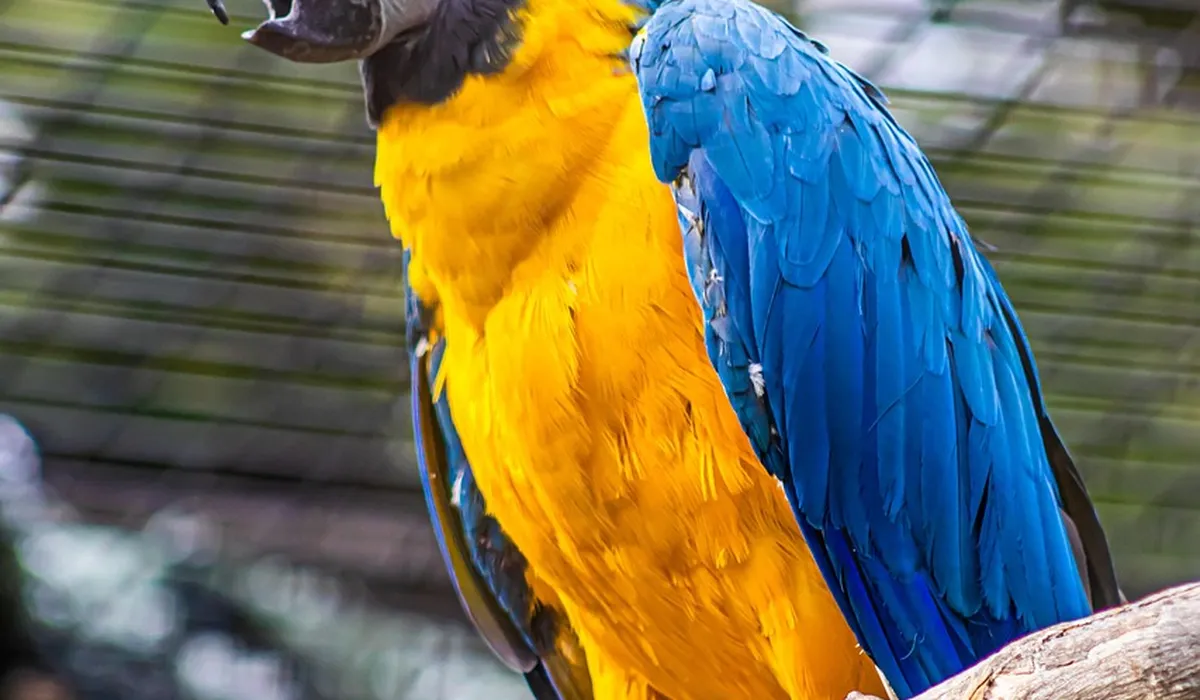
An aggressive bite feels intentional and often comes with a clear set of warnings your parrot gives you first. Recognizing these signs is your best defense against a painful pinch.
- Warning signs include a sudden lunge toward your hand, a loud and deliberate snapping of the beak, and the feathers around the neck and head standing straight up.
- Postures are key; look for a defensive, wide-legged stance, a lowered head, and “hackles up” where the body feathers are fluffed to make them look bigger.
- Typical triggers often involve protecting their cage, a favorite person, a specific toy, or food dish. Hormonal surges during breeding season are also a massive factor.
Aggressive Body Language Signals
Aggression has a very different energy from fear. It’s confident and direct. An aggressive parrot is not trying to get away; it’s trying to make you go away.
- Watch for tail fanning, where the tail feathers spread wide like a warning flag.
- Notice intense muscle tension; the body is rigid and ready to strike, not fluffed and cowering.
- Head bobbing can be a sign of excitement, but paired with pinned eyes and a stiff body, it’s a clear challenge.
My Sun Conure, Sunny, will do a rapid, jerky head bob when he’s over-stimulated and feeling feisty, which is my cue to back off. This is totally different from the slow, cautious movements of a scared bird.
Triggers for Aggressive Bites
Understanding *why* your parrot bites aggressively helps you prevent it from happening. When you ask, “why is my parrot being aggressive?”, identifying the root cause behind each bite matters. Pinpointing the trigger lets you address the underlying issue rather than just the symptom. Most aggression boils down to three core motivators: territory, possessions, and hormones.
- Territoriality is huge. Your bird may see its cage, a particular room, or even you as property to be defended.
- Resource guarding is common with high-value items like a favorite nut or a shreddable toy.
- Hormonal changes can turn a sweet bird into a territorial one for weeks at a time.
Some species, like lovebirds and some conures, are naturally more prone to territorial aggression, especially around their cages. My Green-cheek, Kiwi, is an angel outside his cage but will defend its entrance with gusto!
Responding Right After a Bite
Your reaction in the seconds after a bite can either mend the relationship or break trust for good. Staying calm is the single most important thing you can do.
- For both bite types, your first step is the same: do not yell, fling your hand, or punish the bird. Gently put them down or place them back on their cage.
- Immediately assess your injury. A fearful bite is often a quick, hard pinch, while an aggressive bite may be a sustained, crushing grip that breaks skin.
- Wash the wound thoroughly with soap and water. A parrot’s beak carries bacteria, and even a small puncture can become infected.
- Give yourself and your parrot a moment to decompress. The situation is tense for both of you.
Calming Techniques Post-Bite
Once the initial shock has passed, you need to rebuild a sense of safety. Punishment never works with parrots; it only teaches them to fear you more. For a rescue or rehomed parrot, patient, positive training helps them relearn trust. Start with short, calm sessions and predictable routines to help them settle into their new home.
- Use slow, deliberate movements around your bird. No sudden grabs or fast approaches.
- Offer them space. Sometimes the kindest thing is to leave the room for 10-15 minutes to let everyone’s heart rate return to normal.
- Use a gentle, soothing tone of voice. You can talk softly to them from across the room to reassure them that the conflict is over.
I’ve found that after a tense moment with my African Grey, Sage, simply sitting near her cage and reading a book aloud in a calm voice works wonders to re-establish a peaceful vibe without any pressure.
Preventing Future Bites Through Training
Building trust with your parrot takes daily effort, but the reward is a bond that lasts a lifetime. I’ve found that slow, gentle interactions with my Green-cheeked Conure, Kiwi, completely transformed our relationship from one of fear to one of mutual respect. To keep that trust growing, bonding techniques that work emphasize consistency, patience, and positive reinforcement.
Trust-Building and Desensitization
Start with simple exercises that don’t require direct contact.
- Sit near the cage and read a book aloud, letting your parrot get used to your calm presence.
- Offer high-value treats, like a piece of walnut, through the cage bars without expecting a step-up.
- Gently introduce new objects from a distance, rewarding calm behavior with a favorite food.
Positive Reinforcement Strategies
This method focuses on rewarding the behaviors you want to see more of.
- Use a “clicker” or a specific word like “good” the instant your parrot makes a positive choice.
- Immediately follow the marker sound with a tiny, delicious treat they don’t get at other times.
- Always reward voluntary steps onto your hand, creating a positive association with your presence.
Environmental Adjustments
A parrot’s environment heavily influences their mood and sense of security.
- Place the cage in a quiet corner where your parrot can observe family life without being in the main traffic flow.
- Ensure they have multiple perches at different heights to choose from, giving them a sense of control.
- Rotate toys frequently to prevent boredom, which is a common trigger for nippiness.
Long-Term Behavior Modification
Consistency is the magic ingredient for lasting change with parrots.
Short, daily training sessions of just 5-10 minutes are far more effective than one long, stressful hour on the weekend. My Sun Conure, Sunny, thrives on this predictable routine.
- Incorporate training into bonding activities like shared mealtimes, where you eat your healthy snacks while they enjoy theirs.
- Practice “step-up” and “step-down” commands every single day to reinforce that your hands are safe and predictable.
Patience is not just a virtue; it’s a requirement. Progress with parrots is rarely a straight line, and setbacks are normal.
When to Seek Professional Help
Sometimes, despite our best efforts, we need to call in an expert.
A sudden, drastic change in your parrot’s behavior is often the biggest red flag that something deeper is wrong. If your normally sweet bird becomes consistently aggressive, it’s time to look for answers. Sometimes a health issue or environmental stress is behind the change. When in doubt, seek help from an avian veterinarian or a certified behaviorist for your parrot’s behavioral issues.
- Seek an avian veterinarian if the biting is paired with signs of illness, like fluffed feathers, lethargy, or a change in droppings.
- Consult a certified avian behaviorist if the biting is frequent, intense, and doesn’t improve with consistent training over several weeks.
- Get immediate help if your parrot starts self-mutilating, like plucking out their own feathers, as this indicates severe distress.
There is no shame in asking for help. I sought guidance for my African Grey, Sage, when she developed a fear of new perches, and the professional insight was invaluable for her welfare.
Species and Age Factors in Biting
Not all parrots bite for the same reasons, and their species plays a huge role. My Green-cheeked Conure, Kiwi, nips more from overstimulation, while my Sun Conure, Sunny, will bite if she feels ignored. Understanding these natural tendencies helps you respond appropriately instead of taking it personally. Understanding why parrots bite—what causes and triggers it—helps you respond effectively. When you know the triggers, you can adjust your interactions and environment to prevent bites.
- Conures (like my Kiwi and Sunny): Often “pressure test” with their beaks. A fearful bite is quick and defensive, while an aggressive one is a sustained, hard clamp, usually over territory or jealousy.
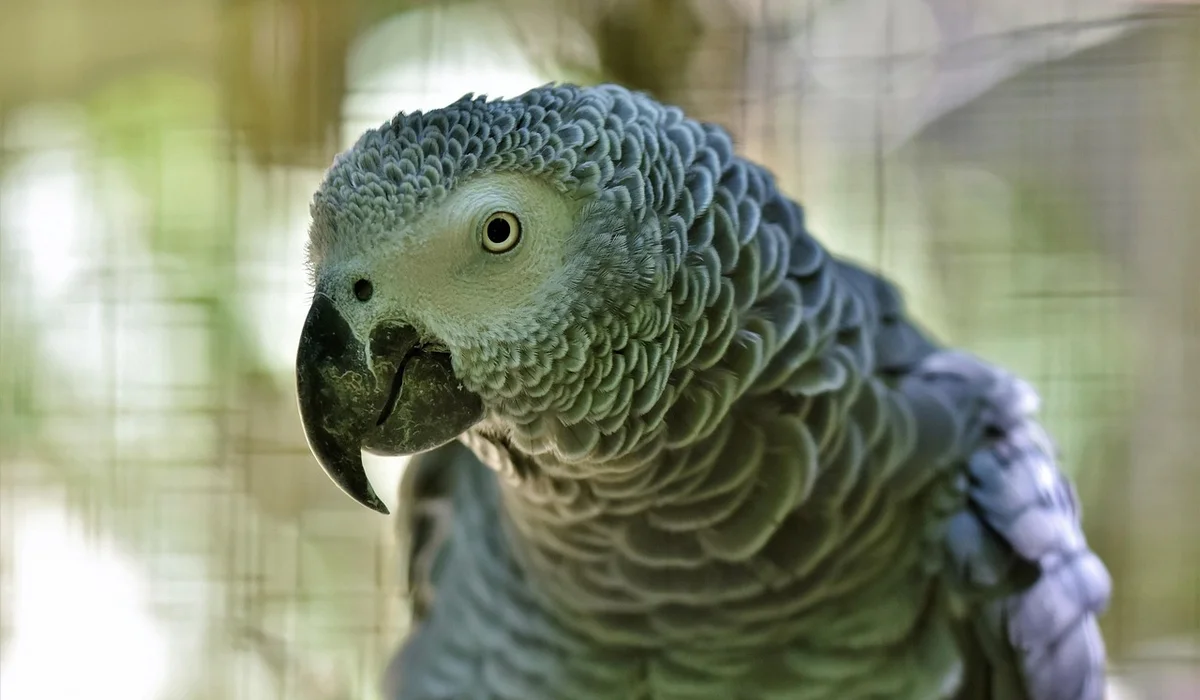
- African Greys (like my Sage): Rarely bite without clear warning. A fearful Grey might lean away and puff up, whereas an aggressive bite is calculated, often stemming from frustration with a change in routine or a lack of mental stimulation.
- Cockatoos: Prone to fearful biting when startled. Their aggressive bites are typically linked to hormonal surges and can be severe, aimed at driving you away from their perceived mate or nest.
- Macaws: Use their powerful beaks for communication. A fearful macaw bite is a lightning-fast snap. An aggressive bite is a deliberate, crushing action used to assert dominance or protect a valued resource.
- Budgies and Cockatiels: Their bites are mostly fear-based. A truly aggressive bite is rare and usually a hard pinch from a hormonal bird guarding a nest box.
Age dramatically shifts a parrot’s biting motivations. I’ve raised Kiwi from a fledgling, and her juvenile nibbling was worlds apart from the deliberate bites I’ve seen from rehomed adult birds. Their needs and communication styles evolve as they mature.
- Juvenile Parrots (Under 1-3 years): Biting is primarily exploratory and fear-based. They test beak pressure, react to unfamiliar sights/sounds, and are learning social boundaries. It’s like a toddler grabbing things-they don’t mean harm.
- Adolescent Parrots (Puberty, 1-5 years depending on species): This is when aggression often surfaces. Hormonal changes can make them territorial, moody, and more likely to deliver a true “get away from me” bite. Consistent training is vital here.
- Adult Parrots (Mature): Bites are typically deliberate. Fear-based bites happen, but aggressive bites are more common, rooted in established territorial behaviors, mate guarding, or learned responses from their past.
- Senior Parrots: May bite more due to pain or fear from declining eyesight or arthritis. What looks like aggression is often just a scared, uncomfortable bird.
Seeing the world through their eyes builds a safer, happier bond. Always approach a parrot with calm respect for its species instincts and life stage. This perspective turns a scary bite into a solvable conversation.
FAQs
What body language indicates a parrot is about to bite fearfully?
Look for flattened body posture, eye pinning, and attempts to retreat or hide. These signs show the parrot is scared and may bite defensively to create distance. Anger signals are also common warning signs to watch for. Being aware of these cues helps you respond calmly and avoid escalation.
How can I tell if a bite is aggressive based on the parrot’s actions?
Aggressive bites are often preceded by lunging, loud beak snapping, and raised feathers around the head and neck. This behavior signals dominance or territoriality rather than fear.
What immediate steps should I take after a fearful bite to prevent future incidents?
Remain calm and gently place the parrot back in a safe space to avoid reinforcing the fear. Use slow movements and a soothing voice to rebuild trust over time. For a calm, scared, or stressed parrot, these gentle steps can ease anxiety. With patience, you can help the bird regain its confidence.
Wrapping Up
Remember, a fearful parrot bite is a panicked reaction, while an aggressive bite is a deliberate, confident act. Paying close attention to your bird’s body language—like pinned eyes and a stiff posture—before a bite happens is your best tool for prevention and building a stronger, more trusting bond. Regular, gentle socialization with your parrot helps prevent fear-based biting. Expose them to new people and environments slowly and positively to build trust.
Being a fantastic parrot owner means committing to a lifelong journey of learning and patience. Continue to deepen your understanding of their complex needs and behaviors, ensuring you provide a safe, enriching, and loving home for your feathered companion.
Further Reading & Sources
- Managing parrot bite injuries to the hand: not just another animal bite – PMC
- Why Does My Parrot Bite Me (And How To Avoid It)?
- 3 Examples of the Unexpected Parrot Bite and What You Can do to Avoid it
Suzanne Levine is a dedicated parrot enthusiast and experienced avian caregiver with over 15 years of hands-on experience in parrot care. As the founder of Parrot Care Central, Suzanne is passionate about sharing her knowledge and insights to help fellow parrot owners provide the best possible care for their feathered friends. Her expertise spans nutrition, behavior, health, and enrichment, making her a trusted resource in the parrot care community.
Socialization