
Best Toys and Enrichment Activities to Prevent Boredom and Stress
Published on: January 26, 2026 | Last Updated: January 26, 2026
Written By: Suzanne Levine
Is your pet showing signs of boredom or stress, like constant pacing or destructive chewing? I’ve faced this with my own birds, Kiwi and Sunny, and it’s a real concern for their well-being.
As an experienced pet owner, I’ll guide you through practical solutions to keep your furry or feathered friend engaged and happy.
Here are the key takeaways we’ll cover:
- Match toys to your pet’s personality for maximum fun and comfort.
- Use simple DIY activities to stimulate their minds and bodies.
- Monitor behavior changes to prevent stress before it starts.
You’ll get straightforward advice you can start using today.
We’ll dive into: interactive toys, foraging games, social enrichment, and safety checks.
Spotting Boredom and Stress in Your Parrot
Your parrot can’t tell you it’s feeling down, but its actions speak volumes. I’ve learned to watch my flock’s behavior like a hawk, noticing the smallest shifts that signal trouble. Catching these signs early can make all the difference. That’s why I rely on the ultimate parrot problem diagnostic guide—a step-by-step troubleshooting checklist that translates behavior into clear next steps. It helps pinpoint what your bird needs and how to address it before problems escalate.
Common Signs Your Parrot is Bored or Stressed
- Feather Plucking or Self-Mutilation: This is a major red flag. My Green-cheeked Conure, Kiwi, started plucking chest feathers during a period when I was too busy. It was a heartbreaking wake-up call.
- Excessive Screaming or Vocalization: A bored parrot is a loud parrot. It’s not just noise; it’s a plea for interaction and mental engagement.
- Repetitive Pacing or Bar Chewing: If your bird is constantly walking the same path on a perch or gnawing on cage bars, it’s a classic sign of frustration and confinement.
- Loss of Appetite or Overeating: Just like people, parrots can have their eating habits disrupted by stress. A sudden change is worth investigating.
- Aggression or Fearfulness: A normally sweet bird that starts biting or flinches at your approach is communicating deep discomfort.
Ignoring these signals doesn’t just lead to an unhappy bird; it can spiral into serious health problems that are hard to reverse. Your proactive observation is their first line of defense.
Must-Have Toy Types for Parrot Play
Toys aren’t luxuries for parrots; they are necessities for a healthy mind. From my years of living with parrots, I’ve found that variety isn’t just the spice of life – it’s the foundation of their psychological well-being. Rotating different toy types keeps their environment dynamic and exciting. In my ultimate guide to parrot playstands, I compare DIY builds with store-bought setups to help you choose the best fit for your space and budget. Whether you build or buy, the goal is safe, engaging structures that invite exploration.
Foraging Toys: Engage Their Inner Hunter
In the wild, parrots spend most of their day searching for food. Foraging toys replicate this natural behavior, turning mealtime into a rewarding puzzle. I hide pieces of walnut or a bit of fruit inside foraging boxes for my African Grey, Sage. The focused effort keeps her mind sharp and prevents boredom. If you’re unsure about what treats to use, check what parrots eat in the wild to get ideas for natural and healthy options.
- Foraging Wheels and Balls
- Puzzle Boxes with sliding doors
- Shreddable Paper stuffed with treats
Shredding & Destroying Toys: Let Them Wreck It!
Parrots have a natural, powerful need to chew and shred. Providing safe, destructible outlets for this instinct saves your furniture and satisfies their soul. My Sun Conure, Sunny, goes wild for cardboard rolls and softwood blocks. The sheer joy she exhibits is a sight to behold.
- Balsa Wood Blocks
- Cardboard and Paper Toys
- Palm Leaf and Seagrass Mats
Noise-Making & Manipulative Toys
Bells, rattles, and items with moving parts are fantastic. These toys satisfy their curiosity and need for auditory and tactile feedback. Kiwi loves a toy with little plastic chains and bells; the noise she makes while playing is pure, happy chatter.
- Stainless Steel Bells
- Acrylic Toys with moving parts
- Baby Toys (ensure they are bird-safe and non-toxic)
Preening & Comfort Toys
Sometimes, parrots need softness. Cotton ropes or soft fleece toys can offer comfort and an outlet for preening behaviors. Just always supervise with rope toys to ensure no threads get tangled around little toes.
- Knots of 100% natural cotton rope
- Soft, dyed-free fleece strips
- Cuddle huts (for species that prefer them)
Fun Enrichment Activities for Mental Exercise
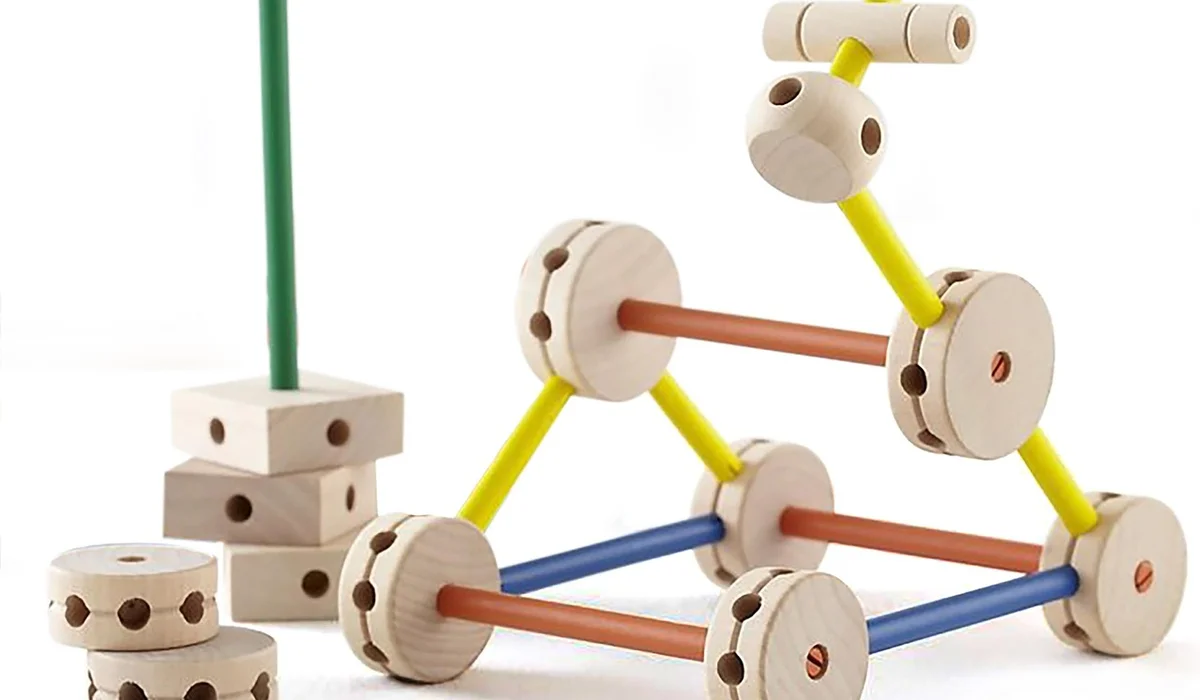
Parrots are incredibly smart, and a bored brain is a stressed brain. Keeping your parrot mentally engaged is just as vital as providing a healthy diet. If you’re wondering why your parrot is bored, you’re not alone. I found that enrichment and a bit of routine can make all the difference. I learned this the hard way with my African Grey, Sage, who started plucking his feathers out of sheer boredom. We turned it around with these brain games.
Foraging Fun: The Ultimate Game
In the wild, parrots spend most of their day searching for food. Replicating this natural foraging behavior is the single best way to satisfy their mental needs. Start simple by hiding a favorite treat inside a crumpled paper ball. Our ultimate guide to foraging can enrich your parrot’s diet. It covers more ideas to keep meals balanced, flavorful, and engaging.
- Paper Treasure: Crumple a plain paper towel and hide a nut or pellet inside.
- Cardboard Cube: Stuff a small cardboard box with shredded paper and treats.
- Puzzle Power: Invest in a foraging wheel or a toy they must manipulate to get a reward.
Training Sessions: Bonding Through Learning
My Green-cheeked Conure, Kiwi, lives for our five-minute training sessions. Short, positive training builds trust and gives your parrot a huge sense of accomplishment. Use their favorite seed or a bit of fruit as a reward.
- Start with “Target Training.” Have them touch a chopstick with their beak.
- Move on to a simple “Step Up” command onto your hand.
- Eventually, you can teach them to turn in a circle or even play basketball with a wiffle ball!
Puzzle Toys for Problem Solving
Puzzle toys are like giving your parrot a Rubik’s Cube. These toys challenge their problem-solving skills and can keep them occupied for a surprisingly long time. My Sun Conure, Sunny, will work tirelessly to unscrew a nut from a bolt.
- Look for toys with multiple layers or compartments to unlock.
- Choose puzzles made from safe, untreated wood and stainless steel.
- Always supervise the first few play sessions to ensure they use it safely.
How to Get Your Parrot Excited About Toys
It can be frustrating when you buy a beautiful new toy and your parrot completely ignores it. The secret isn’t the toy itself, but how you introduce it into their world. I’ve brought home many a dud before figuring out these techniques.
Play With the Toy Yourself
Parrots are flock animals and learn by watching. Your enthusiasm is contagious, so make a show of how fun the new toy is. I’ll often sit near Kiwi’s cage and gently roll a new wooden ball, making happy, curious sounds. Her natural curiosity almost always gets the better of her.
Rotate the Toy Collection
Leaving the same toys in the cage for weeks on end makes them part of the boring furniture. A simple rotation system makes old toys feel new and exciting again. I keep a bin of “retired” toys and swap out two or three in the cage every week.
- This prevents habituation, where the bird simply stops seeing the toy.
- It’s a budget-friendly way to keep the environment fresh and stimulating.
Make it a Shared Experience
The best way to build positive associations is to play together. Attach a new toy to the outside of the cage or playstand and interact with it together. Gently ring a bell toy or dangle a rope while talking to your bird. This shows them the toy is safe and part of our fun flock time.
Incorporate Tempting Treats
If your parrot is particularly wary, use their stomach to guide them. Weave a piece of millet or attach a dried chili pepper to a new shreddable toy. The desire for the treat will often override their hesitation, and they’ll discover the joy of the toy in the process. For safety, focus on making safe, fun homemade toys for your parrot using bird-friendly, non-toxic materials, and supervise initial play.
DIY Toy and Activity Ideas You Can Make at Home
You don’t need a big budget to keep your parrot’s mind buzzing. Some of the best enrichment comes from simple household items that encourage natural foraging and shredding behaviors. My Green-cheeked Conure, Kiwi, would rather play with a cardboard box than the most expensive store-bought toy any day.
Foraging Fun with Paper Rolls and Boxes
Transform your recycling bin into a treasure trove of parrot fun.
- Toilet Paper Roll Surprise: Fold one end of a clean paper roll, fill it with a few nutri-berries or pellet treats, and fold the other end shut. Your parrot will love the challenge of ripping it open to find the prize.
- Cardboard Box Fortress: Take a small cardboard box, punch a few holes in it, and hang it in the cage. I stuff Sage’s box with crinkly paper and a few almonds, and she’ll work on it for hours.
- Muffin Tin Mystery: Use a clean muffin tin and cover the cups with crumpled paper, small balls, or bottle caps. Hide a treat in a few of the cups and watch your feathered friend have a blast uncovering them.
Safe and Edible Shreddables
Parrots have a primal need to shred. Providing safe outlets saves your furniture and their sanity.
- Pine Cone Play: Find clean, dry pine cones. Ensure they haven’t been treated with any chemicals. You can even smear a little mashed banana or unsalted nut butter in the crevices for an extra tasty challenge.
- Veggie Kabobs: Skewer chunks of bird-safe vegetables like carrots, bell peppers, and zucchini on a stainless-steel kabob holder. Hang it in the cage for a healthy, destructible snack.
- Paper Bag Hideout: A simple brown paper lunch bag with a few treats inside is an instant hit. My Sun Conure, Sunny, loves pouncing on them and hearing the crinkle.
Creating a Daily Enrichment Schedule
A predictable routine reduces anxiety, but the activities within that routine should offer delightful surprises. Structure provides security, while variety within that structure provides the mental stimulation your parrot craves. I’ve found this daily rhythm works wonders for my flock’s mood and prevents those loud, attention-seeking screams.
Morning: Foraging and Exploration
The first few hours of daylight are prime activity time for parrots.
- Breakfast Foraging: Instead of putting food in a boring bowl, scatter it in their play gym tray or hide it in a foraging toy. This makes them “work” for their meal, just like they would in the wild.
- Out-of-Cage Time: If possible, let your parrot out for supervised exploration. Rotate which safe rooms they get to investigate to keep things fresh.
- New Toy Introduction: The morning is the best time to introduce a new DIY or store-bought toy. Their brains are sharpest and most receptive to novel challenges.
Midday: Social Interaction and Play
This is often a quieter period, perfect for focused bonding.
- Training Session: Spend 5-10 minutes on training. Practice simple commands like “step-up” or fun tricks like turning in a circle. Use their favorite treats as a reward.
- Destructible Toy Time: Offer one of your homemade shreddable toys. This gives them a constructive outlet for their energy while you might be busy with other tasks.
- Music or Audiobooks: If you have to be away, leaving on calm music or spoken word can be comforting. My African Grey, Sage, seems particularly soothed by classical music.
Afternoon and Evening: Winding Down
Help your parrot transition into a calm evening, signaling that it’s almost time to rest.
- Puzzle Time: Offer a more complex foraging toy or puzzle that requires problem-solving. This provides a final mental workout before dusk.
- Gentle Preening: Sit near your parrot and offer gentle head scratches or just talk softly to them. This reinforces your bond and is deeply relaxing for them.
- Final Food Check: Offer a small, healthy supper. I often give mine a sprig of millet or a piece of chopped fruit as a special evening treat.
FAQs
How can enrichment activities specifically target and reduce stress behaviors like feather plucking?
Enrichment activities redirect your parrot’s focus to engaging tasks, which can diminish stress and curb destructive habits. Providing mental challenges through puzzles and foraging satisfies their instincts and promotes healthier behaviors. To set up maximum enrichment, configure the parrot cage with varied perches, foraging toys, and rotating stimuli to keep it interesting.
What are the essential safety guidelines for selecting and maintaining parrot toys?
Always inspect toys for loose parts, sharp edges, or non-toxic materials to prevent injuries or ingestion hazards. This is a key item on the dangerous parrots safety checklist. Regularly clean and replace worn-out toys to ensure they remain safe and functional for your parrot.
What steps can I take to help a timid parrot feel comfortable with new enrichment items?
Start by placing the item near the cage without pressure, allowing your parrot to observe it from a safe distance. Use positive reinforcement with favorite treats and calmly demonstrate how to interact with the toy to build trust and interest. These bonding techniques that work emphasize patience, consistency, and gradual exposure to new items.
In Closing
The best way to keep your parrot happy is to provide a rotating menu of safe, engaging toys that satisfy their need to chew, forage, and solve puzzles. If you’re wondering how to tell if your parrot is happy, there are 10 key signs to watch for. I’ve seen my own birds, like the playful Kiwi, thrive when they have different textures and challenges to explore every single day.
Caring for a parrot is a lifelong commitment to understanding their complex emotional and intellectual world. Your journey in pet parrot care doesn’t end here; keep observing, learning, and adapting to give your feathered friend the most fulfilling life possible.
Further Reading & Sources
- 9 of the Best Stress Toys For Dogs · Kinship
- Interactive Dog Toys: How They Can Help Reduce Anxiety and Boredom in – Happy Staffy Co.
- How Fidget Toys Can help Adults With Anxiety – The Sensory Specialist PTY LTD
Suzanne Levine is a dedicated parrot enthusiast and experienced avian caregiver with over 15 years of hands-on experience in parrot care. As the founder of Parrot Care Central, Suzanne is passionate about sharing her knowledge and insights to help fellow parrot owners provide the best possible care for their feathered friends. Her expertise spans nutrition, behavior, health, and enrichment, making her a trusted resource in the parrot care community.
Enrichment Activities