
How to Determine Your Parrot’s Gender: Visual and DNA Methods
Published on: April 21, 2026 | Last Updated: April 21, 2026
Written By: Suzanne Levine
Have you ever stared at your feathered friend, completely stumped about whether it’s a male or female? This confusion is more common than you think, and not knowing can affect everything from naming your parrot to understanding its health needs and social behaviors.
I’ve been there with my own parrots, like Kiwi and Sunny, and I’m here to simplify the process for you. You’ll learn the most reliable ways to figure it out, starting with these key points:
- Visual cues like feather colors and body size that can give you hints
- DNA testing for accurate, non-invasive results
- Behavioral patterns that might indicate gender differences
By the end of this guide, you’ll feel confident in identifying your parrot’s sex. We’ll cover: Visual Identification, DNA Testing, Behavioral Indicators, and Cost Comparisons.
Why Bother Knowing Your Parrot’s Gender?
Knowing your parrot’s gender isn’t just about picking a name. It fundamentally shapes your approach to their lifelong health and happiness. From my own flock, understanding Kiwi is female helps me anticipate and manage her egg-laying cycles, preventing dangerous complications like egg binding, especially during mating and breeding season.
Hormonal behaviors can be intense and confusing for any owner. Recognizing these patterns as natural, gender-specific instincts allows you to respond with compassion instead of frustration. A male parrot might become more territorial, while a female might seek out dark, cozy nesting spots. Understanding and managing hormonal season in parrots is a crucial survival guide for any bird owner.
This knowledge is also vital for their social life. If you’re considering a second bird, knowing the genders helps prevent unexpected breeding or potential aggression. It ensures you can build a harmonious flock where every bird feels secure. That choice matters in a one-parrot vs two-parrot setup. A second bird brings companionship but also extra space, time, and potential conflicts.
Spotting the Signs: Visual Clues for Parrot Gender
For some parrot species, you can make a pretty good guess just by looking closely. Visual identification feels like a fun puzzle, but it’s only reliable for a handful of species. You’ll need a keen eye for subtle differences in size, color, and shape. Check a parrot species identification guide to see which parrots look alike and which features truly set them apart. It highlights size, plumage patterns, beak shape, and regional variations to help you tell different species apart more confidently.
Parrot Species with Clear Gender Differences
These birds are the exceptions to the rule, where males and females often look different.
- Eclectus Parrots: This is the most dramatic example. Males are vibrant emerald green, while females are stunning red and purple. You’ll never mistake one for the other.
- Some Cockatoos: With my friend’s Moluccan Cockatoo, we noticed the male had black eyes, while the female’s were a distinct reddish-brown. This eye color difference is a key clue for several large cockatoo species.
- Certain Parakeets: In budgies, look at the cere-the fleshy area above the beak. A blue cere typically indicates a male, while a tan or brownish cere points to a female, especially when she is in breeding condition.
When Parrots Look Alike: Handling Monomorphic Species
This is the reality for most parrot owners, including myself with Kiwi and Sage. Monomorphic species like African Greys, Amazon parrots, and most conures show no visible differences to the human eye. Relying on guesswork here is a recipe for error.
I learned this the hard way when a “male” Green-Cheeked Conure I knew started laying eggs! Behavior is not a reliable indicator of gender, as both males and females can display nesting, regurgitation, and territorial actions.
For these look-alike birds, the only way to be 100% certain is through scientific testing. DNA sexing is a simple, safe, and definitive method that removes all the guesswork. A vet or lab can determine gender from a single dropped feather or a tiny blood sample from a nail clip.
DNA Testing: The Science of Sexing Your Parrot

Collecting a DNA Sample Safely at Home
Gathering a sample for DNA testing feels intimidating, but I found it straightforward with my conure, Kiwi. The most common and safest method involves collecting a few freshly plucked chest or back feathers. These must be “blood feathers,” which have a visible blood supply in the quill. I gently held Kiwi, talked to her softly, and gave a quick, firm pull on one feather. She barely noticed!
If feathers make you nervous, some labs accept eggshell fragments or a toenail clipped just a millimeter past the quick. Always have styptic powder on hand during nail trims to instantly stop any bleeding. The absolute safest route is letting your avian vet do the collection, ensuring zero stress for your feathered friend.
Cost and Timing of Parrot DNA Tests
You can expect to pay between $15 and $50 for a reliable DNA sexing test. This small investment buys you absolute certainty, which is priceless for long-term care planning. I used a popular online service for my African Grey, Sage; it cost $25 and the results were back in my email within three business days.
Timing generally breaks down like this:
- Standard Mail-In Kits: 3-7 business days after the lab receives your sample.
- Express Services: As fast as 24-48 hours for an additional fee.
- Vet-Performed Tests: Often same-day or next-day results, but at a higher overall cost.
Planning ahead is wise, especially if you need the information for breeding or to settle a naming debate!
Visual Sexing vs. DNA Testing: Which Should You Pick?
Choosing a method depends entirely on your parrot’s species and your need for accuracy. Visual sexing is a fantastic, free tool for species with obvious differences, but it’s merely an educated guess for many others. My sun conure, Sunny, shows no visual clues to her gender whatsoever. For anyone training different parrot species, a parrot species comparative guide can help tailor methods to each species. It offers quick, side-by-side notes on training cues, sexing methods, and behavior so you can compare approaches at a glance.
Here’s a quick guide to help you decide:
- Pick Visual Sexing If: You have an Eclectus parrot, some cockatoos, or other sexually dimorphic species. You are simply curious and don’t need a definitive answer.
- Choose DNA Testing If: You own a species like African Greys, Amazons, or conures where males and females look identical. You are planning to breed. You need to know for health monitoring, as certain conditions are gender-specific.
From my experience, the peace of mind from a DNA test is worth it. Knowing Sage was a female helped me watch for specific issues like egg-binding later in her life. It removed all doubt and let me focus on giving her the best care possible.
Behavioral Hints: Can Actions Reveal Gender?
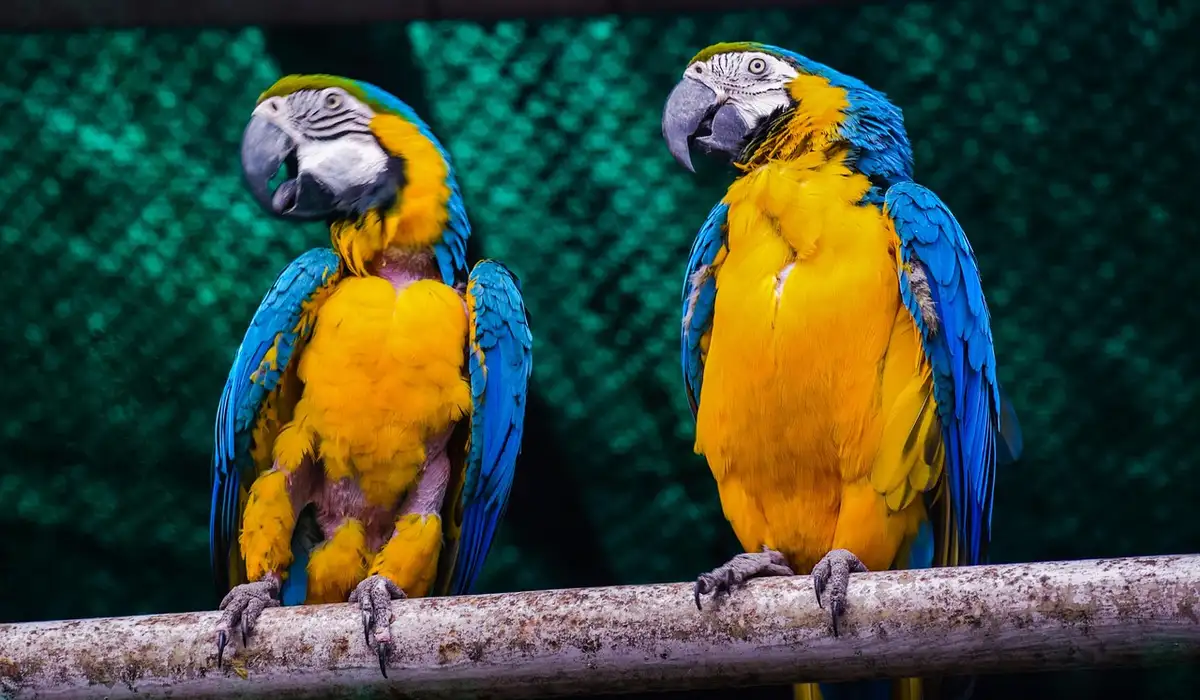
Observing your parrot’s daily habits can provide fascinating, though not definitive, clues about their gender. I’ve spent countless hours watching my flock, and I can tell you that behavior often tells a story that physical traits alone cannot. In a home setting, watching how your parrot interacts with family and other birds reveals flock dynamics and individual roles. This awareness helps you tailor routines for a harmonious household.
Hormones drive many of these actions, especially as birds reach sexual maturity.
Age and Development in Gender Clues
Young parrots, much like human children, often show very few gender-specific behaviors. The real behavioral fireworks typically start when a parrot hits sexual maturity, which can vary from one to four years old depending on the species.
My Green-cheeked Conure, Kiwi, started becoming more territorial and nesty around age two, which was my first big hint she might be female.
- Egg-Laying: This is the most undeniable sign of a female. My conure, Kiwi, once laid an egg in her food dish, removing all doubt about her gender.
- Regurgitation and Feeding: Males often try to “feed” their favorite human or a cherished toy. My Sun Conure, Sunny, does this with a specific bell, a classic male courtship behavior.
- Nesting Behavior: Females might shred paper, tuck themselves into dark corners, or become protective of a space. You’ll see them trying to create a safe spot for potential eggs.
- Vocalization Patterns: While not a hard rule, some owners and breeders note that males can be more consistently chatty or prone to learning phrases, whereas females might use louder, more frequent contact calls.
- Aggression and Territoriality: A hormonally charged female may become fiercely protective of her cage or a person she views as a mate, especially during breeding season.
Watching my African Grey, Sage, mature was a lesson in patience. Her incredibly calm and observant nature didn’t shift dramatically with age, but she did eventually display subtle nesting instincts that confirmed her gender long before we did a DNA test.
These behaviors are powerful indicators, but they are not foolproof. A “broody” male or a vocal female can easily lead you down the wrong path. You must consider the whole picture.
FAQs
Is DNA testing painful for my parrot?
DNA testing is generally painless when done correctly, using methods like feather plucking or minor nail clipping. Most parrots experience minimal discomfort, similar to a quick pinch, and recover instantly.
How reliable are behavioral indicators for sexing parrots?
Behavioral clues are not definitive and can be misleading, as both male and female parrots may exhibit similar actions like nesting or regurgitation. Relying solely on behavior often leads to incorrect assumptions about gender. For a more thorough understanding, consider the specific needs and traits of male vs female parrots when choosing a pet.
Are there any health risks associated with incorrect gender identification?
Misidentifying gender can lead to unaddressed health issues, such as failing to monitor for egg-binding in females or misunderstanding hormonal behaviors. This oversight may result in delayed veterinary care and increased stress for your parrot. Common health issues vary by species, so prevention care should be tailored to the parrot’s type. Proactive monitoring and regular veterinary checks for species-specific concerns help catch problems early and reduce stress.
Final Thoughts
Figuring out your parrot’s gender comes down to two main paths: looking for visual clues like color and behavior or getting a definitive DNA test. While visual signs can be fun to guess with, a DNA test is the only way to be 100% sure and avoid any surprises down the line. Color in parrots often comes from genetic mutations, including color mutations that create striking plumage. Understanding these color mutations helps explain why parrots are so colorful. This knowledge helps you understand their health needs and personality on a much deeper level.
Knowing your parrot’s sex is just one piece of being a great caretaker. Commit to learning about your specific parrot’s species, their unique needs, and providing a loving, stimulating home for their entire life. Your feathered friend depends on you, and that relationship is built on a foundation of continuous care and understanding. This includes knowing what pet parrots can learn and do, enhancing their mental and physical well-being.
Further Reading & Sources
- How to Tell If a Parrot is Male or Female
- Guide to Find Parrot Gender – Is My Parrot Male or Female?
- How To Tell A Female Parrot From A Male Parrot – Cuteness
Suzanne Levine is a dedicated parrot enthusiast and experienced avian caregiver with over 15 years of hands-on experience in parrot care. As the founder of Parrot Care Central, Suzanne is passionate about sharing her knowledge and insights to help fellow parrot owners provide the best possible care for their feathered friends. Her expertise spans nutrition, behavior, health, and enrichment, making her a trusted resource in the parrot care community.
Mating Behavior