
Bonding with Quaker Parrots: Taming and Socialization Made Easy
Are you struggling to connect with your Quaker parrot, feeling unsure how to earn their trust and build a lasting friendship? I’ve been there with my own birds, like Kiwi the conure, who taught me that every parrot has a unique personality waiting to blossom.
Based on my hands-on experience, I’ll share practical tips to help you succeed. You’ll learn three core strategies:
- Start with patience and gentle approaches to avoid stressing your bird.
- Use positive reinforcement to make taming a fun, rewarding experience.
- Socialize gradually to foster confidence and prevent loneliness.
I promise you’ll get clear, actionable advice that puts your parrot’s well-being first. This guide covers: reading body language, step-by-step taming methods, and introducing new people and environments.


Understanding Your Quaker Parrot’s Nature
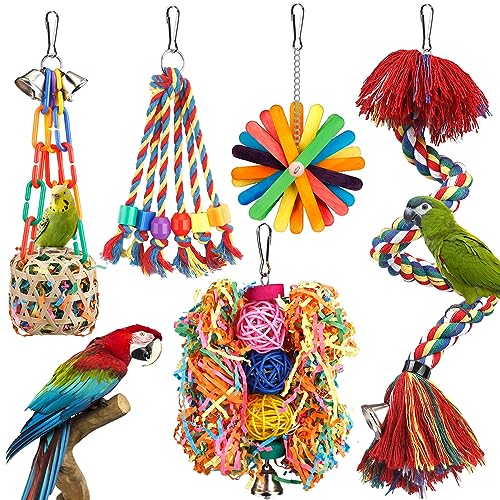
Quaker parrots pack a lot of brainpower into their small bodies, needing daily mental challenges to stay happy. Their intelligence rivals that of my African Grey, Sage, who surprises me with new words and puzzles solved effortlessly. These birds thrive on social interaction, forming tight bonds with their human families and often feeling lonely if left alone for too long. With a lifespan of 20 to 30 years, committing to a Quaker means planning for a long-term feathered friend who grows with you through life’s changes.
From my time with Kiwi, the playful Green-cheeked Conure, I learned that each parrot species has quirks, but Quakers stand out for their nest-building instincts and chatty personalities. Unlike Kiwi’s constant acrobatics, Quakers enjoy creating cozy spaces and engaging in back-and-forth “conversations” that make them feel part of the flock. Caring for them demands patience and a deep respect for their natural behaviors, ensuring they aren’t forced into situations that cause stress. I always advocate for species-specific welfare, reminding owners that a happy Quaker is one whose needs for companionship and stimulation are met daily. For prospective Quaker owners, a care and legalities guide helps navigate local laws and permit requirements. Such guides align welfare needs with legal responsibilities, making responsible ownership clearer.
Key Behaviors and Characteristics
- Vocalizations range from soft chirps to loud mimicry, often copying household sounds or learning words quickly.
- Playfulness shines through their love for toys, puzzles, and interactive games that keep their minds sharp.
- Strong bonding potential makes them loyal companions, as they see owners as flock members and seek constant closeness.
- Blue and green Quaker parrots share similar traits, with color variations having little impact on personality-focus on individual quirks instead.
Observing Sage’s calm intelligence helped me appreciate how Quakers use vocalizations not just for noise, but to communicate emotions and build trust. Their playful antics, like tossing toys or exploring new perches, remind me of Kiwi’s curiosity, but Quakers add a layer of social depth that strengthens bonds over time.
First Steps in Building Trust
Start by sitting near your Quaker’s cage for short periods each day, using a calm and soothing voice to let them get used to your presence. This simple act signals that you’re a safe companion, not a threat, and lays the foundation for deeper connection. I recall how shy Sage was initially-she’d hide when I approached, but consistent, gentle interactions built her confidence until she eagerly awaited my visits.
- Spend 10-15 minutes daily sitting a few feet from the cage, avoiding direct eye contact at first to reduce intimidation.
- Speak softly about your day or read aloud, helping your parrot associate your voice with positive experiences.
- Gradually move closer over days or weeks, watching for relaxed body language like preening or soft chirps.
- Offer treats from your hand once they seem comfortable, but never force contact if they back away.
Safety is paramount, so skip forced handling-let your Quaker set the pace to prevent fear or aggression. With Kiwi, I learned that rushing trust-building only backfired, but patience turned his wariness into playful curiosity.
Creating a Comfortable Environment
Set up a spacious cage with varied perches of different textures and diameters to support foot health and natural movement. Include safe toys like shreddable wood blocks or foraging puzzles to keep your Quaker mentally engaged and reduce boredom. Place the cage in a quiet yet social area of your home, away from loud noises or drafts, to minimize stress. From my experience, Sage’s cage near a window with a view helped her feel connected to the outside world without overwhelming her.
- Use natural wood perches and rotate toys weekly to maintain interest and prevent behavioral issues.
- Manage noise by keeping the environment predictable-sudden sounds can startle Quakers, so introduce changes slowly.
A well-designed cage isn’t just a home; it’s a sanctuary where your parrot feels secure enough to explore and bond with you. I’ve seen how a stressed bird, like Sunny during a move, calmed down once her space was rearranged with familiar items. Often, stress comes from common cage setup mistakes—these 7 critical missteps could be stressing out your parrot. We’ll walk through how to spot and fix them.

Using Treats and Positive Reinforcement
Identify your Quaker’s favorite treats, such as small fruit pieces or nuts, and use them to reward curious or brave behaviors. Positive reinforcement turns interactions into fun games, encouraging your parrot to approach you willingly instead of out of fear. When Sunny, my Sun Conure, was hesitant to step onto my hand, I’d offer a bit of almond each time she inched closer-soon, she associated my hand with happy moments.
- Start by tossing treats into the cage, then progress to holding them just outside the door once your bird shows interest.
- Reward steps like coming near or making eye contact, building up to hand-feeding over time.
Treats aren’t bribes; they’re tools that help your Quaker learn trust is rewarding and safe. I’ve used this method with all my parrots, and it consistently transforms timid birds into confident companions eager for interaction.
Reading Quaker Parrot Body Language
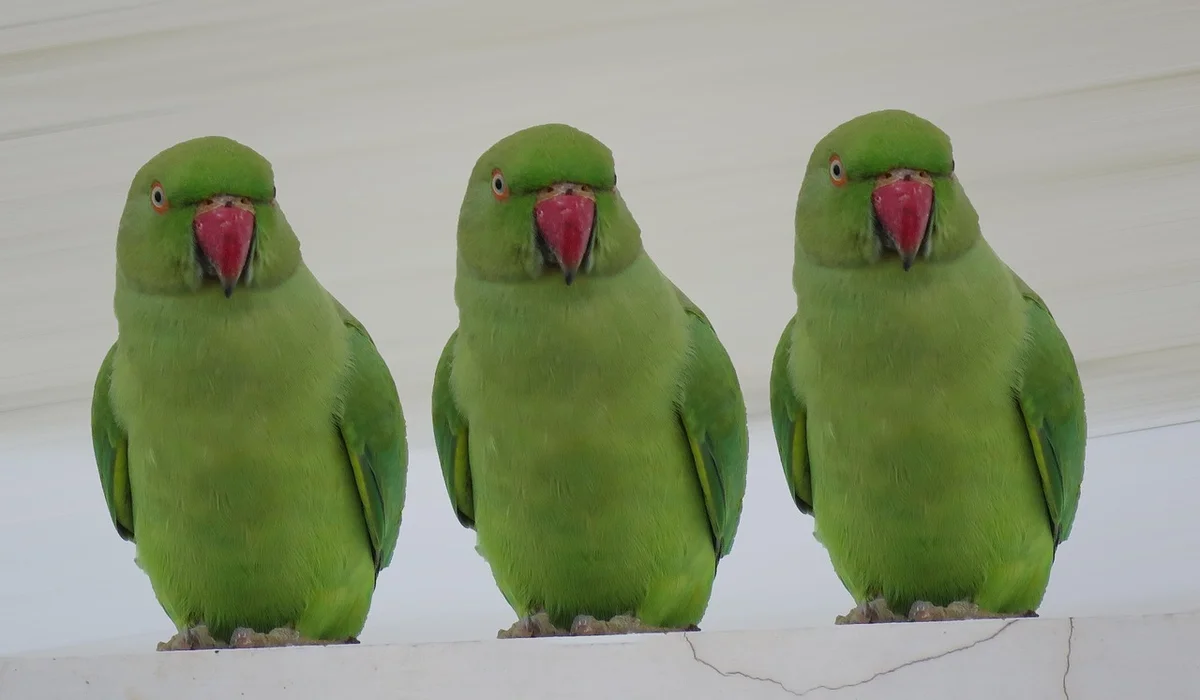
Learning your Quaker’s unique signals transforms your relationship. Their body speaks volumes long before they make a sound. I’ve spent countless hours just watching my flock, and the patterns are fascinating once you know what to look for.
Signs of happiness often include soft, chattering vocalizations, relaxed feathers that appear slightly fluffed, and a willingness to play. A curious Quaker will tilt its head, focus intently on an object, and might slowly approach to investigate. Stress signals are your biggest red flags to watch for. These include pinned eyes (rapidly contracting and expanding pupils), feathers held tightly against the body, crouching low, and aggressive squawking.

Happy vs. Stressed Signals
It’s crucial to tell playful actions from genuine warnings. A happy, playful Quaker might bob its head, play-bow, or gently nibble your finger. A warning sign is a stiff body posture, a fanned tail, and a sharp, single-note screech.
- Tail feather positions tell a clear story. A loosely fanned, wagging tail often means contentment. A tightly fanned, rigid tail signals high alert or aggression.
- Vocalizations range from happy, melodic warbles to stressed, repetitive squawks. My conure, Kiwi, makes a distinct “purring” sound when he’s happy that’s completely different from his alarm call.
Why Baby Quakers Bend Their Necks
This adorable head-bobbing and neck-bending is a completely natural behavior. It’s a baby bird’s way of saying “I’m hungry and I trust you.” They do this to solicit feeding from their parents, and they’ll transfer this behavior to you as their new caregiver.
I observed this constantly with my Sun Conure, Sunny, when he was a baby. He would bend his neck and bob his head every time I brought out his food, a clear sign of our growing bond. It’s a beautiful, fleeting stage of development.
| Behavior | Likely Meaning | Your Action |
|---|---|---|
| Soft Chattering, Relaxed Posture | Content and Happy | Continue interaction, offer gentle praise. |
| Pinned Eyes, Tight Feathers | Stressed or Agitated | Back off and give them space immediately. |
| Head Tilting, Slow Approach | Curious and Interested | Stay still and let them explore on their terms. |
| Loud, Repetitive Squawking | Alarmed or Frightened | Identify and remove the stressor if possible. |
Step-by-Step Taming and Socialization
Patience is your greatest tool here. Rushing this process can shatter trust. I built trust with my African Grey, Sage, by moving at his pace, not mine. Follow these steps to build a strong, positive relationship.
- Passive Presence. Start by just sitting near the cage, talking softly. No direct contact. Read a book out loud to get them used to your voice.
- Treat Association. Offer high-value treats, like a piece of millet, through the cage bars. Let them take it without you moving your hand.
- Open Door Policy. Once they eagerly take treats, open the cage door and offer treats from your hand just inside the doorway.
- Target Training. Use a chopstick as a target. When they touch it with their beak, give a treat. This builds communication and focus.
- Step-Up Command. Present your finger as a perch just above their feet and say “step up.” Gently press against their lower chest. Reward heavily with praise and a treat.
- Short Handling Sessions. Once they step up reliably, hold them for just a minute or two, then return them to a favorite perch. Always end on a positive note.
Consistency is everything. Short, daily 5-15 minute sessions are far more effective than one long, stressful hour. I remember one session where Kiwi was just not having it, so we ended after two minutes with a treat. Respecting his mood that day made the next session much better.
Daily Socialization Schedules
A predictable routine makes your Quaker feel secure. Bonding happens in the small, consistent moments. You don’t need to block out huge chunks of time.
- Option 1: The Morning Chatter. Spend 10 minutes with them first thing in the morning. Offer a fresh breakfast and talk about your plans for the day.
- Option 2: The Evening Wind-Down. A 15-minute session after work can be a training session or just quiet time with them on your shoulder while you relax.
- Option 3: Integrated Interaction. Move their play gym near you while you watch TV or work. Your passive presence is a form of socialization.
Handling and Bite Prevention
Even the sweetest parrot can bite if scared. Preventing a bite is always better than reacting to one. It’s about reading the subtle “no” before it becomes a “NO!” with their beak. Understanding why parrots bite—what triggers fear, pain, or territoriality—is key to prevention. Once you know the causes, you can tailor handling and enrichment to reduce bite risk.
- Always approach from the front and below their eye level. Coming from above can seem like a predator attack.
- Watch their body language. If you see pinned eyes or a stiffening body, do not ask them to step up.
- When teaching “step up,” use a steady, confident finger. A wobbly finger is an unstable perch and makes them nervous.
- If they do bite, resist the urge to yell or jerk away. A calm, quiet “no” and a brief time-out is more effective. Yelling can be interpreted as you “squawking” back, which reinforces the behavior.
My conure, Sunny, went through a nippy phase. I learned his specific “I’m over-stimulated” cue-a certain feather ruffle-and would end the session right then. Learning to read that one signal saved my fingers and strengthened our trust.
Solving Common Bonding Challenges
Every Quaker parrot relationship hits a bump or two. I’ve faced fear, aggression, and one-person bonding with my own flock, and patience always wins.
Dealing with Fear and Biting
Fear often leads to biting, a natural parrot defense. My Green-cheek, Kiwi, used to nip when startled.
- Sit near the cage daily, talking softly without demanding interaction.
- Offer high-value treats from your open palm, letting the parrot choose to approach.
- Move your hands slowly and predictably to avoid triggering a fear response.
For biting, stay calm and avoid yelling.
- Gently put the bird down and ignore the behavior for a minute.
- Identify the trigger-was it a sudden movement or a disliked touch?
- Redirect with a favorite toy or a simple training command they know.
Consistent, positive interactions build trust far faster than any forced contact.
Managing Excessive Noise
Quakers are vocal, but constant screaming usually means an unmet need. My Sun Conure, Sunny, taught me that.
- Ensure 10-12 hours of quiet, dark sleep each night to prevent crankiness.
- Rotate foraging toys daily to keep their intelligent minds busy and engaged.
- Reward quiet moments with attention or a small treat, reinforcing the behavior you want.
A bored parrot is a loud parrot, so enrichment is your best tool for a peaceful home.
Bonding with Baby vs. Adult Quakers
Age dramatically changes your bonding strategy. I’ve raised babies and earned trust with adults, and the journey is uniquely rewarding each time.
Tips for Baby Quaker Parrots
Baby Quakers are sponges for socialization. Handle them gently multiple times a day.
- Introduce various safe perches, toys, and textures during weaning to build confidence.
- Talk to them constantly so they learn your voice and see you as part of their flock.
- Notice head bobbing and neck bending-this is normal baby behavior signaling contentment or a request for food.
Early positive experiences shape a well-adjusted adult parrot, so invest time during these formative weeks.
Bonding with Adult or Rescued Quakers
Older Quakers, especially rescues, need more patience. My African Grey, Sage, was rehomed and took months to trust me.
- Let the parrot set the pace for all interactions-no forcing steps up or pets.
- Establish a predictable daily routine for feeding, play, and quiet time to build security.
- Use their favorite foods to create positive associations with your presence and hands.
Adopting an adult parrot saves a life and builds a profound bond, but it requires a calm, committed heart. I always advocate for rescue or responsible breeders who prioritize animal welfare. When weighing breeding vs adoption, ethics matter. Prioritize shelters, and if buying a parrot, choose breeders who are transparent and committed to welfare.
Long-Term Bonding and Enrichment
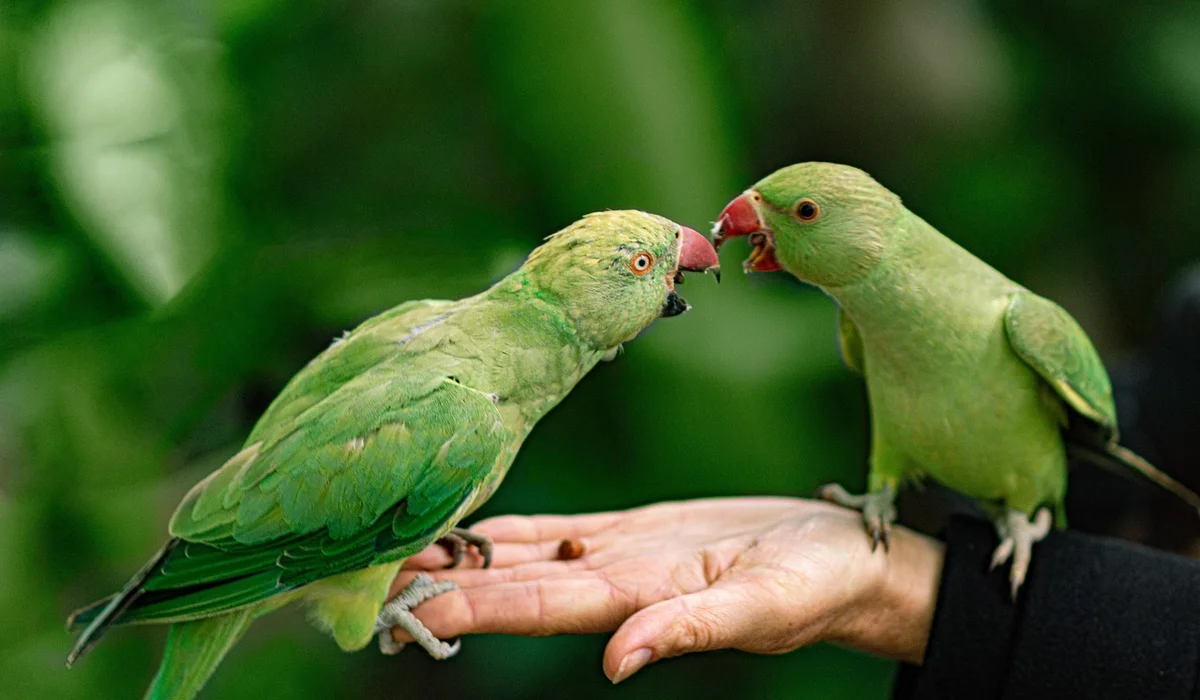
Keeping your Quaker parrot engaged and happy over the years builds a deep, trusting bond that makes every day special. Regular routines mixed with fresh surprises keep their minds sharp and hearts open to you.
I stick to a daily schedule with my parrots, like morning training with Kiwi and evening cuddles with Sunny, which reinforces our connection. Consistency in care builds trust, while new activities prevent boredom and strengthen your relationship.
Mental stimulation is non-negotiable for a parrot’s well-being, so I rotate toys and introduce puzzles to keep things exciting. Variety in their environment mimics the wild, reducing stress and encouraging natural behaviors. For cognitive enrichment, try 10 brain games to keep your bird sharp. These quick challenges fit easily into daily routines and boost problem-solving skills.
Maintaining a Strong Relationship
Sticking to a predictable routine helps your Quaker feel secure, but don’t forget to sprinkle in new experiences to keep things lively. Daily interactions, like shared meals or short training bursts, build a reliable bond that grows over time.
Involve your family in simple tasks, such as feeding or gentle play, to spread the bonding joy. When everyone participates, your parrot learns to trust the whole household, creating a harmonious home life.
- Set aside 15-30 minutes daily for one-on-one play or training.
- Introduce new sounds, objects, or locations weekly to spark curiosity.
- Encourage family members to use the same commands and rewards for consistency.
Enrichment Activities and Toys
Interactive toys and foraging games turn playtime into bonding opportunities that challenge your parrot’s intellect. Foraging toys, like puzzle feeders, encourage problem-solving and mimic natural hunting instincts.
From my experience, Kiwi adores shreddable toys made of safe wood, while Sage prefers智力玩具 that require steps to unlock treats. Rotating toys every few weeks prevents habituation and keeps their environment stimulating.
- Shreddable toys: Paper rolls or untreated wood blocks for chewing fun.
- Foraging games: Hide seeds in cardboard boxes or use commercial foraging wheels.
- Interactive play: Teach simple tricks like “wave” or “turn around” using positive reinforcement.
I often play “hide and seek” with Sunny, hiding treats around the room for her to find, which boosts her confidence and our bond. Games that involve you directly, like fetch or mimicry, deepen trust and provide mental exercise.
Safety and Welfare in Bonding
Building a strong bond with your Quaker parrot means prioritizing their safety and well-being in every interaction. Always use no-force methods; patience and respect create a happier, healthier bird.
Supervise all out-of-cage time to prevent accidents, and keep interactions with kids or other pets calm and controlled. I learned from Sage’s close call with a loose wire that a safe home is the foundation of trust.
Advocating for animal welfare, I never push my parrots into situations they fear, as it can damage our relationship. Gentle handling and positive reinforcement build confidence without stress or harm. This mirrors positive reinforcement training for parrots, where rewards guide behavior. Small, rewarding steps build cooperation and lifelong trust.
Ensuring a Safe Home Environment
Identify and remove common hazards like toxic plants, open windows, or dangling cords to protect your curious Quaker. Proper cage management includes secure locks and regular checks for wear and tear.
Stick to a consistent sleep schedule-10-12 hours of darkness-to support their health and reduce noise issues. Quiet, dim spaces at night help regulate their circadian rhythms and prevent behavioral problems.
- Avoid toxic items: Non-stick cookware, candles, and certain houseplants.
- Check cage safety: Ensure bar spacing is appropriate and no sharp edges exist.
- Control noise: Use soft background music to mask sudden sounds that might startle them.
Socializing with Family and Pets
Introduce your Quaker parrot slowly to new people or animals, starting with short, supervised sessions. Gradual exposure builds confidence and prevents overwhelming your bird. This is part of socializing your parrot after quarantine, following a step-by-step introduction guide. Take it slowly and monitor your bird’s comfort as you proceed.
In my multi-pet home, I let Kiwi observe our dog from a distance before any direct contact, always rewarding calm behavior. Supervised interactions teach respect and reduce the risk of accidents.
- Start with brief, calm introductions in a neutral space.
- Use treats to associate new faces with positive experiences.
- Monitor body language for signs of stress, like fluffing feathers or backing away.
With children, I teach them to speak softly and move slowly around the parrots to foster gentle bonds. Educating everyone in the home on parrot body language ensures safer, more empathetic interactions. When guests visit, I also guide them on safe interactions with the parrot. Clear guidance on body language and boundaries helps manage visitors and keep everyone safe.
FAQs
How long does it typically take to bond with a Quaker parrot?
Bonding time varies from weeks to months depending on the bird’s age and history. Consistent, gentle interactions and positive reinforcement help build trust faster.
Why do Quaker parrots bend their necks, and is it normal?
Neck bending is a natural behavior, especially in babies, often signaling hunger or a request for feeding. In adults, it can indicate curiosity or a desire for attention if not accompanied by distress.
What are signs that my Quaker parrot is bonding well with me?
Look for relaxed body language, such as soft chirping and preening near you. They may also eagerly approach your hand or respond positively to your voice.
Can I bond with a Quaker parrot that was previously neglected or rescued?
Yes, but it requires extra patience and a predictable routine to build security. Use favorite treats and calm presence to create positive associations over time.
Is neck bending in Quaker parrots ever a cause for concern?
It’s usually harmless, but if paired with lethargy or loss of appetite, it could indicate health issues. Always monitor for other unusual behaviors and consult an avian vet if worried.
In Closing
Building a deep bond with your Quaker parrot starts with patience, daily interactions, and positive reinforcement like treats and gentle handling. I’ve seen firsthand with Kiwi how consistent, playful sessions can turn shyness into trust, making every moment together rewarding.
Owning a parrot is a long-term commitment that demands ongoing education and care for their physical and emotional health. If you’re looking for clarity on the most common parrot health concerns, this complete guide can help by outlining typical symptoms, prevention tips, and when to seek veterinary care. Keep exploring resources and advocating for animal welfare to ensure your feathered friend thrives in a loving home.
Further Reading & Sources
- How to bond with my Quaker Parrot – Quora
- How To Quickly Tame A Quaker Parrot – Parrot World
- How to Tame a Quaker Parrot | Pets – The Nest
Suzanne Levine is a dedicated parrot enthusiast and experienced avian caregiver with over 15 years of hands-on experience in parrot care. As the founder of Parrot Care Central, Suzanne is passionate about sharing her knowledge and insights to help fellow parrot owners provide the best possible care for their feathered friends. Her expertise spans nutrition, behavior, health, and enrichment, making her a trusted resource in the parrot care community.
Socialization