Why Are Parrots So Colorful?
Have you ever stared at a parrot and wondered how nature painted such a vibrant masterpiece? The explosion of color isn’t just for our enjoyment; it’s a complex language of survival, communication, and genetics.
I’ve spent years living with my own feathered friends, and their colors tell a story deeper than their feathers. I’ll help you understand the fascinating reasons behind their rainbow plumage by breaking down the key drivers.
- The critical survival reasons for their brilliant hues.
- How they use color to communicate and find mates.
- The amazing genetics behind color mutations and varieties.
You’ll get a clear, straightforward explanation that makes this natural wonder easy to grasp.
Topics covered: evolution and survival, communication and mating, diet and pigments, common color mutations, genetics simplified
The Science Behind Parrot Colorfulness
Pigments and Structural Colors in Feathers
Types of Pigments: Carotenoids, Psittacofulvins, and Melanins
Parrot feathers get their color from two main sources: pigments and light tricks. Pigments are like tiny paint molecules embedded directly into the feather as it grows.
Carotenoids create the vibrant yellows, oranges, and reds you see in birds like my Sun Conure, Sunny. They can’t make these pigments themselves; they must eat foods rich in them, like certain fruits and vegetables. A diet lacking these can lead to duller colors.
Psittacofulvins are the superstar pigments unique to parrots. They are responsible for the stunning reds, oranges, and yellows that aren’t tied to diet. My Green-cheeked Conure, Kiwi, has that beautiful red belly thanks to these special pigments. This raises a question: are conures truly parrots with their own species-specific care needs? Understanding conure-specific care is essential for keeping them healthy and their colors vibrant.
Melanins produce blacks, grays, browns, and some yellows. They also make feathers tougher. My African Grey, Sage, has a gorgeous grey coat packed with melanin, which makes his flight feathers incredibly strong and resilient.
How Structural Coloration Creates Iridescence
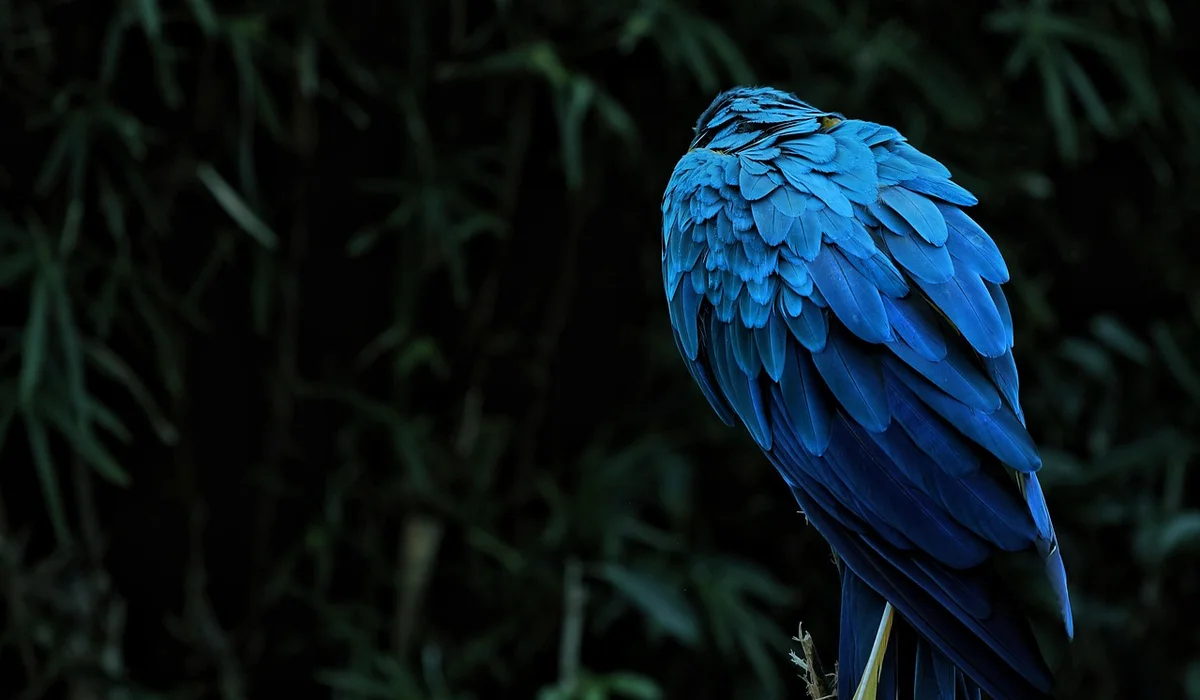
Some colors aren’t from pigments at all but from the physical structure of the feather. Structural coloration works like a prism, bending light to create shimmering, metallic effects.
Imagine the microscopic parts of a feather acting like tiny mirrors and lenses. They reflect specific wavelengths of light, canceling out some and amplifying others. This is what creates the stunning iridescent blues and greens on the wings of many parrots.
This is why a feather can look blue from one angle and shift to green from another-the color changes with the light. It’s pure physics magic happening right on your bird’s back.
Evolutionary Advantages of Bright Plumage
Role in Sexual Selection and Camouflage
All that flashy color isn’t just for our enjoyment; it’s a matter of survival and success. Bright plumage acts as a billboard advertising a parrot’s health and fitness to potential mates.
A bird with vibrant, well-maintained feathers is signaling that it’s strong, finds good food, and is free from parasites. In the competitive world of finding a partner, the most colorful bird often wins.
But it’s not all about standing out. In the dappled light of the rainforest canopy, a mix of green, blue, and yellow can break up a parrot’s outline perfectly. This helps them blend into the leaves and flowers, hiding from predators while they feed.
Understanding Color Mutations in Parrots
Common Mutation Types: Albinism, Leucism, Lutino, and Pied
In aviculture, we see amazing color variations that don’t occur as often in the wild. These are called mutations. Color mutations are natural genetic accidents that breeders can then selectively pair to create new looks.
- Lutino: This mutation removes most dark melanin pigments, resulting in a beautiful yellow or white bird with red eyes. They are often visually striking but can be prone to vision issues.
- Pied: This creates a patchwork effect. Random parts of the bird’s body lack pigment, resulting in splotches of color on a lighter background. No two pied parrots look exactly the same.
Differences Between Albinism and Leucism
People often confuse these two, but they are distinct. A true albino parrot lacks all pigment-melanin and psittacofulvins-resulting in a completely white bird with pink eyes. This is extremely rare in parrots.
Leucism is more common. A leucistic bird has a partial loss of pigment, which can result in paler, washed-out colors or patchy white sections, but they typically retain their normal-colored eyes.
How Melanin Affects Feather Color in Mutations
Melanin is the key player in many color mutations. When a mutation affects melanin production, it changes the entire canvas of the bird’s color.
For example, a lutino mutation suppresses melanin. Without the underlying blacks and browns, the yellow and red psittacofulvin pigments shine through brightly, creating that classic lutino look.
In a blue mutation, the yellow psittacofulvins are removed. The underlying structural blue color, which is normally hidden by the yellow, becomes visible, giving you a stunning blue parrot.
Genetic Basis of Color Morphs
Inheritance Patterns and Spontaneous Mutations
These beautiful morphs follow the rules of genetics. Color traits can be recessive, dominant, or sex-linked, determining how they are passed from parent to chick.
A recessive gene, like one for a blue series mutation, needs to be inherited from both parents for the color to visually appear in the offspring. A dominant gene only needs to come from one parent to show up.
Sometimes, a spontaneous mutation just happens. A chick is born with a color never seen in its family line. If that bird breeds, it can pass this new genetic recipe on to its own chicks, starting an entirely new color lineage. This is how many of the varieties we love today first began.
Popular Parrot Species with Color Mutations
Species Variation in Plumage Diversity
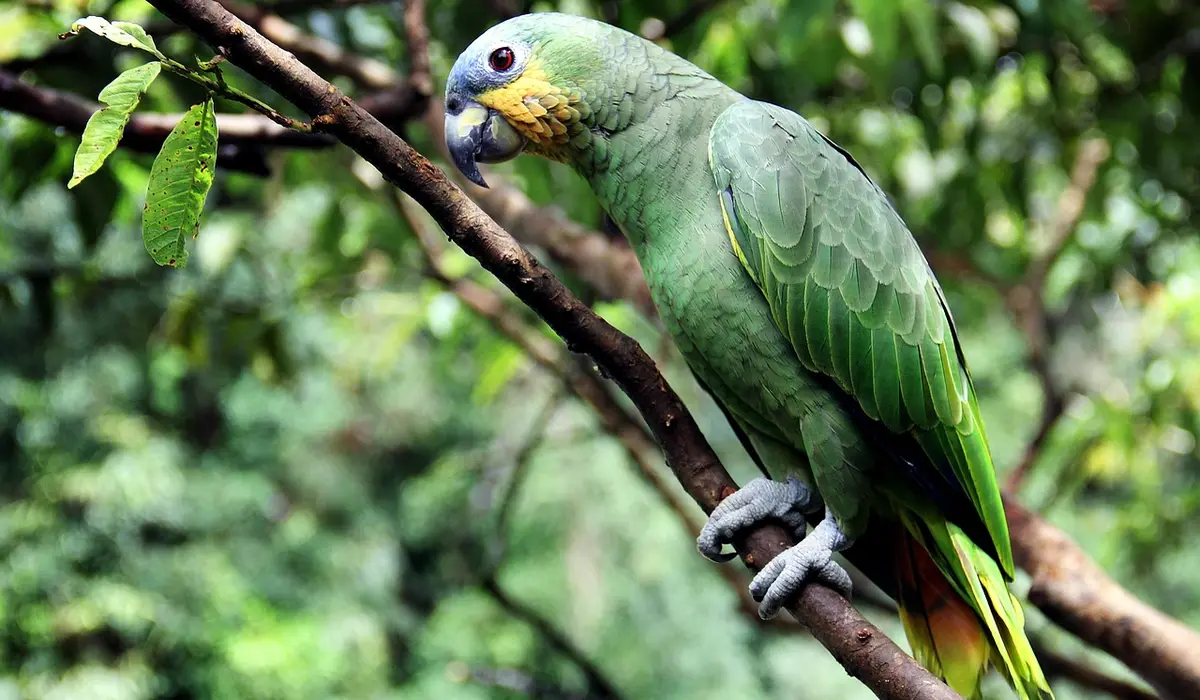
Different parrot species show wildly different capacities for color mutations. Some birds, like budgies, have been selectively bred for over a century, resulting in a breathtaking rainbow of varieties. Others, like many Amazon parrots, remain largely true to their wild-type colors due to longer breeding cycles and genetic stability. These differences are exactly the kind of detail a parrot species identification guide uses. They help readers answer questions like: do different parrots look alike, and how can you tell them apart?
I’ve noticed this firsthand with my own flock. My Green-cheeked Conure, Kiwi, is a classic “wild type,” while my Sun Conure, Sunny, is a standard for her species. The sheer variety within a single species can be staggering, influenced by genetics, available gene pool, and breeder focus.
Examples from Budgies, Cockatiels, and Conures
Let’s look at some champions of color variation:
- Budgerigars (Budgies): These small parrots are the kings of mutation. You’ll find them in lutino (all yellow), albino (all white), opaline, spangle, and pied patterns. I’ve seen hundreds, and no two pied budgies ever have the same markings.
- Cockatiels: A close second! Common mutations include the pearly, lutino (yellow-white with red eyes), pied, cinnamon, and the stunning white-faced cockatiel, which lacks the classic orange cheek patches.
- Conures: My conures show this well. While Sun Conures like Sunny are famously vibrant, Green-cheeked Conures have popular mutations like cinnamon, pineapple, and turquoise. The turquoise mutation completely transforms the green body into a beautiful blue-green shade.
Health and Vision Impacts of Color Mutations
Potential Health Issues Linked to Mutations
That gorgeous color sometimes comes with a hidden cost. Certain color mutations are linked to specific, inheritable health problems that responsible breeders work to avoid. The feather structure itself can be weaker in some mutations, leading to frayed feathers or “feather dust” issues.
For example, some “feather duster” budgies grow feathers continuously because of a genetic fault. This isn’t a beautiful trait; it’s a debilitating condition that requires intensive care and often shortens the bird’s life. I always advocate for choosing breeders who prioritize health over rare color.
Effects on Vision and Feather Condition
Vision can be directly affected. Birds with the “ino” gene (lutino, albino) lack dark pigment, not just in their feathers but often in their eyes. This can make their eyes light-sensitive and potentially impact their depth perception and vision in bright light. My friend’s lutino cockatiel always seems to squint near windows.
Feather condition is another major concern. Albino and lutino parrots sometimes have more brittle feathers that break easily, affecting their ability to fly and stay insulated. They might also preen more aggressively, leading to skin irritation. Keeping an eye on feather quality is a non-negotiable part of caring for a color-mutant parrot.
Environmental and Dietary Influences on Color
How Diet Affects Feather Pigmentation
Your parrot’s food bowl directly paints their feathers. I’ve watched my Green-cheeked Conure, Kiwi, glow brighter after introducing certain fresh foods into his diet. The connection is that direct and powerful.
Role of Carotenoids from Food
Carotenoids are natural pigments that parrots cannot produce themselves. They must get them from what they eat. Think of carotenoids as the tiny paintbrushes that create vibrant reds, oranges, and yellows in feathers. Without these dietary sources, those brilliant hues simply fade.
Here are some fantastic carotenoid-rich foods to offer:
- Sweet potatoes and carrots
- Red and yellow bell peppers
- Dark leafy greens like kale
- Pumpkin and butternut squash
- Papaya and mango
Environmental Factors Altering Color Expression
Sunlight acts like a natural feather brightener. Moderate, safe exposure to natural light helps maintain the structural integrity of feathers, making their colors appear more vivid and true. My Sun Conure, Sunny, always looks his most radiant after some supervised time in the morning sun.
Stress, however, is a color thief. A parrot experiencing chronic stress or poor health will often display:
- Dull, lackluster plumage
- Feathers that appear washed out
- Increased barring or stress lines on feathers
A calm, enriching environment is non-negotiable for a parrot to show off their full-color potential.
Ethical Breeding and Pet Care for Colorful Parrots
Breeder Ethics in Selecting for Color Mutations
Breeding for specific colors is a practice that demands immense responsibility. An ethical breeder prioritizes the bird’s overall health, temperament, and genetic diversity above all else, never sacrificing welfare for a specific color. I firmly believe a healthy, happy parrot is the most beautiful one, regardless of its hue. Ultimately, a parrot is the right pet for someone who can commit to a long, enriching relationship. When that commitment is there, parrots become loyal, intelligent companions who deserve a respectful home.
Unethical practices to be wary of include:
- Overbreeding from the same pairs to “fix” a color trait
- Ignoring known genetic health issues linked to certain mutations
- Creating “designer” birds with compromised immune systems or lifespans
Identifying and Predicting Color Morphs
Predicting a parrot’s adult color requires understanding genetics. Reputable breeders use their knowledge of dominant, recessive, and sex-linked genes to make educated predictions about a chick’s final coloration. For example, my Kiwi is a classic Green-cheek, but his parents could have carried genes for yellow-sided or pineapple mutations. Additionally, you can explore how to determine your parrot’s gender with visual and DNA methods. These non-invasive tests can confirm sex when color or plumage hints are unclear.
Always ask a breeder to explain the genetics behind their birds. Their ability to do so clearly is a great sign of their knowledge and ethics. Parrots are highly intelligent and capable of learning complex tasks. Understanding genetics helps ensure you choose birds with the traits you value in an intelligent, healthy companion.
Care Considerations for Mutated Parrots
Some color mutations can come with unique health considerations. Birds with lighter pigmentation, like lutinos or albinos, often have more sensitive eyes and skin, requiring protection from direct, harsh sunlight. Their care plan might need slight adjustments.
Feather Keratin Health and Plumage Maintenance
Strong, colorful feathers start with robust keratin. Ensuring your parrot gets a balanced diet rich in protein and amino acids is the single best thing you can do to support healthy feather growth and maintenance. This is true for every parrot, from my vibrant Sunny to my subtly beautiful African Grey, Sage. Foraging-based feeding is a fun, effective way to enrich your parrot’s diet. Our ultimate guide foraging enriches your parrot’s diet with practical ideas you can try at home.
To support feather keratin health, focus on:
- Providing a high-quality pellet as a dietary base
- Offering a regular source of clean, bathing water
- Minimizing stress to prevent feather-damaging behaviors
- Ensuring their environment has appropriate humidity levels
FAQs
What are color mutations in parrots?
Color mutations are genetic changes that alter the typical feather pigmentation in parrots, leading to unique colors or patterns not commonly seen in the wild. These variations can affect pigments like melanin or psittacofulvins, resulting in appearances such as lutino or pied morphs. In everyday talk about color identification, people often wonder if a green, white, or red parrot is simply described by its color or if breeders use formal mutation names. These labels—whether basic color terms or mutation names—help breeders, researchers, and enthusiasts discuss specific genetic variants.
How do genetic factors influence parrot color mutations?
Genetic factors control how color traits are inherited, with patterns like recessive, dominant, or sex-linked genes determining if a mutation appears in offspring. Spontaneous genetic changes can also occur randomly, and breeders use this knowledge to selectively pair birds for desired color outcomes.
Can color mutations affect a parrot’s vision or health?
Yes, certain mutations like albinism or lutino can impair vision due to reduced eye pigment, causing light sensitivity and potential depth perception issues. Health concerns may include weaker feathers or higher susceptibility to stress-related conditions, requiring attentive care.
Are color mutations inherited or spontaneous in parrots?
Color mutations can be inherited from parents through genetic transmission or arise spontaneously as random genetic alterations. Inherited mutations follow predictable patterns, while spontaneous ones introduce new variations that breeders may propagate in future generations.
What are common ethical considerations in breeding for color mutations?
Ethical breeding focuses on maintaining the parrot’s overall health and genetic diversity, rather than prioritizing rare colors that could lead to inheritable defects. Responsible breeders avoid inbreeding and ensure birds are free from known health issues linked to specific mutations. When considering welfare, many advocate parrot breeding and adoption ethics from rescues to help parrots in need. Adoption can reduce breeding demand and ensure birds receive proper care and socialization.
Final Words
Parrots’ vibrant colors stem from evolution for camouflage, mating, and social bonding, while mutations add unique twists through genetics or selective breeding. Appreciate their natural beauty by providing a varied diet and safe environment to keep those feathers healthy and bright. Beyond color, a parrot’s diet significantly influences health and lifespan. A varied, nutrient-rich menu supports digestion, immune function, and sustained energy. In my years caring for Kiwi and Sunny, I’ve seen how proper nutrition directly impacts their stunning hues.
Always prioritize your parrot’s well-being by learning about species-specific needs and avoiding harmful breeding practices. Commit to ongoing education through reputable sources to ensure a happy, enriched life for your feathered friend. As someone who advocates for animal welfare, I urge you to make informed choices that respect these intelligent creatures. Before bringing a parrot home, assess your space, routine, and noise tolerance to choose the right pet parrot for your home lifestyle. Choosing a species that fits your daily habits helps ensure a harmonious, long-lasting bond.
Further Reading & Sources
- r/answers on Reddit: Why are parrots and birds like it so colorful?
- The Coloring and Camouflage of Parrots
- Why are parrots so colorful? Study points to simple chemical tweak | Science | AAAS
Suzanne Levine is a dedicated parrot enthusiast and experienced avian caregiver with over 15 years of hands-on experience in parrot care. As the founder of Parrot Care Central, Suzanne is passionate about sharing her knowledge and insights to help fellow parrot owners provide the best possible care for their feathered friends. Her expertise spans nutrition, behavior, health, and enrichment, making her a trusted resource in the parrot care community.
Feather Care