
Can Parrots Taste Spicy Food? Unraveling Their Flavor World
If you’ve ever caught your parrot eyeing your spicy snack, you might be concerned about whether it’s safe for them to try. I’ve faced this exact worry with my own birds, like Kiwi, who always seems curious about what I’m eating.
Drawing from my years of caring for parrots, I’ll break down the facts so you feel confident. Here are the key insights you’ll gain:
- Parrots have a distinct taste system that differs greatly from ours, influencing what flavors they enjoy or avoid.
- Spicy foods like chili peppers don’t harm parrots the way they might upset humans, thanks to their unique biology.
- You can safely introduce variety into their diet by understanding their preferences and prioritizing their health.
You’ll walk away with straightforward tips to keep your feathered friend happy. We’ll explore: parrot taste anatomy, spice sensitivity, feeding do’s and don’ts.
How Parrots Experience Taste and Flavor
Do Parrots Have Taste Buds and How Many?
Yes, parrots do have taste buds, but they’re not as numerous as ours. Humans pack around 8,000 to 10,000 taste buds, while parrots typically have only 300 to 400. This smaller number means your parrot’s flavor world is less detailed, focusing more on basic tastes like sweet and bitter. From my time with Sage, my African Grey, I’ve seen her reject bitter veggies but go wild for sweet fruits-it’s all about what those taste buds pick up.
Parrots use their taste buds mostly on the tongue and back of the throat. Their limited count makes them less sensitive to subtle flavors, which is why they might ignore foods we find complex. For instance, Kiwi, my Green-cheeked Conure, will snub a bland pellet but devour a juicy berry without hesitation. Diet quality affects their health and lifespan, as detailed in this article on how a parrot’s diet impacts its lifespan and health. A balanced, species-appropriate diet supports longevity.
- Humans: Thousands of taste buds for detailed flavor detection.
- Parrots: Hundreds of taste buds, prioritizing survival cues over variety.
- Focus areas: Tongue and throat, helping them avoid toxins instinctively.
Why Spicy Flavors Feel Different to Birds
Spicy foods contain capsaicin, the compound that gives chili peppers their heat, but birds like parrots don’t experience it the same way we do. Birds lack the specific receptors that capsaicin binds to in mammals, so that burning sensation simply doesn’t register for them. I’ve watched Sunny, my Sun Conure, munch on a mild chili pepper without any reaction-it’s just another colorful treat to her.
Evolutionarily, this difference makes sense because birds help spread plant seeds without being deterred by spiciness. While we feel a fiery kick, parrots perceive spicy items as neutral or even appealing due to their bright colors and textures. In my experience, offering a small piece of bell pepper-which isn’t spicy-gets the same enthusiastic response as something hotter, showing how flavor perception diverges.
- Capsaicin impact: Triggers pain in mammals but not in birds’ sensory systems.
- Evolutionary role: Plants use spiciness to ward off mammals, not seed-dispersing birds.
- Bird behavior: Attracted to vibrant, spicy foods without discomfort, aiding in seed dispersal.
Are Spicy Foods Safe for Your Parrot?
While parrots might not taste the heat, spicy foods aren’t always safe for them. High levels of capsaicin can irritate their digestive system, leading to potential health issues like stomach upset or inflammation. Different parrot species have different risk profiles for common health issues, so prevention and care should be tailored to the species. Regular wellness checks and safe feeding practices can help prevent these issues.
Some mild spices in tiny amounts might be okay, but it’s best to stick to bird-safe options. Focusing on a balanced diet with fresh fruits and veggies ensures your parrot gets nutrients without the unknowns of spiciness. This approach aligns with general parrot dietary guidelines that emphasize variety, moderation, and balanced nutrition. Following these guidelines helps support long-term health and vibrant plumage. For example, I’ll offer Kiwi sliced apples or carrots instead of experimenting with chili flakes, keeping meals simple and safe.
Signs Your Parrot Ate Something Too Spicy
If your parrot accidentally eats something spicy, watch for clear signs of distress. Excessive drooling or pawing at the beak can indicate mouth irritation, even if they don’t feel the “spice” like we do. I recall when Sunny got into some pepper flakes once; she started shaking her head and seemed agitated—a prompt reminder to keep spicy items out of reach. If you suspect your parrot has eaten something toxic, follow your emergency guide and contact your avian veterinarian or poison control immediately. Do not attempt home remedies or induce vomiting—seek professional guidance right away.
Other symptoms include changes in behavior or appetite. Lethargy, loss of interest in food, or unusual vocalizations might signal digestive discomfort from spicy ingestion. In such cases, offering water and consulting a vet quickly can help ease their discomfort and prevent complications.
- Mouth irritation: Drooling, beak rubbing, or head shaking.
- Behavioral changes: Reduced activity, hiding, or unusual quietness.
- Digestive issues: Diarrhea, vomiting, or refusal to eat.
- Immediate actions: Provide fresh water, remove spicy food, and seek veterinary advice if symptoms persist.
Building a Flavorful and Safe Diet for Your Parrot
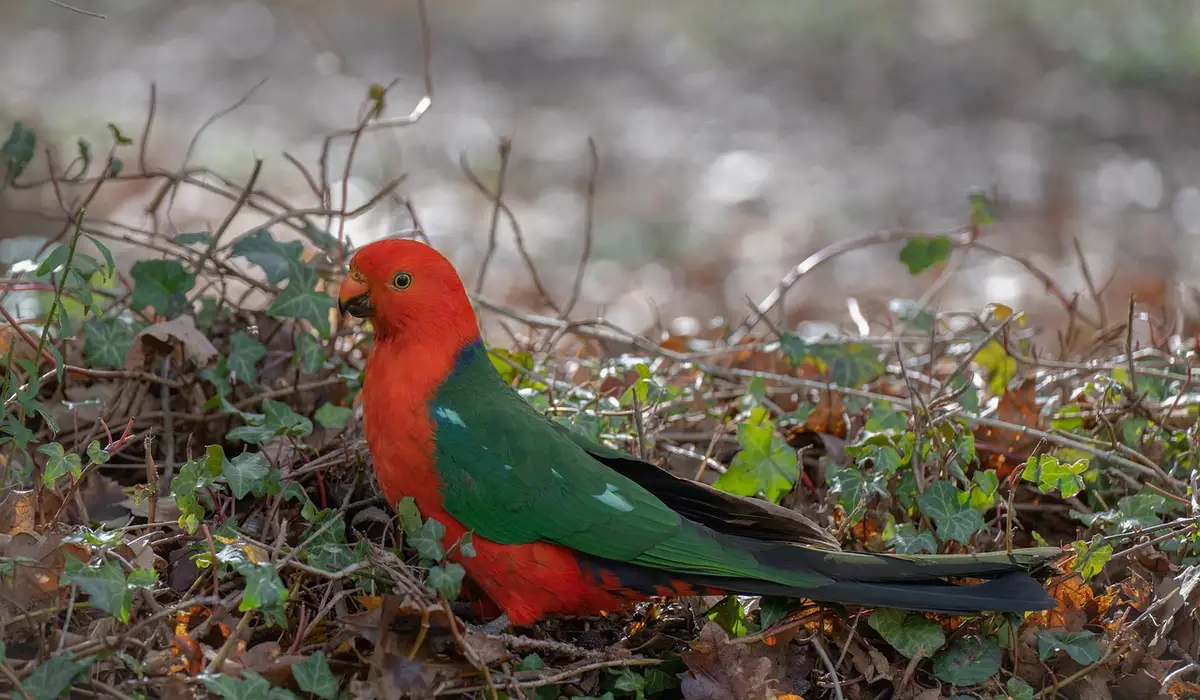
Creating a vibrant menu for your parrot is one of the most rewarding parts of pet ownership. I’ve found that variety isn’t just about nutrition; it keeps your bird mentally stimulated and deeply engaged with their world—especially when you forage their food.
Herbs and Veggies That Add Excitement to Meals
Fresh herbs and vegetables are fantastic for introducing new flavors and textures. My flock goes absolutely wild for fresh basil and cilantro, which I often clip right into their cage for a fun foraging activity.
- Leafy Greens: Kale, Swiss chard, and dandelion greens offer a slightly bitter taste that many parrots enjoy.
- Aromatic Herbs: Mint, parsley, and oregano provide a sensory explosion without any heat.
- Colorful Veggies: Bell peppers (all colors), carrots, and sweet corn add sweetness and a satisfying crunch.
- Bitter Components: Arugula and endive can be intriguing for birds who like more complex flavor profiles.
Always wash all produce thoroughly to remove pesticides. Introducing one new food at a time lets you monitor for any adverse reactions, ensuring your feathered friend stays happy and healthy.
My Personal Stories with Parrots and Taste Adventures
My Green-cheeked Conure, Kiwi, has the most adventurous palate of all my birds. He once stole a tiny piece of plain, cooked sweet potato from my plate and performed a full-blown, wings-out happy dance right on my shoulder. That moment solidified how much joy new tastes can bring them.
In contrast, my African Grey, Sage, is far more cautious. He meticulously examines new foods, often picking them up and dropping them several times before deciding they’re worthy of a taste test. This taught me that patience is key when expanding a parrot’s diet. That also helps me avoid common parrot feeding mistakes, like overwhelming him with too many new foods at once. I introduce foods gradually and watch his reaction.
I’ll never forget the time my Sun Conure, Sunny, curiously nibbled a piece of crushed red pepper flake I’d accidentally dropped. He immediately shook his head and made a soft, disgruntled noise before flying to his water dish, a clear reminder that their taste experience is fundamentally different from our own. It was a harmless but powerful lesson in their unique sensory world.
FAQs
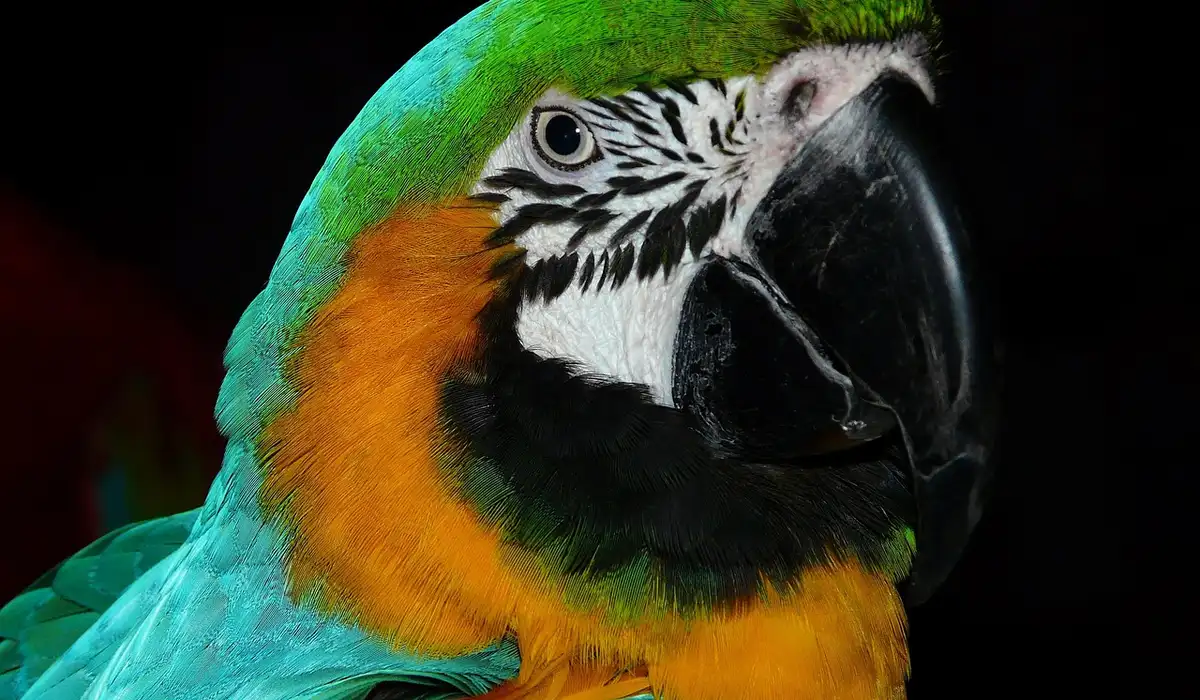
Can parrots tell the difference between sweet and spicy foods?
Parrots can detect sweet flavors but do not perceive spiciness, so they experience spicy items as neutral or bland. This difference stems from their biology, which lacks the receptors for capsaicin’s heat.
Do carrots provide any health benefits for parrots, and how do they taste to them?
Carrots are sweet and nutritious for parrots, offering essential vitamins like A for vision and immune support. They are a safe, low-risk treat that can add variety and color to your parrot’s meals. For Quaker parrots, offering a variety of safe foods for Quaker parrots as part of a balanced diet is important.
Is it safe to occasionally include mild spicy foods in a parrot’s diet?
While parrots don’t taste the heat, it’s best to avoid spicy foods to prevent potential digestive irritation. Stick to bird-safe options like fruits and vegetables to ensure their well-being and avoid unnecessary risks. Cucumbers are a hydrating, low-calorie option that parrots can enjoy in moderation for light nutrition. When offering them, wash well and cut into small pieces, and introduce gradually to monitor digestion.
In Closing
Based on my experience with parrots like Kiwi and Sunny, who eagerly sample new tastes, parrots can safely enjoy spicy foods like chili peppers because they lack the receptors to feel the heat, but always introduce new items slowly and watch for any odd reactions. Stick to bird-safe options and avoid anything with additives or high salt to keep their diet fun and healthy. Always consult a reliable source like Parrot Care Central for a list of foods that are harmful to parrots.
As a parrot owner, staying curious and informed about their unique needs helps you provide a happier, safer home, so keep exploring resources and connecting with fellow bird lovers for fresh insights. Parrots are unique among pets for their intelligence and social needs. Understanding these differences helps tailor enrichment and care. Your dedication to learning ensures your feathered friend thrives for years to come.
Further Reading & Sources
- Can parrots taste hot/spicy foods? – Quora
- r/NatureIsFuckingLit on Reddit: 🔥 Parrot eating Chili pepper. They don’t experience the heat
- Why can’t parrots taste hot peppers and why are they commonly included in their food? – Quora
Suzanne Levine is a dedicated parrot enthusiast and experienced avian caregiver with over 15 years of hands-on experience in parrot care. As the founder of Parrot Care Central, Suzanne is passionate about sharing her knowledge and insights to help fellow parrot owners provide the best possible care for their feathered friends. Her expertise spans nutrition, behavior, health, and enrichment, making her a trusted resource in the parrot care community.
Nutrition