
Can Parrots Eat Cucumbers? Nutritional Benefits and Safety Tips
You’re likely wondering if cucumbers are a safe snack for your parrot, and it’s natural to worry about introducing new foods that could harm your feathered companion. As a longtime parrot owner with birds like Kiwi, my playful Green-cheeked Conure, I’ve seen how curious they get about fresh veggies-so let’s clear up any confusion together.
I’ll guide you through the essentials to keep your parrot healthy and happy. Here are the top takeaways you need to know:
- Cucumbers offer hydration and vitamins without adding extra calories.
- Proper washing and slicing prevent pesticide exposure and choking risks.
- Feeding in moderation supports digestion and avoids nutrient imbalances.
Rest assured, you’ll find straightforward tips based on real-life experience. This article covers: nutritional benefits, safe preparation steps, common mistakes to avoid, and signs of overfeeding.
Is Cucumber Safe for Your Feathered Friend?
Yes, cucumbers are generally safe for parrots when served fresh and properly washed. I always check for pesticides and slice them into manageable pieces to prevent choking hazards. Knowing what to avoid is just as important as knowing what to feed, so I often refer back to this list of foods that can be harmful to parrots. Over the years with my flock, I’ve seen how a simple veggie like cucumber can be a fun, low-risk snack that adds variety without upsetting their delicate systems.
Species-Specific Safety: African Grey, Amazon, and Eclectus Parrots
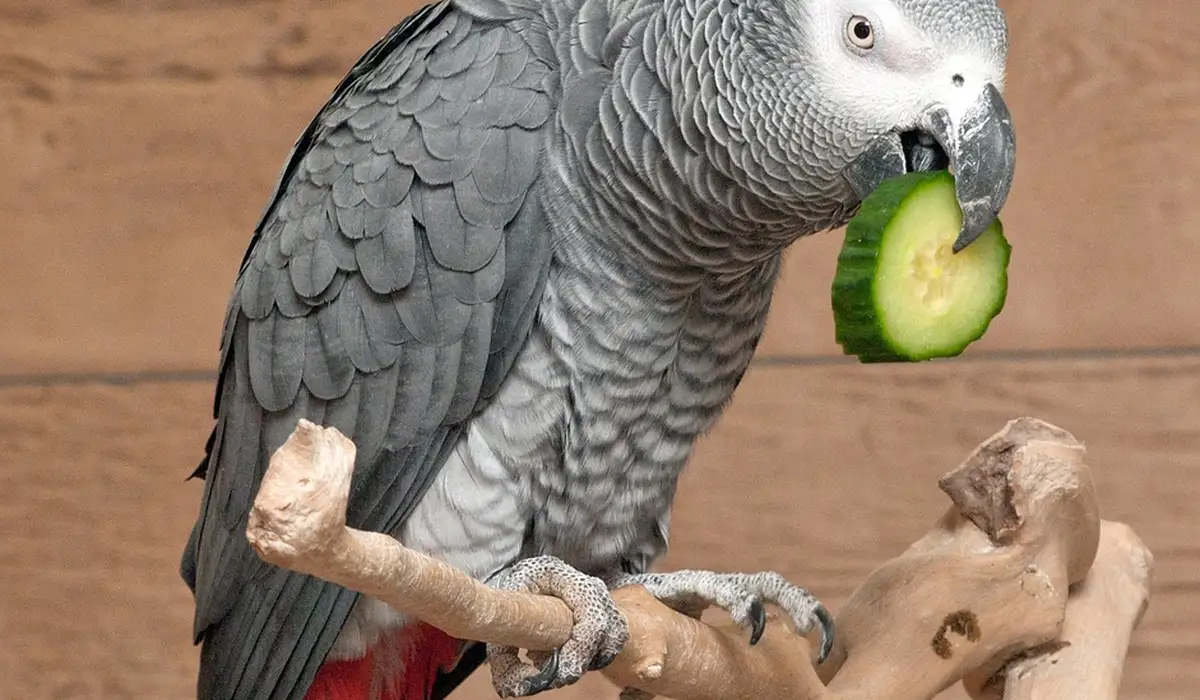
Differents parrot species can have unique dietary needs, but cucumbers are a safe bet for many. My African Grey, Sage, enjoys cucumber slices as a hydrating treat, and his smart, calm nature means he savors each bite without fuss. For Amazons and Eclectus parrots, cucumbers are equally suitable, but moderation is key to avoid diluting their nutrient-rich diets. This aligns with general parrot dietary guidelines that stress variety and balance. Include fresh vegetables like cucumbers as part of a varied, species-appropriate diet.
- African Greys: High in intelligence, they benefit from the mental stimulation of new textures; just watch for overindulgence.
- Amazon Parrots: Social birds might enjoy cucumber as a shared snack, but always remove seeds to be safe.
- Eclectus Parrots: Known for sensitive digestion, introduce cucumbers slowly to ensure no adverse reactions.
From my experience, rotating treats like cucumber keeps meals exciting and supports overall parrot welfare by encouraging natural foraging behaviors.
What’s in a Cucumber? Nutritional Goodies for Parrots
Cucumbers pack a punch with simple, wholesome nutrients that parrots can benefit from. They’re low in calories but high in water, making them a guilt-free addition to any parrot’s diet. In a complete parrot feeding guide, it’s important to consider species-specific diet requirements and balance cucumber with a variety of other foods. This helps ensure your parrot gets all the nutrients it needs. I’ve watched Kiwi, my playful Green-cheeked Conure, crunch on cucumber with delight, and it’s a reminder that healthy eating can be enjoyable too.
Hydration Help: Keeping Your Parrot Refreshed
With over 95% water content, cucumbers are fantastic for keeping parrots hydrated, especially on warm days. I often offer cucumber to Sunny, my Sun Conure, after playtime to help him cool down and stay energized. This natural hydration boost can reduce the risk of dehydration-related issues, supporting their active lifestyles without added sugars or artificial ingredients.
Vitamin and Mineral Magic
Cucumbers contain a blend of vitamins and minerals that support parrot health in subtle ways. Key nutrients like vitamin K aid in blood clotting, while potassium helps maintain heart and muscle function. Here’s a quick breakdown of what makes cucumbers a nutritional gem:
- Vitamin K: Supports bone health and wound healing-vital for active birds.
- Vitamin C: Boosts immunity; though not as high as in fruits, it adds a helpful touch.
- Potassium: Regulates fluid balance and nerve signals, keeping your parrot alert and lively.
- Silica: Promotes feather strength and skin health, which I’ve noticed keeps Sage’s grey plumage looking sleek.
Incorporating cucumber into their diet provides these benefits without overwhelming their systems, and I always pair it with other veggies for a balanced approach.
Playing It Safe: Risks and Precautions with Cucumbers
Pesticide Problems and How to Avoid Them
Conventional cucumbers can carry pesticide residues that are harmful to your parrot’s sensitive system. I learned this the hard way when my Green-cheek, Kiwi, had a mild reaction after nibbling on a non-organic slice. Always choose organic cucumbers when possible to drastically reduce this risk. If organic isn’t available, give the cucumber a thorough scrub under running water using a vegetable brush. For an extra layer of safety, I sometimes peel the skin off, especially for my smaller birds. Environmental toxins in the home—from pesticide residues to cleaners and aerosols—can also affect parrots’ health. Being mindful of both food and household exposures helps keep our feathered friends safe.
Spotting Trouble: Allergies and Intolerance Signs
While not super common, some parrots can have an adverse reaction to new foods. After introducing cucumber to my flock, I watch them closely for the next few hours. Be on the lookout for any signs of trouble. If you suspect your parrot has eaten something toxic, have an emergency guide ready and contact your avian veterinarian or poison control immediately.
- Changes in droppings (unusual color or consistency)
- Feather puffing or lethargy
- Vomiting or regurgitation
- Loss of appetite or reduced water intake
Any of these signs mean you should remove the cucumber immediately and consult your avian vet. My Sun Conure, Sunny, once got a little too enthusiastic and ate a large piece, which led to some watery droppings. It was a good reminder that even safe foods need moderation.
Feeding Time: How to Prepare and Serve Cucumbers
Prep Steps for a Safe Snack
Turning a whole cucumber into a parrot-safe treat is simple. I follow these steps every time I prepare it for Kiwi, Sunny, and Sage.
- Wash the cucumber thoroughly, even if it’s organic.
- Slice off a manageable piece and peel it if you’re concerned about pesticides or wax.
- Cut it into small, bite-sized chunks or thin slices that are easy for your bird to handle.
- Remove any large seeds, as they can sometimes be a minor choking hazard for very small parrots.
You can get creative by hanging a slice from the cage bars or mixing small pieces with their regular chop. My African Grey, Sage, loves when I stuff little cucumber cubes into a foraging toy-it turns snack time into a fun puzzle.
Portion Control and Frequency
Cucumber is mostly water, so it shouldn’t replace nutrient-dense foods in their diet. Think of it as a hydrating treat.
- For small parrots (like budgies or lovebirds), a teaspoon-sized amount a few times a week is plenty.
- Medium parrots (like conures or cockatiels) can handle a tablespoon.
- Larger parrots (like Greys or Amazons) can have a few small chunks a couple of times a week.
I never let cucumber make up more than 10% of my birds’ daily fresh food intake. It’s a fantastic supplemental food, especially on hot days, but their main diet needs to come from high-quality pellets, vegetables, and a little fruit.
Balancing Act: Cucumbers in Your Parrot’s Overall Diet

Think of your parrot’s diet like a vibrant, colorful painting. Cucumbers are the lovely, cool blue that adds a refreshing touch, but they shouldn’t dominate the entire canvas. From my years with Kiwi, I learned that variety is the true spice of a parrot’s life.
I use cucumbers as a hydrating snack, especially on warm days. They are a fantastic low-calorie option that helps keep your bird feeling full and satisfied without the guilt. A couple of thin slices a few times a week is my general rule of thumb.
Always remember that the core of their diet must be a high-quality pellet. Fresh foods like cucumber are wonderful supplements, but they don’t provide the complete and balanced nutrition pellets are specifically formulated for. It’s the foundation that everything else builds upon.
Mixing It Up: Other Safe Veggies and Fruits
Don’t let your parrot get bored! Rotating through a rainbow of safe produce ensures they receive a wide spectrum of vitamins and minerals, similar to what parrots eat in the wild. My flock goes crazy when they see the “chop” container come out because they know a flavor adventure is coming.
Here are some of the other superstar veggies and fruits my birds love and thrive on:
- Leafy Greens: Kale, spinach, and Swiss chard are packed with iron and calcium. My African Grey, Sage, meticulously shreds kale leaves.
- Colorful Peppers: All colors are safe! They are an excellent source of Vitamin C and beta-carotene. Sunny, my Sun Conure, adores the sweet red ones.
- Cruciferous Vegetables: Broccoli and cauliflower florets are fun to demolish and full of nutrients.
- Squash: Cooked butternut or zucchini is a soft, sweet treat many parrots enjoy.
Fruits are nature’s candy, so offer them in smaller quantities than veggies.
- Berries: Blueberries, raspberries, and strawberries are antioxidant powerhouses.
- Melons: Cantaloupe and watermelon (seedless) are hydrating and a huge hit on a hot day.
- Apples and Pears: Always remove the seeds and core first, then offer small chunks.
- Bananas: A classic favorite, but a little goes a long way due to the higher sugar content.
The key is to observe your bird’s unique preferences and create a weekly menu that keeps mealtime exciting and nutritious. This variety mimics the diverse foraging they would do in the wild and supports their overall well-being. This approach is a core part of the ultimate guide foraging that enriches your parrot’s diet. In that guide, you’ll find practical foraging ideas and safe, nutritious foods to keep mealtimes engaging.
FAQs
Can parrots eat cucumber seeds?
Small seeds are generally safe, but larger ones should be removed to prevent choking hazards. Always monitor your parrot while they eat to ensure they handle seeds properly. Be mindful of common parrot feeding mistakes and avoid them. Don’t rely solely on seeds; offer a balanced mix of pellets, fruits, and vegetables.
Is it okay to feed cucumbers to baby parrots?
Yes, but introduce them slowly in tiny, mashed pieces to avoid digestive upset. Ensure cucumbers are part of a varied diet to support their growth and development.
Can cucumbers replace other vegetables in a parrot’s diet?
No, cucumbers lack the full range of nutrients found in darker leafy greens or colorful veggies. Use them as a supplemental treat to add variety without compromising nutritional balance.
In Closing
From feeding cucumbers to my playful conure Kiwi, I’ve seen how this hydrating veggie can add variety to your parrot’s diet when served fresh and in moderation. Always chop cucumbers into bite-sized pieces, remove any seeds to avoid digestive issues, and mix them with other safe fruits and veggies for a balanced meal. This simple step keeps your bird’s diet exciting and nutritious without overdoing it. This is also a great example of homemade parrot food recipes that are healthy and nutritious, and you can expand with other safe ingredients for even more nutritious options.
Owning a parrot like my smart African Grey Sage means committing to lifelong learning about their unique needs and behaviors. Keep researching, connect with fellow bird lovers, and prioritize regular check-ups to ensure your feathered companion thrives in a loving, informed home. A complete guide to the most common parrot health concerns can be an invaluable companion in that effort. It helps you spot warning signs early and seek timely care. Your dedication shapes their health and happiness every day.
Further Reading & Sources
- Can Parrots Eat Cucumbers? Vet Approved Nutrition Facts | Hepper Pet Resources
- Can Parrots Eat Cucumbers? Vet-Verified Nutritional Information | The Vet Desk
- Can Parrots Eat Cucumbers? | Bird Feeder Expert
Suzanne Levine is a dedicated parrot enthusiast and experienced avian caregiver with over 15 years of hands-on experience in parrot care. As the founder of Parrot Care Central, Suzanne is passionate about sharing her knowledge and insights to help fellow parrot owners provide the best possible care for their feathered friends. Her expertise spans nutrition, behavior, health, and enrichment, making her a trusted resource in the parrot care community.
Nutrition