
The Truth About ‘Starter’ Parrots: Debunking 5 Common Beginner Bird Myths
Published on: February 2, 2026 | Last Updated: February 2, 2026
Written By: Suzanne Levine
You’ve heard the term ‘starter parrot’ and might be worried you’re setting yourself up for failure with a bird that’s too easy-or too difficult-to handle. This label can be misleading and often sets unrealistic expectations for new bird owners.
I’m here to help you navigate the reality of parrot ownership by breaking down the most common misconceptions. You’ll walk away with three key takeaways:
- The real meaning behind a bird’s lifespan and daily commitment.
- Why ‘quiet’ and ‘small’ are often misunderstood traits.
- How proper care goes far beyond just a cage and food.
By the end of this article, you’ll have clear, actionable advice to make an informed decision. We’ll cover: Myth 1: Starter Birds Are Easy Pets, Myth 2: Smaller Birds Are Quieter, Myth 3: Parrots Don’t Need Much Space, Myth 4: All Parrots Talk, Myth 5: A Simple Diet Is Good Enough.
What People Really Mean by a ‘Starter Parrot’
The term ‘starter parrot’ gets tossed around a lot, but I’ve learned it’s often a misleading label. In my experience, people use it to describe a bird they hope will be low-maintenance, inexpensive, and forgiving of beginner mistakes. They picture a pet that requires minimal interaction and won’t live too long. I thought the same before my first conure, Kiwi, taught me otherwise.
This idea usually points towards smaller species like budgies, cockatiels, or lovebirds. The reality is that no parrot is truly a ‘starter’ pet; you’re committing to a complex, intelligent life that depends entirely on you. Calling them ‘starter’ birds sets up both the human and the animal for potential disappointment and rehoming situations, which I’ve sadly seen happen.
5 Widespread Myths About Beginner Parrots You Should Ignore
Myth 1: Small Parrots Like Budgies Are Easy Pets
Their size is deceptive. My green-cheeked conure, Kiwi, is small but has the energy and curiosity of a much larger bird. A small parrot still needs a spacious cage, a varied diet beyond just seeds, and hours of daily mental stimulation. They can develop serious behavioral issues like screaming or feather-plucking if their needs aren’t met.
Their small bodies also mean they can get sick very quickly, and health problems are harder to spot. Easy is the wrong word; ‘intense in a small package’ is far more accurate for these mighty little personalities.
Myth 2: All Parrots Will Learn to Talk with Enough Time
This is a gamble, not a guarantee. My sun conure, Sunny, is incredibly social and vocal, but he prefers whistles and squawks over words. Many species, including most female cockatiels and all female budgies, are far less likely to mimic human speech. Expecting a talking bird is like expecting a child to become a concert pianist just because you own a piano.
Focus on the individual’s personality. You should choose a parrot for the companion they are, not the performer you hope they’ll become. My African Grey, Sage, is a chatterbox, but that’s his unique trait, not a parrot universal.
Myth 3: Parrots Don’t Need Much Social Interaction
This myth is dangerous and leads to lonely, distressed birds. Parrots are flock animals. In the wild, they are constantly surrounded by their flock; solitude is a form of psychological torture for them. My birds demand several hours of out-of-cage time with me every single day.
- They need direct, engaged interaction-not just being in the same room.
- Without it, they become anxious, depressed, or aggressive.
- This is a daily, non-negotiable commitment, similar to a dog or a child.
If your lifestyle doesn’t allow for this level of daily social time, a parrot is not the right pet for you.
Myth 4: Beginner Birds Have Short Lifespans and Low Commitment
This is perhaps the most damaging myth of all. Let’s look at the real numbers.
| Bird Species | Average Lifespan (with proper care) |
|---|---|
| Budgie (Parakeet) | 7-15 years |
| Cockatiel | 15-25 years |
| Lovebird | 10-20 years |
| Green-cheeked Conure | 25-30 years |
You are making a commitment that could span decades, potentially outliving other family pets. This is not a short-term hobby. It’s a long-term responsibility that includes planning for their care in your will.
Myth 5: Noise and Mess Are Minor Issues with Starter Parrots
I wish this were true! My sun conure, Sunny, can produce an ear-piercing contact call that travels through walls. All parrots are naturally noisy; it’s how they communicate with their flock over long distances. Even a small budgie’s cheerful chirping can be constant.
The mess is another unavoidable reality.
- They fling food and water far outside their cage.
- Feathers and dust are a constant presence in the air and on your furniture.
- Droppings will end up on floors, walls, and yes, sometimes on you.
You must be prepared for a level of daily cleanup that rivals that of a small toddler. It’s not a minor issue; it’s a fundamental part of sharing your home with a parrot.
The Real Deal: What Parrots Truly Need from You
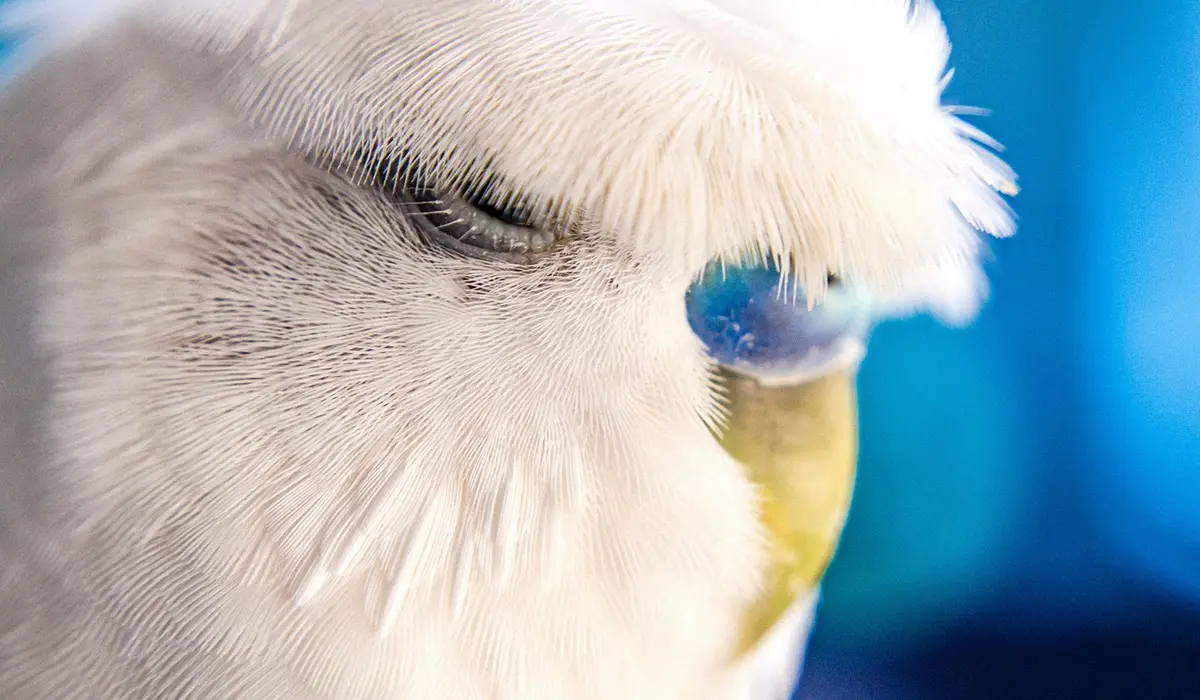
Many people think parrots just need a cage and some seeds, but that’s far from the truth. Parrots demand daily social interaction and mental challenges to stay happy and healthy. From my years with Kiwi, my Green-cheeked Conure, I’ve seen how boredom can lead to feather plucking or loud squawking. You’ve got to engage their minds every single day. If your parrot is bored, I can help. I share practical ideas to prevent boredom and keep their minds active.
Essential Daily Commitments
Think of a parrot as a toddler with wings-they need constant attention and stimulation. Daily out-of-cage time is non-negotiable for their physical and emotional well-being. I make sure Sage, my African Grey, gets at least two hours of supervised play outside her cage to prevent stress.
- Social interaction: Parrots are flock animals; they thrive on companionship and can get depressed alone.
- Mental enrichment: Rotate toys, teach tricks, or use foraging puzzles to keep their brains busy.
- Proper diet: Offer a mix of pellets, fresh veggies, and occasional fruits-not just seeds, which lack nutrients.
- Clean environment: Regularly clean cages and perches to avoid health issues like infections.
Long-Term Health and Happiness
Parrots aren’t short-term pets; they can live for decades. Routine vet check-ups are crucial to catch problems early, especially since birds hide illness well. With Sunny, my Sun Conure, I learned that annual visits help monitor her weight and beak health. Neglecting this can lead to costly emergencies. Practice gentle handling and carrier acclimation at home so Sunny is familiar with being touched and transported. A calm, respectful approach during the visit helps reduce stress for birds and makes exams smoother for everyone.
Advocating for animal welfare, I stress that parrots deserve a life free from neglect. Commit to their lifelong care, or don’t get one at all—it’s that simple. I’ve rescued birds from homes that treated them as decorations, and the recovery was heartbreaking. It’s important to dispel common parrot care myths to ensure they get the proper care they deserve.
How to Pick a Parrot That Fits Your Life
Choosing a parrot isn’t about grabbing the cutest one; it’s about matching their needs to your lifestyle. Start by honestly assessing your daily routine and energy levels. This careful fit is essential when you choose the right pet parrot for your home lifestyle. Take your time to match temperament, noise level, and daily routine. I made the mistake early on with a high-energy bird when I had a busy schedule, and it led to guilt and frustration.
Evaluate Your Time and Space
Parrots need dedicated time each day—some more than others. If you work long hours, a less demanding species like a budgie might suit you better than a needy conure. My African Grey, Sage, requires quiet and mental puzzles, perfect for my calm home office. Thoughtful training can help your parrot contribute to a soothing soundscape that reduces household stress. With the right routines, their chatter becomes comforting rather than disruptive.
- Time commitment: Aim for 1-3 hours of interaction daily; larger parrots often need more.
- Noise tolerance: Sun Conures like Sunny are loud and social-great for lively households, not for apartments with thin walls.
- Space requirements: Ensure the cage is spacious and you have room for flight or play areas.
- Budget for care: Factor in costs for food, toys, and unexpected vet bills.
Match Personalities and Lifespan
Just like people, parrots have distinct personalities. Spend time with potential birds to see if their temperament aligns with yours. Kiwi’s playful curiosity matched my active lifestyle, while a quieter parrot might suit someone more reserved.
Remember, parrots can live 20-80 years depending on the species. This isn’t a casual decision; it’s a lifelong bond that requires planning and patience. I advocate for adoption from rescues, where you can find birds needing homes and get guidance on compatibility. When weighing adoption vs buying, consider ethics, availability, and whether you can meet a parrot’s long-term needs.
Getting Started Right: Your Parrot Care Toolkit
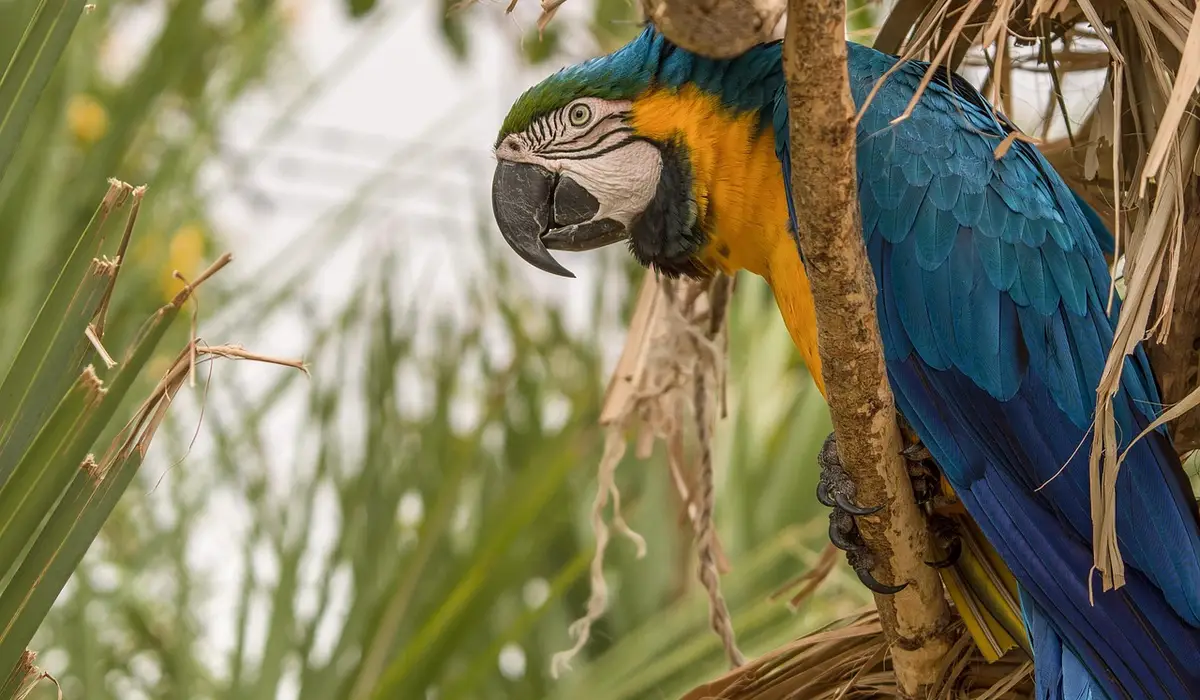
Think of preparing for a parrot like preparing for a brilliant, feathered toddler that can fly and has a can opener for a face. Your setup isn’t just about containment; it’s about creating a stimulating, safe environment where your bird can truly thrive. To connect to the topic, create a safe, stimulating indoor flight environment for your parrot. With clear space, safe perches, and supervised flight time, you encourage healthy flying and enrichment. I learned this the hard way with my first bird, and getting the toolkit right from day one saves so much stress.
The Foundation: A Proper Palace, Not a Prison
The cage is your parrot’s home, castle, and dining room. Too small, and you’re setting the stage for boredom and behavioral problems. Cage size and bar spacing vary by species, so choose a setup that fits your particular parrot’s needs. Understanding the housing requirements for your species helps ensure a safe, healthy home.
- Go Big or Go Home: The cage should be large enough for your bird to fully stretch its wings and flap without hitting the sides. For my Green-cheeked Conure, Kiwi, that meant a cage at least 24″ wide.
- Bar Spacing is Critical: A gap that’s too wide is an escape route or a head-trapping hazard. Research the ideal spacing for your specific species.
- Shape Matters: Rectangular cages offer more usable flight space than tall, narrow “cathedral” cages. Birds fly horizontally, not vertically.
Fueling the Fire: Beyond Seeds and Pellets
That bag of seed mix from the pet store? It’s the parrot equivalent of a diet of only potato chips.
- Pellets are the Base: A high-quality, formulated pellet should make up about 60-70% of their diet. It’s balanced nutrition.
- Fresh is Best: The rest should be a vibrant chop of fresh vegetables, some fruits, and healthy grains. My flock goes wild for a mix of kale, sweet potato, quinoa, and a bit of apple.
- Seeds are for Treats: Seeds are high in fat. Use them sparingly for training rewards, not as a main meal.
Mental Gymnastics: The Key to a Happy Bird
A bored parrot is a destructive, loud, or plucked parrot. Their intelligence demands constant engagement.
- Rotate Toys Frequently: I keep a toy box and swap out a few toys in their cages every week. Novelty keeps their minds sharp.
- Offer Variety: Include foraging toys (they have to work for their food), shreddable toys (like sola wood), and puzzle toys.
- Out-of-Cage Time is Non-Negotiable: Supervised time outside the cage for several hours a day is essential for exercise and bonding. This is when my Sun Conure, Sunny, gets his crucial social time.
Investing in the right tools from the start isn’t an extra cost; it’s the foundation for a decades-long, joyful relationship with your feathered friend. It shows you respect their complex needs and are committed to their well-being.
FAQs
What is the estimated annual cost of owning a parrot?
Annual expenses typically range from $500 to $2000, covering food, toys, and routine vet care. You should also set aside funds for emergencies, as parrots can develop sudden health issues. This is only part of a complete parrot ownership cost breakdown from purchase through lifelong care. A full view covers upfront purchase price and ongoing maintenance, helping owners budget for the long term.
Should I buy a parrot from a pet store or adopt from a rescue?
Adopting from a rescue is often recommended, as it gives a bird a second chance and may come with support. Pet stores might not provide detailed histories or ensure proper socialization, leading to potential challenges.
What are the must-have supplies for a new parrot owner?
Essential items include a spacious cage, varied perches, and a range of toys for mental stimulation. You’ll also need high-quality pellets, fresh foods, and cleaning supplies to maintain a healthy environment.
How do I build trust with a shy or scared parrot?
Start by spending quiet time near their cage and offering treats without forcing interaction. Gradually introduce hand-feeding and gentle speech to help them feel safe and build a bond over time.
What are the most common health issues in parrots and how to prevent them?
Common problems include respiratory infections, obesity, and feather plucking, often due to poor diet or stress. Regular vet check-ups, a balanced diet, and a clean, enriched living space can help prevent these issues.
Final Thoughts
Forget the idea of a ‘starter’ parrot-every bird is a long-term companion that demands your full commitment from day one. I’ve learned through my flock that species size or price tag doesn’t predict the care, time, and patience needed to build a trusting, lifelong bond.
Your journey doesn’t end after choosing a bird; it’s a continuous path of learning, observing, and adapting to your parrot’s unique personality and needs. Stay curious, ask questions from experienced owners, and always prioritize your feathered friend’s welfare above all else. A comparative guide for training different parrot species can help you tailor methods to each species’ temperament. By comparing techniques across species, you can find the most effective, humane approaches for your flock.
Further Reading & Sources
- 5 Parrot Talking Myths & Facts | Chewy
- What Your Parrot Wants You to Know: Forget the Myths and Embrace the True Nature of Your Bird
- Native American Indian Parrot Legends, Meaning and Symbolism from the Myths of Many Tribes
Suzanne Levine is a dedicated parrot enthusiast and experienced avian caregiver with over 15 years of hands-on experience in parrot care. As the founder of Parrot Care Central, Suzanne is passionate about sharing her knowledge and insights to help fellow parrot owners provide the best possible care for their feathered friends. Her expertise spans nutrition, behavior, health, and enrichment, making her a trusted resource in the parrot care community.
Budgerigars