Best Talking Parrot Species for Pet Owners
Published on: April 10, 2026 | Last Updated: April 10, 2026
Written By: Suzanne Levine
Choosing the right talking parrot can feel overwhelming, especially when you’re worried about picking a bird that’s too noisy, too difficult to care for, or just won’t bond with you.
I’ve lived with parrots for years, and I’ll help you navigate this exciting decision by focusing on what truly matters.
- Discover which species are the most gifted and reliable talkers.
- Learn about their unique personalities and daily care needs.
- Get practical advice to find your perfect feathered friend.
You’ll walk away with clear, straightforward advice to make a confident choice.
Species highlights, Care basics, Personality insights, Choosing your match
Meet the Masters of Mimicry: Top Talking Parrot Species
African Grey Parrots: The Intelligent Conversationalists
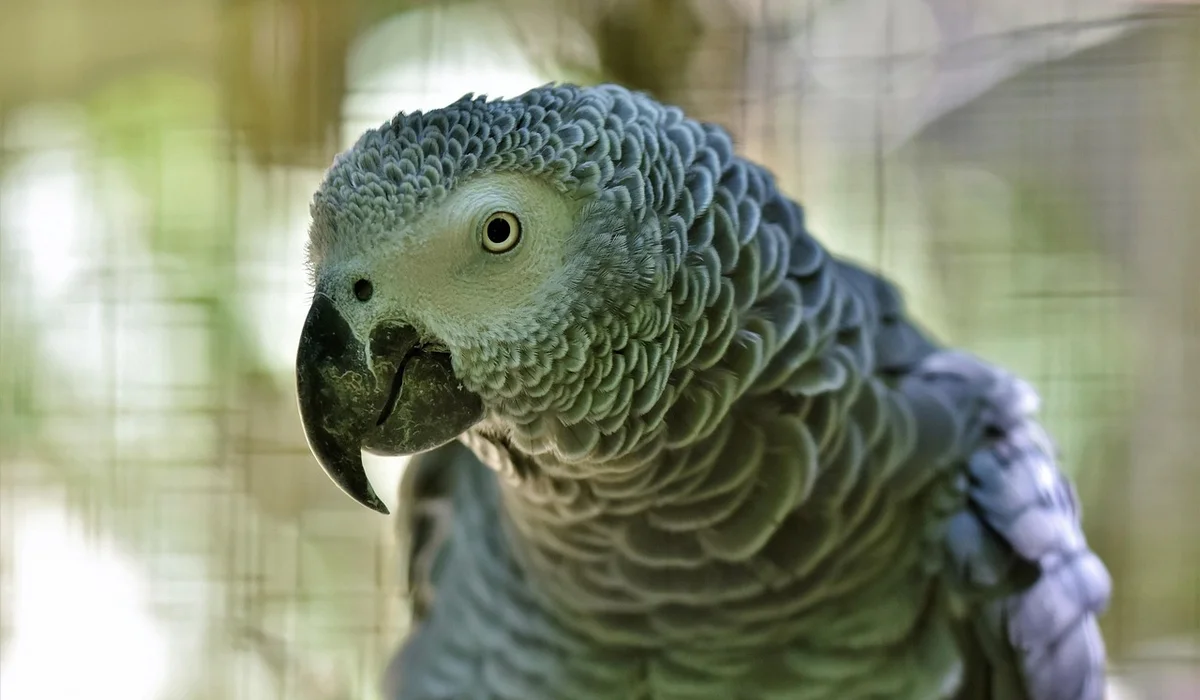
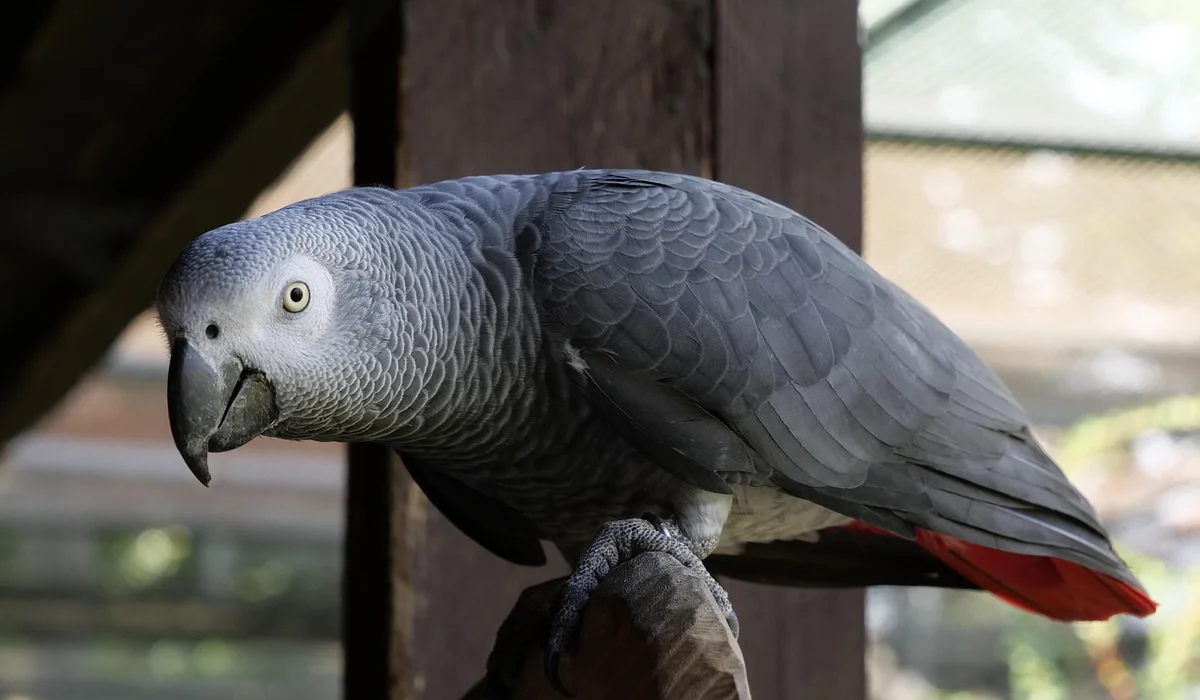
African Grey Parrots stand out for their incredible intelligence and ability to mimic human speech with remarkable clarity. My African Grey, Sage, often surprises me by picking up phrases after just a few repetitions, showing how quickly they learn. These birds don’t just repeat words; they can understand context and use language appropriately in conversations. I’ve spent years with Sage, and his calm demeanor makes him a joy to interact with daily. Caring for an African Grey requires mental stimulation-puzzle toys and regular training sessions keep their minds sharp. Providing a varied diet and plenty of social interaction is key to their happiness and vocal development. Remember, these parrots thrive on routine and can live for decades, so it’s a long-term commitment that rewards you with a true feathered friend.
Amazon Parrots: The Vocal Virtuosos
Amazon Parrots are known for their loud, clear voices and playful personalities. They excel at mimicking sounds and songs, often turning your home into a lively concert hall. While I haven’t owned an Amazon myself, I’ve cared for them in rescue settings, and their energy is contagious. These birds need daily vocal practice and enjoy being the center of attention. Regular interaction and a diet rich in fruits and vegetables help maintain their vibrant plumage and vocal health. Amazons can be territorial, so early socialization is crucial to prevent behavioral issues. Always consider their noise level-they’re perfect for households that appreciate a bit of chaos and charm.
Cockatoos and Macaws: The Big Talkers with Personality
Cockatoos and Macaws bring big personalities and impressive talking skills to the table. Their large size means they need ample space and dedicated care, but their affectionate nature makes it worthwhile. I’ve handled Macaws in volunteer work, and their ability to bond deeply with owners is heartwarming. These birds can learn extensive vocabularies but require consistent training to avoid excessive screaming. Enrich their environment with sturdy toys and foraging activities to keep them mentally engaged and reduce stress. Rescue parrots may arrive with trauma or fear-based behaviors, while hand-raised birds often bond quickly but can become dependent. These behavioral differences guide how we train, socialize, and provide enrichment for both rescue and hand-raised parrots. Due to their long lifespans and emotional needs, adopting one demands a serious commitment—always prioritize rescue options to support animal welfare.
Smaller Talkers: Quakers, Ringnecks, and Budgies
Don’t overlook smaller parrots like Quakers, Ringnecks, and Budgies—they pack a punch in the talking department. My Green-cheeked Conure, Kiwi, isn’t a top talker, but I’ve seen Budgies mimic entire phrases with surprising accuracy. These species are ideal for apartments or first-time owners due to their manageable size and lower noise levels. Offering a balanced diet and safe flying space encourages their natural chatter and mimicry abilities. Quakers, in particular, are social and can learn words quickly with patient training. With consistent, gentle training, you can train a tame Quaker parrot to be a well-behaved, friendly companion. Regular, positive reinforcement makes learning easier. Just like larger parrots, they deserve spacious cages and daily interaction to thrive.
Finding Your Perfect Chatty Companion
Assessing Your Home Environment for a Talking Parrot
Before bringing home a talking parrot, evaluate your living space to ensure it’s a good fit. Start by measuring available room for a cage—larger species need more space to stretch their wings and play. Remember: cage requirements are species-specific—different parrots need different cage sizes, bar spacing, and enrichment. Choose a cage that accommodates your bird’s wingspan and activity level. I learned this the hard way when Sunny, my Sun Conure, outgrew his first cage too quickly. Consider noise tolerance; some parrots, like Amazons, can be loud, which might not suit quiet apartments. Check if your schedule allows for daily interaction, as neglected parrots can develop behavioral problems. Also, think about other pets or children—supervised introductions are essential for safety. A calm, stable home reduces stress and helps your parrot feel secure enough to start talking.
- Space: Ensure enough room for a appropriately sized cage and play areas.
- Noise level: Match the parrot’s vocal tendencies to your household’s tolerance.
- Time commitment: Plan for daily feeding, cleaning, and social time.
- Family dynamics: Assess if everyone is ready for a long-term pet responsibility.
Best Talking Parrots for First-Time Owners
If you’re new to parrot ownership, start with species that are easier to handle and still great talkers. Budgies and Cockatiels are fantastic choices—they’re small, affordable, and can learn words with consistent training. From my experience, Budgies adapt quickly and don’t require as much space as larger birds. These traits contribute to them being considered among the best parrot species for beginners and easy-care birds. If you’re starting out, these options give you a gentler introduction to parrot care while still offering good talking potential. Quaker Parrots are another good option; they’re social and pick up speech readily. Always adopt from reputable sources to ensure you’re supporting ethical practices and animal welfare. Begin with short, daily training sessions using positive reinforcement to build trust. Remember, even smaller parrots need proper nutrition and vet care to stay healthy and chatty for years.
- Budgies: Low maintenance, good mimics, ideal for small homes.
- Quaker Parrots: Social and vocal, great for interactive families.
- Cockatiels: Gentle nature, can whistle and talk, perfect for beginners.
Training Techniques to Boost Your Parrot’s Talking Skills
Daily Practice Routines for Clear Speech
Set aside short, consistent sessions each day to help your parrot build confidence and clarity in their speech. I’ve found that practicing with my Green-cheeked Conure, Kiwi, for just 10-15 minutes in the morning when he’s most alert makes a huge difference in his pronunciation. These sessions also help address behavioral issues by giving Kiwi predictable structure. When used consistently with positive reinforcement, routine training channels energy into learning rather than misbehavior. Use repetition with simple words or phrases, and always reward efforts with treats or praise to keep it positive.
Vary your training times and locations to prevent boredom and stimulate learning. Rotating between quiet spots and slightly busier areas can mimic real-life chatter and improve your bird’s adaptability. For instance, my Sun Conure, Sunny, responds better when we practice near a window where she can hear outdoor sounds.
- Start with basic words like “hello” or their name, repeating them slowly and clearly.
- Incorporate interactive games, such as naming toys, to make speech fun and engaging.
- End each session on a high note with a favorite snack to reinforce good behavior.
Common Mistakes to Avoid in Talking Training
Rushing the process or expecting too much too soon can stress your parrot and hinder progress. Patience is key; I learned this the hard way when I pushed my African Grey, Sage, and he clammed up for days until I slowed down. Avoid yelling or showing frustration, as parrots pick up on negative energy and may stop trying to communicate.
Sticking to a rigid routine without breaks can lead to burnout for both you and your bird. Mix up your approach with playtime and quiet moments to keep training fresh and enjoyable. Over-relying on one phrase or ignoring body language cues, like feather fluffing or beak grinding, can miss opportunities for connection.
- Don’t force interactions; let your parrot initiate talking when they feel comfortable.
- Avoid using complex words initially; start simple to build a solid foundation.
- Skip punishment-based methods, as they harm trust and animal welfare.
Essential Care for Your Vocal Feathered Friend
Diet and Nutrition for a Healthy Talker
Feed a balanced diet rich in vitamins and minerals to support vocal health and overall energy. Fresh fruits like apples and berries, which Sunny adores, provide antioxidants that keep her voice clear and strong. Include pellets as a base, supplemented with veggies and occasional nuts, to ensure they get all essential nutrients without excess fat.
Hydration is crucial for maintaining smooth vocal cords, so always have clean water available. I make sure Kiwi’s water bowl is refreshed multiple times a day, especially after talking sessions, to prevent dehydration. Avoid sugary or salty treats that can lead to health issues and reduce their desire to chat.
- Offer a variety of colorful foods to mimic their natural foraging instincts.
- Limit seeds to small portions to prevent obesity and maintain peak condition.
- Introduce new foods gradually to avoid digestive upset and encourage acceptance.
Toys and Enrichment to Encourage Chatter
Provide toys that mimic sounds and encourage imitation, like bells or recorded phrases, to spark your parrot’s interest in talking. Kiwi’s favorite bell toy has him mimicking rings and simple words, turning play into a learning opportunity. Rotate toys weekly to prevent boredom and keep their environment stimulating, which promotes more vocal interactions.
Incorporate social enrichment through interactive play or mirrors to build confidence. Spending quality time with Sage, using puzzle toys that reward with sounds, has boosted his vocabulary and made him more outgoing. Ensure toys are safe and sized appropriately to avoid injuries and support animal welfare.
- Choose toys with different textures and sounds to engage multiple senses.
- Set up foraging toys that require vocal cues to “solve,” linking speech to rewards.
- Include perches and climbing structures to encourage physical activity, which often leads to happier, chattier birds.
Debunking Myths About Talking Parrots
Let’s clear the air on a few things. I’ve heard so many wild claims over the years, and I want to set the record straight based on my own life with my feathered crew. Not every parrot is a chatterbox, and expecting one can lead to serious disappointment for both you and the bird.
Myth 1: A Talking Parrot is a Smart Parrot
This is a big one. My African Grey, Sage, can mimic the microwave beep perfectly, but that doesn’t mean he understands thermodynamics. Parrots are incredible mimics. They copy sounds they hear often, from words to ringtones. Vocal mimicry is a separate skill from problem-solving intelligence, and it’s crucial we appreciate both for what they are.
Myth 2: Only Male Parrots Talk
I’ve met female cockatiels with more to say than their male counterparts! While some species may show a slight tendency, gender is far from a guarantee. My conure Kiwi is a female and she’s picked up several whistles and sounds. Many people wonder which gender fits better for talking. The truth is: it varies by individual, not by gender. Focusing on the individual bird’s personality and environment is a much better predictor of talking potential than its sex.
Myth 3: Teaching a Parrot to Talk is Quick and Easy
If you’re expecting instant results, you’re in for a surprise. Think of it like teaching a toddler a new language. It requires immense patience. With my sun conure, Sunny, it took months of consistent, daily repetition for his first clear word.
- It demands daily, dedicated interaction.
- Progress is often slow and happens in bursts.
- Some birds never speak, and you must be okay with that.
The bond you build during training is often more valuable than the words they eventually learn.
Myth 4: All Species Talk Equally Well
This is like assuming every dog breed has the same herding instinct. It’s just not true. Some parrots are naturally more inclined to vocalize. If you’re wondering whether different parrot sounds mean different things, a complete guide on this topic explains how to interpret them. This paragraph is a quick snapshot of that idea and points toward the full guide.
- The Prolific Talkers: African Greys, Amazons, and some Eclectus parrots are known for their clarity and large vocabularies.
- The Whistlers & Sound Machines: Cockatiels and Budgies often prefer whistling tunes and copying household noises over clear speech.
- The Occasional Word: Many conures, like my Kiwi, might learn a few words but are more celebrated for their playful antics and energetic personalities.
Choosing a species based solely on its talking reputation is a recipe for missing out on a bird’s other wonderful qualities.
FAQs
Are parrotlets capable of talking?
Parrotlets can learn a few words and sounds, but they are not among the top talkers like African Greys. With consistent training and social interaction, some may develop a small vocabulary over time. However, how long it takes for them to start talking can vary greatly between species. Learn more about the talking abilities of different parrot species.
What is considered the best talking parrot species globally?
African Grey Parrots are often ranked highest for their exceptional mimicry and cognitive skills. However, the best choice varies based on individual bird traits and owner commitment to care and training. When comparing parrot intelligence to other animals, it’s clear that different species have unique strengths.
Where can I find the best talking parrot videos for inspiration?
YouTube hosts numerous channels with videos of talking parrots, such as African Greys and Amazons, demonstrating their abilities. Watching these can provide practical examples and motivation for training your own bird.
Final Thoughts
Choosing a talking parrot is less about finding the “best” bird and more about finding the best bird for you. Focus on a species whose natural personality, noise level, and care needs fit your lifestyle, and the delightful chatter will follow as a wonderful bonus to your friendship.
Bringing a parrot into your home is a long-term promise to nurture a sensitive and intelligent life. Your commitment to learning about their complex needs—from diet to mental enrichment—is what truly transforms you from an owner into a cherished flock member. Within a home, your parrot becomes part of a tiny flock with you and your family. Grasping their flock dynamics—how they greet, signal, and rely on each other—helps keep your household harmonious and your bird thriving. To learn more about this important aspect, you can visit Grasping their flock dynamics.
Further Reading & Sources
- Choosing a Talking Bird for Companionship – FAQ Guide
- 8 Best Talking Bird Species to Keep as Pets
- Best Pet Birds That Talk | Fairfield, NJ Vets
Suzanne Levine is a dedicated parrot enthusiast and experienced avian caregiver with over 15 years of hands-on experience in parrot care. As the founder of Parrot Care Central, Suzanne is passionate about sharing her knowledge and insights to help fellow parrot owners provide the best possible care for their feathered friends. Her expertise spans nutrition, behavior, health, and enrichment, making her a trusted resource in the parrot care community.
African Grey Parrots