
Behavioral Blunders: 11 Common Mistakes That Encourage Bad Habits
Published on: March 4, 2026 | Last Updated: March 4, 2026
Written By: Suzanne Levine
Does it feel like your pet’s annoying habits keep getting worse, no matter how hard you try to fix them?
I’ve spent years training birds like my playful conure Kiwi and my smart African grey Sage, and I’ve seen how easy it is to accidentally make things worse. Let me break down three key insights that will help you see where you might be going wrong:
- Why everyday actions you think are harmless can actually reward bad behavior.
- How skipping simple routines leads to confusion and stubborn habits in pets.
- The power of positive reinforcement over punishment for long-term change.
You’ll walk away with straightforward steps to create a happier, well-behaved pet. We’ll explore these 11 common blunders: inconsistent training, rewarding attention-seeking, ignoring stress signals, overusing treats, lack of exercise, punishment methods, unclear boundaries, missed socialization, improper cage setup, neglecting mental challenges, and skipping vet check-ups.
Why Parrots Pick Up Problematic Behaviors
Parrots develop unwanted habits mainly because of fear, unclear communication, and their natural instincts. Fear can trigger behaviors like biting or screaming as a defense mechanism when they feel threatened. I saw this with Kiwi, my Green-cheeked Conure; after a loud noise startled him, he started nipping at hands until I helped him feel safe again. Understanding why parrots bite—causes and triggers—is crucial for addressing the behavior. By learning their body language and managing the environment, owners can prevent bites more effectively.
Lack of clear signals from owners adds to the confusion. If you’re inconsistent with commands, your parrot might misinterpret your intentions and act out stubbornly. Sage, my African Grey, would ignore “step-up” if I used different hand motions, showing how vital consistency is.
Natural instincts drive many behaviors, like chewing or flock calling. Ignoring these innate needs leads to frustration, which can turn into destructive habits like feather plucking. Sunny, my Sun Conure, began over-preening when I didn’t provide enough foraging toys to satisfy her curiosity.
Common triggers that spark these issues include:
- Environmental changes, such as new furniture or people in the home.
- Inconsistent daily routines, like erratic feeding or playtimes.
- Sudden loud noises or movements that cause stress.
- Lack of mental stimulation, leading to boredom and anxiety.
The Top 11 Owner Blunders That Encourage Bad Habits
Mistake 1: Rewarding Attention-Seeking Too Often
Giving in to every squawk or tap teaches your parrot that loud demands get results. Constant reinforcement turns playful behavior into a relentless habit that’s tough to curb. With Kiwi, I learned this the hard way; he’d scream for treats, and my quick responses made him even more vocal.
To reduce over-attention, start by spotting when you’re reinforcing it. Watch for patterns like reacting to every noise and slowly cut back on those responses. Reward quiet moments instead to encourage calm behavior.
- Step 1: Track how often you respond to attention-seeking actions.
- Step 2: Ignore minor demands and offer praise when your parrot is peaceful.
- Step 3: Set fixed interaction times to create a predictable routine.
Mistake 2: Using Unclear Cues During Training
Mixed signals confuse parrots and strengthen bad habits because they can’t grasp what you want. If you change your verbal or physical cues, your bird might resist commands or develop anxiety. Training Sage taught me to stick with one phrase and gesture for each task to avoid mix-ups.
Use consistent cues to make training effective. Pick specific words and hand signals for commands and repeat them faithfully in every session. This clarity helps your parrot learn faster and feel more secure. That’s how you teach your parrot to talk—your cues show what each word really means. When you pair a specific word with a corresponding gesture, the parrot learns the meaning and starts to imitate.
- Choose one cue per command, like “up” with an open palm.
- Practice in brief, focused sessions to reinforce learning.
- Avoid switching cues to prevent confusion and build trust.
Mistake 3: Rushing Through Interaction Times
Hurrying play or training sessions makes your parrot feel stressed and unheard. Patience is key to building a strong bond and preventing habits like avoidance or aggression. I noticed Sunny would bite if I cut our cuddle time short, signaling her need for slower pacing.
Look for signs your parrot feels rushed to address it early. Watch for body language that shows discomfort, such as pinned eyes or frantic movements. Slow down and match your parrot’s pace for better results.
- Signs of hurrying: feather ruffling, backing away, or loud vocalizations.
- Set aside uninterrupted time for each interaction.
- Use a calm voice and gentle movements to keep sessions relaxed.
Mistake 4: Ignoring Your Parrot’s Natural Instincts
Failing to align care with species-specific needs leads to behavioral issues. Each parrot type has unique instincts, and overlooking them can cause stress or rebellion. For example, Kiwi’s conure nature means he loves to climb and chew; denying that led to him gnawing on cage bars.
Tailor your approach based on your parrot’s breed. Research their natural behaviors and provide outlets like foraging toys or perches. This respects their instincts and reduces problem habits. In our ultimate guide to foraging, discover how foraging enrichment can diversify your parrot’s diet with nutritious, varied foods. By weaving foraging into daily feeding, you support natural eating patterns and overall health.
- Green-cheeked conures need lots of play and exploration.
- Sun conures thrive on social interaction and bright environments.
- African greys require mental challenges to stay engaged.
Mistake 5: Giving Up on Key Training Milestones
Inconsistency in teaching basics like “step-up” fosters resistance and confusion. If you quit too soon, your parrot learns that stubbornness pays off. With Sage, I had to persist through his initial reluctance to build a reliable response.
Stick to a simple plan to maintain discipline in training. Set small, achievable goals and celebrate each success to keep motivation high. This builds confidence and prevents backsliding.
- Outline clear steps for each milestone, like gradual approach and reward.
- Practice daily in short bursts to reinforce learning.
- Stay patient and avoid skipping steps, even if progress is slow.
Mistake 6: Reinforcing Negative Reactions Unintentionally
Accidentally rewarding fear or aggression strengthens those behaviors over time. If you comfort a scared parrot with treats, they might learn to act fearful for attention. I did this with Kiwi; soothing him after a scare made him repeat the behavior for rewards.
Break the habit loop with positive reinforcement. Reward calm, brave actions instead and ignore negative outbursts to shift their focus. This encourages healthier responses.
- Strategy 1: Identify what triggers the negative reaction and remove it if possible.
- Strategy 2: Use treats and praise for desired behaviors, like staying quiet.
- Strategy 3: Gradually expose your parrot to fears in a controlled way.
Mistake 7: Allowing Too Much Freedom in Unsafe Areas
Unrestricted access to places like kitchens or bathrooms poses serious risks. This can lead to dangerous habits like chewing on wires or ingesting toxins. I learned to set boundaries after Sunny nearly got into cleaning supplies left out.
Establish clear limits to keep your parrot safe. Use baby gates or closed doors to block off hazardous zones and supervise all out-of-cage time. This prevents accidents and promotes good habits. These are essential steps for parrot-proofing a room to enable safe, supervised flight. A well-prepared space helps your bird fly with confidence.
- Tip 1: Parrot-proof rooms by removing small objects and toxic plants.
- Tip 2: Designate a safe play area with toys and perches.
- Tip 3: Train your parrot to recall on command for emergencies.
Mistake 8: Expecting Immature Birds to Act Like Adults
Young parrots go through developmental stages and need patience, not pressure. Pushing them too hard can cause stress and long-term behavioral issues. Raising Kiwi from a chick taught me that juveniles are naturally clumsy and need time to learn.
Understand common errors in handling young birds. Allow for mistakes and provide gentle guidance instead of punishment. This supports healthy growth and prevents habits like fear biting.
- Anecdote: Kiwi used to drop food often, but with patience, he improved.
- Focus on positive reinforcement and avoid overwhelming them.
- Adjust expectations based on age and species maturity timelines.
Mistake 9: Assuming Siblings Make Ideal Cage Mates
Putting related parrots together without evaluating compatibility can lead to conflict. Sibling dynamics might involve rivalry or stress, encouraging bad habits like aggression. I’ve seen pairs fight over resources, even if they’re from the same clutch.
Assess compatibility carefully before housing birds together. Look for signs of harmony, like shared preening, and provide separate spaces if needed. This reduces tension and promotes peaceful cohabitation.
- Guidance: Introduce birds slowly in neutral areas.
- Watch for bullying or feather plucking as red flags.
- Ensure each bird has its own food bowl and perch to avoid competition.
Mistake 10: Failing to Balance Attention in Multi-Bird Homes
Jealousy from uneven attention can trigger behaviors like screaming or feather destruction. If one parrot feels left out, they might act out to get noticed. In my home, Sunny would pluck feathers when I spent more time with Sage, showing how sensitive they are to fairness.
Create a routine that ensures equal interaction. Schedule one-on-one time with each bird daily and use group activities to foster bonding. This minimizes envy and keeps habits in check.
- Checklist: Rotate play sessions, offer individual treats, and monitor body language for stress.
- Include all birds in training or feeding times to promote inclusion.
- Adjust routines if you notice any bird becoming withdrawn or aggressive.
Mistake 11: Delaying Professional Help When Needed
Putting off expert advice worsens behavioral problems and undermines your parrot’s welfare. Accountability means recognizing when you’re out of your depth and seeking help early. I consulted an avian behaviorist for Sage’s feather plucking, and it made a huge difference.
Watch for warning signs that indicate it’s time for a professional. Persistent issues like self-mutilation or extreme fear require specialized intervention. Don’t wait until habits become ingrained.
- Warning signs: prolonged aggression, refusal to eat, or repetitive destructive behaviors.
- Research certified avian behaviorists or veterinarians with parrot experience.
- Be open to feedback and follow through with recommended changes.
How to Recognize Your Own Role in Parrot Behavior Issues
It’s easy to blame your parrot for squawking or biting, but often, we’re the ones accidentally teaching those habits. Start by watching your own reactions closely—like when you rush to quiet a loud call, you might be rewarding the noise with attention. I learned this the hard way with Kiwi, my Green-cheeked Conure; my quick responses to her playful nips taught her that biting got my focus. If your parrot seems bored, that boredom can fuel misbehavior. Getting help with enrichment and a daily routine can make a big difference.
Self-Awareness Techniques to Spot Your Mistake Patterns
- Keep a daily log of your parrot interactions, jotting down what you did before and after behaviors like screaming or feather plucking.
- Set up a phone camera during playtime to review later-you’ll see if you’re inconsistently ignoring or reacting to bad habits.
- Ask a trusted friend to observe you and your parrot; an outside view can reveal patterns you miss, like giving treats at the wrong times.
Habit Tracking Method for Owners
Grab a notebook or use a simple app to track your actions over a week. Note the time, what your parrot did, and how you responded-this helps pinpoint where you’re reinforcing problems. For example, if Sunny, my Sun Conure, gets a seed every time he squawks, your log will show that pattern fast.
- Create columns for: Behavior (e.g., biting), Your Action (e.g., yelled), and Outcome (e.g., parrot stopped).
- Review entries daily to spot trends, like always giving in to demands for attention, and adjust your approach gradually.
Personal Reflections on Learning from Errors
With Sage, my African Grey, I used to scold her for mimicking negative sounds, which just made her repeat them more. I realized that staying calm and redirecting her to a toy taught me that patience builds trust, not fear. Embracing mistakes as lessons has deepened my bond with all my birds and improved their well-being.
Practical Strategies to Stop Bad Habits Before They Start
Preventing bad habits is simpler than fixing them, and it all begins with a stable environment. Establishing predictable routines reduces stress for parrots, making them less likely to develop issues like chewing furniture or excessive vocalizing. I’ve seen this work wonders with Kiwi – her playful curiosity thrives when she knows what to expect each day. Combining these routines with positive reinforcement training further helps in nurturing good behavior.
Steps for Consistent Routines and Environments
- Set fixed feeding times, like morning and evening, to create a sense of security.
- Designate daily play sessions with interactive toys to channel energy positively.
- Maintain a regular sleep schedule by covering the cage at the same time nightly, mimicking natural light cycles.
- Keep the cage in a low-traffic area to minimize surprises that could trigger anxiety or aggression.
Using Rewards and Cues Effectively for Good Habits
Reward good behavior immediately with small treats or praise, so your parrot links the action to something positive. Pair cues like a specific whistle with desired actions, such as stepping up, to build reliable habits over time. With Sunny, I use a cheerful “good bird” cue when he’s quiet, and now he often chooses calmness to earn affection.
- Use high-value rewards, like a piece of fruit, for big successes to keep motivation high.
- Avoid punishing bad habits-instead, ignore minor issues and redirect to a fun activity to prevent reinforcement.
Proven Methods to Boost Owner Motivation
Staying motivated can be tough, but breaking goals into small wins makes it manageable. Celebrate every success, like a week without biting, with a fun activity you both enjoy, reinforcing your commitment to your parrot’s happiness. I keep a “progress jar” where I drop a note for each positive change, reminding me how far we’ve come together.
- Join online parrot care groups for support and shared tips-hearing others’ stories keeps me inspired.
- Schedule weekly check-ins to reflect on improvements, adjusting strategies as needed to stay on track.
The Impact of Owner Emotions and Communication on Parrot Behavior
Parrots pick up on your feelings like a sponge soaks up water. When you feel frustrated or angry, your parrot senses that tension and often reacts with stress behaviors like screaming or feather plucking. I’ve seen this with my own birds-Kiwi, my Green-cheeked Conure, used to start pacing and squawking loudly whenever I raised my voice during a stressful work call.
To keep things calm, focus on your tone and body language. Speak in a gentle, steady voice and avoid sudden movements to help your parrot feel secure. Use simple, consistent words so they understand what you want without confusion.
- Take a deep breath before interacting if you’re upset-it helps reset your mood.
- Practice positive reinforcement by rewarding good behavior with treats or praise.
- Keep your posture relaxed; parrots read stiff shoulders as a sign of danger.
Adjusting my approach made a huge difference with Sunny, my Sun Conure. I switched from a hurried tone to a playful one during training, and she went from ignoring me to eagerly learning new tricks. Another time, Sage, my African Grey, stopped her nervous chewing when I started using a softer voice around her cage.
Building a Supportive Environment for Positive Parrot Habits
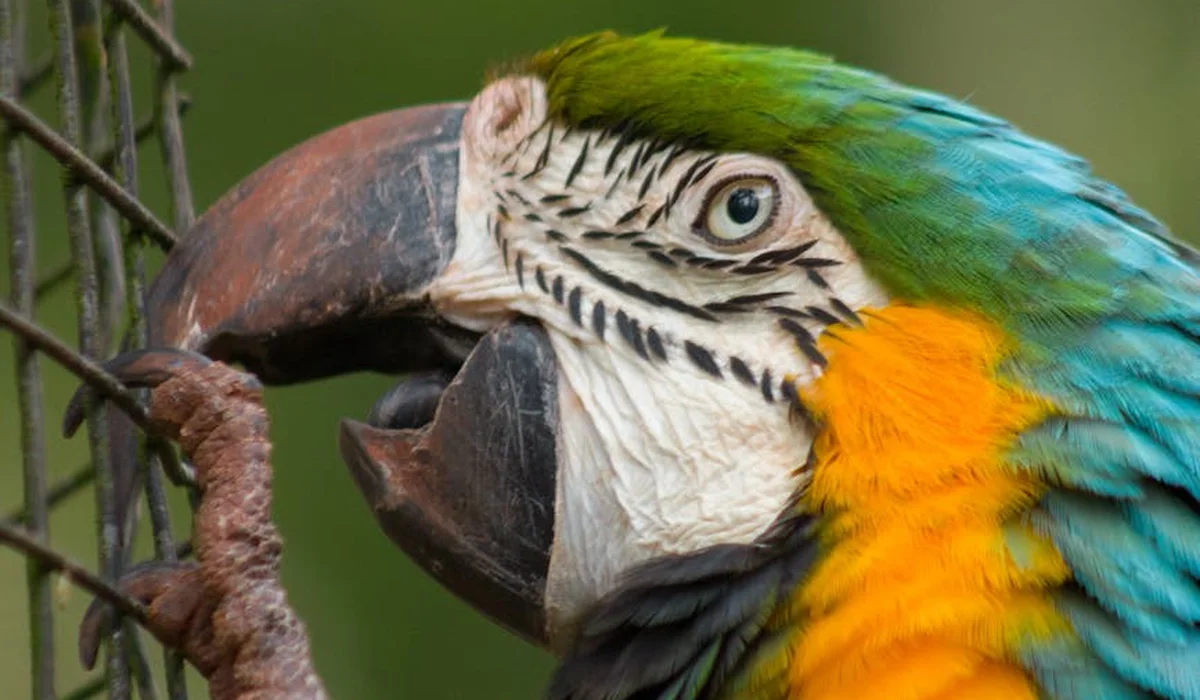
Your parrot’s surroundings shape their actions more than you might think. A well-designed cage with varied perches and toys prevents boredom, which cuts down on habits like excessive chewing or screaming. Social time with you or other pets also influences their mood-Kiwi loves watching our family activities from her safe spot.
Set up their space to encourage natural behaviors. Include foraging toys and rotate them weekly to keep their minds engaged and reduce stress. Place the cage in a quiet but social area so they feel part of the flock without being overwhelmed.
- Choose a cage with enough room for stretching and playing-bigger is usually better.
- Add different textures like wood, rope, and safe plastics for chewing and climbing.
- Ensure perches are at varying heights to promote exercise and comfort.
- Keep food and water dishes clean and accessible to avoid frustration.
- Provide hiding spots or cozy corners for times they need a break.
Always prioritize their well-being by avoiding toxic materials and ensuring everything is secure. I make sure Kiwi’s toys are free of small parts she could swallow, and it’s kept her safe and happy for years. A stimulating home doesn’t just stop bad habits-it lets your parrot thrive as the vibrant companion they are meant to be.
When and How to Get Help for Stubborn Behavior Problems
-
You might notice your parrot’s behavior getting worse despite your best efforts. If your bird shows constant aggression, like biting hard enough to draw blood, it’s a clear signal to seek expert guidance. I saw this with my Sun Conure, Sunny, when her playful nips turned into painful attacks during feeding time. Other red flags include feather plucking that doesn’t stop with environmental changes or loud, non-stop screaming that disrupts your daily life. When home training feels like hitting a wall, professional coaching can offer fresh strategies tailored to your parrot’s unique personality. These issues are often addressed through routine training—short, daily sessions that use positive reinforcement. A consistent schedule for feeding, play, and training helps reduce triggers and support lasting progress.
-
Finding trustworthy help starts with looking for certified avian behaviorists or veterinarians who specialize in birds. Join online forums like Parrot Forums or Avian Avenue to read reviews and get recommendations from other parrot owners. Check for credentials, such as certification from organizations like the International Association of Animal Behavior Consultants. I always ask for before-and-after stories to gauge effectiveness. Local bird clubs often host workshops where you can meet experts face-to-face. Don’t forget books by renowned authors; they provide research-backed methods that have stood the test of time.
-
Admitting I needed help was a turning point with my African Grey, Sage. I realized my frustration was making his fear-based screaming worse, so I reached out to a behaviorist who taught me calming techniques. That moment of accountability led to quieter, happier days for both of us. Another time, with Kiwi, my Green-cheeked Conure, I learned that consistency in training wasn’t enough-I had to adjust my approach based on his playful curiosity. Embracing outside input transformed our bond and reinforced that parrot care is a journey of learning and adaptation.
FAQs
How can you identify your own common behavioral mistakes as a parrot owner?
Keep a daily log of your interactions to track when you accidentally reward unwanted behaviors. Reviewing this data helps you spot patterns, like responding to every squawk, which reinforces bad habits over time.
What role does communication play in behavioral mistakes with parrots?
Inconsistent verbal cues or body language can confuse your parrot, leading to misunderstandings and stubborn actions. Using clear, steady commands and a calm tone helps prevent anxiety and encourages better responses.
How do emotional reactions cause behavioral mistakes in parrot care?
Owner stress or frustration can make parrots feel threatened, triggering fear-based behaviors like biting or screaming. Staying patient and composed during interactions reduces the chance of reinforcing these negative reactions. Sound management—keeping noise levels steady and predictable—helps your parrot cope with household sounds. This approach, alongside patience, can reduce stress and prevent fear-based reactions.
What are warning signs of recurring behavioral mistakes in parrot training?
Persistent issues like repeated feather plucking or aggression despite corrections indicate that your approach may be ineffective. If problems worsen over time, it often signals a need to adjust your strategies or seek help.
How can training and coaching address behavioral mistakes for parrot owners?
Professional guidance offers personalized techniques to correct owner errors and improve parrot behavior. Consistent coaching helps you learn effective methods, reducing the likelihood of reinforcing bad habits in the future. These insights tie into our top 10 beginner parrot owner mistakes to avoid. Following them helps prevent common missteps and supports a happy, well-adjusted parrot.
Final Thoughts for Feathered Friends
The best way to stop a bad parrot habit is to prevent it from ever starting by managing their environment and your own reactions. Focus on rewarding the behaviors you want to see with treats and praise, and simply ignore or redirect the ones you don’t. Paying close attention to their body language has helped me immensely with my own birds, Kiwi, Sunny, and Sage, allowing me to meet their needs before frustration turns into screaming or biting. If your goal is to stop your parrot from biting, you can follow a clear step-by-step training guide that translates these principles into practical actions. It breaks training into small, repeatable steps to reduce stress and build trust.
Caring for a parrot is a long-term commitment to understanding a complex, intelligent creature who depends on you completely. Their well-being is directly tied to your willingness to keep learning. I’m still discovering new things about parrot communication and enrichment every single day, and that journey of growth is one of the most rewarding parts of being a parrot parent.
Further Reading & Sources
- Breaking Bad Habits | NIH News in Health
- Bad Habits: How They Develop and How to Break Them
- How Your Bad Habits Affect Your Health
Suzanne Levine is a dedicated parrot enthusiast and experienced avian caregiver with over 15 years of hands-on experience in parrot care. As the founder of Parrot Care Central, Suzanne is passionate about sharing her knowledge and insights to help fellow parrot owners provide the best possible care for their feathered friends. Her expertise spans nutrition, behavior, health, and enrichment, making her a trusted resource in the parrot care community.
Obedience Training