
Top 10 Beginner Parrot Owner Mistakes and How to Avoid Them
Bringing home a parrot is thrilling, but are you secretly worried about making a mistake that could hurt your new friend? I felt that same nervous excitement when I first adopted Kiwi, my Green-cheeked Conure.
You are not alone in this journey. I will help you sidestep the common pitfalls by sharing the most critical mistakes and simple ways to fix them.
In this guide, you will learn:
- How to set up the perfect home environment from day one
- The truth about parrot diet and nutrition that many get wrong
- Essential bonding and training techniques to build trust, not fear
You will get straightforward, actionable advice you can use immediately. We cover: improper cage setup, poor diet choices, handling errors, ignoring body language, vet care neglect, lack of enrichment, inconsistent training, noise misunderstandings, social isolation, and impulse buying.
Housing Hiccups: Setting Up the Perfect Parrot Home
One of the first big mistakes I see is choosing a cage that’s simply too small. Different parrot species have different parrot cage size requirements, so it’s important to pick a cage that suits your bird. Your parrot’s cage is its entire world, so it needs enough room to fully stretch its wings, climb, and play without bumping into walls. Research the recommended dimensions for your parrot’s species to ensure you meet the housing needs. A cramped cage leads to boredom, stress, and even physical health problems over time.
Avoiding the Wrong Cage
- Tiny cages marketed for “small birds” are often disastrous for active parrots like conures or cockatiels.
- Placing the cage in a lonely corner or a high-traffic, chaotic area causes anxiety.
- Using dowel perches of the same size can cause painful pressure sores on their feet.
Steps to Select the Perfect Cage
- Measure your parrot’s wingspan and choose a cage at least double that width.
- Check bar spacing meticulously. For my Green-cheeked Conure Kiwi, I use 1/2 inch to 5/8 inch spacing to prevent her head from getting stuck.
- Opt for a rectangular cage over a round one; corners provide a safe, secure feeling for your bird.
- Select a cage with horizontal bars to make climbing much easier and more fun for them.
Creating a Healthy Interior
Perch variety is non-negotiable for good foot health. I use a mix of natural wood branches, a concrete perch for nail filing, and a soft rope perch for comfortable resting. This variation helps exercise different muscles in their feet.
Cage hygiene is your best defense against disease. I do a quick daily cleanup of food and droppings, and a full cage scrub with bird-safe cleaner every single week. Keeping their home clean drastically reduces the risk of bacterial and fungal infections. My African Grey, Sage, is a tidy bird, but my Sun Conure, Sunny, is a messy eater, so her cage needs more frequent attention. For a complete, safe guide on cleaning your parrot and its environment, see our clean your parrot its environment safely complete guide. It walks you through approved cleaners, ventilation tips, and routines that protect your birds.
Feeding Fails: Mastering Parrot Diet and Nutrition
When I first started, I thought a bag of seeds was a complete diet. I was so wrong. A seed-only diet is like feeding your parrot junk food every day; it’s high in fat and deficient in nearly every essential vitamin. This leads to obesity, liver disease, and poor feather quality.
Common Dietary Mistakes
- Relying solely on a seed mix, which is nutritionally incomplete.
- Overfeeding fatty treats like nuts and sunflower seeds.
- Offering toxic human foods, including avocado, chocolate, caffeine, and onions.
- Assuming a picky parrot will simply “eat when it’s hungry.”
Steps for a Balanced Parrot Diet
- Make high-quality pellets the foundation of their diet, about 60-70% of what they eat.
- Offer a colorful chop of fresh vegetables daily. My flock loves bell peppers, broccoli, and sweet potato.
- Provide small amounts of fruit as a treat, not a staple, due to the high sugar content.
- Limit nuts and seeds to training rewards or special occasions.
- Always have fresh, clean water available.
Spotting and Fixing Poor Nutrition
Signs of a bad diet are often visible. Look for dull, ragged feathers, flaky skin, low energy, or a consistently overgrown beak. If your bird is a picky eater, transition them slowly. I mixed pellets into Sunny’s old seed mix, gradually increasing the pellet ratio over two weeks.
When I introduced more fresh veggies and reduced seeds, the change in my birds was incredible. Kiwi’s green feathers became more vibrant, and Sunny’s energy levels skyrocketed, making her even more playful and social. It takes patience, but fixing their diet is one of the most rewarding things you can do for their long-term health.
Health Hazards: Monitoring and Veterinary Care Oversights
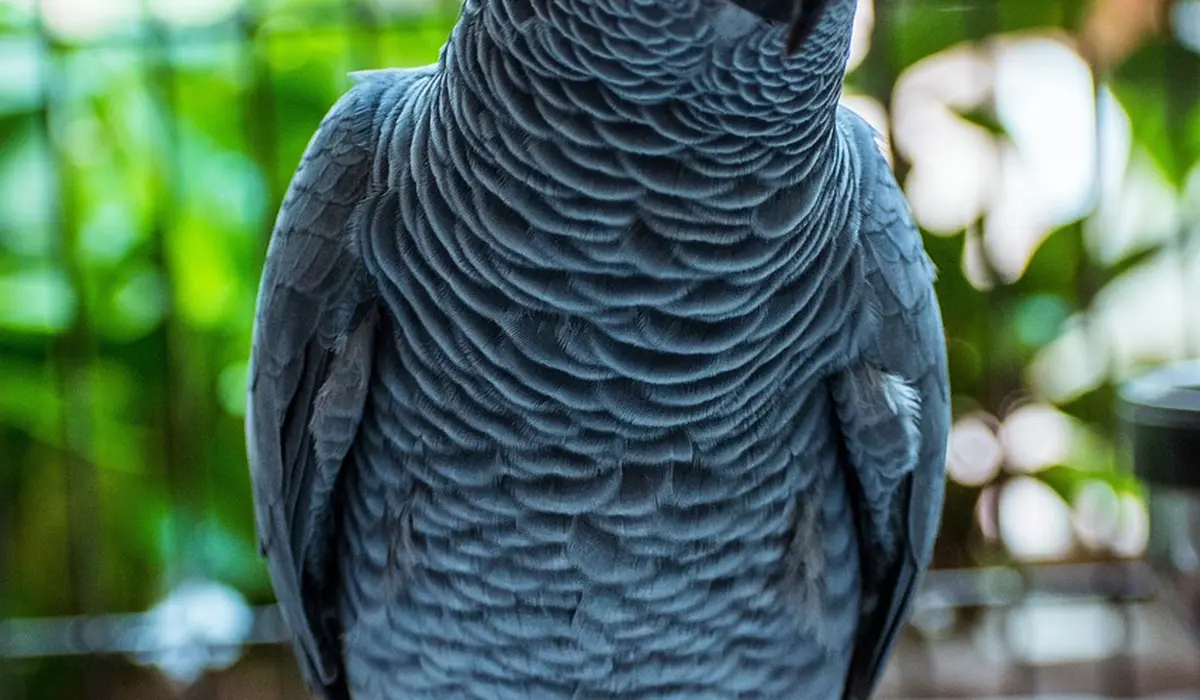
Many new parrot owners miss the quiet whispers of illness until it becomes a scream. Parrots are masters at hiding weakness, so subtle changes in droppings or behavior are your earliest red flags. I learned this the hard way when my Green-cheeked Conure, Kiwi, became unusually quiet; a vet visit revealed a minor infection we caught just in time.
Finding Your Avian Specialist
Not all vets are bird experts. You need someone who speaks fluent parrot.
- Search the Association of Avian Veterinarians directory online for certified specialists near you.
- Call potential clinics and ask about their experience with parrots, emergency services, and standard check-up procedures.
- Schedule a “meet and greet” wellness visit to establish care before any crisis arises.
Recognizing Emergencies and Building a First-Aid Kit
Bleeding, labored breathing, or seizures demand instant action. Always keep your avian vet’s emergency number and an animal poison control hotline visible on your refrigerator. Your parrot first-aid kit should be ready for anything. Being prepared for treating a sick parrot at home is a core part of first-aid emergency care. With the right knowledge and kit, you can stabilize your bird and buy time until a veterinarian arrives.
- Styptic powder to stop bleeding from a broken nail or feather
- Small animal carrier for safe transport
- Soft towels and gauze for restraint and wrapping
- A digital thermometer to monitor for fever or hypothermia
The Critical Quarantine Period
Bringing a new bird home is thrilling, but introducing them straight to your existing flock is a dangerous gamble. I always quarantine new arrivals like my Sun Conure, Sunny, in a separate, well-ventilated room for a minimum of 30 days. This prevents the silent spread of contagious diseases like psittacosis, protecting all your feathered family members. The 30-day quarantine should be the standard protocol for every new bird. During this time, monitor appetite, droppings, and energy, and consult a veterinarian if anything seems off.
Training Troubles: Bonding and Socialization Slip-ups
We all want that deep, trusting bond right away, but rushing it is the fastest way to break it. Forcing a relationship builds fear, not friendship, especially with naturally cautious species like my African Grey, Sage. Punishment never works; it only teaches your parrot to be afraid of you.
Mastering Positive Reinforcement
Training should feel like a fun game for both of you. The goal is to make your parrot *want* to interact with you. In positive reinforcement training for parrots, you reward desired behaviors with treats, praise, or play. This approach makes training a cooperative activity that your bird wants to repeat.
- Identify a high-value treat your parrot goes crazy for, like a piece of pine nut or millet spray.
- Reward every desired behavior immediately, even something as simple as stepping onto your hand.
- Keep sessions short-just 5 to 10 minutes-to maintain their attention and end on a positive note.
Reading Feathery Body Language
Your parrot is talking to you all the time without making a sound. Learning to read pinning eyes, fluffed feathers, and crouching postures is the key to respectful interaction. A parrot leaning away with pinned eyes is saying “no thank you,” and forcing a cuddle then will shatter trust. In a guide to recognizing signs of pain in parrots, you’ll learn to read these subtle body language cues more clearly. Spotting them early helps you respond quickly and seek veterinary advice when needed.
Building Confidence in a Shy Parrot
Some birds, like my Sage was, are naturally more reserved. Pushing them only makes them retreat further.
- Place their cage in a busy family area so they get used to normal household activity from a safe distance.
- Let new family members offer treats through the cage bars without demanding interaction.
- Speak to them in a calm, soothing voice throughout the day so your presence becomes a comfort.
Stories of Bonding Breakthroughs
Patience is not passive; it’s an active investment. My biggest breakthrough with Sage came after weeks of simply sitting by his cage, reading aloud until he started mimicking the rhythm of my voice. That consistent, non-threatening daily presence built a bridge of trust that eventually led him to seek me out. It’s those small, daily sessions of just “being together” that forge the strongest bonds.
Enrichment Errors: Keeping Your Parrot Mentally Stimulated
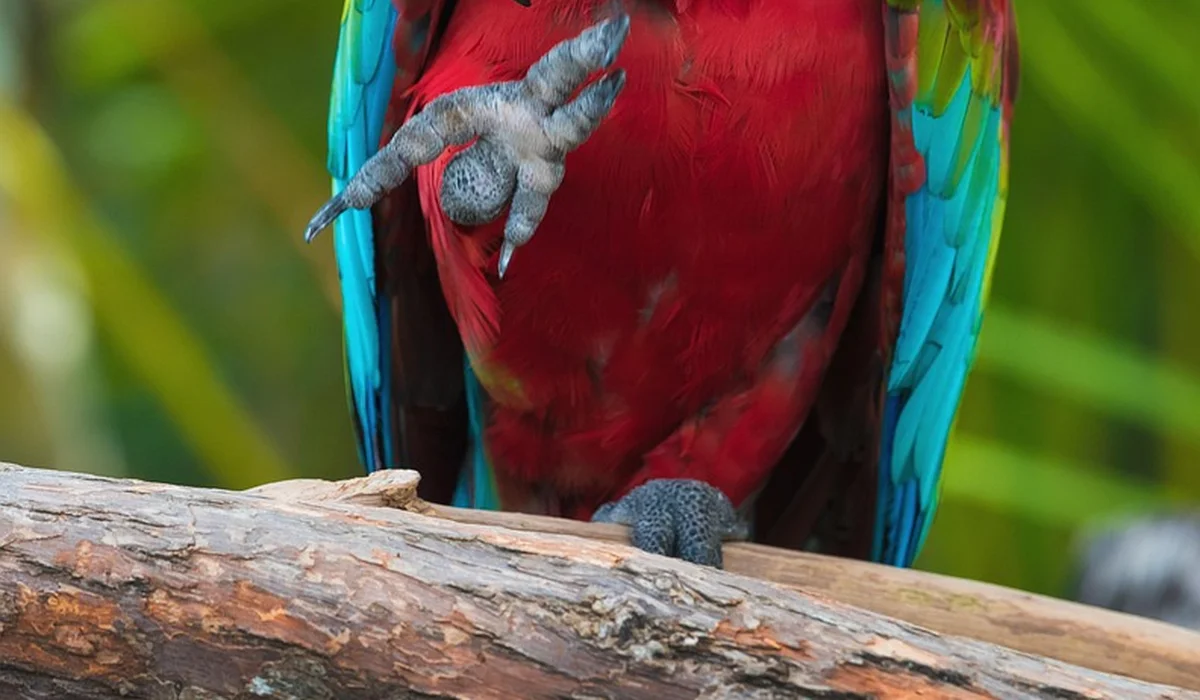
A bored parrot is an unhappy parrot, and I learned this the hard way when my Green-cheeked Conure, Kiwi, started plucking his feathers. Parrots are intelligent creatures with the emotional needs of a toddler and the problem-solving skills of a clever child. I didn’t realize just how important it was to keep him engaged and mentally stimulated. That’s what I tried to address when I reached out to Parrot Care Central to learn why parrots get bored and how to help them.
Common Enrichment Mistakes
- Using the same toys for months on end
- Only providing toys inside the cage
- Ignoring their natural urge to forage for food
- Not allowing for daily out-of-cage exercise
Steps to a Stimulating Environment
- Offer a variety of safe toy types: Include shreddable, foraging, puzzle, and foot toys.
- Create daily foraging opportunities: Hide treats in cardboard boxes or foraging balls.
- Ensure at least 3-4 hours of supervised out-of-cage time: This allows for flight and exploration.
- Rotate toys weekly: Keep a “toy library” and swap a few items every seven days.
- Make simple DIY toys: Use untreated wood, cardboard, and paper cups for cheap enrichment.
After I started a proper rotation schedule with DIY foraging boxes, Kiwi’s feather plucking completely stopped. Watching him solve a simple puzzle for a sunflower seed brought back his playful spark almost instantly. My Sun Conure, Sunny, became far less noisy once she had a job to do, like unwrapping a nut from a paper bundle.
Safety Slip-ups: Bird-Proofing Your Home Environment
Your home is full of hidden dangers for a curious parrot. I once panicked when Sage, my African Grey, decided to investigate a ceiling fan I’d forgotten to turn off. A parrot’s curiosity can quickly lead them into life-threatening situations if you’re not prepared. That’s why you should create a safe, stimulating indoor flight environment for your parrot. Regular, supervised flight time can channel curiosity away from dangers.
Overlooked Household Hazards
- Open windows and ceiling fans
- Toxic fumes from non-stick cookware
- Houseplants like lilies and philodendrons
- Exposed electrical cords
- Other family pets, even friendly ones
Your Home Safety Checklist
- Conduct a “parrot-eye view” safety audit: Get on your hands and knees to spot dangers.
- Secure all windows and cover mirrors: Use screens and decals to prevent collisions.
- Switch to bird-safe cleaning products: Vinegar and water work wonders for most cleaning.
- Always supervise out-of-cage time: Never leave your parrot alone outside their cage.
- Create a safe room for flight time: Close doors to keep out other pets and limit access.
Consistent sleep is just as crucial as daytime safety for your parrot’s health. I cover my parrots’ cages by 8 PM every night to ensure they get 10-12 hours of darkness. They also get morning sunlight near a safe window, which helps regulate their mood and supports vitamin D production. This routine has made all three of my birds calmer and more predictable.
Common Questions
How do I safely transport my parrot to the vet?
Use a secure, small travel carrier, not their main cage, to reduce stress and prevent injury. Cover the carrier with a light cloth to provide a sense of security during the journey.
How often should I trim my parrot’s nails and wings?
This varies by individual bird, but a general guideline is to check nails and flight feathers every few months. It is best to have an avian veterinarian or an experienced groomer demonstrate the proper technique to avoid causing injury. If you’re wondering, do I groom my parrot, this includes nails, beak, and feather care as part of regular grooming. Tailoring care to your bird’s needs and species is important, and professional guidance helps establish a safe routine.
What are the signs that my parrot is stressed?
Common signs include feather plucking, loss of appetite, repetitive pacing, and aggressive behavior. Addressing the cause, such as lack of enrichment or an insecure environment, is crucial for their well-being.
Can I use regular household cleaners around my parrot?
No, many common cleaners emit fumes that are toxic to a bird’s sensitive respiratory system. Opt for bird-safe products or simple solutions like diluted vinegar for cleaning their environment.
Why does my parrot bite, and how should I react?
Biting is often a sign of fear, territoriality, or overstimulation. React by calmly putting the bird down and ignoring the behavior, rather than yelling, which can reinforce it.
Your Parrot Journey Starts Now
Remember, a great start comes from choosing the right species, setting up a spacious cage with safe toys, and committing to a balanced diet of pellets, fresh veggies, and a little fruit. Daily interaction and mental stimulation are non-negotiable for a happy, well-adjusted bird.
Owning a parrot is a long-term partnership filled with learning and laughter. Stay curious, ask questions from experienced owners, and always prioritize your feathered friend’s welfare. Your dedication to understanding their complex world makes all the difference. To help with the first day, use a simple, step-by-step survival guide for your new parrot’s first day home. This quick starter plan eases the transition and sets the stage for a calm, lasting partnership.
Further Reading & Sources
- 12 COMMON MISTAKES THAT BIRD OWNERS MAKE | Parrot Ownership – YouTube
- New Bird Owner Mistakes | Parrot Bonding and Care | BirdNerdSophie AD – YouTube
- TOP PARROT OWNER MISTAKES | AVOID THESE BIRD BLUNDERS | PART 2 | TheParrotTeacher – YouTube
Suzanne Levine is a dedicated parrot enthusiast and experienced avian caregiver with over 15 years of hands-on experience in parrot care. As the founder of Parrot Care Central, Suzanne is passionate about sharing her knowledge and insights to help fellow parrot owners provide the best possible care for their feathered friends. Her expertise spans nutrition, behavior, health, and enrichment, making her a trusted resource in the parrot care community.
Cages