
Managing a Multi-Parrot Household: A Guide to Flock Dynamics
Published on: February 22, 2026 | Last Updated: February 22, 2026
Written By: Suzanne Levine
Does your home feel more like a chaotic aviary than a peaceful sanctuary? You’re not alone, and I’ve been there too. When I brought my third parrot, Sage, home to join Kiwi and Sunny, the squawking and feather-fluffing made me wonder if I’d made a huge mistake.
I’m here to help you transform that chaos into harmony. We’ll cover the core principles that have worked in my own flock, focusing on:
- Understanding the natural pecking order and how to spot healthy vs. problematic behaviors.
- Setting up your home’s layout to minimize territorial disputes and maximize peace.
- Ensuring every bird gets the individual attention and social interaction they crave.
You’ll walk away with clear, actionable advice you can use today. This guide dives deep into flock hierarchy, space management, feeding strategies, playtime schedules, and bonding techniques.
Understanding Parrot Flock Dynamics
Parrots are not solitary creatures; they thrive in complex social groups where every bird has a role. Observing my own flock, I see a gentle hierarchy where Sage, my African Grey, often acts as the calm observer, while Kiwi, the Green-cheeked Conure, buzzes around like the playful scout. This isn’t about bullying, but a natural order that provides security and structure.
Social Behavior and Hierarchy in Pet Parrots
In a home, your parrots will form their own mini-flock with its own rules.
- Resource Guarding: A higher-ranking bird might claim the best perch or first dibs on a favorite treat.
- Vocal Leadership: One parrot often initiates the morning chirps or alarm calls, and the others follow.
- Mediation: Some birds, like my Sunny, will break up minor squabbles with a loud call or by moving between the others.
How Bonding Affects Flock Interactions
The relationships your birds form with you and each other directly shape their daily lives. When I dedicated one-on-one time to bond with Kiwi, his confidence soared, which surprisingly made him more tolerant of Sunny’s attempts to play. Sometimes, an overly strong bond can lead to mate-guarding or jealousy toward other birds. With mindful pacing and shared activities, you can help all parrots stay sociable while maintaining healthy boundaries. A strong bond with you can make a parrot feel secure enough to be more sociable with its feathered housemates.
- A parrot bonded strongly to you may see other birds as rivals for your attention.
- Birds that form a pair bond with each other will often preen, feed, and vocalize together, creating a sub-unit within your flock.
- Parrots with weaker social bonds might need more supervised interaction to build trust slowly.
Steps for Monitoring Parrot Relationships
Staying alert to the subtle shifts in your flock’s mood is your most important job.
- Watch Body Language Daily: Look for relaxed postures, shared preening, and soft chirps as signs of peace. Pinpoint eyes, fluffed feathers, and raised wings can signal tension.
- Listen to the Soundscape: Learn the difference between happy chatter and distressed squawking. A sudden change in vocal patterns often means something is wrong.
- Track Feeding Time Dynamics: Note if one bird is consistently preventing others from accessing food bowls. This is a common flashpoint.
- Schedule Regular “Flock Checks”: I spend 15 minutes each evening just watching my birds interact in their shared play area, noting any new behaviors.
Preparing Your Home for a Multi-Parrot Flock
Your home is their jungle, and a well-prepared space prevents countless problems. After adding Sage to our home, I quickly learned that a single unsecured window blind cord was a potential hazard I had completely overlooked. A safe home is a happy home for everyone.
Essentials for Parrot-Proofing Your Space
Think like a curious, flying toddler with a can opener on its face.
- Eliminate Toxic Fumes: No non-stick cookware, scented candles, or aerosol sprays. Their lungs are incredibly sensitive.
- Secure All Cords and Wires: Use cord covers or conceal them behind furniture. Parrots love to chew on these dangerous items.
- Check Your Houseplants: Many common plants, like philodendron and poinsettia, are poisonous to birds. Remove them or place them entirely out of reach.
- Close Toilet Lids and Drain Standing Water: A parrot can drown in a matter of moments in a toilet or a full sink.
Quarantine Procedures for New Birds
This is non-negotiable for protecting your existing flock’s health. When I brought Sunny home, he lived in a separate room for a full 45 days before any introductions, and it gave me peace of mind.
- Isolate in a Separate Room: The new bird should be in a room your other birds do not enter, with its own air space if possible.
- Maintain Strict Hygiene: Wash your hands and even change your shirt after handling the new bird or cleaning its cage before interacting with your established parrots.
- Schedule a Vet Visit: Take the new parrot for a wellness check, including tests for common avian diseases, during the quarantine period.
- Observe for Symptoms: Watch for signs of illness like lethargy, sneezing, or changes in droppings for the entire quarantine duration.
Safety Measures to Prevent Conflicts
Smart setup is the best way to manage parrot politics.
- Provide Multiple Food and Water Stations: Place several bowls around the play area so no single bird can guard all the resources.
- Invest in Multiple “Top Perch” Spots: Having several high, favored perches prevents fights over the single “best” spot in the room.
- Supervise All Out-of-Cage Time: Never leave parrots of different sizes or species together unsupervised, especially in the beginning.
- Have a “Time-Out” Cage Ready: A separate, neutral cage allows you to safely separate birds if a squabble escalates, giving everyone a chance to cool down.
Housing and Cage Setup for Harmony
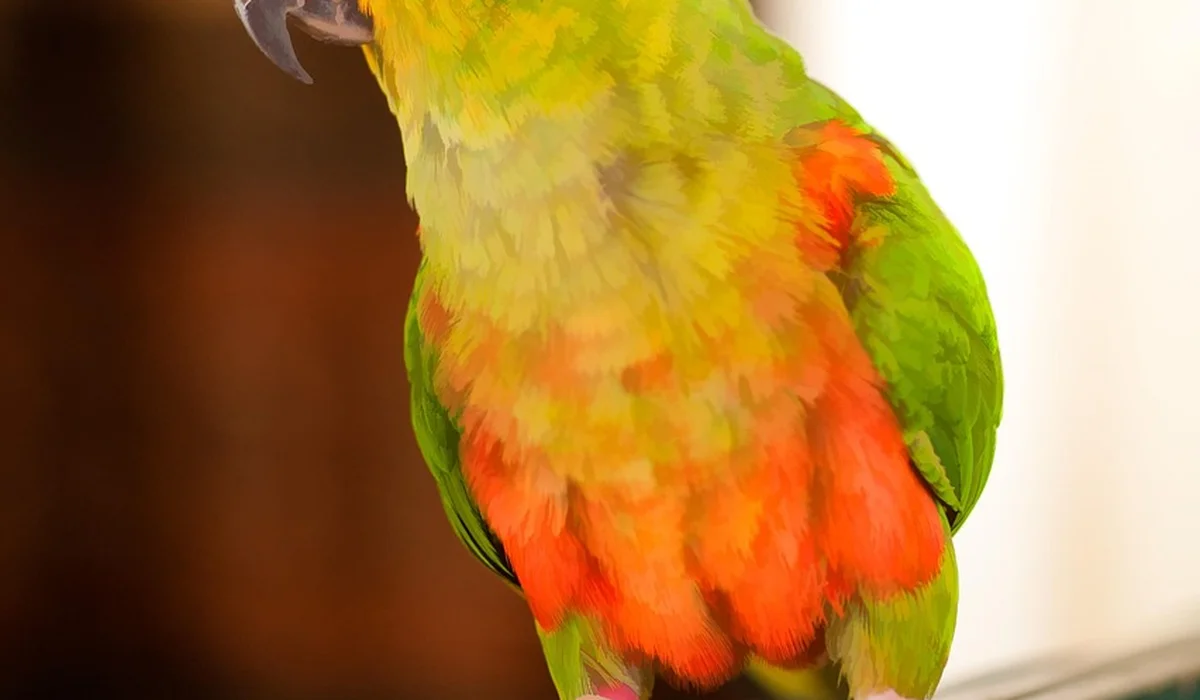
Choosing the right cages and perches is your first step toward a peaceful flock. I’ve found that providing each bird with their own personal space drastically reduces squabbles and stress.
Selecting Cages and Perches
Go for the largest cages your space and budget allow.
- Place cages side-by-side but not touching, allowing visual contact without physical access
- Include multiple perches at different heights and thicknesses in each cage
- Use natural wood branches instead of uniform dowels for foot health
- Ensure all cage doors open away from each other to prevent territorial disputes
Smart Spacing and Environmental Enrichment
My three parrots taught me that strategic placement matters more than you’d think.
- Position cages in corners or against walls to create secure retreat areas
- Install play gyms at neutral territory away from all cages
- Rotate toys and perches between cages weekly to maintain novelty
- Create visual barriers with plants or room dividers for birds who need alone time
Toys That Reduce Competition
The right toys can turn potential conflicts into cooperative play.
- Provide identical toys for each bird to eliminate resource guarding
- Choose foraging toys that can be used simultaneously by multiple birds
- Include destructible toys like cardboard boxes that don’t trigger possessiveness
- Install hanging toys that move independently so birds don’t bump into each other
Nutrition and Feeding Your Flock
Feeding multiple parrots requires more than just filling bowls. After years of managing my mixed flock’s diets, I’ve learned that variety and timing make all the difference in their health and harmony.
Dietary Variety and Balanced Nutrition
Each of my birds has different nutritional needs despite living together.
- Offer a base of high-quality pellets supplemented with fresh vegetables
- Include species-specific additions – my conures get more fruit while my African Grey needs extra calcium
- Introduce new foods gradually and serve them to all birds simultaneously
- Provide separate mineral blocks and cuttlebones for each cage
Managing Feeding Times
A structured feeding routine prevents food-related aggression.
- Serve meals at the same times daily to establish predictability
- Place food bowls in identical locations within each cage
- Remove uneaten fresh food after two hours to maintain cleanliness
- Offer treats during training sessions to reinforce positive interactions
Monitoring Individual Bird Intake
Keeping track of who eats what ensures nobody gets overlooked.
- Watch for subtle changes in eating habits during the first week of new arrangements
- Weigh birds weekly to catch any gradual weight changes
- Note which foods each bird prefers and ensure they get adequate nutrition
- Separate timid eaters during meal times if they’re being bullied away from food
Enrichment and Play for Social Birds
Keeping your parrots engaged is key to a happy flock. I’ve found that mixing group and solo activities prevents boredom and strengthens their social bonds. With Kiwi’s playful nature and Sunny’s affection, we rotate play sessions to keep things fresh.
Group play brings my parrots together for shared fun. Try activities like foraging trays where they hunt for treats as a team, or set up a parrot-safe obstacle course they can navigate together. Kiwi and Sunny love chasing balls in a supervised play area, while Sage observes and sometimes joins in.
- Foraging puzzles with hidden nuts or fruits
- Interactive games like “follow the leader” with toys
- Shared climbing gyms or perches
Solo play gives each bird personal time. Offer individual toys that match their personalities, like shreddable items for Kiwi or puzzle feeders for Sage. This reduces competition and lets them enjoy quiet moments alone.
- Chew toys made of safe wood or paper
- Mirror toys for birds who enjoy reflection (use cautiously)
- Bells or noise-making items for sound exploration
Toys that encourage bonding make interactions special. I use items like rope perches they can preen each other on, or treat-dispensing toys they work on as a pair. Sunny and Kiwi often share a swing, which helps them build trust.
- Durable rope toys for tug-of-war
- Puzzle boards they solve together
- Soft, preening toys for gentle play
Noise management is vital in a multi-bird home. Train your parrots with positive reinforcement to lower volumes, and provide quiet zones with cozy hideaways. If you’re wondering why your parrot screams and how to stop it, start by spotting triggers like attention, hunger, or boredom. Then address them with consistent routines and calm redirection. I’ve taught Kiwi to mimic softer sounds, and we use background music to mask loud squawks during peak activity times.
- Schedule loud play during daytime hours
- Use sound-absorbing materials in their room
- Reward calm behavior with treats
Health and Wellness Monitoring
Regular health checks keep your flock thriving. I monitor my parrots daily for signs of illness, like changes in appetite or feather condition, based on years of care. A home parrot health check, done as a simple weekly routine, helps catch issues before they escalate. Keep an eye on weight, droppings, and behavior during these checks. Early detection has saved Sage from minor issues more than once.
Disease prevention starts with a clean environment. Disinfect cages weekly and quarantine new birds to avoid spreading germs. I always wash my hands between handling Kiwi, Sunny, and Sage to prevent cross-contamination.
- Provide fresh water and balanced diets
- Avoid overcrowding to reduce stress
- Watch for symptoms like sneezing or lethargy
Veterinary care is non-negotiable for parrot health. Schedule annual check-ups with an avian vet to catch problems early, and keep a first-aid kit handy for emergencies. In a comprehensive parrot preventative care guide, these routine exams are described as the cornerstone of keeping birds healthy long-term. My vet helped diagnose Sunny’s minor nutritional deficiency quickly.
- Find a vet experienced with birds
- Keep records of vaccinations and tests
- Learn basic first aid for common issues
Grooming supports feather health and comfort. I gently mist my parrots with water for bathing, which keeps their feathers shiny and reduces dust. Do I groom my parrot’s nails, beak, and feathers? Yes—it’s part of our regular care routine. Regular nail trims and beak checks prevent injuries—Kiwi enjoys the attention if I make it a game.
- Offer shallow water dishes for self-bathing
- Use safe perches to naturally file nails
- Inspect feathers for mites or damage
UV exposure and check-ups are essential for well-being. Place cages near natural light or use full-spectrum bulbs to help them produce vitamin D, crucial for bone health. I’ve seen Sage’s mood improve with proper lighting, and we never skip our vet visits.
- Allow supervised outdoor time in safe enclosures
- Replace UV bulbs as recommended
- Combine light with regular weigh-ins to track health
Training and Communication in a Flock
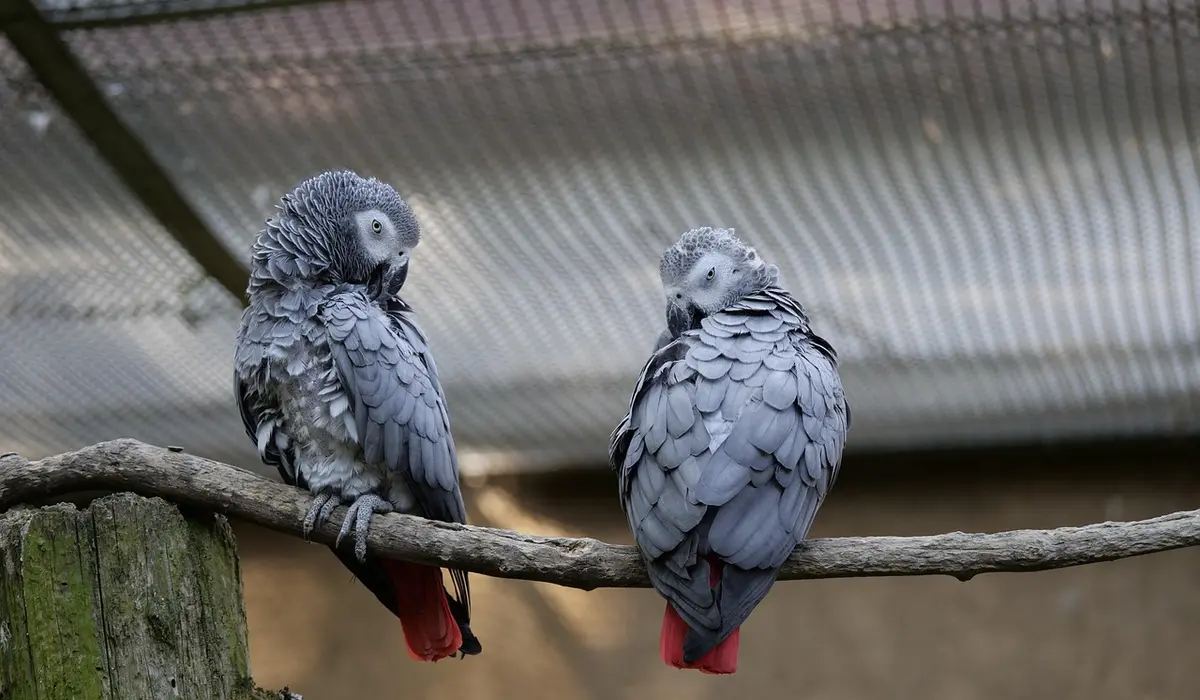
Training multiple parrots feels like orchestrating a lively classroom—I use positive reinforcement to keep everyone engaged and learning. In my home, I start with individual sessions for each bird before moving to group activities to build their confidence and reduce competition. Positive reinforcement training for parrots means rewarding small successes and keeping sessions upbeat. It helps these intelligent birds stay motivated and learn faster. For instance, Kiwi, my playful Green-cheeked Conure, picks up tricks quickly, while Sage, the smart African Grey, needs more mental stimulation to stay focused.
- Begin with one-on-one training in a quiet space to establish basic commands like “step up” or “stay”.
- Gradually introduce group sessions, rewarding all birds for calm behavior to prevent jealousy.
- Use clicker training or verbal praise consistently across the flock to reinforce good habits.
Reducing noise in a multi-parrot household requires patience and observation. I’ve found that identifying triggers, like loud noises or boredom, helps me address the root cause instead of just the volume. With Sunny, my social Sun Conure, I redirect her loud calls by offering foraging toys or a quick training game. This is part of how I train Sunny to manage household noise and reduce stress. When her cues are predictable, the whole house stays calmer.
- Observe when noise peaks-often during dawn or when you leave the room-and plan activities to distract them.
- Teach a “quiet” command by rewarding moments of silence with treats or affection.
- Provide enrichment like puzzle feeders or music to keep them occupied and less vocal.
Reading parrot body language is key to preventing conflicts and understanding their needs. Watch for subtle cues: fluffed feathers can mean contentment in Kiwi, but in Sage, it might signal illness if paired with lethargy. This is precisely why fluffing needs context: content parrots often fluff when they’re relaxed and settled, while persistent fluffing with lethargy or other signs can indicate illness. I always check for pinned eyes or raised crests as signs of excitement or agitation, adjusting my approach to keep the peace.
- Happy signs: relaxed posture, soft chirps, and playful beak tapping.
- Warning signs: hissing, lunging, or feather tightness-step back and give space.
- Use daily interactions to build trust, like offering head scratches only when they initiate contact.
Integration and Long-Term Flock Management
Introducing a new bird to your flock is a delicate process that I’ve handled with care over the years. Always quarantine newcomers for at least 30 days to prevent disease spread, as I did when adding Sage to my mix of conures. This step protects your existing birds and lets the new one adjust without stress. This 30-day quarantine protocol should be applied to every new bird, and it gives you time to monitor for potential symptoms before mixing with the flock. It also helps you catch issues early and plan a safe, gradual integration.
- Place the new bird’s cage in a separate room initially, allowing visual and auditory contact through barriers.
- Swap perches or toys between cages to familiarize them with each other’s scents before face-to-face meetings.
- Supervise short, neutral-area interactions, rewarding calm behavior with treats to build positive associations.
Maintaining harmony long-term relies on routine and enrichment. I stick to a consistent schedule for feeding, play, and sleep to reduce anxiety and squabbles among Kiwi, Sunny, and Sage. Rotate toys and perches weekly to spark curiosity and prevent territorial disputes over favorite spots.
- Provide multiple food and water stations to avoid resource guarding.
- Schedule daily out-of-cage time for socializing and exercise, monitoring interactions for any signs of bullying.
- Incorporate flock activities, like group foraging, to strengthen bonds and mimic natural behaviors.
Ongoing monitoring ensures your parrots thrive together for years. I do weekly health checks, looking for weight changes, feather condition, and appetite shifts, which caught an issue with Sunny early on. Keep a journal to track behaviors and intervene quickly if dynamics shift.
- Watch for stress indicators: excessive screaming, feather plucking, or isolation-address with vet advice if needed.
- Weigh birds regularly to spot health problems; even a small drop can signal trouble.
- Engage in regular training refreshers to reinforce good habits and adapt to their evolving needs.
FAQs
How can I prevent fights over toys and perches?
Provide multiple identical toys and several high perches to eliminate competition for resources. Rotate toys weekly to maintain novelty and reduce territorial behavior.
What should I do if one parrot is always left out?
Schedule dedicated one-on-one time with the excluded bird to boost its confidence and sense of security. These are proven trust-building bonding techniques that work for parrots. Gradually introduce supervised group activities and reward all parrots for calm, inclusive interactions to foster bonding.
Is it normal for parrots to have occasional squabbles?
Minor disagreements are common as parrots naturally establish their social hierarchy and boundaries. Consistent or aggressive conflicts, though, may require intervention, such as separating birds and consulting an avian behavior expert.
In Closing
At its heart, a peaceful multi-parrot home is built on a foundation of routine, respect for individual personalities, and providing ample personal space for each bird. From my own flock, I’ve learned that managing Kiwi’s playful energy is different from giving Sage the quiet time he needs, and success comes from observing and adapting to these unique dynamics daily.
Commit to being a student of your birds, always ready to learn more about their complex social and emotional needs to ensure their lifelong welfare. Responsible parrot ownership is a continuous, rewarding journey that deepens the incredible bond you share with your feathered family.
Further Reading & Sources
- Trained Parrot Blog – Flock Dynamics Between 3 Different Size Parrots
- Friends Or Frenemies-How Well Do Parrots Interact With Each Other? – Pet Birds by Lafeber Co.
- Understanding Cockatiel Behavior: Flock Dynamics | Bonded With Tiels
Suzanne Levine is a dedicated parrot enthusiast and experienced avian caregiver with over 15 years of hands-on experience in parrot care. As the founder of Parrot Care Central, Suzanne is passionate about sharing her knowledge and insights to help fellow parrot owners provide the best possible care for their feathered friends. Her expertise spans nutrition, behavior, health, and enrichment, making her a trusted resource in the parrot care community.
Socialization