
How Do I Groom My Parrot? (Nail, Beak & Feather Care)
Published on: January 12, 2026 | Last Updated: January 12, 2026
Written By: Suzanne Levine
Grooming your parrot might seem scary at first, especially if you’re afraid of accidentally hurting your feathered friend or not knowing where to start.
I’ve been caring for parrots like my playful Kiwi, curious Sunny, and smart Sage for years, and I’m here to guide you through it step by step. You’ll discover three key takeaways:
- Safe nail trimming techniques that keep your parrot comfortable and stress-free
- Simple beak care methods to prevent overgrowth and health issues
- Effective feather maintenance to support natural preening and shine
Rest easy-this guide gives you straightforward advice based on my hands-on experience. We’ll cover nail care, beak care, feather care, tools needed, and common mistakes to avoid.
Getting Started with Parrot Grooming Basics
Grooming your parrot isn’t just about keeping them looking neat-it’s a vital part of their health and your relationship. Regular grooming sessions help prevent issues like infections and overgrowth while building a deeper bond through trust and gentle handling. I’ve seen this firsthand with my Green-cheeked Conure, Kiwi; our grooming time turned into a fun, interactive ritual that strengthened our connection.
To get started, you’ll need a few key tools that make the process safe and effective. Having the right equipment on hand ensures you can handle grooming without stress or harm to your feathered friend. Based on my experience with birds like Sunny and Sage, here’s what I always keep in my kit:
- Bird-specific nail clippers for precise cuts
- A gentle file to smooth rough edges
- Varied perches, like sandpaper and natural wood, to encourage natural wear
- A soft towel for secure handling
How often you groom depends on your parrot’s species and age, so it’s not a one-size-fits-all schedule. Younger, active birds like Kiwi may need nail checks every 4-6 weeks, while calmer, older parrots like Sage might only require attention every 6-8 weeks. Pay attention to how quickly their nails and beak grow-this personal observation helps you tailor the routine to their unique needs.
Nail Care for Your Feathered Friend
Trimming your parrot’s nails safely starts with calm handling and a steady approach. Always support your bird’s body gently and work in a well-lit area to avoid cutting the quick, which can cause pain and bleeding. When I trim Sunny’s nails, I talk to her softly and offer a favorite treat afterward to keep it positive. Doing this at home can make the process more comfortable for your bird and you. With the right tools and a calm routine, you can trim your parrot’s nails safely at home.
Follow these steps for a stress-free nail trim:
- Hold your parrot securely with one hand, cradling its chest and wings.
- Identify the quick-the pinkish part inside the nail-and aim to trim just the clear tip.
- Use sharp clippers for a clean cut, and have styptic powder nearby in case of nicks.
- File any rough edges gently to prevent snags.
Overgrown nails can lead to discomfort and health problems, so watch for clear warning signs. If your parrot’s nails curl under, cause slipping on perches, or seem too long for comfortable movement, it’s time for a trim. I noticed this with Sage once; her nails started affecting her balance, prompting a quick grooming session. It’s important to know how to safely clip your parrot’s nails to avoid any injury.
Encouraging natural wear is a great way to reduce how often you need to trim. Providing a mix of perch textures, like rough sandpaper and smooth wood, helps file nails down through everyday activity. This not only keeps nails in check but also promotes foot health-my birds love switching between perches, and it shows in their well-maintained claws.
Beak Maintenance Made Simple

Checking your parrot’s beak regularly is a key part of their care. A healthy beak should feel smooth, look symmetrical, and show even wear from natural chewing activities. I often examine Kiwi’s beak while she’s perched calmly, looking for any unusual length or rough edges that might need attention.
- Gently wipe the beak with a soft, damp cloth to remove food debris and dirt.
- If minor filing is needed, use a vet-approved emery board and file in one direction, avoiding the sensitive areas.
- Offer safe chewing toys, like untreated wood blocks, to help your parrot maintain beak length naturally.
Watch for signs like overgrowth, cracks, or discoloration. If you notice bleeding, asymmetry, or your parrot struggles to eat, contact an avian vet immediately for expert care. From my time with Sunny, I learned that prompt action prevents bigger health issues down the line.
Feather Care and Bathing Secrets
Inspecting feathers helps you spot problems early. Run your fingers gently through the plumage to feel for broken shafts or irregularities, and support natural preening by providing clean, safe environments. I make it a habit to check Sage’s feathers weekly, ensuring they’re sleek and free of damage.
- Use a spray bottle to mist your parrot lightly with lukewarm water for a refreshing bath.
- Place a shallow dish of water in the cage for them to splash in, mimicking natural behaviors.
- Offer varied perches and toys to encourage movement and self-grooming.
To prevent feather plucking, enrich their life with puzzles, social interaction, and a balanced diet. Look out for symptoms like excessive scratching, bald patches, or tiny moving specks, which could indicate mites or other damage needing vet attention. Keeping birds engaged, as I do with Kiwi’s playful antics, reduces stress and promotes healthy feathers.
Safe and Stress-Free Grooming Strategies
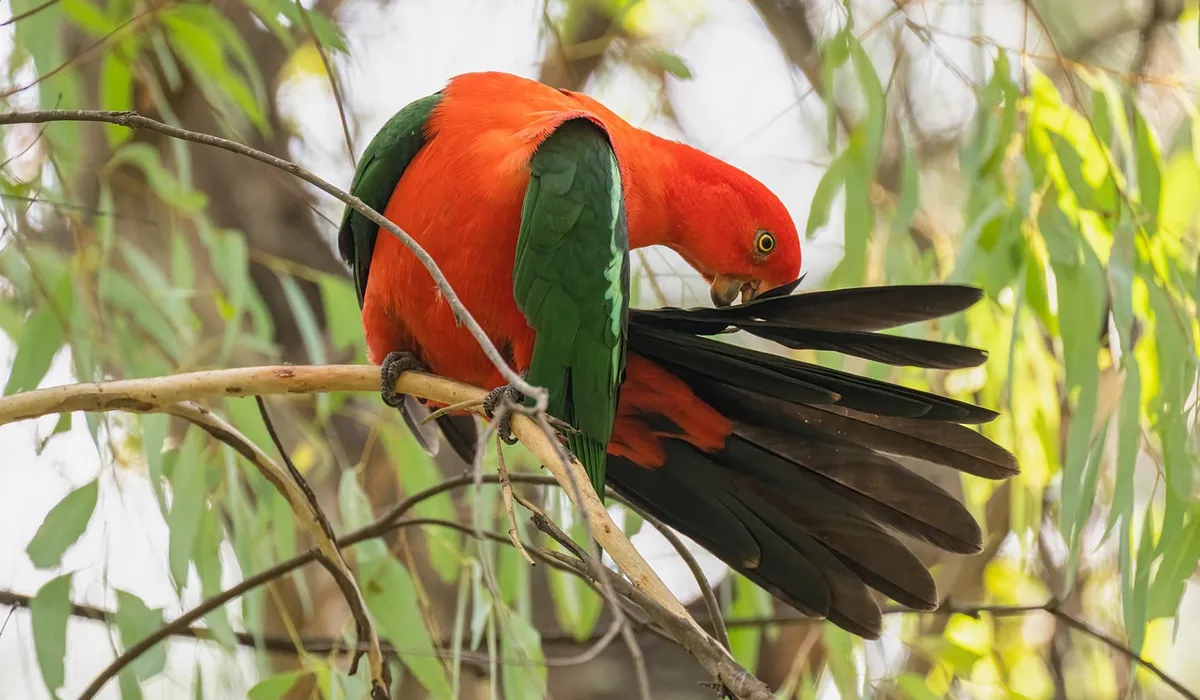
Start by creating a calm environment to ease your parrot into grooming sessions. I always dim the lights and play soft music for Sunny, my Sun Conure, which helps her stay relaxed and less jumpy. This calm routine has helped stop Sunny from plucking her feathers by reducing stress. Use positive reinforcement with small treats like millet sprays to build trust and make grooming a positive experience.
- Speak in a low, soothing voice and move slowly to avoid startling your bird.
- Introduce grooming tools gradually, letting your parrot inspect them first to reduce fear.
- Keep sessions short-aim for 5-10 minutes to prevent stress buildup.
Handle your parrot with care to minimize injury risks. Support their body fully with one hand while using the other for grooming, as I do with Kiwi, who squirms less when she feels secure. To teach your parrot to accept towel-safe handling, introduce a soft towel gradually and pair it with treats to keep sessions calm. With patience, towel-based handling can become a safe, stress-free part of grooming. Avoid restraining too tightly; gentle pressure is key to preventing panic or harm.
- Wrap your parrot in a small towel for nail trims to limit movement without causing distress.
- Practice handling during non-grooming times to acclimate your bird to touch.
- Watch for body language like pinned eyes or fluffed feathers, which signal discomfort.
Recognize distress signals quickly to act in emergencies. If your parrot shows rapid breathing, loud screeching, or attempts to bite, stop immediately and reassess the situation. This checklist helps you spot trouble early and keep your bird safe. It also doubles as the ultimate parrot problem diagnostic guide—a step-by-step troubleshooting checklist. Follow it to identify causes, prioritize actions, and keep your bird safe.
- Rapid tail bobbing or panting indicates respiratory stress.
- Sudden aggression or hiding behaviors mean fear is escalating.
- Loss of balance or lethargy could point to overheating or shock.
When to Seek Professional Grooming Help
Certain grooming issues require expert hands to avoid complications. If your parrot’s beak is overgrown, cracked, or misaligned, a vet can trim it safely without causing pain or bleeding. To reduce stress during vet visits, practice calm, gentle handling at home and discuss restraint methods with your vet. That preparation helps keep him calm at the clinic. I learned this with Sage, my African Grey, whose smart but calm nature still needs professional care for beak maintenance.
- Seek help for bleeding nails or feathers, as home attempts might worsen injuries.
- Consult a pro if your bird resists grooming intensely, risking stress-related health problems.
- Vet intervention is best for underlying issues like infections or nutritional deficits affecting grooming.
Choose a qualified avian professional by checking their credentials and experience. Look for certifications from groups like the Association of Avian Veterinarians and ask about their handling methods to ensure they prioritize animal welfare. I always visit clinics that use gentle, fear-free techniques for my parrots. When choosing avian vet care, look for a bird specialist who communicates clearly about diagnosis and treatment. They should tailor care to your species and be willing to answer questions.
- Verify they have specialized tools for birds, such as micro-grinders for precise beak work.
- Read reviews or get referrals from other parrot owners to find trusted experts.
- Observe how they interact with your bird during a consultation to gauge their patience and skill.
Recall key grooming red flags that signal it’s time for professional help. Abnormal feather loss, persistent beak deformities, or signs of pain like reduced activity are urgent warnings to address with a vet. Early action prevents minor issues from becoming serious health risks.
- Excessive preening or bald spots may indicate skin conditions or parasites.
- Beak discoloration or flaking often points to dietary or environmental problems.
- Swelling around nails or beak requires immediate attention to prevent infection.
Common Questions
What should I do if my parrot resists grooming?
Stop the session immediately to prevent stress and try again later when your parrot is calmer. Use positive reinforcement with small treats to build trust and make grooming a more enjoyable experience. This approach reflects positive reinforcement training for parrots, which centers on rewarding calm, cooperative behavior. By consistently pairing grooming with rewards, you help your bird learn good habits more quickly.
Are there any risks in grooming my parrot at home?
Yes, risks include accidentally cutting the quick in nails or causing beak injuries if not done properly. Always have styptic powder ready for emergencies and seek professional help if you feel unsure.
How can I maintain my parrot’s feather health between grooming sessions?
Provide a nutrient-rich diet with foods that support feather growth, like fresh fruits and vegetables. Encourage natural preening by offering safe toys and regular misting with lukewarm water.
Wrapping Up Your Parrot’s Grooming Journey
Focus on gentle, regular grooming for nails, beak, and feathers to keep your parrot healthy and stress-free. Using positive reinforcement and proper tools makes each session a bonding experience, much like how I’ve built trust with my playful Kiwi over time. These proven bonding techniques that work help parrots feel safe and cooperative during grooming. As trust grows, sessions become calmer and more enjoyable for both of you.
Embrace your role as a dedicated caretaker by always prioritizing your parrot’s welfare and seeking out new knowledge. Staying informed about their evolving needs ensures a happy, thriving companion for years to come. If you’re looking for a complete guide to common parrot health concerns, this resource highlights frequent issues and key signs to watch for. It’s a solid starting point for proactive health care.
Further Reading & Sources
- Beak and Nail Care in Birds | VCA Animal Hospitals
- Parrot Beak Nail: Case Report and Review of Parrot Beak Nail Dystrophy – PMC
- Parrot Beak Nails Revisited: Case Series and Comprehensive Review – PMC
Suzanne Levine is a dedicated parrot enthusiast and experienced avian caregiver with over 15 years of hands-on experience in parrot care. As the founder of Parrot Care Central, Suzanne is passionate about sharing her knowledge and insights to help fellow parrot owners provide the best possible care for their feathered friends. Her expertise spans nutrition, behavior, health, and enrichment, making her a trusted resource in the parrot care community.
Beak Maintenance