
Why Do Parrots Fluff Their Feathers? (Content vs. Sick Signs)
If you’ve caught your parrot fluffing its feathers and felt a twinge of worry, wondering if it’s just a cozy moment or something more serious, you’re not alone-many bird owners share this concern.
From my years caring for parrots like Kiwi, Sunny, and Sage, I’ve seen feather fluffing in all its forms, and I’m here to help you spot the difference with confidence. You’ll walk away knowing exactly what to look for, so you can keep your feathered friend healthy and happy.
- Common, harmless reasons parrots fluff up, like staying warm or showing contentment
- Clear warning signs that fluffing might mean your parrot is sick and needs help
- Easy steps to check your parrot’s health and decide when to call a vet
By the end, you’ll have straightforward advice on topics like normal fluffing behaviors, sick bird indicators, home health checks, and when to seek professional care.
What Is Parrot Feather Fluffing All About?
Think of feather fluffing like pulling up a soft, cozy blanket on a chilly evening. It’s your parrot’s way of adjusting their personal comfort by trapping warm air close to their body. To create a safe, stimulating indoor flight environment for your parrot, provide supervised space for fluttering and enrichment to keep them active and engaged.
My Green-cheeked Conure, Kiwi, often does this right before settling in for a nap, looking like a fuzzy little green ball. From my years with parrots, I’ve learned this behavior is as natural as us stretching after sitting for a while.
While it’s usually a harmless sign of contentment, a constantly fluffed parrot can be the first clue something is wrong. Paying close attention to the context of the fluffing is your best tool for gauging their well-being.
Happy Fluffing: Normal Reasons Parrots Puff Up
Most of the time, a puffed-up parrot is a happy, comfortable parrot. Here are the most common, healthy reasons you’ll see this behavior.
- Temperature Regulation: Just like we put on a sweater, parrots fluff to stay warm.
- Pure Comfort: It’s a relaxed posture, often seen during calm moments.
- Preening and Grooming: Fluffing helps them rearrange feathers and spread protective oils.
- Sleep Preparation: My Sun Conure, Sunny, always transforms into a fluffy orange cloud at bedtime.
Keeping Cozy: Temperature and Insulation
Parrots fluff their feathers to create a layer of insulating air. This trapped air acts as a buffer against cooler room temperatures, helping them conserve precious energy. Humidity control is critical for parrots’ respiratory and feather health; dry air can irritate airways and poor feather condition can compromise insulation. Maintaining moderate humidity supports easier breathing and keeps plumage supple for optimal insulation.
You’ll notice this more often in drafty rooms or during winter months. If your bird is puffed while perched peacefully, they’re likely just managing their own little microclimate.
Feather Care: Preening and Grooming
Preening is a full-time job for a parrot! Fluffing up allows them to access the base of each feather to distribute oils from their uropygial gland.
This natural conditioner keeps their plumage waterproof and shiny. During molting cycles, you’ll see extra fluffing as new feathers emerge and old ones are shed.
Rest and Relaxation: Comfort Postures
A parrot fluffed up on one foot with eyes partially closed is the picture of avian bliss. This posture signals they feel safe and are conserving energy for digestion and rest.
My African Grey, Sage, adopts this pose every afternoon. The key difference from sickness is that a relaxed parrot will still be alert to your presence and will unfluff when active.
Concerning Fluffing: Signs Your Parrot Might Be Sick
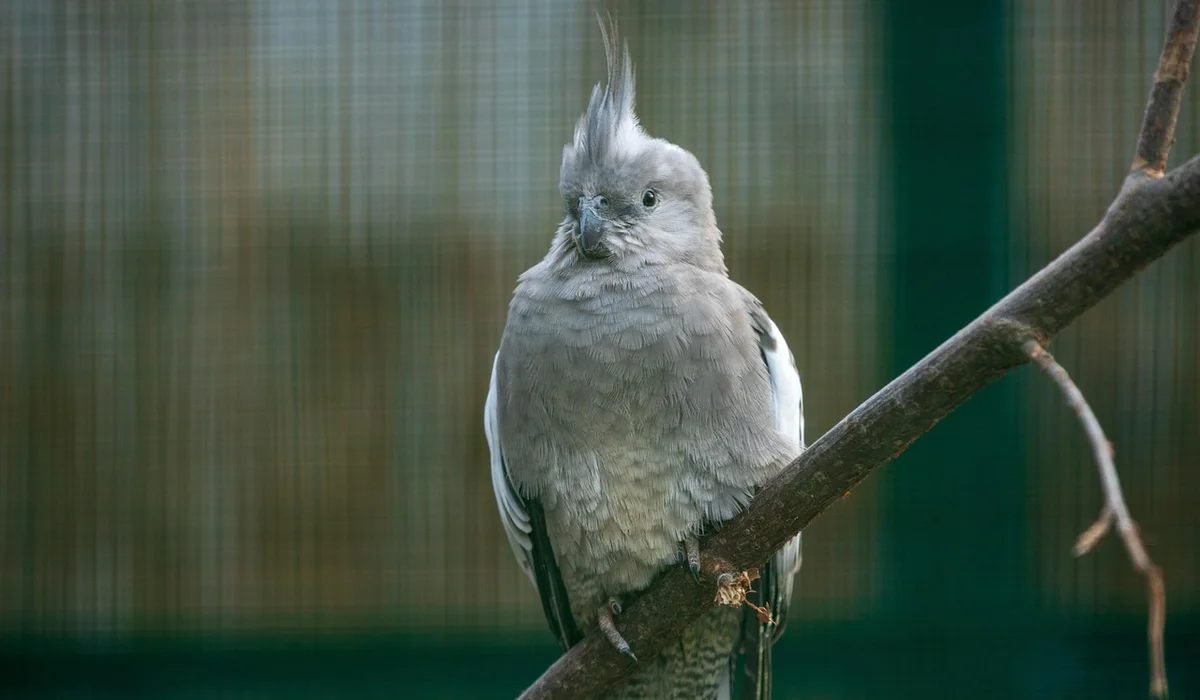
- Lethargy: Your bird sits still for hours, avoiding movement or play.
- Respiratory effort: Watch for heavy breathing, tail bobbing, or wheezing sounds.
- Appetite changes: A sudden drop in eating or drinking habits.
- Discharge: Look for mucus around the eyes, nostrils, or beak.
I once saw Kiwi, my Green-cheeked Conure, fluff up and refuse to climb his favorite rope toy—that was my cue something was off. If you’re wondering how to tell if your parrot is stressed, here are 15 warning signs to watch for. Spotting these signs early can make a huge difference in getting your parrot the care they need.
Lethargy and Low Energy
When a parrot stays puffed up and inactive for long stretches, it often signals illness. Prolonged fluffing combined with low energy is a major red flag that demands attention. Understanding common health issues that affect a parrot’s lifespan can help you recognize trouble early. Regular checkups and good husbandry are essential for a longer, healthier life.
Monitor for shifts in how they respond to you or their toys. If your usually playful parrot ignores interactions, it’s time to investigate further. When changes persist, seek professional help from a veterinarian or certified avian behaviorist to assess medical factors and develop a behavior plan. They can help rule out illness and provide tailored strategies.
Breathing Troubles and Physical Signs
Labored breathing or any nasal discharge can point to respiratory issues. Always check for feather condition and hydration-dry, flaky skin or sunken eyes are telltale cues.
With Sunny, my Sun Conure, I learned that rapid tail movements while breathing meant she needed a vet visit fast. Observing these physical details helps you act quickly to protect their health.
Eating and Drinking Changes
Appetite and hydration are key health barometers. A sick parrot might turn away from favorite foods or show little interest in water. For concerned owners, a quick diagnostic checklist can help: monitor changes in appetite and water intake, note any weight loss or other symptoms. If the issue persists, contact a veterinarian.
I’ve noticed Sage, my African Grey, will fluff and avoid her seed bowl when unwell. Keeping an eye on their daily intake can alert you to potential problems before they worsen.
Spotting the Difference: Healthy vs. Sick Feather Behavior
| Healthy Fluffing | Sick Fluffing |
|---|---|
| Brief periods after bathing or preening | Constant puffing throughout the day |
| Accompanied by normal activity and vocalizations | Paired with silence and lack of movement |
| Feathers smooth out quickly when alert | Feathers stay ruffled even when disturbed |
Evaluating your parrot’s behavior over time involves simple steps. Regular monitoring helps you catch subtle changes that indicate health shifts. Shaking can be normal during play or grooming, but persistent tremors may signal health problems. Learning to tell the difference helps you respond quickly and seek veterinary care when needed.
- Note the duration of fluffing-healthy birds do it in short bursts.
- Observe the context, like after meals or during rest periods.
- Check for other symptoms, such as changes in droppings or energy levels.
From my flock, I’ve picked up that Kiwi’s playful fluffs last minutes, but if Sage stays puffed during training, I know to watch closely. Trust your instincts and your parrot’s unique habits to guide your care decisions.
Action Steps: What to Do If Your Parrot Is Fluffing Excessively
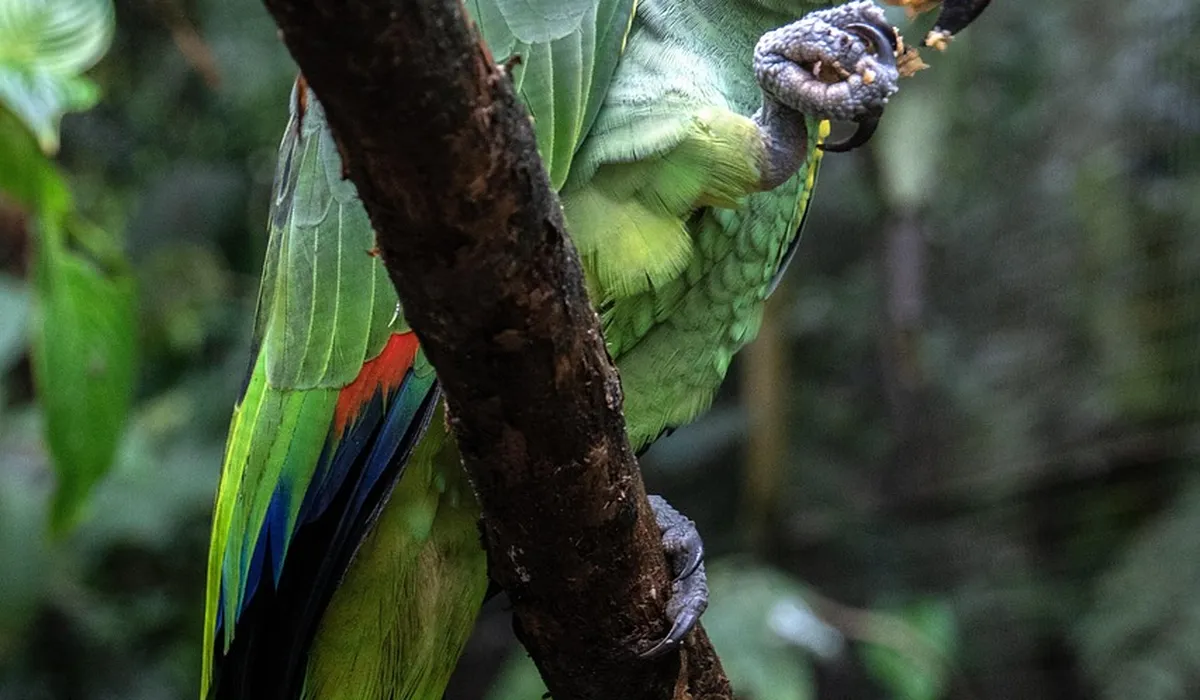
Seeing your parrot constantly puffed up can be unsettling. I learned this firsthand when my Green-cheeked Conure, Kiwi, stayed fluffed for an entire afternoon, which prompted me to run through this exact checklist.
- Monitor the Behavior Closely
Watch your bird for at least an hour. Note if the fluffing is constant or comes and goes, and pay close attention to any changes in their usual routine, like a loss of appetite or unusual silence.
- Check Your Environmental Factors
Your home’s atmosphere plays a huge role. Aim for a humidity level between 40% and 60% to keep their skin and feathers from getting dry and irritated. Drafts from windows or air vents are a common culprit, so make sure the cage is in a stable, draft-free spot.
- Assess for Other Physical and Behavioral Signs
Look beyond the feathers. Check for signs like sitting on the cage floor, watery droppings, discharge from the eyes or nostrils, or any noticeable weight loss when you handle them. A happy, content bird might be fluffed but will still have bright, alert eyes.
- Consult an Avian Veterinarian
If the excessive fluffing continues for more than a few hours, especially when combined with any other signs of illness, it’s time to call the vet. Never hesitate to seek professional help; birds are experts at hiding illness, and early intervention is critical.
Supporting Your Parrot: Care Tips for Fluffing Moments
A little proactive care can make your parrot’s world much more comfortable. Creating a safe and cozy environment is the best way to support their natural behaviors and well-being. By tailoring prevention to your parrot’s species, you can help prevent common health issues and meet each species’ unique needs.
Optimize Their Living Space
- Maintain Proper Humidity: Use a room humidifier, especially during dry winter months, to prevent itchy, dry skin.
- Provide Gentle Heat Options: A bird-safe heat lamp placed near one corner of the cage allows them to thermoregulate. My sun conure, Sunny, loves basking under his on cooler mornings.
- Ensure a Suitable Cage Setup: Place perches at varying heights and away from direct drafts. Include a secluded, darker corner where they can retreat and feel secure.
Focus on Feather and Stress Health
- Offer Regular Misting: Lightly mist your parrot with warm water to help with preening and feather condition. My African Grey, Sage, lifts her wings for a good spritz.
- Provide a Nutrient-Rich Diet: A balanced diet supports strong feathers from the inside out. Fresh vegetables, a high-quality pellet base, and limited seeds are fundamental for long-term health.
- Reduce Household Stressors: Loud noises, sudden movements, or new pets can cause anxiety. Keeping their environment predictable and calm goes a long way in preventing stress-related fluffing.
Ultimately, the most powerful tool you have is a strong relationship with an avian veterinarian who can provide regular wellness evaluations. This proactive approach is a core part of responsible parrot guardianship and animal welfare.
FAQs
Is feather fluffing always a cause for concern?
No, feather fluffing is often a normal behavior for comfort or temperature regulation. Only prolonged fluffing with other symptoms like lethargy should raise alarm.
Can environmental factors like noise cause my parrot to fluff up?
Yes, loud noises or sudden changes can stress parrots, leading to temporary fluffing as a response. Ensuring a calm, predictable environment helps minimize stress-related behaviors. Keeping household noise steady and predictable helps your parrot manage sounds and reduce stress.
How can I monitor my parrot’s fluffing behavior over time?
Keep a simple log of when fluffing occurs and any accompanying activities or changes. This helps you spot patterns and identify deviations from their normal habits early.
In Closing
Remember, when your parrot fluffs its feathers, it could be a cozy stretch or a quiet cry for help-watch for changes in eating, energy, or vocal cues to spot the difference. My own flock, like playful Kiwi and social Sunny, taught me that a quick fluff often means they’re just settling in, but paired with lethargy, it’s time for a vet visit.
Owning a parrot is a joyful journey that asks for your constant care and curiosity to keep them thriving. I’ve learned through Sage’s calm intelligence that staying informed and observant helps prevent small issues from becoming big worries, especially when it comes to their health, ensuring a happy, healthy life for your feathered friend.
Further Reading & Sources
- What Does It Mean When My Bird Fluffs Up?
- Why Does My Bird Fluff Up?
- Why Do Parrots Puff Up Their Feathers? Signs & Reasons
Suzanne Levine is a dedicated parrot enthusiast and experienced avian caregiver with over 15 years of hands-on experience in parrot care. As the founder of Parrot Care Central, Suzanne is passionate about sharing her knowledge and insights to help fellow parrot owners provide the best possible care for their feathered friends. Her expertise spans nutrition, behavior, health, and enrichment, making her a trusted resource in the parrot care community.
Feather Care