
Parrot Sleep Behavior: Normal Patterns vs. Sleep Problems
Is your parrot’s sleep schedule keeping you up at night with worry? You might be noticing odd hours or restless behavior that signals something isn’t right.
I’ve been there with my own flock-like Kiwi, my playful Green-cheeked Conure, who once had me fretting over her late-night chirps. In this article, I’ll guide you through spotting the difference between healthy rest and potential red flags.
Here are the key takeaways we’ll cover:
- What normal parrot sleep looks like across different species and ages
- Common sleep issues and their underlying causes, from environment to health
- Practical steps to create a better sleep routine for your feathered friend
You’ll walk away with clear, actionable advice to ensure your parrot gets the rest it needs. We’ll dive into normal sleep patterns, signs of sleep problems, causes of sleep issues, and solutions for better sleep. Establishing a consistent routine through simple training can help with behavioral issues. You’ll learn to pair these routines with sleep strategies for a calmer bird.
What Does Normal Parrot Sleep Look Like?
Most parrots need a solid 10 to 12 hours of undisturbed sleep every single night to stay healthy and happy.
My Green-cheeked Conure, Kiwi, often takes short daytime naps, especially after a big meal or a long play session.
- Typical sleep duration ranges from 10-12 hours nightly, with short naps common during the day.
- Common sleeping positions include the classic head-tucked-into-back-feathers pose and standing on one foot.
- Beak grinding is a wonderful sound; it means your bird is relaxed, comfortable, and settling in for sleep.
- Their natural circadian rhythm follows the sun, meaning they naturally wake at dawn and sleep at dusk.
Your Parrot’s Internal Clock: Understanding Psittacine Sleep
Parrots in the wild have very different sleep challenges compared to our pampered pets at home.
Wild parrots sleep lightly and in shifts to watch for predators, while captive birds can enjoy deep, secure rest. In the wild, this vigilance is a key survival behavior that helps flocks detect threats and coordinate escapes. Understanding these patterns highlights how wild parrot survival behavior evolves under predation pressure.
- Wild parrots experience fragmented sleep for safety, whereas captive parrots can achieve longer, deeper sleep cycles.
- Species differences greatly affect sleep; my energetic Sun Conure, Sunny, needs more sleep than my calmer African Grey, Sage.
- Larger parrot species often require slightly less sleep than smaller, high-energy species.
- Parrots experience both REM (Rapid Eye Movement) and non-REM sleep, similar to mammals.
- During REM sleep, you might see slight eye movements or twitches under their closed eyelids.
How Light and Temperature Shape Sleep
Getting the environment right is half the battle for a good night’s sleep for your feathered friend.
A dark, quiet, and slightly cooler room signals to your parrot’s brain that it’s time to power down for the night.
- Environmental factors influencing sleep include light levels, ambient noise, and room temperature.
- Sudden temperature drops or drafts can startle a sleeping bird awake.
- Optimal conditions for restful sleep involve using a full-coverage cage cover to block out light.
- Maintain a consistent, comfortable room temperature, avoiding drastic fluctuations.
- I’ve found that placing the cage in a low-traffic area away from evening TV noise makes a huge difference for my flock’s sleep quality.
Spotting Trouble: When Sleep Patterns Become Problems
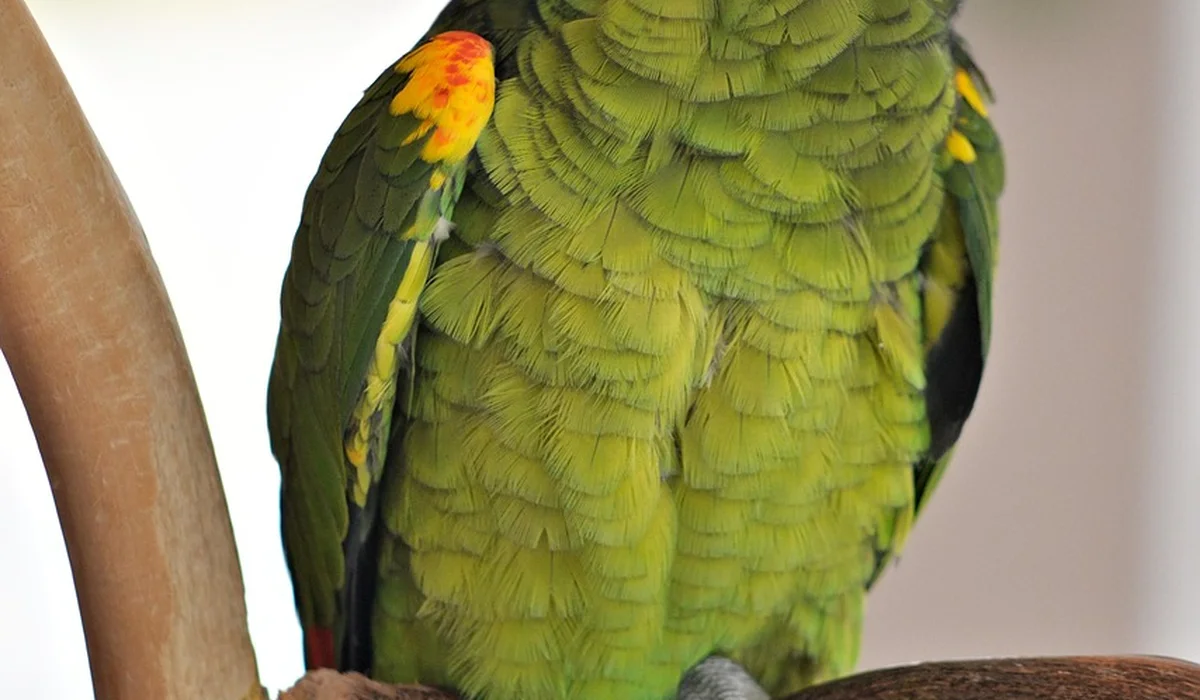
You might notice your parrot acting grumpy or sluggish during the day, and it could signal sleep deprivation. From my time with Kiwi, my Green-cheeked Conure, I’ve seen how lack of rest turns playful antics into cranky outbursts almost overnight. Watch for signs like excessive napping, reluctance to play, or irritability when you approach.
- Decreased vocalization or unusual quietness
- Frequent eye-pinning or rapid blinking
- Loss of appetite or weight changes
Night anxiety can hit parrots hard, causing them to flap wildly or screech in the dark. Sunny, my Sun Conure, once had a night fright that left her trembling—it taught me to spot the subtle shivers or panicked movements that mean they’re scared. These episodes often stem from shadows or sudden noises, so staying alert helps you calm them fast. That’s where a parrot night frights checklist comes in—identifying triggers and listing practical solutions. By recording what spooks them and applying calm steps (lower noise, soften lighting, cover the cage, offer a familiar perch), you can reduce the frequency of frights.
- Sudden thrashing or falling off perches
- Loud, distressed calls when lights are out
- Pacing or clinging to cage bars anxiously
Poor sleep often fuels feather plucking, as stress builds without proper rest. Sage, my African Grey, started over-preening when her sleep was disrupted, showing how closely linked mental and physical health are. Addressing sleep issues early can reduce this destructive habit and keep their plumage healthy.
- Bald patches or broken feathers from constant chewing
- Increased aggression or withdrawal from interaction
- Repetitive behaviors like head-bobbing or cage circling
Creating the Perfect Sleep Sanctuary
Setting up a safe sleeping cage starts with choosing one that’s snug but spacious enough for comfort. I always pick cages with bar spacing that prevents escapes and add soft liners to cushion any falls during restless nights. Avoid toys with small parts that could cause injury, and ensure the door latches securely.
- Opt for horizontal bars for easy climbing and resting
- Use non-toxic materials to prevent poisoning risks
- Include a cozy corner hideaway for added security
Perch suitability matters hugely-varied widths and textures prevent foot sores. After seeing Kiwi favor a natural wood perch over smooth plastic, I learned to mix types for better grip and joint health. Place the cage in a quiet, draft-free spot away from high-traffic areas to minimize disruptions.
- Combine rope, wood, and cement perches for diversity
- Position the cage at eye level to reduce stress from above
- Avoid direct sunlight or vents that cause temperature swings
Reducing noise disturbance is key for uninterrupted sleep. In my home, I use a white noise machine to mask outside sounds, which helped Sunny stop startling at every car horn. Close doors to isolate the room, and train family members to keep volumes low after dark.
- Play soft, consistent background sounds like rainforest recordings
- Limit evening TV or music near the cage
- Schedule noisy chores for daytime hours only
Mastering Light Exposure for Better Rest
Managing light cycles mimics natural rhythms, promoting deeper sleep. I cover Sage’s cage with a breathable cloth at dusk, simulating sunset and signaling it’s time to wind down. Use timers for lights to create a consistent schedule, even if your routine varies.
- Gradually dim lights 30 minutes before bedtime
- Avoid sudden bright flashes from phones or screens
- Expose them to morning light to regulate their internal clock
For households with late schedules, blackout covers are lifesavers. When I work nights, I ensure Kiwi’s cage is fully covered to block artificial light, letting her rest peacefully despite my activity. Adjust feeding and playtimes earlier to align with their needs, not yours.
- Invest in thick, dark cage covers for complete darkness
- Shift interactions to earlier in the evening gradually
- Monitor their behavior for signs of adjustment stress
Solving Common Parrot Sleep Challenges
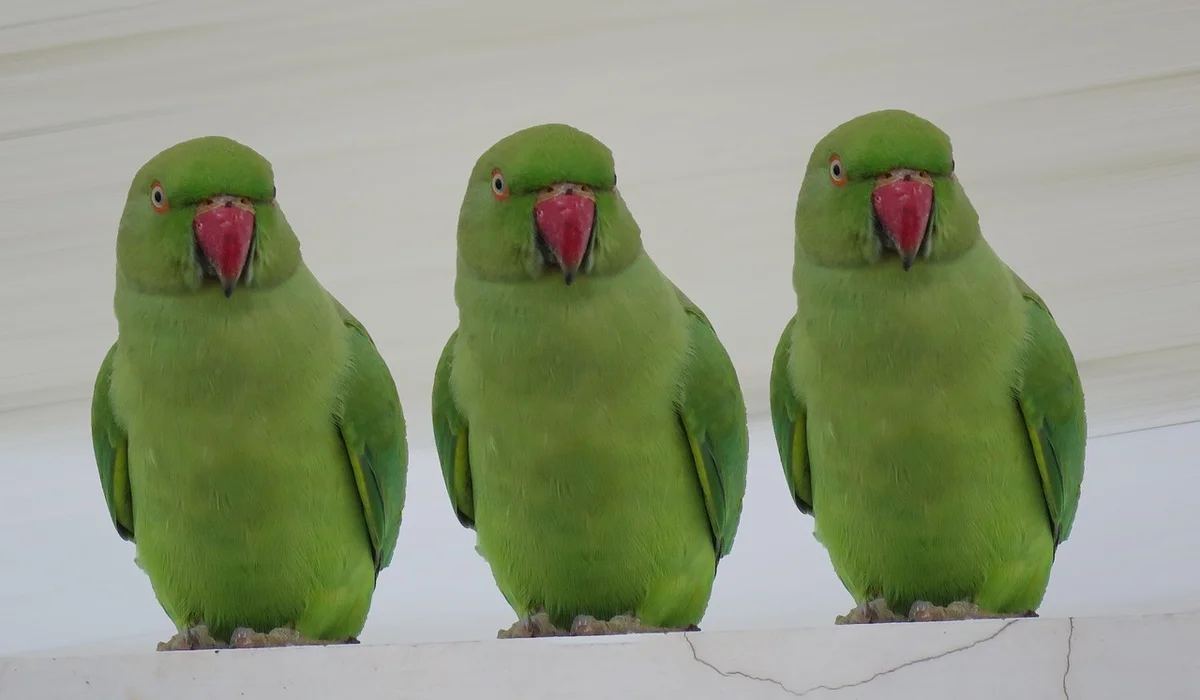
Steps to Address Night Vocalizations
If your parrot squawks or chirps at night, it often stems from fear or disrupted routines. Covering the cage with a lightweight, breathable cloth can block out light and muffles sounds that trigger vocalizations. I’ve seen this work with my Sun Conure, Sunny-he used to call out when he heard late-night TV, but a consistent cover helped him settle. Ensure the room is quiet and free from sudden noises, like doors slamming or pets moving around. Move the cage away from windows to reduce outside disturbances. Check for any health issues, as discomfort can cause night noises. If vocalizations persist, consult an avian vet to rule out pain or illness.
Methods to Calm Huddling and Anxious Behaviors
Huddling in a corner or showing anxiety at bedtime often signals fear or cold. Providing a cozy sleeping hut or perch in a secure spot can make your parrot feel safer and reduce stress. My Green-cheeked Conure, Kiwi, used to huddle until I added a small, enclosed space in his cage—now he sleeps peacefully. Understanding their sleep patterns also helps in managing nighttime anxiety. Maintain a stable room temperature between 65-75°F to prevent chills. Use a dim nightlight if total darkness frightens your bird, and avoid sudden movements or loud sounds near the cage at night. Gentle, calming music or white noise can also ease anxiety, but keep volume low to avoid disruptions.
When to Suspect Sleep Apnea or Health Issues
Sleep apnea in parrots isn’t common, but breathing problems during sleep need quick attention. Watch for signs like loud snoring, gasping, or repeated awakenings, which could point to respiratory infections or obesity. To help you stay ahead, use a simple respiratory distress checklist to spot breathing problems in parrots early. It highlights common cues like labored or rapid breathing, open-mouth breathing, and unusual posture that signal a vet visit is needed. My African Grey, Sage, once had labored breathing at night, and a vet visit revealed a minor infection that treatment cleared up. Other red flags include wheezing, tail bobbing, or lethargy during the day. If you notice these, don’t wait—schedule an avian check-up to catch issues early and protect your bird’s well-being.
Building Better Sleep Habits: Your Action Plan
Establish Consistent Bedtime Routines
Parrots thrive on predictability, so set a fixed bedtime and stick to it every night. Create a calming pre-sleep ritual, like dimming lights, covering the cage, and offering a quiet goodnight. I do this with all my birds—Kiwi, Sunny, and Sage—and it signals that it’s time to wind down. For a calm, scared, or stressed parrot, this predictable rhythm can ease anxiety and help them feel safe. With consistency, even anxious birds settle more quickly into rest. Avoid exciting activities or loud noises an hour before bed. Keep the routine simple and repetitive, so your parrot learns to associate it with rest. This consistency reduces anxiety and promotes deeper sleep, just like it does for humans.
Monitor Sleep Duration and Daytime Behavior
Track how much your parrot sleeps-most need 10-12 hours nightly-and note any daytime changes. Use a simple log to record sleep times and behaviors like irritability or excessive napping, which can signal poor rest. I’ve found that when Sunny doesn’t get enough sleep, he’s crankier and less playful the next day. Watch for signs of fatigue, such as droopy eyes or reduced activity, and adjust the environment if needed. This helps you spot patterns and make informed tweaks to their sleep schedule.
Track Improvements and Recognize Setbacks
Keep a journal to note progress, like longer sleep periods or calmer nights, and don’t stress over occasional slip-ups. Celebrate small wins, like a week without night vocalizations, but stay patient if old habits resurface during changes like molting or travel — know how to work through training plateaus. With Sage, I saw setbacks during noisy weather, but sticking to the plan helped him bounce back. Regularly review your logs to identify what’s working and where to adjust, ensuring your parrot’s sleep health keeps improving over time.
FAQs
Where do parrots prefer to sleep in a home?
Parrots often favor quiet, dimly lit areas away from household noise and activity. They feel safest in a covered cage or on a secure perch that mimics a natural roosting spot.
Can parrots dream during sleep?
Yes, parrots experience REM sleep, where dreaming can occur with visible eye movements or soft sounds. This phase helps with memory and learning, similar to other intelligent animals.
How can you tell if a parrot is sleep deprived?
Look for behavioral changes like increased aggression, lethargy, or excessive feather plucking during the day. Sleep-deprived parrots may also show reduced interest in play or social interaction. Some shaking can be normal (for example, in excitement or to adjust warmth), but persistent or unusual shaking may signal a health problem.
What constitutes a healthy sleep routine for a parrot?
A consistent schedule with 10-12 hours of dark, quiet rest each night supports their well-being. Incorporate calming pre-bed rituals, such as covering the cage and reducing stimuli, to reinforce this routine.
Do parrot sleep cycles differ by species?
Sleep needs vary by species, with smaller, high-energy parrots often requiring more rest than larger, calmer breeds. Environmental adaptations and natural behaviors also play a role in these differences.
Wrapping Up on Parrot Sleep
Focus on giving your parrot a steady sleep schedule and a cozy, dark space to rest, just like I do for Kiwi to keep her playful spirit alive. Paying close attention to their sleep habits lets you spot troubles early and ensures they stay vibrant and healthy. If behavioral issues arise, consider consulting a veterinarian or avian behaviorist. They can help identify causes and suggest effective strategies.
Being a responsible parrot owner means always growing your knowledge to meet their needs with care and compassion. Embrace the journey of learning alongside your feathered friend-it builds a stronger, more trusting relationship over time.
Further Reading & Sources
- Parrots and sleeping – ExoticDirect
- What You Need To Know About A Parrot’s Night And Day Cycle | Chewy
- The Real Truth: Sleep Needs in Parrots – Pamela Clark, CPBC
Suzanne Levine is a dedicated parrot enthusiast and experienced avian caregiver with over 15 years of hands-on experience in parrot care. As the founder of Parrot Care Central, Suzanne is passionate about sharing her knowledge and insights to help fellow parrot owners provide the best possible care for their feathered friends. Her expertise spans nutrition, behavior, health, and enrichment, making her a trusted resource in the parrot care community.
Health & Wellness