
Why Do Parrots Shake? (Normal Behavior vs. Health Warning Signs)
Seeing your parrot shake can send a jolt of worry straight through any bird owner’s heart. Is it just a quirky stretch, or is it a sign of something serious? I’ve been there with my own flock, from Kiwi’s playful shimmies to Sage’s thoughtful tremors, and I know how confusing it can be.
I’m here to help you figure it out. We’ll walk through the key differences together so you can feel confident about your feathered friend’s well-being.
You’ll learn to spot the three main reasons for shaking:
- Normal, everyday behaviors like preening and temperature regulation.
- Expressions of emotion, including excitement, fear, or annoyance.
- Potential red flags that signal a trip to the avian vet is needed.
By the end of this guide, you’ll have a clear picture of what’s happening. We’re covering: normal shaking causes, emotional shaking, illness warning signs, what to do next, and a handy quick-reference table.
The Happy Shake: Understanding Normal Parrot Tremors
Seeing your parrot tremble can be startling, but so many of those little shivers are just part of their expressive language. These happy shakes are their way of communicating comfort, excitement, or simply taking care of their bodies.
- Excitement and Anticipation: My Green-cheeked Conure, Kiwi, does a full-body wiggle when I bring out his favorite bell toy. It’s pure joy, a physical burst of “I’m so happy right now!”
- Temperature Regulation: A quick, full-body shake is a fast way to fluff their feathers, trapping warm air close to their skin. Think of it as putting on a cozy down jacket in an instant.
- Feather Fluffing and Settling: After preening, you’ll often see a gentle shake to settle all those feathers back into perfect alignment. It’s like smoothing out a wrinkled shirt.
- Stretching and Waking Up: A morning shake is as common for a parrot as a yawn and a stretch is for us. It gets the blood flowing and shakes off the sleep.
Beyond the full-body tremor, look for other positive movements. A rhythmic head bob from my Sun Conure, Sunny, is her way of saying “Hello, pay attention to me!” and is a sign of a social, engaged bird. A gentle wing quiver, often paired with a soft chirp, is another friendly greeting you’ll see between bonded birds or with their favorite human.
Warning Signs: When Shaking Signals Trouble
Not all shaking is created equal. The key is context and looking for a cluster of other symptoms. A parrot that is constantly trembling, especially when perched and at rest, is telling you something is wrong.
- Respiratory Illness: Shaking can be a sign your bird is struggling to breathe. Listen for any clicking or wheezing sounds with each breath.
- Neurological Issues: Tremors that seem involuntary, cause a loss of balance, or result in a wobbly head need immediate veterinary attention.
- Vitamin Deficiencies: A lack of critical nutrients, especially calcium or Vitamin D, can lead to muscle weakness and trembling.
- Poisoning or Toxin Exposure: Ingesting something toxic can cause severe tremors and seizures as a primary symptom.
You must become a detective and look for other clues that accompany the shaking. Lethargy is a huge red flag; a happy, healthy parrot is alert and active, not sitting puffed up and still for hours. Watch for sudden weight loss, which you can feel as a prominent keel bone on their chest. Plucked or ruffled feathers that stay that way can indicate chronic stress or illness. Any sign of imbalance, like falling off a perch, or symptoms of dehydration, like sunken eyes or sticky skin, means it’s time to call your avian vet immediately. For a lethargy parrots troubleshooting guide, start by noting when the lethargy began and any recent changes to diet, housing, or routine to help find the cause. This helps you collect the clues your vet will need.
Quaker Quakes and Breed-Specific Shakes
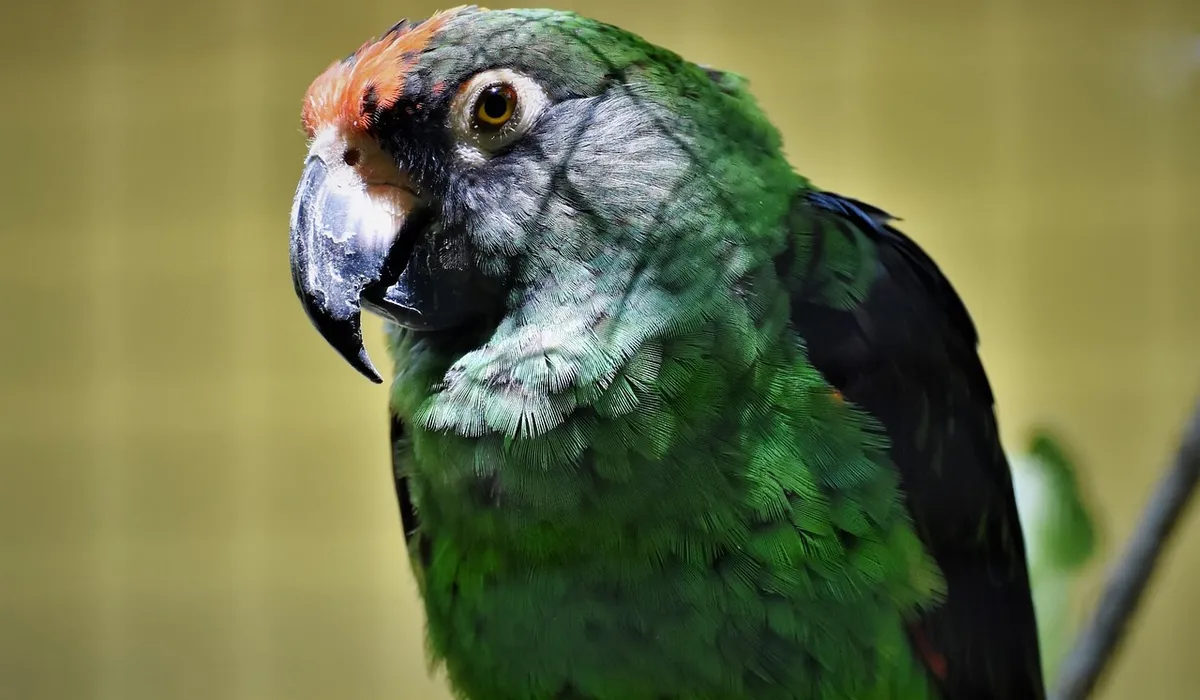
Quaker parrots get their name from that adorable, rhythmic quaking motion they make. This isn’t a sign of illness; it’s a deeply ingrained natural behavior, often seen when they are content, excited, or communicating. Think of it as their version of a happy dance or a friendly wave. Many parrots respond to music with this dance-like movement, and playing upbeat tunes can encourage them to dance and engage more with you. It’s a form of expression and enrichment.
Other parrot breeds have their own unique shaking languages. My Sun Conure, Sunny, does a full-body, enthusiastic shiver when he’s super excited for a treat. It’s like a little electric shiver of pure joy. In contrast, my African Grey, Sage, expresses himself with a much more subtle, refined feather fluff and a delicate tremble, usually when he’s settling in for a relaxing preen session.
Personality and age dramatically shape these behaviors. A young, energetic bird like my conure will shake with more vigor and frequency than an older, calmer bird like my Grey. A naturally nervous parrot might tremble briefly at a sudden noise, while a bold one might only shake during high-energy play.
Decoding the Shake: How to Tell Normal from Abnormal
Figuring out if a shake is normal requires you to become a feathery detective. Context is your most powerful clue for understanding what your parrot is trying to tell you. Follow this simple guide to assess the situation.
Your Step-by-Step Shake Assessment
- Observe the Context: What just happened? Did you offer a favorite food? Did a stranger enter the room?
- Check the Duration: A normal shake is brief, lasting just a few seconds. Is it continuous?
- Look for Other Signals: Are their feathers fluffed or pinned? Are their eyes pinning (rapidly dilating)?
Checklist: Common Shake Triggers
- Excitement: You just walked in the room, brought a new toy, or have a tasty nut.
- Contentment: They are preening, being gently scratched, or relaxing before a nap.
- Fear or Stress: A loud vacuum cleaner is running, a predatory bird flies by the window, or a new pet is nearby.
- Temperature: The room is genuinely chilly, and they are trying to warm up.
The shift from a casual shake to a concerning tremor often comes down to duration and combination with other symptoms. A happy, excited quiver stops quickly once the moment passes. A problem is when the trembling is persistent, paired with lethargy, sitting fluffed up on the cage floor, or a loss of appetite. That’s your signal to pick up the phone and call your avian vet immediately.
Immediate Actions for a Shaking Parrot
When your parrot’s shaking feels unusual, act quickly but calmly to assess the situation. To tell if your parrot is stressed, learn the 15 warning signs to watch for. Your immediate response can make a world of difference in their comfort and safety.
Steps to Take if Shaking Seems Off
- Check the habitat temperature and remove any drafts near the cage.
- Offer fresh, room-temperature water in a clean dish they can easily access.
- Reduce surrounding noise and dim bright lights to create a soothing environment.
- Observe their breathing and posture for any labored movements or fluffed feathers.
From my time with Kiwi, my Green-cheeked Conure, I learned that sudden shivering often meant he was too cold near an open window. A quick habitat tweak and some quiet time usually settled him right down.
When to Provide Comfort or Seek Emergency Care
- Provide comfort if shaking stops once stressors are removed and your parrot remains alert.
- Seek emergency vet care immediately if shaking is paired with wheezing, loss of balance, or refusal to eat.
I remember Sunny, my Sun Conure, once trembled while struggling to breathe—rushing to the avian vet saved her from a respiratory infection. Trust your gut; you know your parrot’s normal behavior best. Keep a quick respiratory distress checklist handy: watch for rapid or labored breathing, open-mouth breathing, and tail bobbing. If you notice wheezing, nasal discharge, or a blue-tinged face, seek urgent avian veterinary care.
Quick Tips to Stabilize a Stressed Parrot
- Speak in a soft, reassuring voice while slowly approaching to avoid startling them.
- Offer a favorite low-calorie treat, like a slice of apple, to encourage calm nibbling.
- Place a familiar toy or perch within reach to help them regain a sense of security.
Using these methods, I’ve helped Sage, my African Grey, recover from fireworks stress without a full-blown panic. Consistency in your calm presence reassures them they’re safe.
Preventing Stress and Illness-Related Shaking
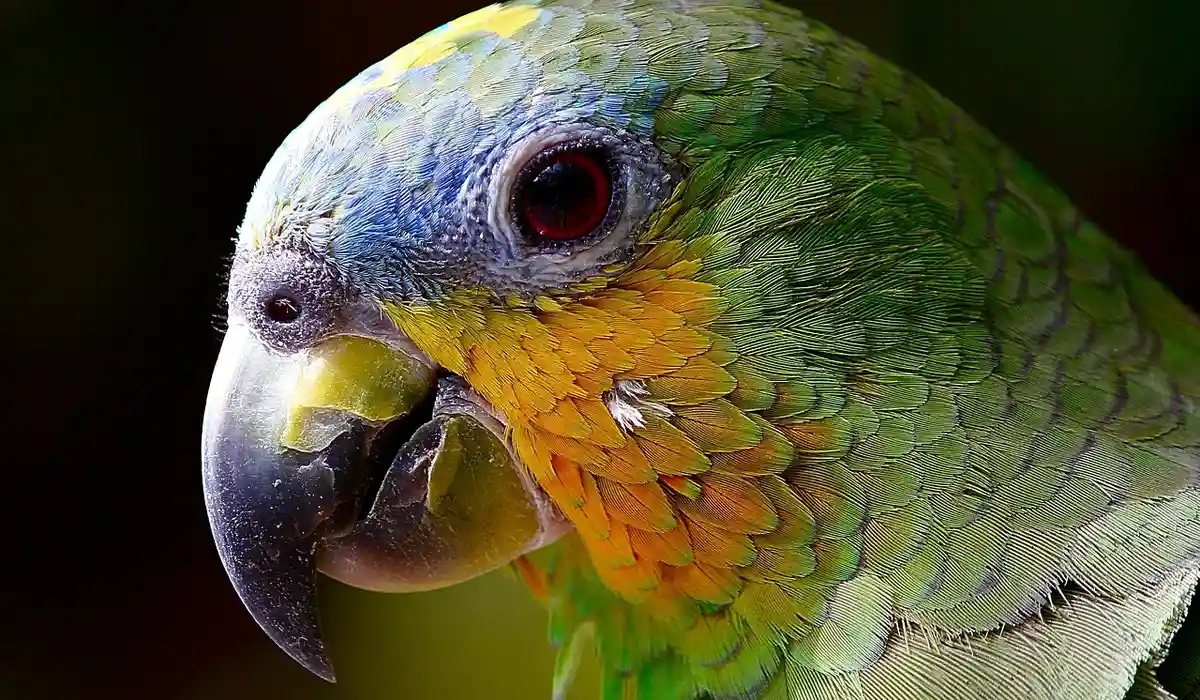
Preventing shaking starts with a proactive approach to their daily life and health. A well-balanced routine and habitat can drastically reduce stress-induced trembling.
Enrich Habitat and Reduce Stressors
- Rotate foraging toys and puzzle feeders weekly to keep their mind engaged and boredom at bay.
- Maintain a consistent daily schedule for feeding, playtime, and sleep to build predictability.
- Designate a quiet zone in your home away from high-traffic areas for uninterrupted rest.
After adding new shreddable toys to Kiwi’s cage, his excited shakes from boredom turned into content chirps. Mental stimulation is just as vital as physical comfort for parrots.
Diet and Hydration for Health
- Serve a varied diet of pellets, fresh veggies, and limited fruits to prevent nutritional gaps.
- Ensure fresh water is available all day, and consider adding a water bowl if they dislike bottles.
- Avoid avocado, chocolate, and salty foods, which can cause toxicity and nervous system issues.
When Sunny started trembling slightly, I realized her seed-heavy diet lacked calcium-switching to fortified pellets made her feathers shine and shakes disappear. Proper nutrition supports strong nerves and muscles, reducing tremor risks.
Age-Related Care Adjustments
- For older parrots like Sage, provide lower perches and extra padding to ease joint strain.
- Increase vet check-ups to twice yearly to catch age-related conditions like arthritis early.
- Adjust play intensity to shorter, gentler sessions to prevent exhaustion and shaking.
Watching Sage age taught me that senior parrots may tremble more from stiffness, so I added ramps to his cage. Tailoring their environment to their life stage keeps them comfortable and confident, avoiding common setup mistakes that stress out parrots.
When to Ring the Vet: Professional Consultation
Seeing your parrot shake can be unsettling, but knowing which signs demand professional help brings peace of mind. Trust your gut – if something feels off, it’s better to get it checked than to wait and worry. If behavior changes occur, seek professional help from an avian vet or behaviorist. Getting expert guidance early can prevent problems from worsening.
- Persistent shaking that lasts more than a few minutes or happens frequently throughout the day is a major red flag. My Green-cheeked Conure, Kiwi, once shivered for an extended period, and it turned out he was fighting a low-grade infection.
- Leg tremors or weakness, especially if your bird struggles to perch or seems off-balance, need immediate attention. This isn’t normal preening or stretching behavior and can indicate neurological or nutritional issues.
- Lethargy combined with shaking is a critical sign. If your typically playful parrot, like my Sun Conure, Sunny, becomes listless, puffed up, and shaky, it’s a clear signal their body is under significant stress.
Before you head to the vet, a little preparation makes a world of difference. I always keep a small notebook or use my phone’s notes app to jot down any odd behaviors as soon as I spot them. Write down when the shaking started, how often it happens, and any other symptoms like changes in appetite, droppings, or vocalization.
If you can, take a short video of the behavior to show your vet. A visual can provide clues that are hard to describe with words alone. Note any recent changes in their environment, diet, or routine, as these details help paint a complete picture for an accurate diagnosis.
Don’t wait for a crisis to schedule a visit. Regular wellness check-ups, even when your parrot seems perfectly healthy, are your best defense for catching hidden issues early. My African Grey, Sage, gets a yearly exam, and these proactive visits have helped us manage his health beautifully, ensuring he stays the smart, calm companion I adore. In a parrot preventative care guide, annual vet check-ups are essential to maintain long-term health. They help establish a baseline and guide ongoing care.
FAQs
Can dehydration cause my parrot to shake?
Yes, dehydration can lead to shaking as it affects muscle function and overall bodily control. Always ensure fresh water is available and monitor for other signs like lethargy or sunken eyes.
Is shaking more frequent in juvenile parrots?
Juvenile parrots may shake more often due to high energy levels and learning to regulate their body temperature. However, any persistent or unusual shaking should be checked by an avian vet.
What should I do if my parrot shakes during loud events like thunderstorms?
Create a quiet, safe space and speak in a soothing voice to help calm your parrot. This helps a calm, scared, stressed parrot feel safer. Offering a favorite low-stress toy or treat can also distract and comfort them during these times.
Final Thoughts
Remember, your parrot’s shaking is often a harmless part of their daily life, like a quick shiver during preening or a happy ruffle after a good stretch. Always watch for the full picture: a bird that shakes but is also playful, eating well, and interacting normally is likely just being a bird. The real red flags appear when shaking pairs with other symptoms, like constant fluffed feathers, lethargy, or a loss of appetite, which means it’s time to call your vet.
Caring for a parrot is a lifelong journey of learning their unique language and needs. Staying curious, doing your own research, and scheduling regular check-ups are the cornerstones of fantastic parrot guardianship. To translate that commitment into action, start by creating a long-term care plan for your parrot—outlining nutrition, enrichment, vet visits, and housing for the years ahead. This plan evolves with them and helps ensure their changing needs are met. My own flock-Kiwi, Sunny, and Sage-teach me something new every single day, and that commitment to understanding them is what builds an unbreakable bond.
Further Reading & Sources
- 11 Reasons Why Your Parrot Is Shaking
- Why Is My Bird Shaking? | Avian & Exotic Animal Hospital of Louisiana
- Head Shaking in Parrots: Behavior or Sign of Disease? – VetBilim
Suzanne Levine is a dedicated parrot enthusiast and experienced avian caregiver with over 15 years of hands-on experience in parrot care. As the founder of Parrot Care Central, Suzanne is passionate about sharing her knowledge and insights to help fellow parrot owners provide the best possible care for their feathered friends. Her expertise spans nutrition, behavior, health, and enrichment, making her a trusted resource in the parrot care community.
Health & Wellness