How Many Words Can Different Parrot Species Learn to Say?
Ever wondered if your parrot’s chattering could turn into real words, or if some species are just naturally better talkers than others? I’ve spent years with my own feathered friends, like Kiwi the playful Green-cheeked Conure and Sage the clever African Grey, and I know that worry about their potential can keep you up at night.
I’m here to guide you through what’s possible, blending my hands-on experience with well-researched facts to give you a realistic picture. You’ll walk away with these key insights:
- The typical word range for popular parrot species, from chatty African Greys to more reserved conures.
- How factors like personality and environment play a huge role in their learning speed.
- Practical ways to support your parrot’s speech development while keeping their welfare a top priority.
You’ll get straightforward advice that cuts through the confusion. We’ll dive into specifics like: African Grey Parrots, Amazon Parrots, Cockatoos, Budgerigars, factors influencing vocabulary, and training techniques.
Which Parrot Species Are the Chatterboxes?
Some parrot species naturally pick up words faster than others, making them the stars of the talking world. In my years caring for parrots, I’ve seen African Greys, Amazons, Eclectus, and Ringnecks consistently impress with their vocal skills. Each has unique traits that influence how many words they learn, from a few dozen to hundreds.
- African Grey Parrots: Often master over 100 words, using them in context with high intelligence.
- Amazon Parrots: Known for clear speech and social chatter, they commonly learn 50-100 words.
- Eclectus Parrots: Excel at mimicry, picking up 30-60 words with surprising accuracy.
- Ringneck Parrots: Males typically learn more phrases than females, averaging 20-50 words.
I remember how my Green-cheeked Conure, Kiwi, learned a handful of playful sounds but couldn’t match the vocabulary of larger species. This variability shows that species choice greatly impacts your parrot’s talking potential.
African Grey Parrots: The Vocabulary Masters
African Greys stand out for their ability to learn hundreds of words and use them meaningfully. Their cognitive skills let them understand context, like saying “hello” only when someone enters the room. My African Grey, Sage, has a calm, smart personality that makes learning sessions smooth and effective.
Sage often surprises me by combining words to form simple sentences. This intelligence means they need mental stimulation to thrive, so always provide puzzles and toys. Compared to other parrots, Greys process language more like humans, which is why they’re top talkers.
Amazon Parrots: Social Speakers
Amazon parrots thrive on interaction, which fuels their clear and enthusiastic speech. Their social nature means they pick up common phrases like “good morning” or their own names quickly. I’ve found they often learn 50-100 words, with a knack for mimicking household sounds too.
Unlike African Greys, Amazons use speech to bond, making them great for families. Their vocal clarity is often better than smaller species, so you’ll hear every word distinctly. Regular chats with them boost their word bank and keep them happy.
Eclectus and Ringneck Parrots: Surprising Talkers
Eclectus parrots are masters of mimicry, learning 30-60 words with precise intonation. They can copy voices and sounds so well it feels like having another person in the room. Ringnecks, especially males, excel at learning phrases and can build a vocabulary of 20-50 words. This demonstrates how parrot senses intelligence in action. Their keen hearing and memory support complex learning.
Many owners ask why male Ringnecks talk more than females-it’s linked to their natural courtship behaviors. From my experience, starting training early helps both species unlock their full potential. I’ve seen Eclectus parrots surprise everyone by repeating entire sentences after just a few listens.
What Shapes Your Parrot’s Word Bank?
Your parrot’s vocabulary size isn’t just about species-it’s shaped by multiple factors you can influence. Key elements like age, socialization, and health play huge roles in how many words they pick up. Drawing from hands-on care, I’ve seen how small changes can lead to big improvements.
- Age: Younger parrots learn faster, but older ones can still expand their word bank with patience.
- Species: Some breeds are naturally more vocal and adept at mimicry.
- Socialization: Regular interaction with humans and other parrots encourages speech development.
- Health: A well-fed, stress-free parrot is more likely to engage in learning and talking.
For instance, ensuring your parrot has a balanced diet and vet check-ups supports their cognitive health. Always prioritize animal welfare by avoiding forced training and providing a safe environment.
Age and Learning Windows
Parrots have optimal learning windows, typically between 6 months and 3 years old. Starting training early, like I did with Kiwi, my playful Green-cheeked Conure, helps them absorb words like sponges. Young parrots are more curious and less set in their ways.
If you have an older parrot, don’t worry—they can still learn new tricks. Break training into short, fun sessions to keep them engaged without stress. You can teach your parrot fun, easy tricks at their own pace. These tricks are a great way to keep training enjoyable and rewarding. Here are steps to adapt based on age:
- For young parrots: Use repetition and rewards daily to build a strong foundation.
- For older parrots: Focus on consistency and patience, introducing one word at a time.
- Mix in play to make learning feel natural, not like a chore.
I’ve found that older parrots often surprise me by picking up words when they feel secure and loved. Respecting their pace is key to building trust and a larger vocabulary.
Socialization and Handling Impact
Social interaction is a powerhouse for boosting your parrot’s speech abilities. Daily handling and chats teach them that talking is a way to connect with you. Parrots are flock animals, so isolation can stunt their language growth.
From my experience, parrots like Sunny, my social Sun Conure, thrive when included in family activities. Simple methods like talking to them during meals or while you work can double their word learning speed. Always handle them gently to build confidence and avoid fear.
Prioritize animal welfare by ensuring socialization is positive and stress-free. If your parrot seems overwhelmed, give them space—forcing interaction can backfire and reduce their desire to talk. Gradual, positive socialization helps prevent fear-based biting and builds trust with your parrot.
How to Boost Your Parrot’s Vocabulary
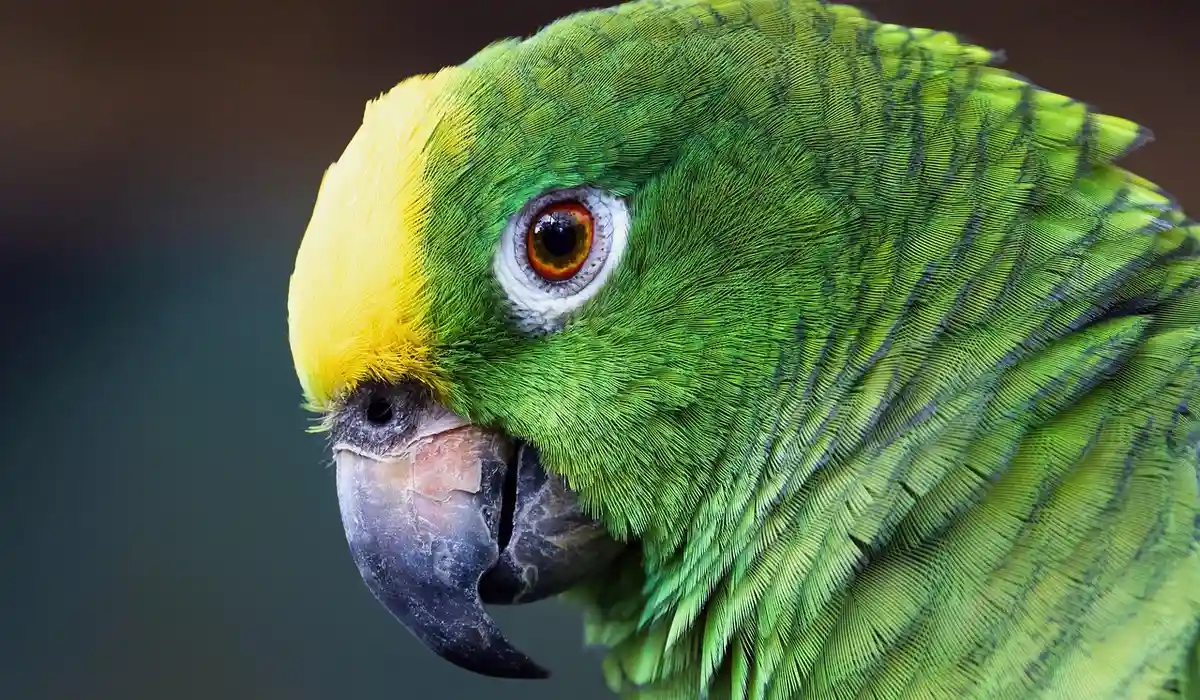
Teaching your parrot to talk feels like unlocking a secret world of connection. I’ve found that a blend of patience, clear routines, and genuine excitement turns training into a joyful game for both of you. Using a clear cue helps you signal when to try a word. It really means you’re building a shared language your parrot can understand. For more tips on this subject, check out Teaching your parrot to talk.
- Begin with a calm environment. My green-cheeked conure, Kiwi, learns best in the morning when the house is quiet and he’s most alert.
- Use high-value treats. A small piece of walnut or a bit of fruit works wonders for Sunny, my sun conure, making her eager to participate.
- Speak the target word clearly and with enthusiasm. I say “hello” with a big smile, which Sage, my African Grey, now mimics with perfect tone.
- Reward immediately for any attempt. Even a garbled sound from Kiwi got a treat, building his confidence to try again.
- Keep sessions short and sweet. Five minutes twice a day prevents burnout and keeps your bird curious for more.
Starting with Simple Words
Choosing the right first words sets your parrot up for success. Simple, high-energy words with clear vowel sounds are easiest for them to grasp and replicate.
- “Hello” or “Hi” – These are fantastic starters. Kiwi picked up “hello” quickly because I said it every time I entered the room.
- “Pretty Bird” – A classic for a reason! The “p” and “t” sounds are crisp, and parrots love the positive association.
- Their Own Name – Teaching Sunny her name created a powerful bond. She now chirps “Sunny!” when she wants attention.
- “Step Up” – This pairs a useful command with speech. Sage learned this phrase during our daily handling routines.
Using Repetition and Consistency
Parrots thrive on predictable patterns. Creating a daily ritual around speech training builds neural pathways that turn sounds into learned words. Do parrots mimic human speech sounds? They often imitate human words and phrases as a form of vocal mimicry.
I dedicate two five-minute sessions daily – one in the morning before breakfast and one in the evening before cage cover. During these times, I focus on one word at a time, repeating it 10-15 times with pauses for Kiwi to process. The breakthrough came when I realized consistency mattered more than duration. After three weeks of this routine, Sage suddenly said “pretty bird” perfectly clear one evening. That moment proved that steady, patient repetition creates lasting results.
Common Words and Phrases in Parrot Speech
Parrots naturally gravitate toward words they hear frequently, especially those said with emotion. My flock has taught me that they prefer words connected to daily activities and positive interactions.
| Word/Phrase | Why Parrots Learn It | My Parrots’ Experience |
|---|---|---|
| “Hello” / “Hi” | Heard daily during greetings | Kiwi greets everyone who enters the room |
| “Pretty Bird” | Positive reinforcement phrase | Sunny says this while preening |
| “Whatcha Doin?” | Curiosity-driven interaction | Sage asks this when I’m cooking |
| “I Love You” | Emotional bonding words | All three parrots say this at bedtime |
| “Want Some?” | Associated with food sharing | Kiwi’s favorite during meal times |
| “Step Up” | Practical handling command | Sunny says this while lifting her foot |
Notice how most successful phrases relate to their daily needs and social interactions. Parrots aren’t just mimicking sounds – they’re learning to communicate within their flock, which now includes you.
Beyond Mimicry: How Parrots Understand Speech
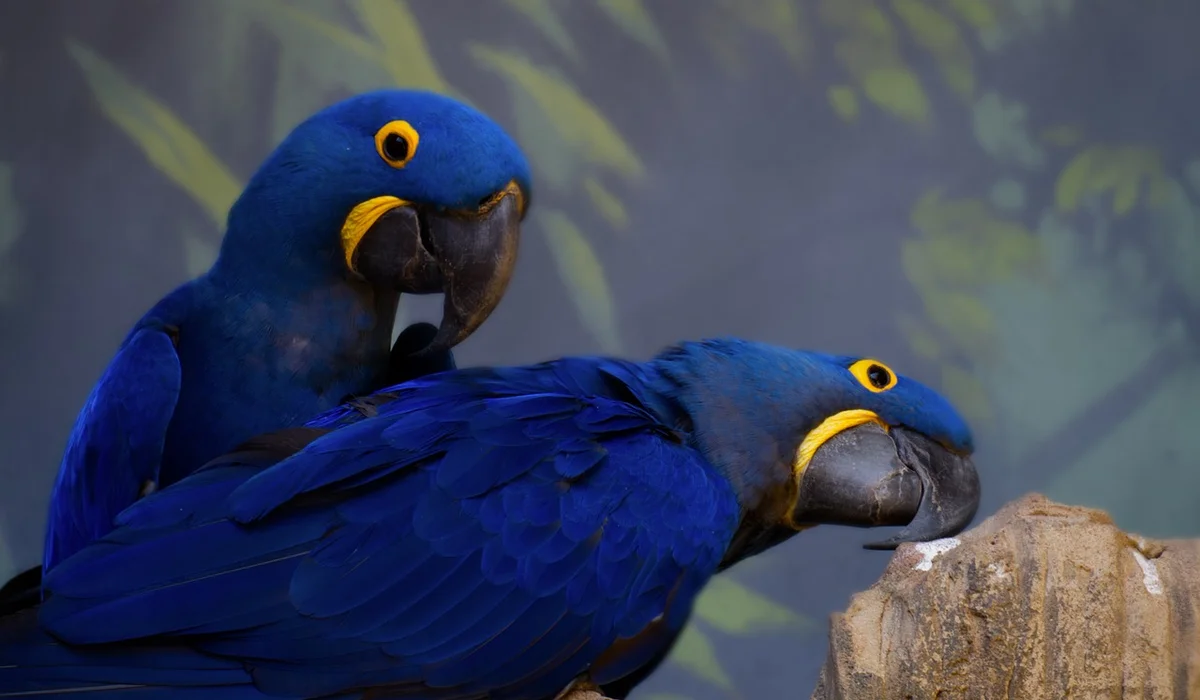
Many people think parrots are just feathered tape recorders, but I’ve seen firsthand how wrong that is. These birds possess cognitive abilities that allow them to grasp meaning, solve problems, and form complex social bonds through sound. The difference between species is staggering, and understanding this helps us train them with the respect they deserve. Parrots are remarkably intelligent creatures, capable of learning vocabulary and solving new problems. Their intelligence invites us to treat them as thinking partners, not just pets. To learn more about their remarkable intelligence, visit this link.
Mimicry vs. Contextual Use
Mimicry is repeating a sound. Contextual use is applying a word to a specific situation with intent. My African Grey, Sage, taught me this distinction clearly.
He doesn’t just say “hello” when someone enters the room. He says “good night” when the lights go off and “want water” while tapping his empty dish. One afternoon, my playful Green-cheeked Conure, Kiwi, was being particularly noisy. Sage, in his calm manner, looked over and clearly stated, “Too loud.” It wasn’t random chatter; it was a perfect, intelligent response to his environment.
This level of understanding doesn’t happen overnight. It requires patient, consistent interaction where you treat your parrot as a thinking, feeling companion, not a novelty act.
Species-Specific Cognitive Traits
Just like people, different parrot species have unique strengths in memory and learning. When we talk about the smartest parrot species in the world, some excel at problem-solving and rapid learning. Here’s a quick look at how some popular species compare.
- African Greys: Often called the Einsteins of the parrot world. Their strength lies in associative learning and logical application. They remember not just words, but the context in which they are used, building a functional vocabulary over years.
- Amazon Parrots: These birds are brilliant vocal mimics with excellent memory for songs and phrases. They thrive on social interaction and often learn words that get the biggest reaction from their human flock.
- Budgerigars (Parakeets): Don’t let their small size fool you. Budgies can learn massive vocabularies. Their learning is often rapid-fire, picking up new words and sounds quickly, though their understanding may be more mimicry-based than contextual.
- Cockatoos & Macaws: While they may not have the largest vocabularies, these parrots excel at problem-solving and emotional intelligence. They learn sounds that manipulate their environment, like calling a specific person’s name to get attention.
The key takeaway is that every parrot is an individual, and their ability to learn is deeply tied to their environment, social stimulation, and your training approach. Pushing a bird to perform for treats without building a real connection misses the point entirely. To tackle common behavioral issues, use a consistent routine of short daily training sessions. This routine builds trust, sets clear expectations, and channels energy into positive behaviors.
FAQs
How can I tell if my parrot is ready to start learning words?
Look for signs like increased vocalization, curiosity, and calm behavior during interactions. A parrot that mimics sounds or pays attention to your speech is often eager to learn. These cues are among the 10 key signs to tell if your parrot is happy. By tracking these patterns over days and weeks, you can better understand their mood.
What should I do if my parrot stops talking or loses vocabulary?
Check for stress, illness, or changes in environment, as these can cause temporary speech loss. Reintroduce training with patience and positive reinforcement to help them regain confidence.
Are there any health issues that can affect a parrot’s speech development?
Respiratory infections or nutritional deficiencies can hinder vocal abilities and cognitive function. Regular vet visits and a balanced diet support overall health and language learning.
Final Words
Remember, a parrot’s vocabulary is shaped by its species, personality, and the patience you invest. Focus on the quality of your interaction, not just the quantity of words, to build a truly meaningful bond.
Every word your parrot learns is a testament to your care and commitment. Let this journey into their vocal abilities inspire you to learn more about their complex needs, ensuring a fulfilling life for your feathered family member.
Further Reading & Sources
- BOPS Birds Laugh and Learn
- Largest vocabulary for a bird ever | Guinness World Records
- Einstein the parrot shows off impressive vocabulary skills on 30th birthday at Zoo Knoxville – CBS News
Suzanne Levine is a dedicated parrot enthusiast and experienced avian caregiver with over 15 years of hands-on experience in parrot care. As the founder of Parrot Care Central, Suzanne is passionate about sharing her knowledge and insights to help fellow parrot owners provide the best possible care for their feathered friends. Her expertise spans nutrition, behavior, health, and enrichment, making her a trusted resource in the parrot care community.
African Grey Parrots