
What Makes Parrots So Unique Compared to Other Pets?
Thinking about getting a pet but worried a dog or cat might not offer enough personality or interaction? You’re not alone in wondering if there’s a pet that truly engages with you on a deeper level.
I’ve shared my life with several parrots, from my playful Green-cheeked Conure, Kiwi, to my chatty African Grey, Sage, and I can help you understand what truly sets them apart. We’ll explore the key traits that make parrots a one-of-a-kind companion.
You’ll get a clear picture by focusing on three core areas:


- Their incredible intelligence and ability to communicate.
- Their long lifespans that forge decades-deep bonds.
- Their vibrant, complex social and emotional needs.
You will walk away with a solid understanding of parrot ownership. This article covers: talking ability and intelligence, lifespan and commitment, social behavior, diet and care, cost considerations, and choosing the right species. By the end, you’ll be equipped to select a parrot that fits your home lifestyle—taking into account your space, routine, and activity level. We’ll help you decide which species aligns with your daily life to ensure a happy, harmonious home.
Parrot Intelligence and Cognitive Prowess
My African Grey, Sage, once watched me struggle with a tricky child-proof lock on a cabinet for a week. One afternoon, I walked in to find her carefully manipulating the latch with her beak, having solved the puzzle entirely through observation. That moment solidified for me that parrot intelligence isn’t just about tricks; it’s a deep, problem-solving cognition.
Their learning abilities are phenomenal. They don’t just repeat actions; they understand cause and effect. My Green-cheeked Conure, Kiwi, learned that the crinkle of a chip bag meant a potential snack and would fly over to investigate, while the sound of the vacuum cleaner sent him straight to his cage for safety.
Here are some standout cognitive traits that set parrots apart:
- Exceptional long-term memory for faces, sounds, and routines
- Advanced problem-solving skills, often using tools
- Emotional intelligence, capable of sensing human moods
- Remarkable adaptability to new environments and challenges
- The ability to understand and use concepts like “same” and “different”
While a dog can learn commands and a cat can learn routines, a parrot’s intelligence often mirrors that of a young human child. They engage in complex social reasoning and can hold a “grudge” or show clear favoritism, which is far beyond the operant conditioning we see in many other pets. My Sun Conure, Sunny, will deliberately ignore my partner for an entire day if he feels his morning cuddle was cut short.
Vocal Mimicry and Communication Magic
I’ll never forget the first time Kiwi, my Green-cheeked Conure, perfectly replicated the sound of our microwave beeping. It was so accurate it would trick us into checking for non-existent finished meals. This isn’t just random noise; it’s a sophisticated form of social bonding. In the wild, parrots mimic their flock, and in our homes, we become their flock.
This ability is fundamentally different from other birds. Songbirds, like canaries, are born with a hardwired song they sing. Parrots, however, are vocal learners; they actively listen, process, and reproduce sounds from their environment throughout their lives. This is why an African Grey like Sage can develop a vocabulary of hundreds of words and use them contextually, something a finch or a dove simply cannot do. This same learning ability also lets many parrots mimic human speech sounds they hear. Some can reproduce words and phrases with surprising clarity.
To encourage positive and fun vocal behaviors in your parrot, try these tips:
- Speak to them clearly and enthusiastically, repeating words you’d like them to learn.
- Associate sounds with actions, like saying “step up” every time they climb onto your hand.
- Reward attempts at mimicry with praise, attention, or a small, healthy treat.
- Play radio or soft music when you’re away to provide auditory stimulation.
- Be patient and consistent; not every parrot will be a chatterbox, and that’s perfectly okay.
The key is to remember that their vocalizations are a form of interaction, not just performance. When Sunny says “Hello, sweetie!” as I walk in the door, it’s his way of greeting his flock member and participating in our shared life.
Social Bonds and Companionship Dynamics
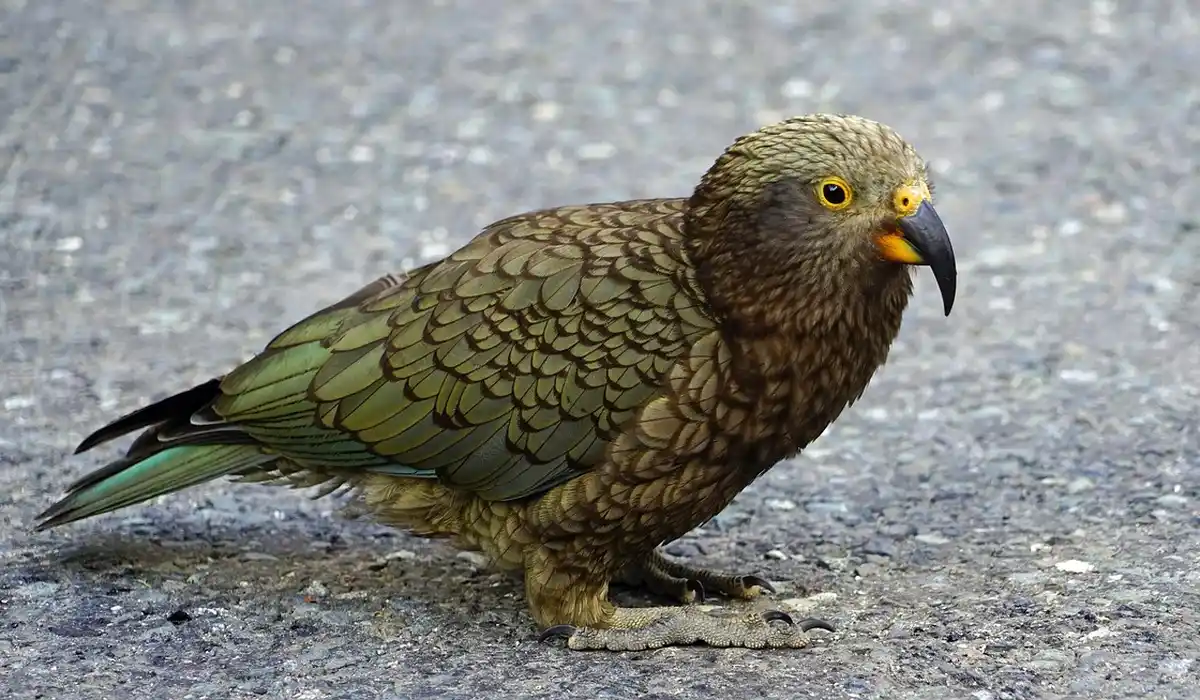
Parrots crave daily social interaction just like humans do-they thrive on bonding and can get lonely without it. My Green-cheeked Conure, Kiwi, follows me around the house, chirping for attention, which shows how deeply they need companionship. In the wild, they live in large flocks, so your home becomes their new flock.
Building trust with a parrot takes patience and consistency. Start by offering treats from your hand and speaking softly to help them feel safe around you. Spend time near their cage daily without forcing interaction, and they’ll gradually see you as a friend. These bonding techniques that work will help you build trust over time. Stay consistent and patient, and you’ll see your parrot seek you out more.
- Use positive reinforcement with favorite foods to reward calm behavior.
- Handle them gently and avoid sudden movements to prevent fear.
- Provide engaging toys to keep them occupied when you’re away, reducing separation anxiety.
Separation anxiety is real for parrots—they might scream or pluck feathers if left alone too long. I’ve seen my Sun Conure, Sunny, get visibly upset if I skip our morning chat, so I make sure to set a routine that includes plenty of one-on-one time. This differs from dogs, who often adapt to alone time with training, or cats that are more independent and don’t demand constant social engagement.
Compared to other pets, parrots form intense, verbal bonds. While a dog might show loyalty through following commands, and a cat through occasional cuddles, parrots engage in conversations and mimic your emotions, creating a unique, interactive relationship. Small mammals like hamsters or guinea pigs are less socially complex and don’t seek the same level of mental stimulation.
Longevity and Lifespan Commitments
Parrots often live for decades, with some species like African Greys reaching 60 years or more. My African Grey, Sage, is only 8, but I’m planning for her to be part of my life for many years to come, much like raising a child. This long lifespan means you’re making a promise to care for them through life’s ups and downs. A parrot lifespan guide shows how long different species can live and what care influences longevity. Knowing these differences helps prospective owners plan for a lifelong commitment.
Factors like diet, environment, and regular vet check-ups hugely impact how long and well they live. A balanced diet with fresh veggies, pellets, and limited seeds keeps them healthy, while a safe, stimulating cage prevents stress-related issues. Avoid toxins like non-stick cookware fumes, which can be deadly.
- Provide a varied diet rich in vitamins to support immune health.
- Ensure their living space is spacious and enriched with perches and toys.
- Schedule annual vet visits to catch problems early and maintain their well-being.
Planning for a parrot’s lifelong needs involves thinking ahead about your own life changes. Set aside savings for unexpected vet bills and consider who might care for them if you can’t, because their longevity requires a dedicated, forward-thinking approach. To support that, create a long-term care plan for your parrot. This plan helps you outline caregiving arrangements, medical needs, and financial planning so the parrot’s well-being is protected if life changes. This isn’t like having a hamster that lives a few years; it’s a deep, enduring partnership that demands responsibility and love.
Unique Physical Traits and Behaviors
Parrots dazzle with their ability to fly, a trait that sets them apart from many pets. Flight isn’t just for fun; it’s essential exercise that keeps them fit and happy. My Green-cheeked Conure, Kiwi, loves swooping around the room, so I always ensure windows are shut and fans are off to prevent accidents.
Their vibrant coloration isn’t just beautiful-it’s a health indicator. Bright feathers often mean your parrot is thriving, while dull colors can signal issues. Sunny, my Sun Conure, shows off her yellow and orange hues when she’s content, reminding me to keep her diet rich in nutrients.
Preening is a daily ritual that keeps feathers clean and strong. This behavior helps parrots bond and stay comfortable, but it requires a dust-free environment. Sage, my African Grey, spends hours preening, and I join in by misting her with water to mimic rain.
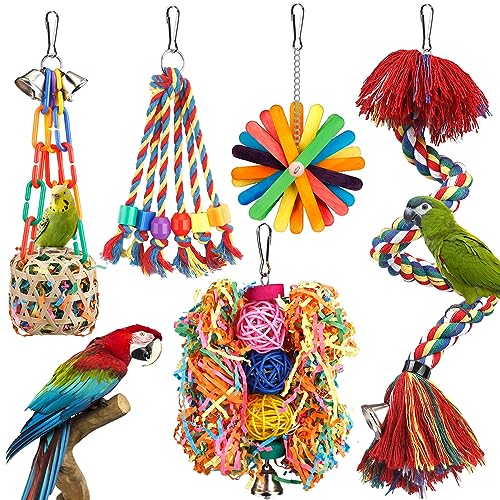
Playfulness drives their need for mental stimulation. Parrots are natural explorers who crave toys and puzzles to prevent boredom. Kiwi adores shredding paper toys, which I rotate weekly to keep his mind sharp and engaged.
- Flight demands safe, open spaces for daily exercise-think bird-proofed rooms or large cages.
- Coloration changes mean regular vet visits to catch health problems early.
- Preening habits require a balanced diet and clean living areas to avoid feather issues.
- Playful antics call for varied enrichment, like foraging toys and social games.
From my experience, these traits shape every part of parrot care. Ignoring their needs can lead to stress or illness, so I tailor their environment to match their wild instincts. For instance, I set up perches at different heights to encourage Kiwi’s climbing and flying, making his day more exciting.
How Parrots Differ from Other Common Pets
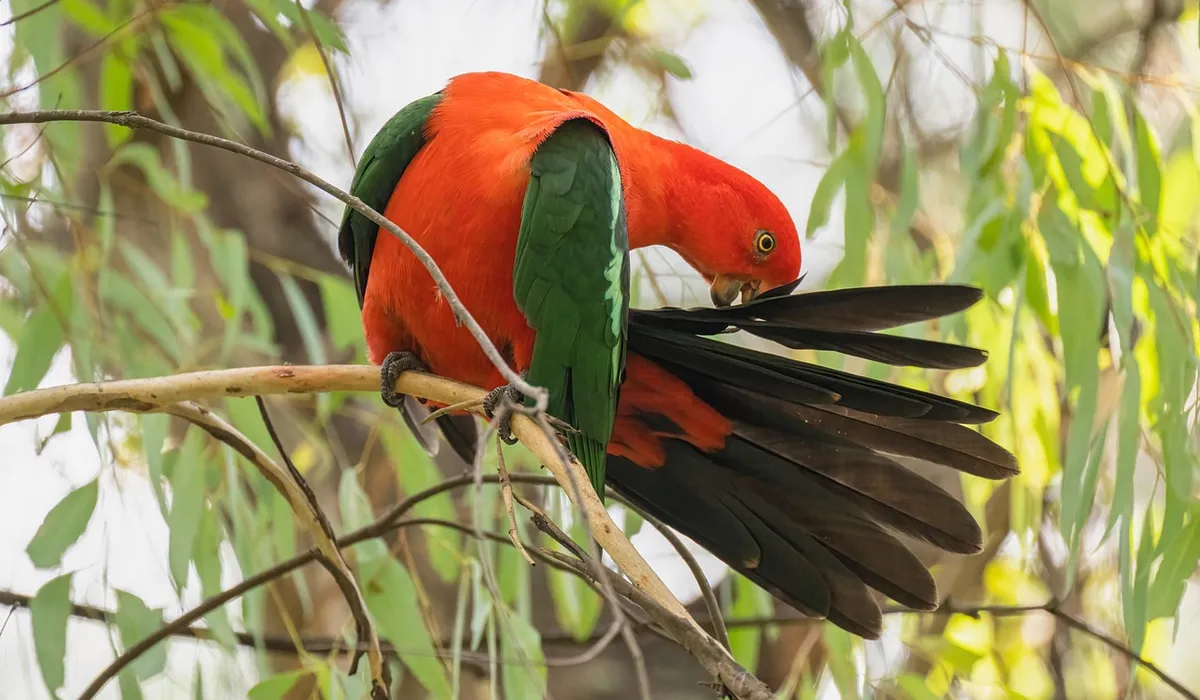
Parrots stand out in ways that might surprise you compared to dogs, cats, or small pets like hamsters. Their high noise levels and need for interaction make them a unique commitment. Based on caring for Kiwi, Sunny, and Sage, I’ve seen how their demands differ sharply from other animals.
| Aspect | Parrots | Dogs | Cats | Small Pets (e.g., Hamsters) |
|---|---|---|---|---|
| Noise Level | Very loud; can mimic sounds and talk | Moderate barking or whining | Quiet meows or purrs | Nearly silent; occasional squeaks |
| Space Requirements | Large cages and room to fly; vertical space key | Yards or daily walks; horizontal space focus | Compact living; climbing trees or shelves | Small enclosures; minimal roaming |
| Interaction Levels | High; need daily social time and mental challenges | Moderate to high; thrive on walks and play | Variable; often independent but enjoy affection | Low; handling can cause stress |
Parrots require more hands-on care than many pets. Their intelligence means they get bored easily, leading to behavioral issues if neglected. While my friend’s cat is fine alone for hours, Sage demands conversation and puzzles to stay content.
- Noise: Parrots can be ear-splittingly loud, unlike quieter small pets.
- Space: They need tall cages and flight areas, contrasting with dogs’ ground-based needs.
- Interaction: Daily engagement is a must, far beyond what cats typically require.
From my years with parrots, I’ve learned they’re not just pets-they’re feathered family members. Choosing a parrot means embracing their vocal nature and social demands for a rewarding bond. For animal welfare, I always advise potential owners to consider if they can provide the space and time parrots truly need.
Assessing If a Parrot Fits Your Lifestyle
Bringing a parrot home is a massive commitment that reshapes your daily life. I learned this the hard way when my schedule had to completely bend around Kiwi’s needs for attention and mental stimulation. It’s not a decision to make lightly. If you’re gearing up for your new parrot’s first day home, a step-by-step survival guide can help you navigate that critical day. It lays out practical, bite-sized steps from morning routines to bedtime, so you can start on the right foot.
Key Factors to Consider Before You Commit
Think of parrot ownership like adopting a perpetual toddler with wings and a can opener for a face. You need to be brutally honest about these areas:
- Time: Parrots are flock animals. They need hours of daily, out-of-cage social interaction. Leaving them alone for a standard workday can lead to depression and screaming.
- Costs: The initial purchase is just the start. Factor in a massive, sturdy cage, high-quality pellets, fresh vegetables, endless toys they destroy, and unexpected vet bills from an avian specialist.
- Training: This isn’t optional. You must consistently work on step-up commands, harness training for safe outdoor time, and discouraging bad habits like biting. It demands immense patience.
- Enrichment Needs: A bored parrot is a destructive parrot. They need a constant rotation of foraging puzzles, shreddable toys, and new skills to learn to keep their powerful brains engaged.
Your Step-by-Step Readiness Evaluation
Don’t just wonder if you’re ready-test it. Here’s how I prepared my home and life for my first bird.
- Audit Your Daily Schedule. Block out 3-4 hours in your calendar every single day for direct parrot interaction. If you can’t find that time, reconsider.
- Calculate the Real Financial Cost. Price out a proper flight cage, a year’s supply of high-quality food (like Harrison’s or TOP’s), and a vet fund with at least $500 set aside for emergencies.
- Research Species-Specific Diets. A seed-only diet is a death sentence. Plan a menu of organic pellets, fresh chop (veggies/grains), and limited fruit. My conure, Kiwi, goes crazy for bell peppers and quinoa.
- Design the Housing Space. The cage is their safe haven. It must be large enough for full wing stretches, placed in a busy family area (but not the kitchen!), and stocked with various perches and toys.
- Find Your Avian Vet NOW. Locate a certified avian veterinarian before you even bring a bird home. You do not want to be scrambling during a health crisis.
Real-Life Stories of Thriving Parrot Partnerships
Seeing it in action helps paint the real picture. Here’s how it looks when the fit is right.
- Kiwi, The Family Clown: My Green-cheeked Conure fits my active, work-from-home life perfectly. His 3+ hours of daily free-flight time and training sessions satisfy his need for engagement, and his playful antics are our daily entertainment.
- Sunny, The Social Butterfly: A friend’s Sun Conure lives with a retired couple. His loud, cheerful calls aren’t a nuisance because someone is always home. His life is a constant loop of cuddles, training, and supervised outdoor cage time.
- Sage, The Intellectual: An African Grey in a quiet, child-free home thrives with an owner who treats him like a PhD student. His days are filled with puzzle toys, learning new words, and calm, observational interaction that matches his calm demeanor.
FAQs
How do I choose the right size cage for my parrot?
Select a cage that allows your parrot to fully stretch its wings and move freely without restriction. Ensure it has horizontal space for climbing and is made of safe, non-toxic materials to support their natural behaviors.
What are common mistakes new parrot owners make?
Many beginners overlook the need for a varied diet beyond seeds, which can lead to health issues over time. They also underestimate the time required for daily social interaction, causing stress or behavioral problems in their parrot. Following general parrot dietary guidelines helps ensure balanced nutrition with pellets, fruits and vegetables, and limited seeds. This approach supports energy and long-term health.
Can parrots be potty trained?
Yes, parrots can learn to eliminate in specific spots through consistent training and positive reinforcement. However, it requires patience and may not be as reliable as with other pets like dogs, so expect occasional accidents.
Closing the Loop
Your parrot’s intelligence, social nature, and long life make them completely different from a cat or dog. Focus on providing mental stimulation, a varied diet, and plenty of safe, out-of-cage social time every single day. This fulfills their deep need for a flock and keeps their brilliant minds engaged.
Owning a parrot is a lifelong journey of learning and adaptation. Commit to being a responsible guardian by continuously educating yourself on their complex care needs and advocating for their well-being. Your dedication ensures your feathered friend thrives, not just survives, for all the years to come. For a practical overview of their care and the legal considerations, check out our quaker parrot care characteristics legality guide. It helps you balance daily needs with regional ownership requirements.
Further Reading & Sources
- Parrot – Wikipedia
- Interesting Facts About Parrots | Little Known Traits of These Unique Birds
- Parrot | Personality, Food & Care – Pet Birds by Lafeber Co.
Suzanne Levine is a dedicated parrot enthusiast and experienced avian caregiver with over 15 years of hands-on experience in parrot care. As the founder of Parrot Care Central, Suzanne is passionate about sharing her knowledge and insights to help fellow parrot owners provide the best possible care for their feathered friends. Her expertise spans nutrition, behavior, health, and enrichment, making her a trusted resource in the parrot care community.
Socialization