
The Smartest Parrot Species in the World
Published on: April 10, 2026 | Last Updated: April 10, 2026
Written By: Suzanne Levine
Are you curious about which parrot species is the most intelligent and how that impacts their needs as pets?
Based on my years caring for parrots like Sage, my clever African Grey, I will guide you through the essentials to make this topic clear and relatable.
Here are the key points we will explore together:


- Learn how parrot intelligence is measured beyond simple tricks.
- Discover the top species celebrated for their problem-solving skills.
- Understand what high smarts mean for their care and your bond.
You will receive practical, easy-to-follow advice that respects these amazing birds.
Topics covered: Defining parrot intelligence, Top intelligent species, African Grey insights, Amazon and Cockatoo profiles, Care tips for smart parrots, Animal welfare importance. Additionally, we examine the African grey parrot habitat origin in Central and West African forests. This context informs both wild behavior and appropriate captive care.
Meet the Champions: World’s Smartest Parrot Species
When we talk about parrot intelligence, a few species consistently outperform the rest in cognitive tests and real-world demonstrations. But just how intelligent are parrots in general?
- African Grey Parrots (Psittacus erithacus): These birds are the undisputed geniuses of the parrot world, renowned for their exceptional problem-solving skills and advanced vocal mimicry that often includes understanding context.
- Macaws: Large and inquisitive, macaws demonstrate impressive tool use and complex social reasoning, often working together to solve puzzles or access food.
- Cockatoos: Famous for their emotional intelligence and incredible memory, cockatoos can master multi-step puzzles and form deep, lasting bonds with their human companions.
Research on the African Grey, particularly the work with Alex by Dr. Irene Pepperberg, showed these birds could identify objects, colors, and quantities, using language in a referential way. Their ability isn’t just mimicry; it’s a form of cognitive processing that rivals that of a young child.
My own African Grey, Sage, constantly amazes me. She doesn’t just ask for a nut; she’ll specifically request a “walnut” when she sees the bag, and if it’s empty, she’ll suggest “almond” instead. She once watched me struggle with a child-proof lock on a cabinet and, after a few minutes of observation, used her beak to mimic the twisting motion to try and open it herself.
The Science Behind Parrot Smarts
What makes these birds so clever? It boils down to their unique brain structure and evolutionary needs.
- Brainpower: Parrots possess a large brain relative to their body size, with a highly developed area called the nidopallium caudolaterale, which handles executive functions like problem-solving and planning.
- Neural Complexity: They have a high density of neurons packed into their forebrains, creating immense processing power in a compact space-think of a supercomputer in a feathered package.
- Cognitive Traits: Avian cognition studies highlight their prowess in memory, tool use (like crafting sticks to reach food), and sophisticated social intelligence that allows them to navigate complex flock dynamics.
You can think of a parrot’s problem-solving ability like a person figuring out a tricky escape room. They observe, test hypotheses, and remember what works, applying that knowledge to future challenges. Their social intelligence is akin to understanding office politics; they know who to befriend for treats and how to communicate their needs effectively.
This intelligence wasn’t just for show in the wild. Remembering complex flight paths to fruiting trees, recognizing predator calls, and using tools to extract insects were all essential for survival. In our homes, that same powerful brain is now focused on learning our routines, mastering puzzle toys, and building relationships with us.
How Parrots Compare: Intelligence Beyond the Cage
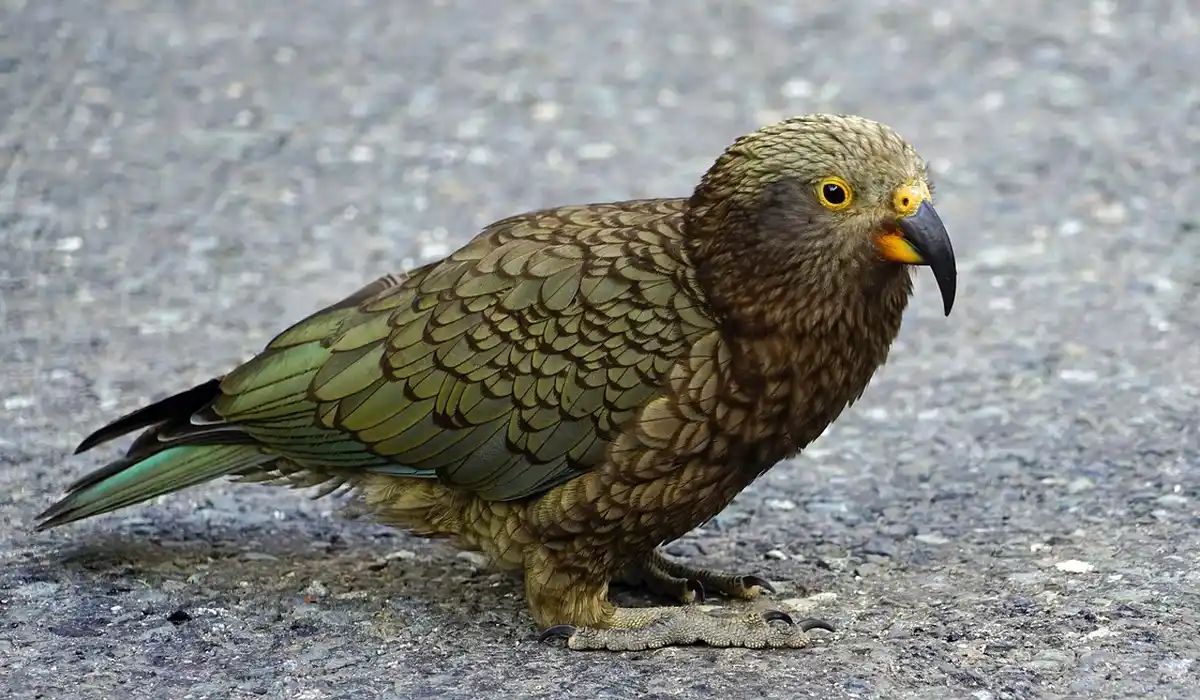
Parrots often surprise people with their brainpower, rivaling animals like dogs, dolphins, and primates in cognitive tests. While dogs excel at social cues and dolphins at complex communication, parrots shine in problem-solving and vocal mimicry that can match a young child’s abilities. I’ve watched my African Grey, Sage, outsmart puzzles that stumped my other pets, showing how their minds work on multiple levels. Comparing their intelligence to other animals is always fascinating.
- Language skills: Parrots like Alex the African Grey learned hundreds of words and used them meaningfully, whereas primates might use tools but struggle with human-like speech.
- Planning and reasoning: Studies show parrots can plan steps to get food, similar to dolphins navigating mazes, but parrots often do it with less training.
- Ethical research: It’s vital to support studies that avoid stress or harm, focusing on positive reinforcement to protect these clever birds’ well-being.
In experiments, parrots have solved logic puzzles that stump many mammals, proving their intelligence isn’t just mimicry. Ethical animal welfare means we must always prioritize their comfort and natural behaviors in any research or training. Positive reinforcement training for parrots uses rewards to encourage curiosity and problem-solving while minimizing fear. In practice, this approach helps parrots learn complex tasks with confidence. From my experience, respecting their limits helps them thrive and show their true smarts without fear.
Spotting a Genius: Signs Your Parrot is Super Smart
You can easily spot a smart parrot through everyday actions that show deep thinking and creativity. Look for behaviors like solving puzzles quickly, mimicking sounds or words accurately, and even using objects as tools to reach goals. My Sun Conure, Sunny, loves to stack toys to get to higher perches, a clear sign of tool use I’ve seen firsthand.
- Puzzle-solving: They might unlock cage doors or figure out food-dispensing toys without help.
- Vocal learning: A parrot that picks up new phrases or mimics household noises is showing advanced cognitive skills.
- Tool use: Watch for them using sticks to scratch itches or move items, similar to primates in the wild.
To test and boost your parrot’s intelligence, try these simple games that are fun and engaging. Start with hide-and-seek treats in paper cups to encourage problem-solving, and always reward efforts with praise or a small snack. I do this with Kiwi, my Green-cheeked Conure, and it keeps her mind sharp and happy. If your parrot seems bored, adding a few new games can renew interest and prevent mischief. You can learn more about this [here](https://parrotcarecentral.com:/why-is-my-parrot-bored-and-how-can-i-help). I’m here to help tailor activities to your bird’s personality.
- Set up a foraging box with hidden snacks to stimulate their natural hunting instincts.
- Teach a new word or sound daily, using repetition and positive reinforcement for quick learning.
- Introduce puzzle toys that require steps to open, and observe how they tackle the challenge.
From my years caring for parrots, I’ve learned that clever traits often include curiosity and persistence. Pay attention to how your bird reacts to new environments or toys – if they explore fearlessly and adapt fast, you might have a little genius on your hands. Pet parrots learn by doing—through exploration, trial, and consistent practice, as detailed in this article on what pet parrots can learn and do. When you provide safe, engaging activities, you’ll see them learn new tricks and routines in no time. Always ensure these activities are safe and stress-free to support their mental and physical health.
Enriching a Bright Mind: Care for Intelligent Parrots
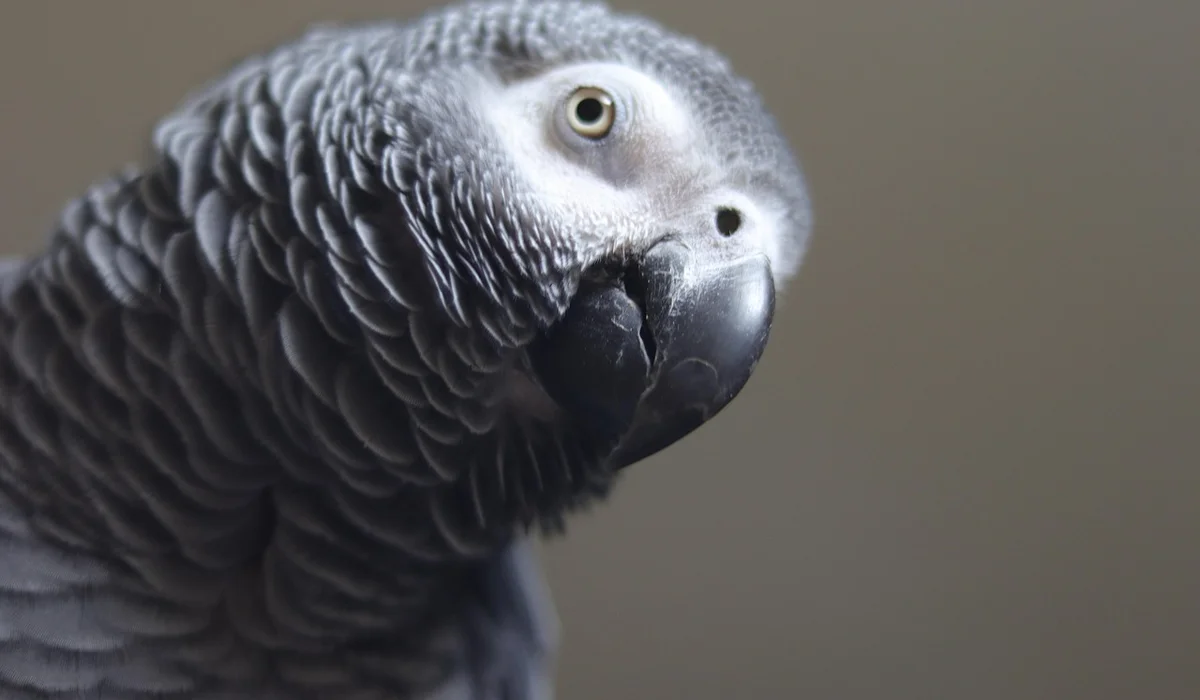
Living with a clever parrot like my African Grey, Sage, taught me that a smart bird without a job will invent one-and you might not like their creative choices. Mental stimulation isn’t a luxury; it’s a daily necessity to prevent feather-plucking and other stress behaviors.
Daily Mental Workouts
Start with short, positive training sessions. I spend 10-15 minutes twice a day with my birds.
- Target Training: Use a chopstick for them to touch. Reward with a tiny, healthy treat.
- Step-Up Practice: Reinforce this basic command daily. It builds trust and respect.
- Puzzle Solving: Introduce a new trick weekly, like fetching a small ball or ringing a bell.
Choosing the Right Toys
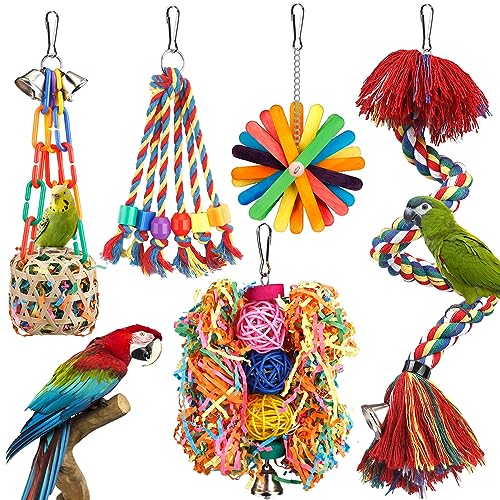
Not all toys are created equal. My Green-cheeked Conure, Kiwi, destroys softwood, while Sage prefers complex puzzles.
- Foraging Toys: Hide their favorite nuts inside. Makes them work for food.
- Shreddable Toys: Birds need to destroy things! Paper, cardboard, and palm leaf toys are perfect.
- Noise-Making Toys: Bells and rattles satisfy their need for auditory feedback.
Rotate toys every few days to keep their environment fresh and intriguing. A bored parrot is a destructive parrot.
The Social Connection
These are flock animals. My Sun Conure, Sunny, demands at least an hour of out-of-cage social time daily.
- Place their cage in a family room, not a quiet corner.
- Talk to them constantly about what you’re doing.
- Include them in safe household activities, like watching TV or eating breakfast.
Fueling a Powerful Brain
A poor diet leads to a sluggish mind. I learned this the hard way.
- High-Quality Pellets: This should be 60-70% of their diet.
- Fresh Veggies: Offer dark leafy greens, sweet potatoes, and carrots daily.
- Healthy Fats: Walnuts and flax seeds support brain health. Use them as training rewards.
Remove fatty seeds and human junk food entirely; they cloud cognitive function.
Crafting the Perfect Environment
Cage placement matters more than you think.
- Place the cage against a wall for security, with a view of family life.
- Ensure 10-12 hours of uninterrupted sleep in a dark, quiet room.
- Provide safe, non-toxic branches for perching to exercise their feet and mind.
Species-Specific Enrichment
What works for one species may bore another.
- African Greys: Need complex puzzle toys and learning sessions.
- Conures: Thrive on physical, shreddable toys and lots of climbing opportunities.
- Macaws: Require incredibly durable toys they can’t demolish in five minutes.
Always research your specific parrot’s natural behaviors to provide the most fulfilling enrichment activities.
Thinking of Adoption? What to Know About Smart Parrots
That viral video of a talking parrot is charming, but the reality is a decades-long commitment. Owning a genius parrot is like raising a perpetual toddler with bolt cutters on its face.
The Reality Check: Time and Money
Be brutally honest with yourself before bringing one home.
- Time Commitment: Plan for 2-4 hours of direct interaction and cage maintenance every single day.
- Financial Cost: A large cage, quality food, vet bills, and constant toy replacement can exceed $1,000 annually.
- Lifespan: Many species live 30-60 years. They are a lifelong companion and often outlive their owners.
Matching a Parrot to Your Life
Your lifestyle dictates the right species for you.
- Busy & Apartment Living? A quieter, less demanding species like a Pionus or a Senegal might be better.
- Home All Day & Love Noise? A cockatoo or macaw could be a fit, but prepare for the volume.
- First-Time Owner? Start with a budgie or cockatiel. They are intelligent but more forgiving.
Adoption: The Most Ethical Choice
I am a fierce advocate for adoption. So many brilliant birds end up in rescues through no fault of their own.
- Rescue Organizations: They often have Amazons, Greys, and Macaws who need experienced homes.
- The Benefit: Adopted birds are often past the destructive adolescent phase and their personality is already known.
- The Alternative: Purchasing from a breeder fuels an industry that can prioritize profit over welfare.
Visit a local parrot rescue. The bond you form with a bird that chooses you is indescribable.
The Joys and Challenges From My Home
Sage, my African Grey, once spent a week learning to mimic the microwave beep perfectly. It was hilarious until 6 a.m. on a Saturday.
- The Joy: The intellectual connection. Having a conversation, solving problems together, the sheer hilarity of their antics.
- The Challenge: The constant demand for attention. The mess. The noise. The potential for severe behavioral issues if their needs aren’t met.
It is the most rewarding and frustrating relationship I’ve ever had with an animal, and I wouldn’t trade it for the world.
FAQs
Is the African Grey always the smartest parrot in every situation?
While African Greys often rank highest in intelligence tests, individual abilities can vary based on environment and training. Other species like Macaws may outperform in specific tasks such as tool use or social reasoning.
What are some lesser-known smart parrot species besides the top three?
Eclectus Parrots and Amazon Parrots are highly intelligent, with strong problem-solving and vocal mimicry skills. This raises the question: do parrots understand human language, or do they simply mimic sounds? Some studies suggest they can associate words with meanings and respond to human cues. They may not be as widely recognized but exhibit cognitive abilities that rival more famous species.
How do Reddit discussions about smart parrots compare to expert opinions?
Reddit users often share personal stories that align with research, highlighting African Greys’ language skills and Cockatoos’ emotional depth. However, scientific studies provide more structured evidence, while online forums emphasize real-world experiences and individual variations.
Can a parrot’s intelligence be enhanced through specific activities?
Yes, engaging in regular training and enrichment, like puzzle toys and social interaction, can boost a parrot’s cognitive functions. Consistent mental challenges help develop their problem-solving abilities and prevent boredom. For cognitive enrichment for parrots, try 10 brain games to keep your bird sharp.
What should a beginner consider when choosing a highly intelligent parrot?
First-time owners should look for species with manageable care needs, such as Conures or Cockatiels, which are intelligent but less demanding. Ensure you can provide daily mental stimulation and social time to support their well-being.
In Closing
From my years caring for parrots like Sage, my African Grey, I’ve learned that the smartest species, such as African Greys, need daily mental challenges like puzzles and interactive play to stay happy and healthy. Providing varied enrichment prevents boredom and taps into their natural curiosity, making your bond stronger and their lives fuller.
Remember, adopting a parrot is a lifelong journey that demands dedication to their emotional and physical needs, so always seek out new resources and connect with fellow bird lovers to grow alongside your feathered friend. When deciding between adoption and buying, consider the bird’s background and your ability to meet its lifelong needs. Both routes can be rewarding, but the right choice depends on your readiness and resources. Continuous learning and compassionate care ensure these brilliant birds live vibrant, fulfilling lives in your home.
Further Reading & Sources
- r/parrots on Reddit: What is the smartest type of parrot?
- 8 Smartest Parrot Species That Will Blow Your Mind
- The Smartest Bird Species: Unveiling the Avian Geniuses | Lyric Wild Bird Food
Suzanne Levine is a dedicated parrot enthusiast and experienced avian caregiver with over 15 years of hands-on experience in parrot care. As the founder of Parrot Care Central, Suzanne is passionate about sharing her knowledge and insights to help fellow parrot owners provide the best possible care for their feathered friends. Her expertise spans nutrition, behavior, health, and enrichment, making her a trusted resource in the parrot care community.
African Grey Parrots