Why Does My Parrot Nibble My Fingers? (Play vs. Warning Bites)
That gentle nibbling on your fingers can leave you wondering-is this a sweet gesture or a subtle warning? It’s a question I’ve asked myself many times with my own flock, like when Kiwi, my Green-cheeked Conure, decides my fingers are his favorite chew toys.
I’m here to help you figure it out. We’ll look at:
- How to tell playful nibbles from serious bites
- The body language that reveals your parrot’s true intentions
- Simple ways to respond that keep your fingers safe and your bond strong
You’ll walk away with clear, actionable advice you can use right away.
Topics covered: interpreting nibbles, reading parrot body language, handling biting, building trust, redirecting behavior
Understanding Why Your Parrot Nibbles
Parrots use their beaks like hands to explore their world, and your fingers are often the most interesting objects in it. Gentle nibbling is a normal part of parrot communication and interaction. The key is figuring out what your feathered friend is trying to tell you.
From my years with Kiwi, Sunny, and Sage, I’ve seen nibbling stem from many motivations.
- Playful Exploration: My Green-cheeked Conure, Kiwi, often treats my fingers like a fascinating new toy. He’ll gently roll my fingernail under his beak with a soft, rhythmic motion. It’s his way of saying, “You’re part of my flock, and we’re hanging out.”
- Seeking Attention: Sunny, my Sun Conure, is a social butterfly. If I’m focused on my computer, he’ll give my finger a quick, insistent nip. It’s not hard, but it’s his clear signal that he feels ignored and wants my focus back on him.
- Boredom: A parrot with nothing to do will find something to do, and your fingers are convenient. I noticed Kiwi nibbled more when his toy rotation was stale. Providing new shreddable toys dramatically reduced this behavior.
- Fear or Anxiety: A sudden, harder bite can come from fear. When Sage, my African Grey, was younger, a fast-moving hand near his cage would earn a defensive pinch. He needed time to learn that my hands were safe and brought good things like treats.
- Underlying Health Issues: A parrot in pain might bite the hand that tries to touch a sore spot. If your normally gentle bird suddenly becomes nippy for no apparent reason, a vet visit is a must to rule out illness or injury.
Your parrot’s age and the strength of your bond heavily influence this behavior. Young parrots, like a toddler Kiwi, nibble everything as they learn bite inhibition. An older, well-bonded bird like Sage uses nibbles with precise control, a sign of deep trust. A newer relationship often means more testing bites as your parrot learns your boundaries.
Play Nibbles vs. Warning Bites: Key Differences
Learning to read your parrot’s beak language is a game-changer. The difference between a playful nibble and a warning bite is all about pressure and body language. A play nibble feels like a light, curious pinching, while a warning bite is a sharp, sudden clamp. Understanding these cues helps you tell whether a bite signals fear or aggression, and shows you how to respond safely. With practice, you can prevent bites by addressing the underlying emotion.
Here’s a quick guide to help you tell them apart.
| Play Nibble | Warning Bite |
|---|---|
| Very gentle pressure, often rhythmic | Firm, quick pressure that can be painful |
| Relaxed body posture, feathers smooth | Stiff body, pinned eyes, raised feathers |
| Intent is curiosity and bonding | Intent is to make you go away |
| Often accompanied by soft chirps | May be preceded by a hiss or growl |
Observing my three parrots taught me to spot the subtle cues. These are common parrot anger signals—warning signs to watch for. Kiwi’s play nibbles are almost a preening behavior—soft and deliberate. Sunny, however, gives a very clear “I’m done” signal before a warning bite; his body tenses and he lets out a low grumble. Paying attention to these micro-signals prevents most bites from ever happening. Sage, the intellectual, rarely gives warning bites. He simply moves away or uses a very light “beak push” against my finger to say “not right now.” Every species and every individual bird has their own dialect.
Reading Your Parrot’s Body Language and Vocal Cues
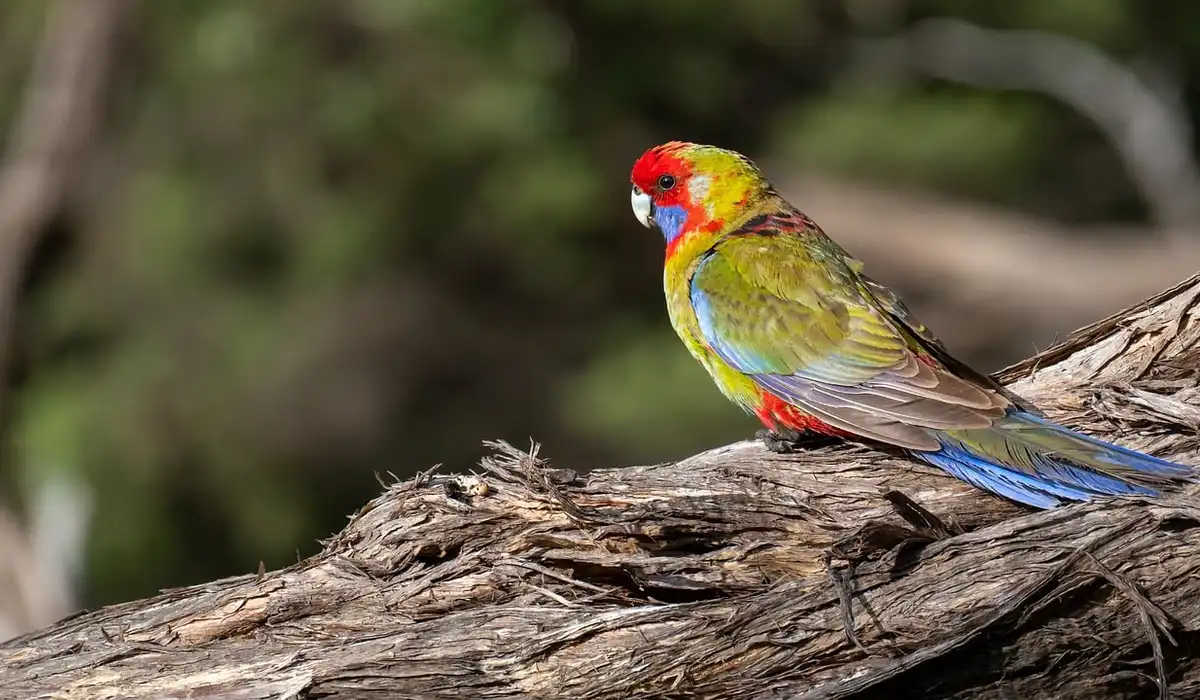
Your parrot is constantly talking to you, not with words, but with its entire body. Learning this silent language is your most powerful tool for understanding their intentions and preventing a painful bite. Recognizing signs of pain and distress through subtle body language is a key part of this knowledge, helping you respond before things escalate. Our guide on recognizing pain signals in parrots can help you notice these cues early and keep your bird comfortable.
Key Signals to Watch For
Pay close attention to these common signs. I’ve seen them all with my flock, from Kiwi’s playful antics to Sage’s more deliberate warnings.
- Eye Pinning: This is when their pupils rapidly constrict and dilate. With my sun conure, Sunny, it often means high excitement, which can tip into overstimulation and a quick nip.
- Feather Fluffing: A briefly fluffed parrot might just be cozy and content. But if the feathers stay puffed up and the body looks tense, it’s a classic sign of agitation or fear.
- Tail Flicking: A slow, rhythmic tail wag can be playful. A sharp, rapid flick is a clear warning sign that says, “Back off, I’m uncomfortable.”
- Vocalizations: Listen for the tone. Happy chattering and soft contact calls are green lights. Hissing, guttural growls, or sharp, single squawks are definite red flags.
A Step-by-Step Guide to Real-Time Interpretation
Don’t just watch for one signal; read the whole story their body is telling you.
- Assess the Environment: Is something new or scary nearby? A sudden noise or movement can put any parrot on edge.
- Scan Their Body: Look at their eyes, feathers, and posture together. Pinned eyes with a rigid, sleek body is a much bigger warning than pinned eyes with a relaxed, fluffed posture.
- Listen Closely: Match the sounds they are making to their body language. A growl with a tense body means stop what you’re doing immediately.
- Respect the Message: If you see multiple warning signs, give your parrot space. Pushing an interaction is asking for a bite.
Using This Knowledge for Bite Prevention
This isn’t just about observation; it’s about action. By respecting their communication, you build immense trust and create a safer space for both of you. If Sage starts his low growl when my hand approaches his food dish, I simply wait. I don’t force it. This tells him I understand, and he doesn’t need to escalate to a bite to be heard. Always approach from the front where they can see you, and move slowly to avoid triggering a startle response.
How to Respond When Your Parrot Nibbles
Even with the best communication, nibbles happen. Your reaction in that moment is critical for your future relationship.
Immediate Actions: Playful vs. Warning
Your response must match the bite’s intensity.
- For Playful Nibbles: If it’s gentle and exploratory, like Kiwi often does, I redirect her beak to an approved toy. I’ll say “Be gentle” in a calm voice and reward her with praise when she nibbles the toy instead.
- For Warning Bites: If the bite is hard or preceded by a warning sign, do not yell or jerk away. Stay calm. Say “No bite” firmly but quietly, and slowly remove your hand. The key is to make the biting behavior boring and unproductive for them.
Essential Do’s and Don’ts
These rules have saved my fingers more times than I can count.
- DO redirect to a toy or a simple training command they know.
- DO remain calm and neutral in your tone and body language.
- DO reinforce positive interactions with praise and a small treat.
- DON’T punish, yell, or tap their beak. This only breeds fear and aggression.
- DON’T put them back in the cage as punishment, as this can make them resent their home.
Personal Trust-Building Strategies
Building a bond where nibbles stay playful takes time and consistency. I found that offering a favorite treat from my open palm, without demanding anything in return, built more trust than any forced interaction. With my nervous green-cheek, Kiwi, I spent weeks just sitting by her cage, reading aloud so she got used to my voice and presence. I never pushed for physical contact until she was ready. This patience taught her that my hands were sources of good things, not threats. Pay attention to what your individual parrot finds rewarding-it might be a piece of walnut, a head scratch, or just verbal praise. Socializing your parrot helps prevent fear-based biting by turning unfamiliar cues into familiar routines. With steady, positive exposure, your bird learns to trust hands as friends.
Training Tips to Manage and Reduce Nibbling
Training a parrot is like learning a new language together. Positive reinforcement builds trust faster than any scolding ever could. Small rewards and steady cues reinforce good behaviors. This is the heart of positive reinforcement training for parrots.
My Green-cheeked Conure, Kiwi, used to treat my fingers like chew toys. I learned that rewarding gentle behavior with a tiny piece of walnut (his favorite) made him far more interested in being polite.
Teach a “Play Nice” Command
This simple routine changed everything for me and my birds.
- Offer your finger. If your parrot nibbles gently, say “good bird” in a happy voice and give a treat.
- If the nibble gets too hard, let out a small, high-pitched “eep!” and pull your hand away for 10 seconds. This mimics how parrots tell each other they’ve been hurt.
- Return your hand and try again. Consistency is your most powerful tool; your parrot learns that soft nibbles get rewards and attention, while hard bites make the fun stop.
Beat Boredom with Enrichment
A busy beak is a happy beak. Nibbling often stems from having nothing better to do.
- Foraging Toys: Hide treats inside puzzle boxes or crumpled paper. My Sun Conure, Sunny, will spend an hour unraveling a foraging ball.
- Destructible Chews: Provide bird-safe wood blocks, sola wood, or palm fronds. They satisfy that natural urge to chew.
- Social Time: Schedule regular, out-of-cage play sessions. Parrots are flock animals; your attention is the best enrichment of all.
When Nibbling Becomes a Problem: Signs and Solutions
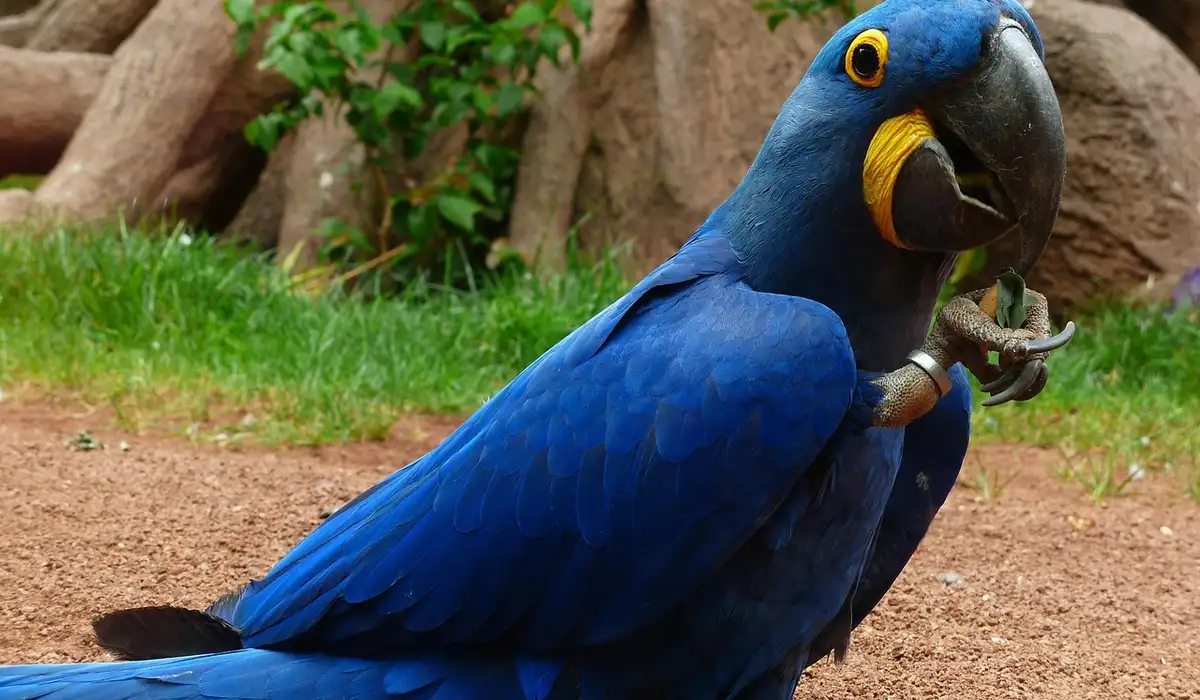
Not all nibbling is created equal. You must learn to read the subtle shifts in your parrot’s body language and intent.
My African Grey, Sage, once started nibbling my hand nervously whenever I wore a black glove. It wasn’t play; it was fear. I realized he associated the glove with a previous scary event.
Decoding the Warning Signs
Nibbling becomes problematic when it’s driven by negative emotions.
- Fear: Look for pinned eyes, flattened feathers, and a crouched posture. The nibbles are often quick and frantic.
- Territory: Your bird might lunge or nibble hard when you approach its cage, a favorite toy, or a specific person. This is them saying, “This is mine!”
- Health Problems: A sudden increase in nibbling or biting can signal pain. Any rapid behavior change warrants a vet visit to rule out underlying illness.
When to Seek Professional Help
Don’t hesitate to call for backup. It’s a sign of a responsible owner.
- The nibbling breaks the skin consistently.
- Your own fear of being bitten is preventing you from interacting with your parrot. An avian behaviorist can provide a fresh perspective and a tailored training plan.
>li>Your bird seems genuinely aggressive, not just testing boundaries.
From my own journey, intervening early for animal welfare is key. A parrot that bites out of fear or frustration is not a happy bird. Addressing the root cause, whether it’s boredom, pain, or fear, builds a safer and more trusting relationship for both of you. Understanding why parrots bite—the triggers and underlying causes—helps you respond calmly and effectively. Recognizing patterns before a bite happens can guide how you prevent future incidents.
Proactive Steps to Prevent Unwanted Nibbling
Stopping those painful nips begins with building a trusting bond and a stimulating environment. From my time with Kiwi, Sunny, and Sage, I’ve found that proactive care reduces nibbling by addressing its root causes, like boredom or fear. Let’s dive into practical, long-term strategies that work.
Long-Term Strategies for a Gentle Companion
Consistent routines and enriched surroundings make your parrot feel secure and content. Regular handling builds familiarity, so your bird sees your fingers as friends, not threats. With Kiwi, daily short sessions of gentle petting taught him to nibble softly during play.
- Regular Handling: Interact daily, even for five minutes, to reinforce positive associations. Hold your parrot calmly and speak softly to ease any anxiety.
- Environmental Enrichment: Offer toys, puzzles, and foraging opportunities to keep minds busy. Sunny adores shreddable toys that redirect her nibbling energy away from skin.
- Routine Checks: Schedule vet visits and inspect cages for hazards. Pain from health issues can trigger bites, so early detection is key for welfare.
Checklist for a Safe, Engaging Space
Create a habitat that minimizes stress and boredom, common nibbling triggers. A well-designed space encourages natural behaviors and reduces the urge to bite out of frustration. A DIY foraging wall in your parrot’s cage can boost engagement and reduce stress. Start building a simple one to turn feeding into a playful challenge. Use this list to transform your parrot’s environment today.
- Provide a mix of chewable toys, like untreated wood or cardboard, to satisfy beak instincts safely.
- Ensure the cage has multiple perches with varied textures to promote foot health and comfort.
- Place the cage in a social area but include hiding spots for quiet time, mimicking their wild needs.
- Rotate toys weekly to maintain novelty-Sage’s intelligence thrives with new challenges.
- Keep food and water fresh, and remove soiled bedding promptly to prevent irritation-related nibbling.
Consistency and Patience in Strengthening Your Bond
Building trust takes time, but steady effort pays off in a calmer, more affectionate parrot. Patience helps your bird learn that gentle interactions bring rewards, not scares. These bonding techniques work to build trust with your parrot. Consistency and calm interactions make the difference. I saw this with Kiwi; over months, his hard nips faded as we bonded through predictable routines.
Stick to a daily schedule for feeding, play, and training to reduce uncertainty. Reward soft nibbles with treats or praise, and never punish bites, as it can break trust and worsen behavior. Your dedication will slowly turn nibbles into gentle touches.
FAQs
What does it mean when my parrot nibbles my fingers softly and repeatedly?
This gentle, repetitive nibbling often signifies affection and social bonding, much like preening among flock mates. It shows your parrot feels comfortable and trusts you as part of its family. That said, preening can also signal worry or stress if it becomes excessive. If you notice your bird preening constantly, picking at feathers, or appearing anxious, consider adjusting routines or seeking guidance from a vet or avian behaviorist.
Can a parrot’s nibble indicate hunger or a request for food?
Yes, nibbling can sometimes be a way for your parrot to communicate hunger or a desire for treats. Pay attention to timing and other signals, like excited chirps or focused attention on food, to confirm this meaning.
How does the context of the environment affect my parrot’s nibbling behavior?
Changes in surroundings, such as loud noises or new objects, can increase nibbling due to curiosity or stress. A calm, familiar environment often leads to more relaxed and playful nibbling instead of anxious bites.
Closing the Loop on Parrot Nibbles
Ultimately, learning to distinguish your parrot’s playful nibbles from warning nips comes down to patient observation and understanding their unique body language. Understanding why parrots shake helps you distinguish normal behavior from warning signs. A quick, light shake can be normal play or a stretch, but persistent shaking or shaking with other symptoms may indicate a health issue. Pay close attention to the pressure, their eye pinning, and overall posture to correctly interpret their communication.
Being a fantastic parrot guardian means committing to lifelong learning about their complex behaviors and needs. Continue your education through trusted resources like {website_name} to build an even deeper, more joyful bond with your feathered friend.
Further Reading & Sources
- Why Does My Parrot Nibble Me? (Fingers, Ears, Lips + Nose)
- Why Does My Parrot Bite Me (And How To Avoid It)?
- 6 Reasons Why Pet Birds Bite & How to Stop It | PangoVet Pet Corner
Suzanne Levine is a dedicated parrot enthusiast and experienced avian caregiver with over 15 years of hands-on experience in parrot care. As the founder of Parrot Care Central, Suzanne is passionate about sharing her knowledge and insights to help fellow parrot owners provide the best possible care for their feathered friends. Her expertise spans nutrition, behavior, health, and enrichment, making her a trusted resource in the parrot care community.
Obedience Training