
Building Confidence in Shy or Traumatized Parrots: A Step-by-Step Guide
Seeing your parrot cower in fear or avoid interaction can make you feel helpless, but with patience and the right approach, you can help them blossom into a more confident companion.
From my years of caring for parrots like Kiwi, a once-timid Green-cheeked Conure, and Sage, a rescued African Grey, I’ve learned that building trust takes time and empathy. I’ll walk you through three essential strategies to support your bird’s emotional recovery:
- Recognizing and responding to your parrot’s unique stress signals and body language
- Creating a secure, predictable environment that reduces anxiety triggers
- Using gradual, positive reinforcement techniques to encourage brave behaviors
You’ll find clear, actionable steps tailored to your parrot’s needs, covering topics like: understanding fear-based behaviors, setting up a safe cage and play area, introducing low-stress interactions, using treats and toys for motivation, and monitoring progress without pressure.
Understanding Your Parrot’s Confidence Level
Reading your parrot’s body language is like learning a beautiful, silent language that tells you exactly how they’re feeling. I’ve spent countless hours just watching my flock—Kiwi, Sunny, and Sage—and their postures speak volumes about their comfort. If you’re wondering how to tell if your parrot is happy, there are 10 key signs to look for. I’ll walk you through them so you can read their joy as clearly as their squawks.
Assess Current Confidence Through Observation
Start by simply sitting near their cage during calm parts of the day.
- Watch their feather position: smooth and relaxed feathers often mean contentment.
- Notice their eyes: slow, soft blinking is a great sign of trust.
- Listen to their vocalizations: soft chatters and murmurs show they feel safe.
My Green-cheeked Conure, Kiwi, will often fluff his head feathers when he’s happy to see me, a tiny detail I learned over months.
Signs of Fear and Trauma in Parrots
Recognizing fear helps you avoid pushing your bird too far, too fast.
- Pinned eyes (rapidly contracting pupils) signal high stress or agitation.
- Crouching low with feathers flattened tightly against the body.
- Hissing, lunging, or frantic attempts to flee when you approach.
- Excessive feather plucking or self-mutilation, which I’ve seen in rescue birds.
If your parrot shows any of these signs, it’s a clear message they need more space and patience from you. In cases like separation anxiety, helping your bird cope when you’re gone can make these moments easier. A steady routine and comforting items can help your parrot feel secure in your absence.
Steps to Monitor Daily Behavior and Track Changes
- Keep a simple notebook or use a phone app to jot down daily observations.
- Note their reaction to your presence: Do they move away, stay still, or come closer?
- Record eating habits: A nervous bird might only eat when you’re not looking.
- Watch for small victories, like the first time they take a treat without flinching.
Tracking Sage’s progress taught me that even tiny steps, like him staying on his perch when I entered the room, were huge confidence builders.
Building Trust Through Gentle Interaction
Trust isn’t built in a day; it’s earned through consistent, gentle actions that show your parrot you mean no harm. I learned this the hard way with my Sun Conure, Sunny, who was very hand-shy when I first got her. After a negative incident, rebuilding trust takes time. Stick to quiet, predictable routines and let your parrot choose the pace of contact.
Trust-Building Methods: Slow Exposure and Gentle Handling
Move at your parrot’s pace, never forcing interaction.
- Start by just talking softly to them from a distance they find comfortable.
- Offer high-value treats from your open palm without trying to touch them.
- If they panic, back off immediately-this reinforces that you respect their boundaries.
Rushing the process can shatter the fragile trust you’re trying to build, so let your bird set the speed.
Bonding Techniques Using Calm Cues and Patience
Your energy directly affects your parrot’s sense of safety.
- Use a calm, steady voice-loud noises or sudden movements can be terrifying.
- Blink slowly at your bird; in parrot language, this is a sign of non-aggression.
- Spend time near their cage doing quiet activities, like reading, so they get used to your presence.
I found that sitting with Sage while I drank my morning coffee made him associate me with peaceful moments, not pressure.
Steps for Gradual Acclimation to Human Presence
- Begin with short, predictable visits to their space at the same times each day.
- Once they’re comfortable with you nearby, try offering a favorite treat through the cage bars.
- Work up to having them step onto a perch you’re holding, without touching them directly.
- Celebrate every small success with praise and a treat-positive reinforcement works wonders.
Building a bond with a shy parrot is a journey of a thousand tiny steps, but each one brings you closer to a trusting, joyful companion.
Creating a Confidence-Boosting Environment
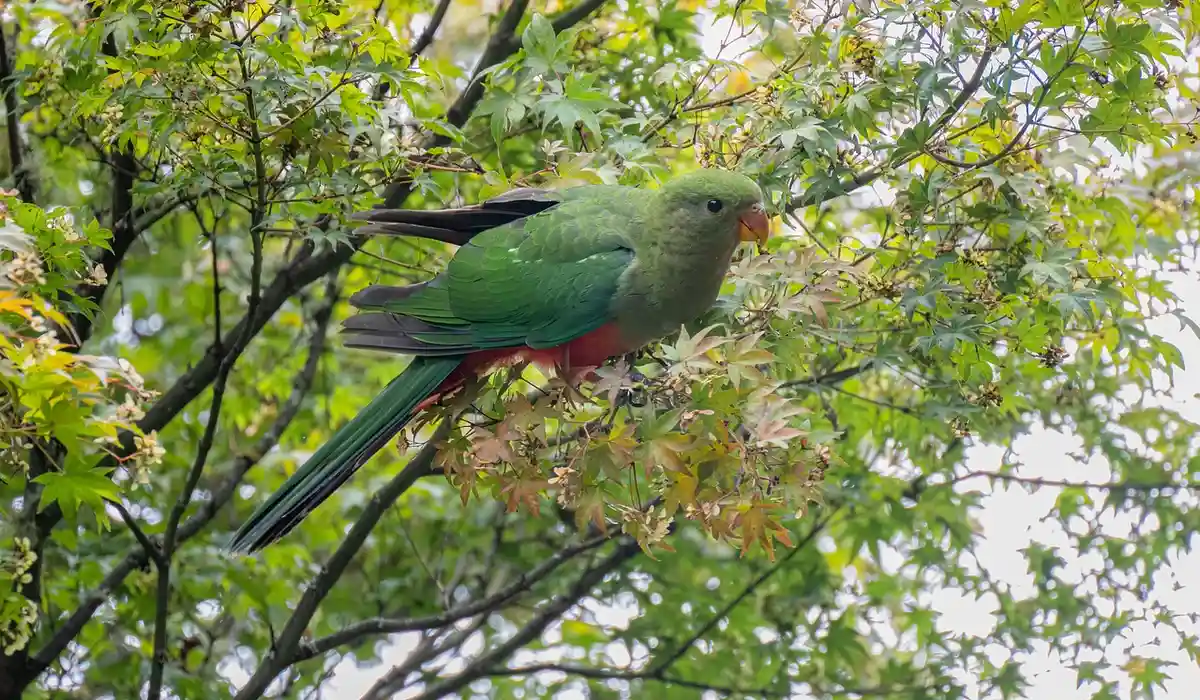
Your parrot’s home should be their ultimate safe zone, a place where they feel completely secure. I’ve seen my own birds, like Kiwi, truly blossom once their environment was tailored to their comfort. This is the foundation for all other progress. In this complete design guide, we’ll walk you through building a parrot-safe bird room from floor to ceiling. You’ll learn about layout, materials, and safety to create a thriving space.
Environment Modification for Safety
Think of your bird’s cage as their personal fortress. Place it in a quiet corner of a well-used room, not a hallway or a loud kitchen. This gives them a sense of being part of the flock without being in the direct line of traffic. Ensure the cage has a solid back or is placed against a wall for security. Perch safety is non-negotiable; offer a variety of natural wood perches of different diameters to keep their feet healthy and give them options for height and vantage points. For maximum enrichment, equip the cage with a variety of safe toys, foraging options, and puzzle feeders, and rotate them regularly. This helps keep your parrot mentally sharp and physically active.
Sensory Enrichment and Toy Interaction
Enrichment is more than just toys; it’s about engaging their clever minds. Start simple.
- Sensory Play: Introduce a shallow dish with bird-safe leaves or crinkly paper for them to explore with their beak and feet.
- Foraging Fun: Hide a few pieces of their daily pellet ration inside a crumpled paper ball or a simple foraging tray. This builds problem-solving skills.
- Toy Rotation: Don’t clutter the cage. I rotate Sage’s toys every few days to keep things fresh and interesting without being overwhelming.
Watch their body language closely; a puffed-up, still bird might be scared, while one leaning in with pinning eyes is curious and engaged.
Routine and Safe Stimuli
Parrots thrive on predictability. A consistent daily routine for feeding, light-out time, and interaction reduces their stress significantly. Using the same routine as a training framework can help address behavioral issues by reinforcing calm and desirable behaviors. Consistency in cues and rewards makes this approach more effective.
- Keep their cage cover routine the same every night.
- Offer meals at roughly the same times.
- Introduce new sounds, like soft music or the radio, at a very low volume to gently acclimate them.
A predictable world is a less scary world for a nervous bird, allowing their true personality to slowly emerge.
Training Techniques for Shy and Traumatized Parrots
Training builds trust. It’s a conversation where your parrot learns their actions have positive consequences. With my sun conure, Sunny, this method transformed her from a nervous nibbler into a confident participant.
Positive Reinforcement and Clicker Training
Forget about punishment; it only destroys trust. Positive reinforcement means rewarding the behaviors you want to see. A clicker is a fantastic tool that makes a distinct “click” sound the very instant your bird does something right. The click marks the exact behavior, followed immediately by a high-value treat, creating a clear line of communication. This tells them, “Yes! That is what I wanted you to do!”
Target Training Steps for Confidence
Target training is the perfect starting point. It’s simple and gives your bird a lot of control. You will need a small stick (a chopstick works great) and your bird’s favorite treats.
- Present the Target: Hold the stick near your bird, not pointing at them. The moment they show any curiosity-a look, a lean, a nibble-click and give a treat.
- Shape the Behavior: Wait for them to actually touch the end of the stick with their beak. Click and treat! Repeat this many times in short, 5-minute sessions.
- Add Movement: Once they reliably touch the stick, move it a few inches to the side. When they follow and touch it, click and treat!
This game teaches them they can make good things happen, which is incredibly empowering for a shy or traumatized parrot.
Gentle Reinforcement Schedules
When you’re just starting, you reward every single success. This is called a continuous reinforcement schedule. It builds the behavior quickly. Once your bird is reliably performing the behavior, you can switch to a variable schedule-rewarding every second or third success. The key is to always keep sessions short, positive, and to end on a high note with a big reward. If you see signs of stress, stop immediately and just sit near them, talking softly. The goal is always to build trust, not to force a result.
Handling Setbacks and Fear Responses
-
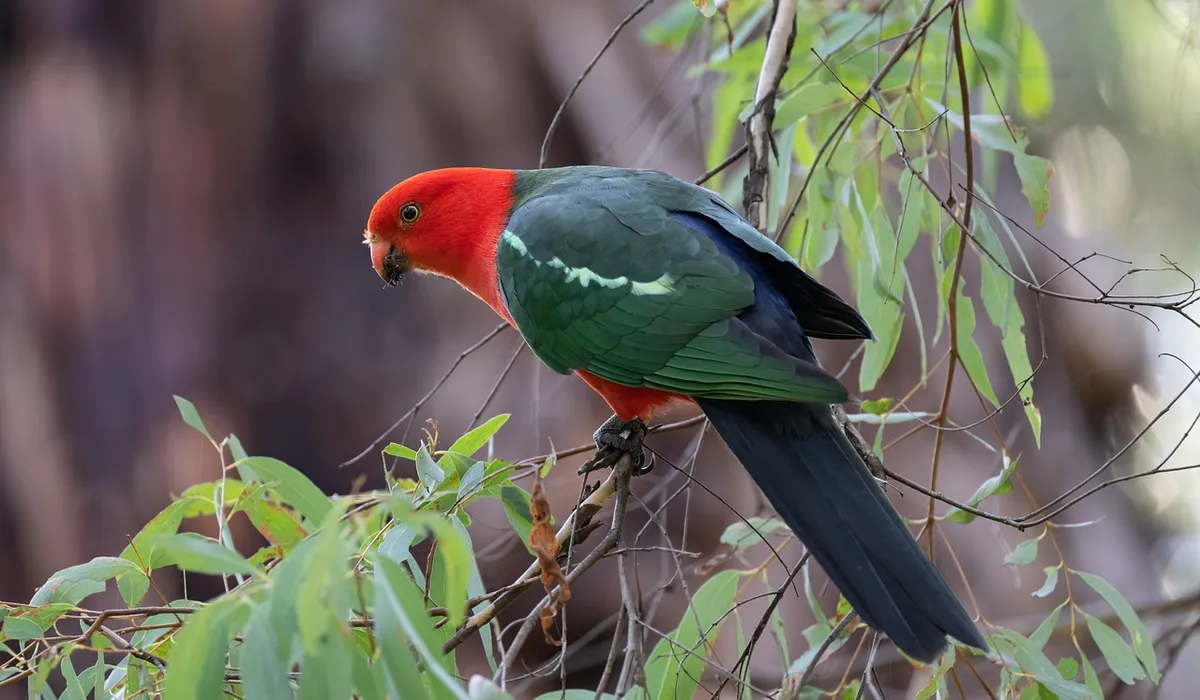
When your parrot shows fear, like Kiwi did with a sudden noise, stay calm and avoid forcing interactions. Backing off gently and offering a favorite treat reassures them without pushing them into regression. I’ve found that speaking in a soft voice and moving slowly helps my parrots feel safe again. These tips work for a calm, scared, stressed parrot alike. Patience and gentle presence help rebuild trust over time.
-
Common mistakes that slow confidence-building include:
- Rushing steps instead of letting your parrot set the pace-I learned this when Sunny needed extra time to trust new perches.
- Inconsistent routines, which confuse birds and erode trust over days or weeks.
- Reacting to fear with frustration, as it can make parrots like Sage shut down and avoid future attempts.
Avoiding these errors keeps progress steady and respects your parrot’s emotional limits.
-
Desensitization works by introducing fears in tiny, manageable steps. Start with low-intensity exposures, like placing a scary object across the room, and reward calm behavior with treats or praise. With Sage, I gradually brought a new mirror closer over days, and now she investigates it without panic.
Socializing and Measuring Progress
-
To introduce new people, begin with one quiet person offering high-value treats from a distance. Short, positive sessions build trust without overwhelming your parrot, just like how I helped Sunny warm up to guests by keeping visits under five minutes. This is part of managing visitors: teach guests how to interact safely with your parrot. Have guests approach calmly and respect the bird’s pace. Encourage visitors to avoid direct eye contact and let the bird initiate contact.
-
Celebrate milestones with small rewards, such as extra playtime or a special snack. Noting when Kiwi first stepped onto my hand without hesitation made me cheer-it’s those little wins that show real growth. Acknowledging progress boosts your parrot’s morale and strengthens your bond.
-
Track progress in a simple journal, jotting down behaviors like increased vocalization or relaxed body language. Patience is key; progress isn’t always linear, and setbacks are normal parts of the journey. I review notes weekly to spot patterns and adjust my approach, ensuring I don’t lose hope during slow phases.
FAQs
How does vocalization affect a parrot’s confidence?
Vocalizations reflect a parrot’s emotional state; confident birds often produce soft, contented sounds like chirps or murmurs. Encouraging these positive vocalizations through calm interactions can reinforce their sense of security and boost overall confidence.
How long does confidence-building typically take in parrots?
The duration varies based on the bird’s history and personality, ranging from a few weeks to many months for significant progress. Consistency in your approach and patience are essential, as rushing can cause setbacks and prolong the process.
How to tell if progress is due to confidence building vs other factors?
Look for sustained behavioral changes, such as increased curiosity or relaxed body language during interactions, rather than one-off reactions. Keeping a journal to track patterns over time helps confirm that improvements stem from your efforts and not external variables.
What safety precautions are needed when introducing new stimuli to a timid parrot?
Start by placing new items at a distance and gradually bring them closer only if the parrot remains calm and shows no signs of fear. Always supervise introductions and be ready to remove the stimulus immediately if the bird exhibits stress, like pinned eyes or fleeing. This slow, controlled exposure helps create a safe, stimulating indoor flight environment for your parrot. Observe responses and adjust the setup to encourage confident, gentle flying.
What role does hand-taming play in confidence building?
Hand-taming establishes trust by associating your hands with rewards and gentle care, making the parrot feel safer during close interactions. This foundational step encourages bolder behaviors and reduces anxiety, paving the way for broader confidence growth.
Your Parrot’s Bright Future
From my years with Kiwi, Sunny, and Sage, I’ve found that patience and positive reinforcement are your best tools for helping shy or traumatized parrots. Building trust through consistent, gentle interactions allows their unique personalities to shine without pressure. These bonding techniques that work include short, regular sessions, predictable routines, and generous praise. Let your parrot set the pace and observe their comfort as trust grows. Watch their body language closely and celebrate small victories to foster a bond that grows stronger every day.
Caring for a parrot is a lifelong journey of learning and adaptation that directly impacts their well-being. I urge you to stay curious and informed about parrot care, as your commitment shapes their quality of life and happiness. Every step you take in understanding their needs makes you a better guardian for your feathered friend.
Further Reading & Sources
- Alexandrine Parakeet Update – Confidence Building and Bonding Games
- The More You Socialize Your Bird, The More Confidence It Will Have
- Instilling Confidence In Your Bird
Suzanne Levine is a dedicated parrot enthusiast and experienced avian caregiver with over 15 years of hands-on experience in parrot care. As the founder of Parrot Care Central, Suzanne is passionate about sharing her knowledge and insights to help fellow parrot owners provide the best possible care for their feathered friends. Her expertise spans nutrition, behavior, health, and enrichment, making her a trusted resource in the parrot care community.
Rehabilitation