
How to Rebuild Trust with Your Parrot After a Negative Incident
Published on: February 9, 2026 | Last Updated: February 9, 2026
Written By: Suzanne Levine
Has your parrot shied away after a scary moment, leaving you anxious that your bond is broken? I felt that heartache when my Green-cheeked Conure, Kiwi, got spooked by a loud noise and wouldn’t come near me for days.
Drawing from my years caring for parrots like Sunny and Sage, I’ll guide you through proven steps to restore that precious connection.
- Learn to read your parrot’s subtle body language cues to prevent more stress
- Use positive reinforcement with favorite treats to create happy moments again
- Practice unwavering patience, giving your feathered friend the space they need
You’ll get clear, actionable advice tailored to your parrot’s unique personality. We explore assessing the damage, setting up a safe environment, gradual reintroduction techniques, effective treat strategies, and tracking recovery signs to ensure your parrot feels secure and loved.
Decoding Your Parrot’s Fear Signals and Body Language
Your parrot can’t tell you in words when they’re scared, but their body speaks volumes if you know what to look for. I’ve spent years observing my parrots, like Kiwi and Sage, and recognizing these subtle cues has saved us from many stressful moments. When a parrot feels threatened, their posture and sounds change instantly-it’s your job to decode that language to rebuild trust gently.
Watch for fluffed feathers, which often mean your bird is trying to look bigger to scare off a perceived threat. Kiwi, my Green-cheeked Conure, puffs up when she hears sudden noises, a clear sign she’s on high alert. Pinned eyes, where the pupils rapidly contract and expand, indicate high arousal or fear-this is common in conures like Sunny when something unfamiliar enters the room.

- Fluffed feathers: A defensive posture to appear larger.
- Pinned eyes: Rapid pupil changes showing stress or excitement.
- Crouching low: Ready to flee or hide from danger.
- Loud squawking or hissing: Vocal warnings to back off.
- Feathers tight to the body: Indicates tension and readiness to react.
Another key signal is crouching or trying to make themselves small, which I’ve seen in Sage, my African Grey, when she’s unsure about a new object. Understanding these signals helps you respond with empathy, preventing further fear and showing your parrot you respect their boundaries. These cues also tie into recognizing signs of pain in parrots—subtle body language can reveal discomfort before it shows in behavior. A quick guide to these pain cues helps you respond promptly and keep your bird safe. It’s not just about spotting the signs—it’s about acting on them to create a safer environment.
First Response: Quick Actions to Calm Your Parrot Post-Incident
When a negative incident happens, like a loud crash startling your parrot, your immediate reaction sets the tone for rebuilding trust. From my experience with Sunny after a scare, I’ve learned that quick, calm actions can turn a fearful moment into a bonding opportunity. The goal is to reduce stress without forcing interaction, letting your parrot feel in control again.
- Step back and give space: Move away slowly to show you’re not a threat.
- Speak in a soft, reassuring voice: Use calm tones to soothe their nerves.
- Offer a high-value treat: Place a favorite food nearby to encourage positive association.
- Dim the lights or reduce noise: Create a peaceful environment to help them relax.
- Observe from a distance: Wait for them to show curiosity or calmness before approaching.
I remember once when Kiwi got spooked by a falling object; I immediately stepped back and talked to her softly, which kept her from panicking further. Rushing in can make things worse, so patience here is your best tool for animal welfare. Always prioritize their comfort over your desire to comfort them-this builds trust faster than any quick fix.
Using treats as a peace offering works wonders, but only if your parrot is ready. Sunny often perks up when I offer a bit of fruit after a scare, turning fear into a positive memory. Keep these steps simple and consistent, and you’ll see your parrot’s confidence grow with each gentle response.
Building Back Trust with Patience and Steady Routine
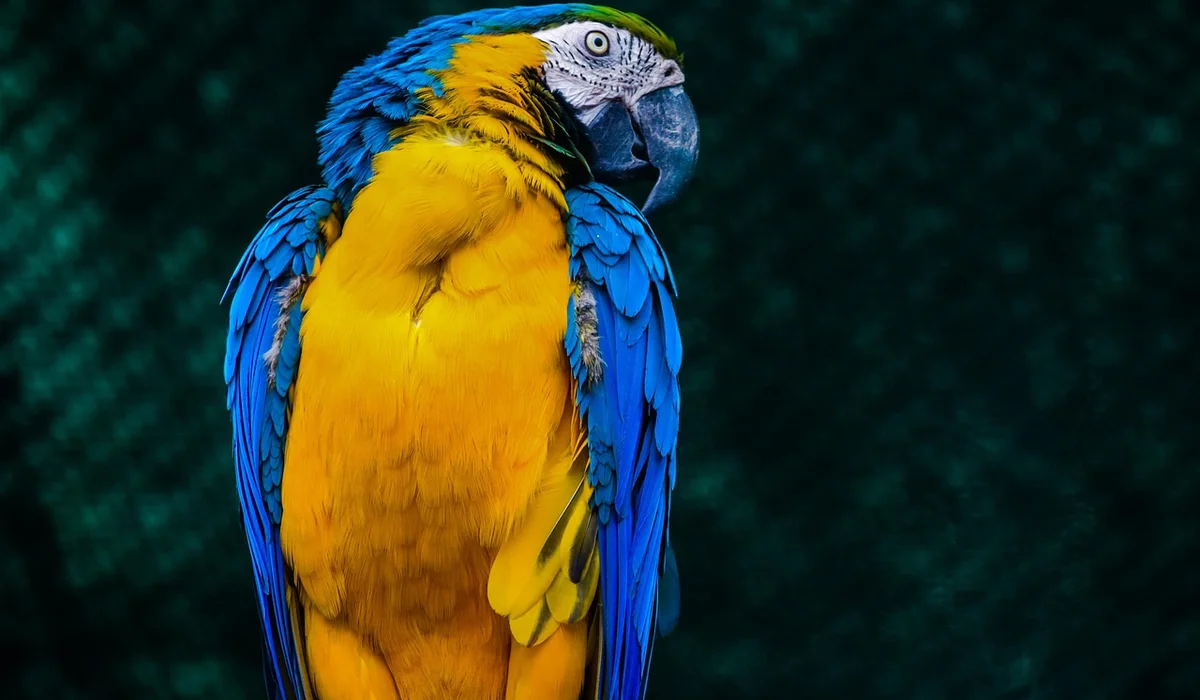
Parrots are incredibly perceptive creatures that thrive on predictability. After a scary event, the single most healing thing you can provide is a rock-solid daily routine. My Green-cheeked Conure, Kiwi, once got spooked by a sudden loud noise and wouldn’t come near me for days. I didn’t force it. Instead, I made sure his breakfast came at 7 AM sharp, his cage was cleaned by 10 AM, and I’d sit near his cage reading aloud every evening at 6 PM. This consistency told him the world was safe again, and his playful curiosity slowly returned.
Your presence should be calm and non-threatening during this phase.
- Spend quiet time in the same room without directly interacting.
- Move slowly and deliberately, avoiding sudden gestures.
- Speak in a soft, reassuring tone throughout the day.
- Announce your actions before you do them, like saying “I’m going to refill your water now.”
Patience isn’t a strategy; it’s the entire foundation for rebuilding a broken bond. Rushing this process will only confirm their fears. Let the parrot set the pace for re-engagement, even if it feels frustratingly slow.
Positive Reinforcement: Rewards and Training to Mend Bonds
Once your parrot seems calm in your presence, you can start actively rebuilding your connection through positive reinforcement. This method focuses entirely on rewarding the behaviors you want to see, creating a positive association with you. I never punish my Sun Conure, Sunny, for being fearful. Instead, I celebrate every tiny step of courage with a high-value treat he adores. Recognizing obsessive-compulsive-like behaviors—such as repeated pacing or ritualistic actions—helps you catch stress early. When you respond with calm, consistent training, your parrot’s patterns can guide you toward healthier routines.
Start with simple, non-intrusive interactions that build confidence.
- Treat Association: Offer a favorite treat through the cage bars without expecting anything in return.
- Target Training: Use a chopstick or pen for them to touch with their beak, rewarding each successful touch. This builds communication.
- Step-Up Practice: Once comfortable, present your hand or a perch and reward instantly for any movement towards it.
- Choice-Based Interactions: Let them decide when to engage. If they turn away, respect that and try again later.
The goal is to make you the source of all wonderful things, transforming fear into eager anticipation. Keep training sessions incredibly short-just two to five minutes-to end on a high note before their attention wanes. This builds a history of positive outcomes, slowly overwriting the memory of the negative incident.
Crafting a Safe Haven: Environment and Enrichment for Healing
Your parrot’s cage is their castle, their sanctuary. After a scary event, making their home feel like a true safe haven is your number one priority. I learned this firsthand with my Green-cheeked Conure, Kiwi. A loud construction noise outside our window once sent her into a panic, and for days, she was jumpy even in her cage. I had to rebuild that sense of security from the ground up. That process also means parrot-proofing the room—removing hazards and creating a safe flight zone so your bird can stretch its wings without fear. Essential steps include securing windows, tucking away cords, and providing sturdy perches, so the room supports safe, confident flight.
Optimize the Cage Setup for Security
Think about where your parrot feels most exposed. Place the cage in a corner, with at least two sides against walls. This gives them a protected back and reduces the “angles” from which they might feel approached. Ensure the cage is at your chest level or higher; being looked down upon can feel threatening to a prey animal. These setup tips are part of stress-free techniques to get your parrot back into its cage. Pair them with calm handling and gradual exposure to the cage to ease the transition.
- Position the cage in a low-traffic but socially connected part of the room.
- Provide multiple perches at different heights, including one up high and tucked away.
- Ensure food and water dishes are easily accessible without your parrot feeling cornered.
Provide Mental Distractions and Foraging Fun
A busy beak is a happy beak, and it’s also a mind not dwelling on fear. Enrichment is not a luxury; it’s a critical tool for emotional recovery. I rotate foraging toys for my flock every few days. Watching Sage, my African Grey, meticulously solve a puzzle for a nut is a beautiful sign of a engaged and confident bird.
- Start with simple shreddable toys made of untreated wood or paper.
- Introduce foraging boxes where they have to move items to find treats.
- Hide favorite foods in different spots around the cage to encourage natural hunting behaviors.
Slow and Steady: Reintroducing Handling and Socialization
Rushing physical contact is the fastest way to undo all your progress. Patience isn’t just a virtue here; it’s the entire strategy. You must become the bringer of all good things, not the source of pressure. With my Sun Conure, Sunny, I had to completely reset our interactions after an accidental scare.
Master the Art of Proximity Without Pressure
Sit near the cage and engage in calm activities like reading or talking softly. The goal is to make your presence predictable, boring, and completely non-threatening. Let the parrot observe you and decide when they are ready for more. I spent many afternoons just sitting by Sunny’s cage, letting her watch me, until her body language softened from rigid to relaxed. Also, when guests visit, guide them to follow the same calm approach and to interact with the parrot only when invited. Remind everyone to keep voices soft and movements slow, and to avoid touching the cage.
- Read a book aloud in a calm, monotone voice.
- Avoid direct eye contact, which can be perceived as a stare-down.
- Offer high-value treats through the cage bars without expecting anything in return.
The Step-Up Reintroduction Protocol
When your parrot is consistently calm with you nearby, you can begin to reintroduce the step-up command. This must be entirely on their terms.
- Present your hand or a handheld perch a few inches away, without touching them. Offer a treat for any calm behavior.
- If they lean away or show fear, immediately withdraw your hand. You are teaching them that they have control.
- Only when they voluntarily steps onto your hand or the perch without hesitation do you proceed. Keep the first sessions incredibly short-just a few seconds.
Every parrot has their own unique timeline for forgiveness and rebuilding trust. My three birds all recovered at different paces. Kiwi was back to her playful self in a week, while Sage, being more contemplative, took nearly a month to fully relax again. Watch your parrot, listen to what their body is telling you, and let them lead the way back to your friendship.
Knowing When to Call in Expert Help for Trust Issues
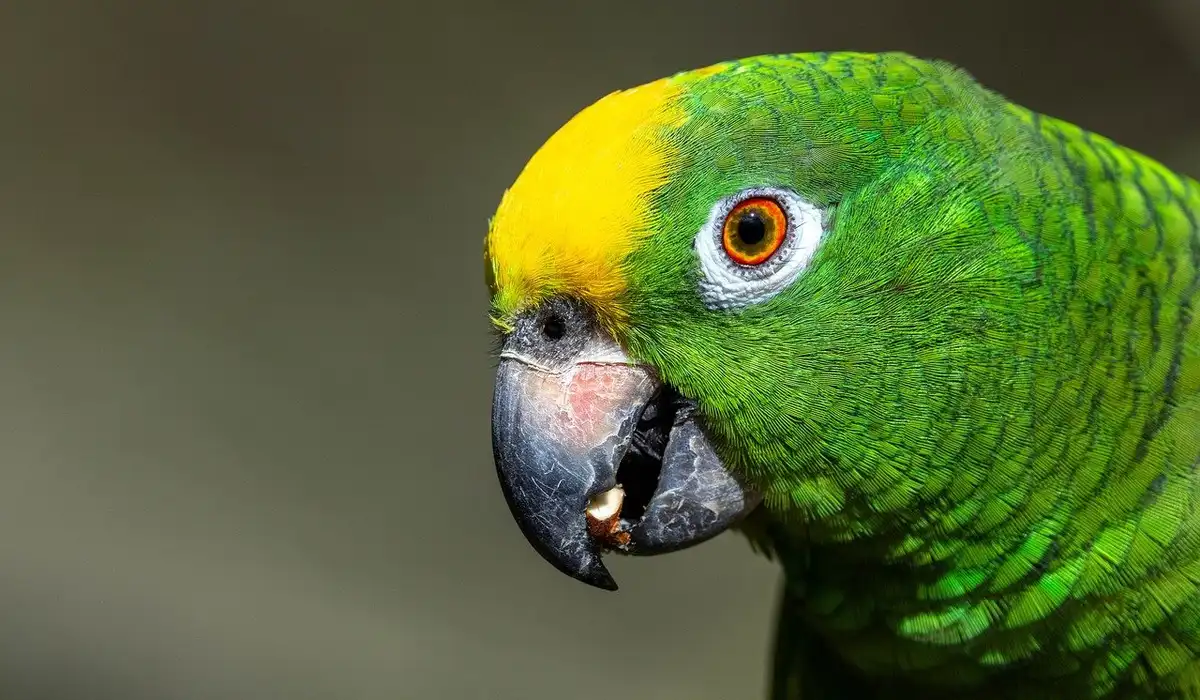
Sometimes, despite our best efforts, a parrot’s fear or aggression runs deeper than we can handle alone. Recognizing when you’re out of your depth is a sign of a responsible and caring parrot owner. My green-cheeked conure, Kiwi, once developed a severe fear of hands after a guest tried to grab him. For weeks, my progress was zero, and that’s when I knew I needed a professional.
Watch for these specific signs that it’s time to seek help:
- Your parrot shows consistent, unprovoked aggression, like lunging or biting whenever you’re near the cage.
- They engage in self-destructive behaviors, such as constant screaming or feather plucking, linked to the incident.
- You feel a genuine sense of fear or anxiety during your interactions, which your parrot will sense and mirror.
- Weeks have passed with zero progress, or the situation is actively getting worse despite your consistent, gentle approach.
A certified avian behavior consultant or an experienced avian veterinarian can offer a fresh perspective. They can identify subtle triggers you might have missed and create a tailored, step-by-step rehabilitation plan. Asking for help isn’t a failure; it’s the ultimate act of love for your feathered friend.
Nurturing Lasting Trust: Long-Term Bonding and Love
Rebuilding trust after a scare is just the beginning. The real magic happens in the months and years that follow, turning a fragile truce into an unshakable bond. True trust with a parrot is built in the quiet, everyday moments, not just the grand gestures. My sun conure, Sunny, now follows me from room to room, not because of any single training session, but because of thousands of small, positive interactions. These are the bonding techniques that work to build trust: consistent routines and patient, positive reinforcement. The payoff is a parrot that chooses closer connections on its own.
Make these habits part of your daily routine to cement that bond for life:
- Prioritize Predictability: Parrots thrive on routine. Feed them, let them out, and cover their cage at roughly the same times every single day. This creates a world they can trust.
- Become a Source of Good Things: Regularly offer their favorite healthy treats by hand, sing or talk to them softly, and provide new, safe foraging toys. You want them to see you and think “fun!” and “food!”
- Respect Their “No”: If your parrot turns away, moves to another perch, or gently nudges your hand, listen. Forcing an interaction, even a cuddle, destroys trust. My African Grey, Sage, will sometimes just want to sit near me, and I honor that.
- Learn Their Unique Language: Pay close attention to their body language-fluffed feathers, pinned eyes, relaxed posture. Understanding what they’re “saying” prevents future misunderstandings and shows you respect them.
This journey requires immense patience. View every day as a new opportunity to show your parrot, through calm and consistent action, that your home is a sanctuary and you are their safest companion. The reward—a confident, happy parrot who chooses to be with you—is worth every moment of effort. In positive reinforcement training parrots, you reward desired behaviors with treats, praise, and attention. Keep sessions short and end on a positive note to reinforce trust and motivation.
FAQs
How long does it usually take for a parrot to recover from a negative incident?
Recovery time varies based on the parrot’s personality and the incident’s severity, often taking weeks to months. Consistent patience and a steady routine help avoid setbacks and build confidence over time.
What should I do if my parrot refuses to eat treats during trust-building?
Try offering different high-value foods or wait until your parrot is calmer before attempting again. Forcing treats can increase fear, so focus on maintaining a peaceful environment to encourage natural curiosity. Incorporate short, daily training sessions as part of a routine to address behavioral issues. This routine training helps your parrot learn calm, expected responses.
Is it helpful to involve other family members in rebuilding trust with my parrot?
Yes, but ensure everyone follows the same gentle, non-threatening approach to prevent confusion. Consistency in interactions from all household members reinforces a secure and predictable atmosphere for your parrot. Understanding parrot flock dynamics in a human household helps you read the bird’s social cues and maintain harmony as a unified flock.
In Closing
Rebuilding trust with your parrot hinges on patience and consistent positive reinforcement—give them space, use their favorite treats, and read their body language cues to avoid further stress. From my time with Kiwi, I’ve seen how small, gentle interactions daily can slowly mend a shaken bond and restore their curiosity. That same approach translates well when you train a tame Quaker parrot. With short, regular sessions and positive reinforcement, a Quaker can learn simple cues like “step up” and “come here” while staying curious and calm.
Responsible parrot ownership means committing to lifelong learning about their unique needs and advocating for their welfare through informed care. Stay curious and open to new insights; your dedication will deepen the trust and joy you share with your feathered friend.
Further Reading & Sources
- Rebuilding Broken Bonds of Trust With Your Parrot
- How To Regain A Parrot’s Trust
- How to Make Parrots Trust You: A Breeder’s Evidence-Based Approach – parrot234
Suzanne Levine is a dedicated parrot enthusiast and experienced avian caregiver with over 15 years of hands-on experience in parrot care. As the founder of Parrot Care Central, Suzanne is passionate about sharing her knowledge and insights to help fellow parrot owners provide the best possible care for their feathered friends. Her expertise spans nutrition, behavior, health, and enrichment, making her a trusted resource in the parrot care community.
Rehabilitation