
When is Parrot Mating and Breeding Season? Your Friendly, Fact-Filled Guide
Published on: March 10, 2026 | Last Updated: March 10, 2026
Written By: Suzanne Levine
If your parrot suddenly starts screaming, shredding paper, or getting extra cuddly, you might be facing breeding season-and it’s normal to feel a mix of curiosity and concern. I’ve been there with my own flock, from Kiwi’s playful antics to Sunny’s loud calls, and I’m here to help you navigate this natural cycle.
Based on my years living with parrots and advocating for their welfare, I’ll break down the when, why, and how so you can support your feathered friend. Here are three core things you’ll learn:
- Mating season isn’t one-size-fits-all; it dances to the rhythm of light, food, and your parrot’s unique history.
- Recognizing the signs early lets you respond with care, preventing stress for both you and your bird.
- Simple changes in your home can make this season safer and healthier, putting animal welfare first.
You’ll walk away with clear, actionable steps. We’re covering: species-specific timing, behavioral and physical cues, environmental triggers, and responsible owner strategies.
The Spark That Starts It All: What Triggers Parrot Breeding Season?
In the wild, it’s not a calendar date that tells a parrot it’s time to nest. The biggest signal is the slow, steady increase in daylight hours, a phenomenon called photoperiod. As the days grow longer, their little bird brains receive a clear message: spring is here, resources will be plentiful, and it’s time to start a family.
But nature loves a backup plan. Secondary triggers work together with light. An abundance of fresh food, like ripening fruits and seeding grasses, provides the extra energy needed for egg-laying and chick-rearing. In some regions, the start of the rainy season signals a boom in plant growth. Even a slight, consistent rise in temperature can act as a final nudge.
Here’s where our cozy homes create a puzzle. My house is a constant, mild spring for my birds-steady temperatures, full food bowls year-round, and artificial lights that blur the line between day and night. This can completely confuse their natural rhythms. My Green-cheek, Kiwi, might get hormonal cues from a sunny window in February, even though his wild cousins in South America wouldn’t be breeding for months.
All these external cues—light, food, warmth—cascade into a powerful internal change. The parrot’s body responds by ramping up hormone production, primarily estrogen and testosterone, which drive nesting behavior, mating, and egg development. It’s a beautiful, complex system that works perfectly in the wild but can get thrown into overdrive in our living rooms. The hormonal season parrots survival guide helps with this. It offers practical steps to anticipate and respond to nesting and mood changes.
It’s Not One Date: How Breeding Season Varies by Parrot Species and Origin
Seasonal Timing Around the Globe
Parrots live on nearly every continent with warm climates, and their breeding schedules are perfectly synced to their local environments. A parrot’s ancestral home is the single biggest clue to when its biological clock is set to tick. Birds from the Southern Hemisphere, like many Australian species, will breed during what is winter in the Northern Hemisphere.
This table shows how native region guides the natural cycle:
| Species | Native Region | Typical Wild Breeding Season |
|---|---|---|
| Sun Conure (like my Sunny) | Northeastern South America | February to June |
| African Grey Parrot (like Sage) | Central & West Africa | Dry season, roughly July to January |
| Budgerigar | Australia | After rainfall, often August to January |
| Blue-and-yellow Macaw | South America | November to March |
The crucial takeaway for us parrot guardians is that a “breeding season” for a pet bird is often dictated by the environment we create, not by its ancestral calendar. A lamp left on too long or a constant supply of fatty foods can mimic ideal breeding conditions any day of the year.
Common Pet Parrot Patterns
While their wild cousins have strict seasons, our companion parrots often follow looser, more frequent patterns influenced by captive life. With steady care, many pet parrots live much longer than their wild cousins. Lifespans vary by species, but captivity often means decades of life while wild parrots face more hazards.
- Budgies and Cockatiels: These prolific breeders can cycle multiple times a year if they feel they have a safe nest site and plentiful resources. Many owners see increased activity in spring and early summer.
- Lovebirds: Known for their strong pair bonds and breeding drive, they often don’t need much encouragement. I’ve known lovebird pairs to attempt nesting every few months.
- Medium & Large Parrots (Conures, Amazons, Greys): They tend to have a more pronounced “seasonal” peak, often aligning with longer days in spring. However, a major stressor or a big change in routine can trigger hormonal behavior unexpectedly.
In captivity, the line is blurry-many species are physically capable of breeding multiple times a year if we inadvertently provide the triggers. This is why managing their environment is so key to their long-term health. We have to be the ones to simulate a gentle “off-season” for their well-being.
Is Your Parrot “In the Mood”? Spotting the Signs of Breeding Season
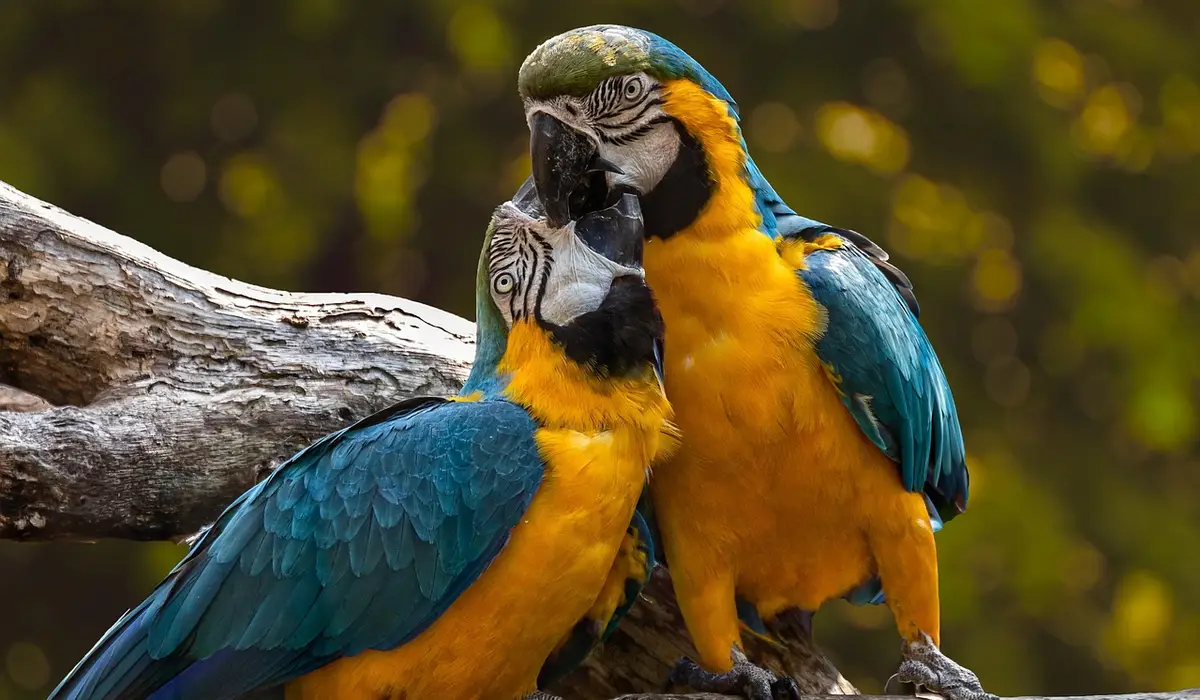
Your parrot’s behavior and body give clear signals when breeding season rolls around. Learning to read these signs helps you provide the right care and avoid surprises. These same cues can help you tell if your parrot is happy, and there are 10 key signs to watch for. I’ll outline them so you can spot mood at a glance. I’ve seen this firsthand with my flock, from Kiwi’s playful shredding to Sunny’s sudden bursts of song.
Behavioral Clues and Courtship Rituals
Parrots have a whole repertoire of love-struck actions. Watch for a spike in noise, food sharing, and a sudden interest in cozy corners. Here’s what to look for when trying to understand parrot emotions – like laughter, anger, or affection.
-
Increased Vocalizations: Your quiet bird might become a chatterbox. My Sun Conure, Sunny, belts out loud, repetitive calls when he’s feeling frisky. It’s his way of saying, “I’m here and ready!”
-
Regurgitation and Courtship Feeding: This is a big one. A parrot may bob its head and bring up food to offer you, a toy, or its mate. It’s a sign of affection, but don’t encourage it with you—redirect that energy to appropriate pair bonding. Sometimes regurgitation can signal health or stress issues if it happens frequently or outside of bonding. For more information on this behavior, including the distinction between affection and potential health issues, check out Regurgitation and Courtship Feeding. If you notice other symptoms like weight loss or lethargy, consult a vet.
-
Nesting Behaviors: Shredding everything in sight is a classic. Kiwi, my Green-cheek, will demolish paper towels to make a pretend nest. They might also tuck themselves into dark spaces, like behind furniture or in a closet.
Pair bonding gets more intense. You’ll see mutual preening, where birds gently nibble each other’s head and neck feathers. They might sit pressed together for hours. Sometimes, this season brings out grumpiness. A normally sweet bird can get territorial over its cage, toys, or favorite person. Sage, my African Grey, becomes very protective of her space during this time.
Physical Changes and Reproductive Health
While behavior shouts, physical changes whisper important details. Females, especially, show subtle bodily shifts that need your attention. Always put your bird’s health first.
-
Enlarged Vent and Weight Changes: The vent area under the tail may look puffy or larger. A hen might gain weight before laying eggs. I monitor my birds’ weight weekly with a small gram scale to catch any sudden changes.
-
Different Droppings: Egg-laying females often have bigger, smellier droppings. If you see straining or a change in droppings paired with lethargy, it’s a vet emergency-egg binding is serious.
Never skip a vet check before you even think about breeding. An avian vet can assess if your bird is physically fit, check for deficiencies, and discuss genetic health. Responsible breeding is about animal welfare, not just making babies.
Clutch size varies wildly. A lovebird might lay 4-6 eggs, while a larger macaw may only have 2-3. Research your specific species so you know what’s normal and can spot problems early.
Supporting a Breeding Pair: From Nest Selection to Fledging Chicks
If you have a bonded pair and are prepared for the commitment, your role shifts to supportive stagehand. Creating a safe, nutritious, and peaceful environment is your top job now. From my experience, getting the setup right prevents most common issues.
Setting the Stage for Success
Think like a parrot real estate agent and nutritionist combined. Security and diet are the foundations for healthy chicks.
-
Nest Box Selection: Choose a box made of untreated wood, sized for your species. It should have a secure lid for checking and a concave bottom to keep eggs from rolling. Place it high in the cage in a quiet, dim area to mimic a safe tree hollow. Parrots in the wild choose hollow trees that fit their nesting needs. A well-placed nest box supports that natural choice and nesting behavior.
-
Safe Nesting Materials: Provide untreated pine shavings, shredded paper, or coconut fiber. Avoid cotton or fabric that can tangle tiny feet. My parrots love to arrange the materials themselves, so I just offer a pile and let them work.
-
Dietary Upgrades: Egg laying drains a hen’s calcium reserves. Offer cuttlebone, mineral blocks, and calcium-rich veggies like kale and broccoli. Boost protein with cooked eggs, legumes, and more pellets. This isn’t optional-it’s critical for strong eggshells and chick growth.
Once the pair settles in, minimize disturbances. Keep noise levels down, avoid sudden movements near the cage, and stick to a routine. A stressed pair may abandon eggs or hurt chicks. I use a calm, quiet voice when I’m near their space during this sensitive time.
The Breeding Cycle: Egg Laying, Incubation, and Brooding
Nature takes over, but your watchful eye keeps things on track. Patience is your best tool during the weeks of waiting and growth.
The timeline depends on species. For my conures, eggs are laid every other day until the clutch is complete. Incubation starts after the first or second egg and lasts about 24 days. African Greys like Sage incubate for closer to 30 days. Mark your calendar from the first egg to know when to expect hatching.
In a good pair, both parents share duties. The female often handles night incubation while the male stands guard and brings food. After hatching, the hen broods the naked chicks to keep them warm while both parents regurgitate food.
Checking on progress requires a light touch. Wait until the parents are out to eat, then quickly peek into the nest box. Do this no more than once a week for eggs, and maybe twice a week for chicks after the first week. Use a small flashlight to count eggs or see if chicks are feeding. If a parent seems overly distressed, back off immediately. Your goal is to ensure health without interrupting their natural rhythm.
When You Don’t Want Chicks: Managing Hormones in Your Pet Parrot
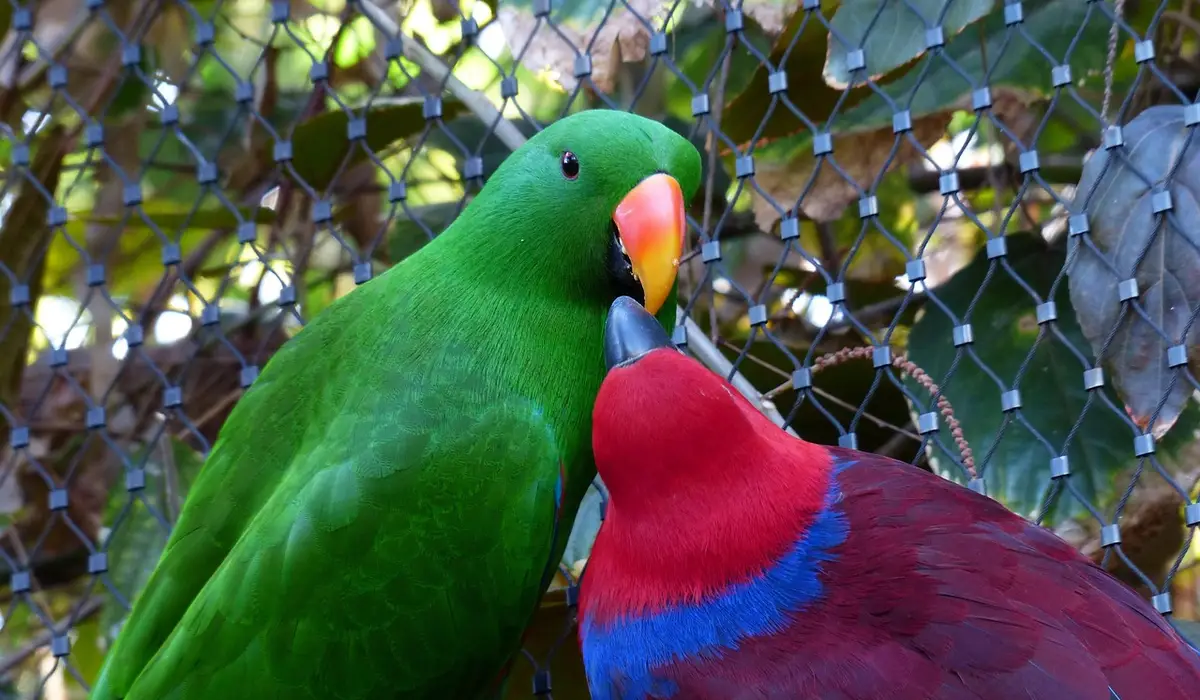
For many of us, our parrots are beloved solo companions, not breeders. A constantly hormonal bird isn’t just noisy or messy—they can become frustrated, aggressive, and even develop health issues like chronic egg-laying. Proactively managing their environment is one of the kindest things you can do for a pet parrot’s mental and physical well-being. Routine training can complement environmental management by giving your parrot predictable routines. With consistent positive reinforcement, many behavioral issues can be reduced.
Your Action Plan to Calm Hormonal Behavior
Think of your parrot’s hormones like a recipe. You need to remove the key ingredients that signal, “It’s time to start a family!” Here’s your step-by-step guide, straight from my life with Kiwi, Sunny, and Sage.
- Control the Daylight. In the wild, longer days trigger breeding. I use blackout curtains to ensure my flock gets no more than 10-12 hours of light and quiet sleep. This simple change is incredibly powerful.
- Eliminate “Nesting Sites.” Any dark, cozy space can look like a perfect nest box to a hormonal parrot. I removed fabric huts, covered cage corners, and even stopped letting them play inside cardboard boxes during this time.
- Adjust the Diet. I swap out rich, fatty “sexy foods” like seeds and nuts. Instead, I focus on fresh veggies and a measured amount of pellets. It’s not about less food, but about less calorie-dense food.
- Touch with Care. Petting a bird on the back, wings, or under the tail feathers is mating behavior. I stick to scritches on the head and neck only-areas a parrot can’t preen themselves.
- Redirect that Energy. A busy parrot is a happier parrot. I ramp up training sessions for simple tricks and introduce new, challenging foraging toys to engage their brain and burn off that restless energy.
Why This Matters Beyond Behavior
This isn’t just about stopping annoying squawks or bites. For a female parrot, chronic egg-laying can lead to life-threatening calcium depletion and egg binding. Creating a non-breeding environment is a direct act of preventive healthcare. It tells your bird they are safe, loved, and don’t need to fulfill a biological drive that has no outlet in your home. Parrot health varies by species, with common concerns like obesity, feather problems, and beak issues. You can learn more about these variations in health by visiting this resource. Prevention and care—balanced diet, enrichment, and regular veterinary checkups—are key across species.
I saw this with my sun conure, Sunny. One spring, she became unusually possessive and nippy. By increasing her sleep hours and changing her foraging routine, her sweet, social personality returned within a couple of weeks. It was a clear reminder that their instincts are strong, but our management can help them live a more peaceful, content life. Your goal is to be their caring flockmate, not their mate.
FAQs
What is the typical parrot breeding season in South Africa?
For many South African parrot species, breeding often occurs during the dry winter months, typically from May to August. This period aligns with cooler temperatures and reliable food sources, supporting successful nesting and chick-rearing.
When do parrots breed in New South Wales, Australia?
In NSW, parrot breeding seasons generally peak from September to December, coinciding with spring and early summer. Local species like cockatoos and lorikeets time their breeding to exploit abundant blooms and insects during these warmer months.
How does parrot breeding season vary in India?
In India, parrots such as the Ring-necked Parakeet commonly breed from February to June, aligning with the pre-monsoon and monsoon periods. The warm, humid climate and increased food availability during this time provide optimal conditions for raising chicks.
In Closing
Remember, parrot breeding season often aligns with spring and summer’s longer days, but your bird’s specific signals—like Kiwi’s extra chatter or Sage’s nest-seeking—are your best guide. So, do I adjust parrot care by season? Yes—seasonality matters, but individual cues always trump calendar expectations. Pay close attention to behavior shifts, manage light exposure, and only offer nesting materials if you’re fully prepared for chicks. Based on my years with Sunny and others, adjusting their diet with more fresh veggies during this time supports their natural cycles without encouraging overbreeding.
Caring for parrots is a lifelong commitment that demands respect for their wild instincts. Always put your bird’s welfare first by ensuring any breeding is ethical and that you have homes lined up for potential offspring. I keep learning from my flock every day, and I encourage you to stay curious and connected to trusted avian communities for the latest in parrot care wisdom, especially when it comes to ethical practices in parrot breeding.
Further Reading & Sources
- r/parrots on Reddit: When does mating season end?
- breeding months – Lafeber® Pet Birds
- How Do Parrots Mate? Vet-Approved Reproduction Explanation | Hepper Pet Resources
Suzanne Levine is a dedicated parrot enthusiast and experienced avian caregiver with over 15 years of hands-on experience in parrot care. As the founder of Parrot Care Central, Suzanne is passionate about sharing her knowledge and insights to help fellow parrot owners provide the best possible care for their feathered friends. Her expertise spans nutrition, behavior, health, and enrichment, making her a trusted resource in the parrot care community.
Mating Behavior