
How Long Do Parrots Live in Captivity vs. The Wild?
Published on: April 1, 2026 | Last Updated: April 1, 2026
Written By: Suzanne Levine
Worried your parrot might not live as long as you hope, or curious how captivity stacks up against the wild?
I’ve shared my home with parrots like Kiwi, Sunny, and Sage, and I’ve seen how their surroundings impact their health and happiness firsthand. Let me help you grasp the key differences so you can make informed choices for your feathered friend.
We’ll dive into:
- The average lifespan gaps between captive and wild parrots.
- Critical factors that can shorten or extend a parrot’s life.
- Simple, effective ways to boost your parrot’s longevity through better care.
You’ll get straightforward, easy-to-apply advice. This article explores: captivity lifespans, wild survival challenges, practical care tips.
Parrot Lifespan Basics: What You Need to Know
You might be surprised how much control you have over your parrot’s life expectancy. In my years of caring for Kiwi, Sunny, and Sage, I’ve seen firsthand that a long life boils down to four key pillars: diet, environment, mental stimulation, and veterinary care. Diet directly influences a parrot’s lifespan and health, so what you feed them matters as much as how you care for them. A balanced, species-appropriate diet can improve energy, prevent obesity, and reduce disease risk.
Let’s break down what each of these really means for your feathered friend.
The Core Four: Keys to a Long Life
- Diet is Everything: I learned this the hard way when Kiwi got a little pudgy on too many seeds. A balanced diet of high-quality pellets, fresh vegetables, and limited fruits is non-negotiable. It’s the foundation for preventing disease.
- A Safe, Spacious Environment: Cages matter. Bigger is always better, allowing for natural movement like climbing and wing-flapping. Placement away from drafts, toxic fumes (like from non-stick cookware), and direct stress is critical.
- Mental Engagement is a Must: A bored parrot is an unhappy, and often, unhealthy parrot. Sage, my African Grey, needs puzzle toys and training sessions to keep his brilliant mind sharp. Without it, they can develop destructive behaviors and depression.
- Proactive Veterinary Care: Don’t wait for an emergency. Yearly check-ups with an avian vet can catch issues early. I schedule Sage’s appointments like clockwork-it’s cheaper and kinder than treating a full-blown illness.
Species-Specific Expectations
Parrot lifespan isn’t one-size-fits-all. It’s a huge commitment that varies dramatically by breed.
- Small Parrots (Budgies, Cockatiels, Lovebirds): Often live 15-25 years with excellent care.
- Medium Parrots (Conures, Caiques, Senegals): This is Kiwi and Sunny’s group! They commonly reach 25-40 years.
- Large Parrots (Macaws, African Greys, Amazons): Get ready for a lifetime companion. Sage could easily be with me for 50-70 years, sometimes even longer.
Wild Parrot Survival: The Harsh Reality
Life in the wild is a constant, brutal struggle for survival. While we picture parrots flying free in lush jungles, the reality is that their lives are often cut dramatically short by forces beyond their control. It’s a tough world out there.
Here are the biggest threats they face every single day.
Predators and Prey
In the wild, a parrot is part of the food chain. There’s no safe, locked cage at night.
- Birds of prey, like hawks and eagles, hunt them from the sky.
- Snakes and monkeys raid nests for eggs and vulnerable chicks.
- Even large cats and other mammals see them as a quick meal.
The Scramble for Food and Water
Famine and drought are real, recurring threats. Unlike my birds’ always-full food bowls, wild parrots can travel miles in a single day just to find enough to eat and a safe place to drink. A bad season can wipe out entire flocks.
Disease Without a Doctor
In the wild, there is no vet. A simple injury or common infection that I could easily treat with a quick clinic visit can become a death sentence. Parasites run rampant with no medication to stop them.
Human-Driven Dangers
This is, tragically, one of the biggest factors. The world we’ve built is incredibly dangerous for them.
- Habitat Loss: Logging and land development destroy the forests they call home, leaving them with nowhere to nest and nothing to eat.
- The Illegal Pet Trade: This brutal industry often involves trapping birds in horrific conditions, with many dying during capture or transport before they ever reach a home.
- Power Lines and Windows: These man-made structures cause countless fatal collisions every year.
Why Captive Parrots Often Live Longer
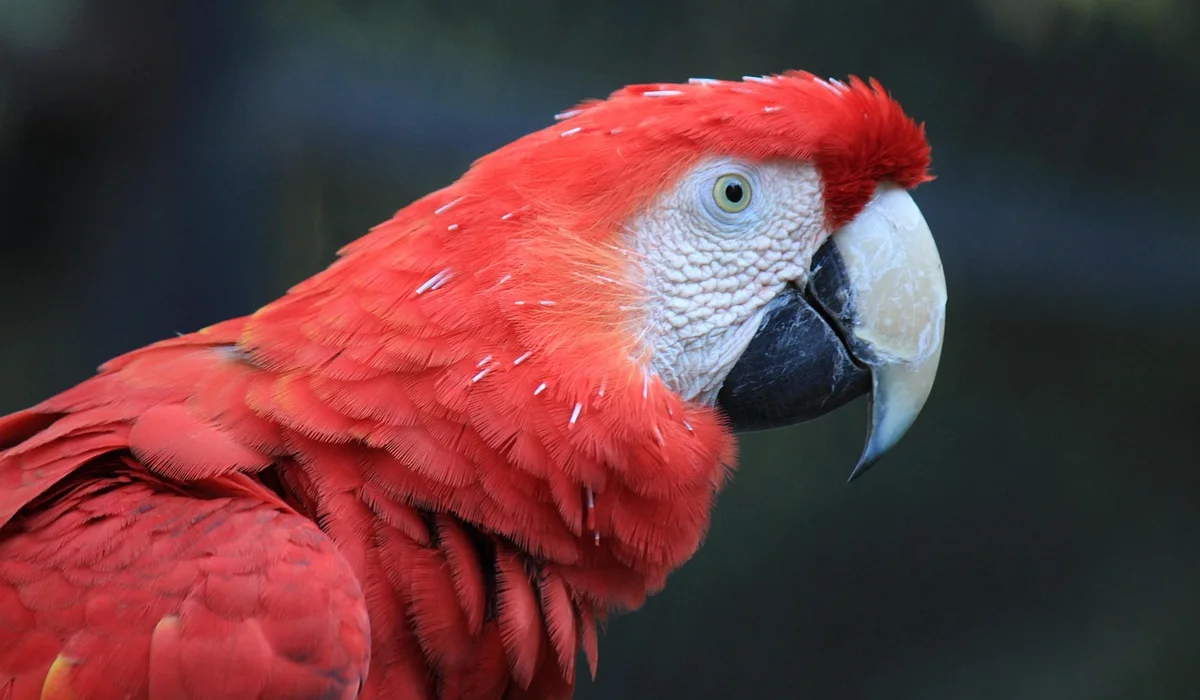
My own parrots, Kiwi and Sunny, live a life far removed from the daily struggles their wild cousins face. A controlled environment removes the constant, life-or-death stress of finding food and avoiding predators. In my home, danger from hawks or snakes is zero, and their next meal is never in question.
Think about the veterinary care we can provide. A wild parrot with a broken wing or a bacterial infection is often doomed. We can intervene with antibiotics, surgery, and supportive care that simply doesn’t exist in the canopy. I’ve nursed Kiwi through a minor respiratory scare that would have been a death sentence in the wild.
The Pillars of a Longer Captive Life
- Predator-Free Living: No threats from hawks, snakes, or cats.
- Guaranteed Nutrition: A balanced, daily diet prevents starvation and malnutrition.
- Advanced Veterinary Medicine: Access to diagnostics, treatments, and emergency care.
- Safety from Elements: Protection from extreme weather, droughts, and storms.
- Reduced Physical Trauma: No risky fights over territory or mates, no flying into unseen obstacles.
Beyond safety, their mental well-being gets a huge boost. I spend hours interacting with my flock, providing foraging toys and puzzles that keep their clever minds sharp and engaged. This mental stimulation is crucial; a bored parrot is an unhappy, and sometimes unhealthy, parrot. That’s why I focus on enrichment every day—to prevent boredom from creeping in. I help by rotating toys and introducing new challenges to keep my parrot engaged.
Species-Specific Lifespan Guide
Parrot lifespans vary dramatically, and it’s a commitment you must understand before bringing one home. Getting a parrot is like adopting a toddler who never grows up, and some species will be with you for most of your life. My African Grey, Sage, is a perfect example of a long-term feathered friend. Choosing a parrot as the right pet means assessing your time, space, and patience for daily interactions. If you’re ready for that level of commitment, a parrot can be a wonderful, long-lived companion.
Here’s a quick look at what you can expect from some popular pet species, based on my experience and widely accepted data.
| Species | Average Captive Lifespan | Key Personality Trait |
|---|---|---|
| Budgerigar (Budgie) | 5 – 8 years | Cheerful and chatty |
| Cockatiel | 15 – 20 years | Gentle and whistly |
| Green-cheeked Conure | 25 – 30 years | Playful and mischievous |
| Sun Conure | 25 – 30 years | Loud and affectionate |
| African Grey Parrot | 40 – 60 years | Incredibly intelligent and sensitive |
| Macaw | 50 – 80 years | Demanding and magnificent |
Smaller birds like budgies have faster metabolisms and generally shorter lives, while the larger parrots are built for the long haul. My conures, Kiwi and Sunny, are a 25-year responsibility, a fact I considered deeply before they ever came home.
What Influences These Ranges
- Genetics: Some bloodlines are simply hardier than others.
- Diet: A seed-only diet can shorten a parrot’s life by decades.
- Environment: A spacious, clean cage and a safe home are non-negotiable.
- Social Interaction: A lonely, neglected parrot will not thrive.
- Preventative Care: Regular vet check-ups catch problems early.
Seeing Sage, my African Grey, I’m constantly reminded that my care today impacts her quality of life decades from now. Choosing a parrot species is a decision that echoes for generations, so match their lifespan to your own life’s journey.
Boosting Your Parrot’s Lifespan in Captivity
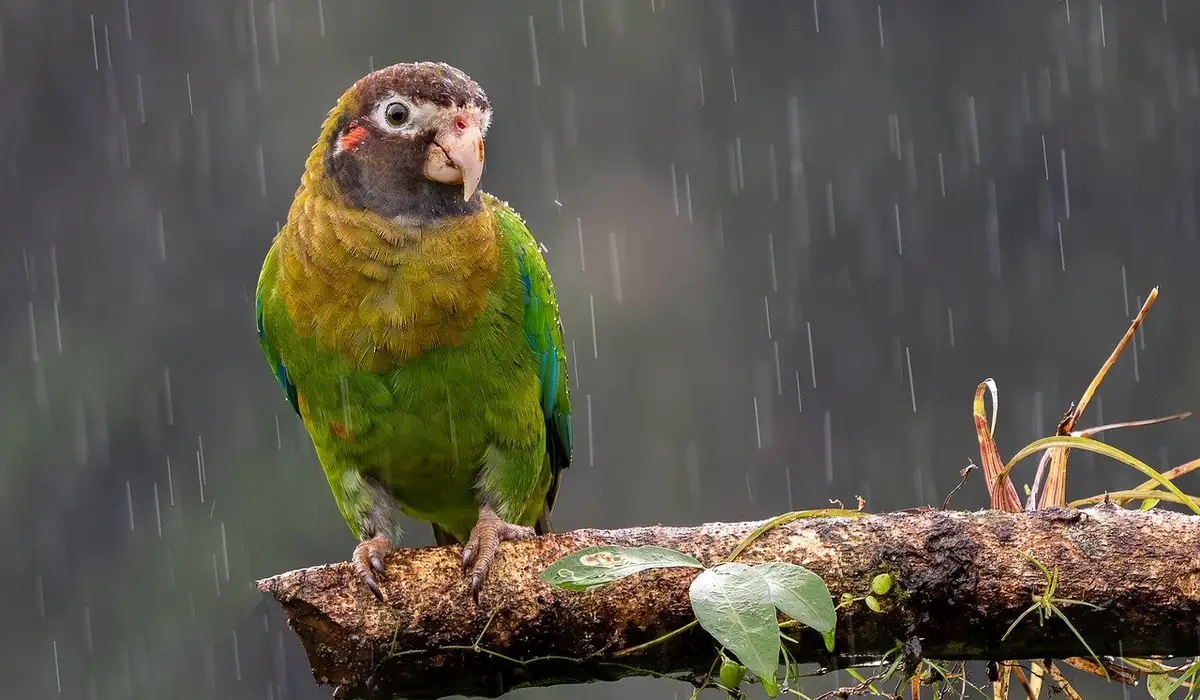
You hold the key to helping your parrot live a long, vibrant life right in your home. With my Green-cheeked Conure Kiwi, I focus on a diet rich in fresh veggies and pellets to keep her playful for years. Small changes in daily care can add up to big gains in health and happiness.
Feed a Balanced Diet
Parrots thrive on variety, not just seeds. I mix fresh fruits, vegetables, and high-quality pellets for my Sun Conure Sunny, which keeps his feathers bright and energy high. Following general parrot dietary guidelines helps ensure a balanced diet. In practice, that means a mix of fresh produce, formulated pellets, and seeds in moderation, while avoiding fatty or sugary treats that can lead to obesity.
- Offer chopped carrots, broccoli, and apples daily.
- Include calcium sources like cuttlebone for strong bones.
- Limit seeds to occasional snacks to prevent liver issues.
Create a Safe, Stimulating Environment
Your parrot’s cage is their castle-make it secure and fun. For Sage, my African Grey, I use natural wood perches and rotate toys to challenge her smart mind. A boring space can lead to stress and shorter lifespans.
- Choose a cage large enough for full wing stretches.
- Place it away from drafts and direct sunlight.
- Add foraging toys to mimic wild behaviors.
Prioritize Mental and Physical Health
Regular interaction and vet check-ups are non-negotiable. I schedule annual exams for all my parrots, catching issues early to extend their lives. This approach is a core element of many parrots’ preventative care guides. Regular vet visits help tailor nutrition, health monitoring, and preventive plans to each bird. Playtime and training sessions build trust and keep them active.
- Spend at least an hour daily on out-of-cage play.
- Teach simple tricks to engage their curiosity.
- Watch for signs of illness like fluffed feathers or lethargy.
Can a Pet Parrot Survive in the Wild?
Releasing a pet parrot into the wild is a heartbreaking mistake-most won’t make it past a few days. From rescue stories I’ve heard, domesticated birds lack the skills to find food or evade predators they’ve never known. Their survival hinges on human care, not instinct.
Key Reasons Pet Parrots Struggle
Life outside is harsh for a bird raised in comfort. My parrots like Kiwi have never hunted for meals, so starvation is a real threat in unfamiliar terrain. They face dangers that captivity shields them from.
- No natural foraging abilities lead to malnutrition.
- Predators like hawks or cats see them as easy targets.
- Diseases from wild birds can spread quickly without immunity.
Why Captivity Is Kinder
Choosing to keep your parrot safe at home is an act of love. I’ve seen how Sage flourishes with routine and care, something the wild can’t guarantee. Providing a forever home respects their need for stability. To help you get started, here’s a simple first day home survival guide for your new parrot. It covers safe handling, routine, and the essentials to keep them calm and thriving.
- Controlled diets prevent nutritional deficiencies.
- Regular vet care tackles health issues early.
- Social bonds with humans reduce stress and loneliness.
FAQs
What is the average lifespan range for parrots in captivity?
Captive parrots typically live between 15 to over 70 years, depending on their species and care quality. Smaller birds like budgies may reach 15-25 years, while larger parrots like macaws can exceed 50 years with proper attention. This parrot lifespan guide explains how long different species can live.
How does captivity specifically influence a parrot’s longevity?
Captivity removes wild threats like predators and food scarcity, allowing parrots to focus energy on health and well-being. Consistent nutrition, safe housing, and veterinary care collectively contribute to extended lifespans compared to the wild. For readers seeking a complete guide to the most common parrot health concerns, this overview sets the stage. It highlights typical issues to watch for and steps to prevent them.
What is the typical lifespan of a Senegal parrot in captivity?
Senegal parrots commonly live 25 to 40 years in captivity when provided with optimal care. Their long lifespans are supported by a stable, low-stress environment, regular veterinary care, and ongoing mental stimulation. A balanced diet, mental enrichment, and regular health checks are key to helping them achieve this lifespan.
What care practices are most critical for maximizing a parrot’s lifespan in captivity?
Essential practices include offering a varied diet of pellets, fresh veggies, and fruits to prevent deficiencies. Regular social interaction and avian vet visits also play a vital role in maintaining long-term health and happiness.
Are there differences in lifespan between male and female parrots in captivity?
Generally, no significant lifespan difference exists between sexes when both receive equal care. However, females may face added risks from egg-laying complications, which proper management can mitigate.
Final Thoughts
From my years caring for parrots like Kiwi and Sunny, I’ve learned that providing a balanced diet, mental enrichment, and regular vet check-ups can help your parrot thrive for decades in captivity. Your commitment to their well-being directly influences how long and happily they live compared to wild counterparts facing more dangers. One effective way to enrich their diet is by foraging for food.
Owning a parrot is a lifelong journey that demands responsibility and a willingness to keep learning about their unique needs. By staying curious and informed, you can ensure your feathered friend enjoys a vibrant, healthy life full of joy and connection.
Further Reading & Sources
- How Long Do Parrots Live? | PetMD
- r/parrots on Reddit: Are Parrots Better Off In The Wild?
- Survival on the ark: life history trends in captive parrots – PMC
Suzanne Levine is a dedicated parrot enthusiast and experienced avian caregiver with over 15 years of hands-on experience in parrot care. As the founder of Parrot Care Central, Suzanne is passionate about sharing her knowledge and insights to help fellow parrot owners provide the best possible care for their feathered friends. Her expertise spans nutrition, behavior, health, and enrichment, making her a trusted resource in the parrot care community.
Health & Wellness