
Why Do Parrots Spread Their Wings? (5 Common Reasons)
Watching your parrot fan out its wings can spark a mix of awe and anxiety – is it a joyful gesture or a silent plea for help? I’ve felt that same uncertainty with my own birds, like Kiwi, who often stretches wide during playtime.
As a longtime parrot enthusiast, I’ll guide you through the top reasons behind this behavior, so you can relax and enjoy your feathered friend’s quirks. Here are three key takeaways to ease your mind:
- Wing spreading is usually a positive sign of health and comfort, not distress.
- It helps parrots with everyday needs like staying cool or drying off after a splash.
- Understanding the context lets you respond in ways that support your parrot’s well-being.
You’ll get straightforward advice that makes sense for any parrot owner. Explore: Stretching for Comfort, Cooling Down, Social Bonding, Drying Off, and Warning Signals.
Stretching for Flexibility and Muscle Health
Just like you might stretch after waking up, parrots use wing spreading to keep their muscles limber and joints fluid. This daily ritual prevents stiffness and promotes healthy blood circulation throughout their wing muscles and shoulders. Without it, they could develop mobility issues or discomfort over time. Proper exercises, especially for their shoulders, are crucial for their overall well-being.
You’ll often see them in these classic stretching postures:
- One wing extended fully down and back, like a dramatic curtsy
- Both wings stretched upward and outward in a “V” shape
- Wings spread wide while leaning forward on a perch
- A quick wing shake combined with leg stretches
- Slow, controlled extension while balancing on one foot
My Green-cheeked Conure Kiwi performs her wing stretches every morning without fail. She’ll climb to her highest perch, extend one wing at a time, and hold each stretch for several seconds before switching sides. Meanwhile, Sunny the Sun Conure prefers doing his stretches immediately after eating breakfast, often while hanging upside down from his favorite toy.
Here’s how you can encourage safe stretching habits:
- Provide multiple perches at different heights and thicknesses
- Ensure there’s enough clear space around perches for full wing extension
- Incorporate climbing toys that promote natural reaching motions
- Place food and water dishes slightly out of reach to encourage movement
- Never interrupt or startle your parrot during stretching sessions
Thermoregulation: Cooling Down or Warming Up
Parrots use their wings as natural temperature regulators, much like how you might take off a jacket when warm or bundle up when cold. Spreading their wings allows heat to escape from their body when they’re too warm, while trapping warm air against their body when they’re chilly. The blood vessels in their wing areas act like miniature radiators.
Watch for these signs that temperature is affecting your parrot:
- Wings held slightly away from body with rapid breathing (overheating)
- Fluffed feathers with wings creating a “tent” shape (conserving heat)
- Panting combined with wing spreading (seeking cooling airflow)
- Shivering motions while holding wings partially extended
- Seeking direct sunlight or heat sources while spreading wings
Think of it this way: when you’re hot, you might roll up your sleeves or fan yourself. When parrots spread their wings in warmth, they’re essentially opening their built-in ventilation system. When they’re cold, they’re wrapping themselves in a feather blanket. Fluffing can also signal illness if it becomes persistent or is accompanied by other symptoms, such as those detailed in this article. If you notice changes like lethargy, appetite loss, or abnormal droppings, consult a vet.
Based on my experience with different species, here are ideal temperature ranges:
- Conures (like Kiwi and Sunny): 65-80°F with consistent temperatures
- African Greys (like Sage): 70-85°F with slightly higher humidity
- Most parrots thrive in temperatures similar to human comfort zones
- Avoid placing cages in direct drafts or direct heating/cooling vents
- Provide shaded areas and multiple perch options at different temperatures
Balance and Stability in Movement
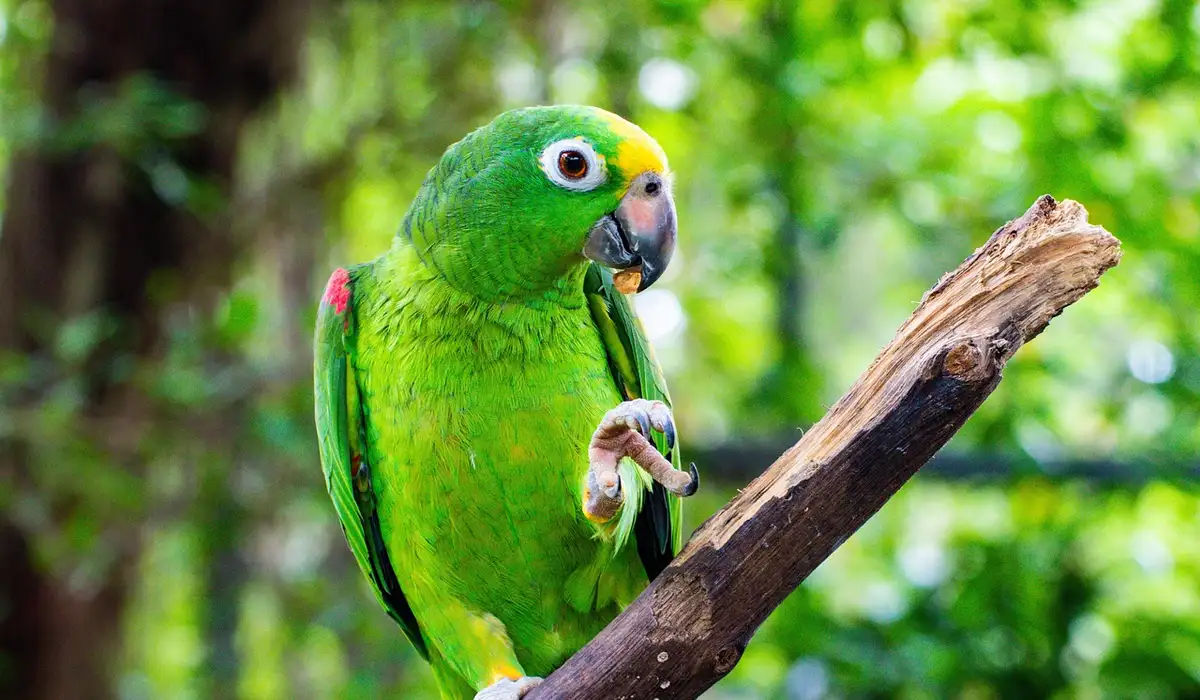
Parrots use their wings like we use our arms when walking a narrow ledge – they provide a crucial counterbalance. Wing spreading shifts their center of gravity, helping them stay upright on unstable surfaces. I’ve watched my Green-cheeked Conure, Kiwi, do this constantly while navigating his play gym. That awareness helps you create a safe, stimulating indoor flight environment for your parrot. Provide a clear, clutter-free space and supervised flight time to let them exercise safely.
You’ll see this behavior in several common activities:
- Landing awkwardly on a perch or your shoulder.
- Climbing the side of their cage or a rope toy.
- Reaching far for a treat while perched.
- Stretching after a long nap.
- Navigating between perches of different thicknesses.
My African Grey, Sage, is a master of controlled movement. During training sessions, she’ll often extend one wing slightly when stepping onto a new object she’s unsure about. It’s her way of ensuring she doesn’t take a tumble while learning a new trick. This small wing adjustment gives her the confidence to explore.
You can actively support your parrot’s balance by providing a variety of perches.
- Offer natural wood branches with different diameters and textures.
- Include rope perches that have a bit of gentle give.
- Place flat platform perches for secure resting spots.
- Ensure perches are arranged at different heights and angles.
Social Communication and Behavioral Displays
A wing spread is rarely just about balance; it’s a powerful form of social language. This gesture can signal everything from “I like you” to “Stay back, this is my space.” Understanding the context is everything.
Look for these wing displays in different social situations:
- A slow, deliberate wing stretch paired with soft chirping often shows contentment.
- A rapid, trembling wing extension can be a baby bird’s “feed me” signal.
- A full, rigid wing spread with pinned eyes and raised feathers is a clear warning.
- A male might perform a wing-down dance as part of a courtship ritual.
My Sun Conure, Sunny, is the most dramatic communicator. He’ll often hop to the front of his cage and flash his beautiful yellow wings the moment I walk into the room. It’s his vibrant, unmissable way of saying, “Hello! Pay attention to me!” Kiwi, on the other hand, will give a quick, small wing flick when he’s curious about a new toy-a much more subtle inquiry.
Differentiating a friendly display from an aggressive one comes down to reading the whole body.
- Playful or excited postures are usually relaxed, with normal pupil size and happy vocalizations.
- Aggressive postures are stiff, often accompanied by lunging, flattened body feathers, and dilated, “pinned” eyes.
- A social wing spread aimed at you during bonding time is typically slow and silent.
- A threatening display is fast, loud, and makes the parrot appear larger.
Health and Wellness Alerts
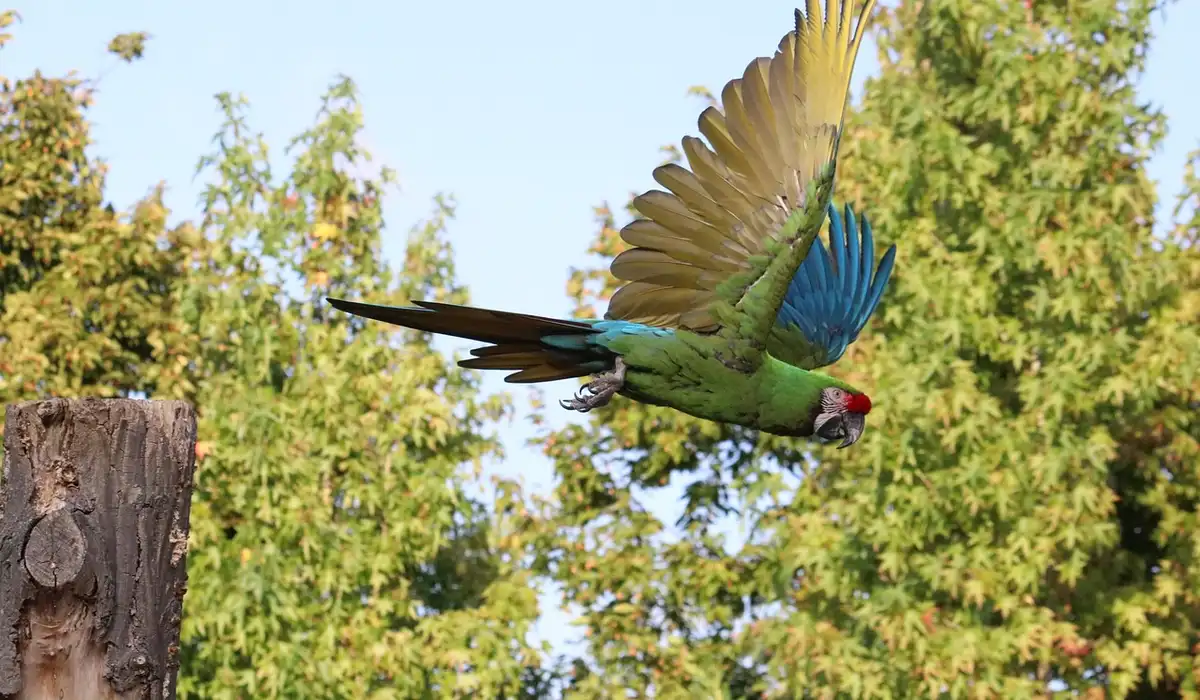
While wing-spreading is often normal, it can sometimes be your parrot’s way of waving a little red flag. Sometimes a quick shake is just normal cooling-off or excitement. But if the shake is frequent or paired with other symptoms, it signals a health warning. You need to pay close attention to the context and any accompanying symptoms. I’ve learned this the hard way through years of living with my flock.
Warning Signs to Watch For
Not all wing displays are created equal. Here’s what should make you pause and observe more closely.
- Persistent Spreading: Your parrot holds its wings out for long periods, seeming unable or unwilling to fold them back neatly.
- Labored Breathing: You see their chest moving heavily or hear any clicking or wheezing sounds with the motion.
- One-Sided Spreading: They consistently favor one wing, which can point to a localized injury or pain.
- Spreading Combined with Fluffing: A bird that is puffed up and spreading its wings is often a sick bird trying to conserve energy.
- Tail Bobbing: A pronounced up-and-down movement of the tail feathers with each breath is a major red flag for respiratory distress.
Your At-Home Health Check
If you’re worried, do a quick and gentle visual inspection. Always move slowly and talk to your bird in a calm, reassuring voice to avoid causing more stress. Your parrot might be calm, scared, or stressed. A calm, steady voice and slow movements help them feel safe.
- Observe from a Distance: Watch how they move and breathe before you get closer.
- Check for Injuries: Look for any obvious swelling on the wing joints, legs, or chest. See if they flinch when a specific area is gently approached.
- Inspect Feathers and Skin: Search for blood feathers (new feathers with a blueish shaft), broken feathers, bald patches, or any redness or sores on the skin.
- Look for Illness Clues: Check their eyes and nostrils for any discharge. Look at their droppings for drastic changes in color or consistency.
When to Call the Avian Vet Immediately
Trust your gut. You know your feathered friend best. Any sign of breathing difficulty is a five-alarm fire that requires an immediate emergency vet visit.
- You notice labored breathing, tail bobbing, or any respiratory noise.
- There is visible bleeding from a broken blood feather or a wound.
- Your parrot is lethargic, won’t eat or drink, and sits fluffed at the bottom of the cage.
- You see a sudden inability to use a wing or leg properly.
My Experience and Recovery Tips
My African Grey, Sage, once spent a whole afternoon with his wings slightly drooped. He wasn’t his usual chatty self. I knew instantly something was off. Catching an illness early is the single biggest factor in a successful recovery. We rushed to the vet, who diagnosed a minor infection. With prompt medication, he was back to his clever, calm self in a few days.
For a recovering bird, I create a quiet, warm hospital cage. I offer their favorite easy-to-eat foods and make sure fresh water is always within reach. Patience and a calm environment are the best medicine you can provide alongside your vet’s treatment plan. During vet visits, gentle, predictable handling helps keep your parrot calm. A light towel wrap, when advised by your veterinarian, can further reduce stress and protect them from sudden moves.
FAQs
How can I encourage my parrot to stretch its wings safely?
Provide a variety of perches at different heights and textures to promote natural movement. Ensure there is ample clear space around perches to allow for full wing extension without obstruction.
What indoor temperature range helps prevent my parrot from overheating?
Most parrots do well in temperatures between 65-85°F, similar to human comfort levels. For a pet parrot, this is the ideal temperature range to maintain. Keeping within it supports comfort and health. Avoid placing cages in direct sunlight or drafts to support natural thermoregulation.
Why does my parrot spread its wings during landing or climbing?
Wing spreading acts as a counterbalance to maintain stability on uneven or unstable surfaces. This behavior helps prevent falls and supports confident movement during activities like perching or exploring.
Can wing spreading be a sign of boredom or lack of stimulation?
Yes, excessive or repetitive wing spreading without other causes might indicate boredom or need for more enrichment. If you’re asking why your parrot is bored, I can help. Offer interactive toys, foraging opportunities, and social interaction to keep your parrot mentally engaged.
What should I do first if I think my parrot’s wing spreading is due to injury?
Observe your parrot from a distance for signs like favoring one wing, swelling, or reluctance to move. Contact an avian veterinarian promptly for a professional assessment and avoid handling the bird to reduce stress, especially if your parrot appears stressed.
Wrapping Up
Ultimately, a parrot spreading its wings is a normal part of their daily language, from a simple morning stretch to a display of pure joy. The true meaning always lies in the context-observe their body language, the time of day, and the surrounding environment to understand what your feathered friend is telling you.
Being a great parrot guardian means committing to a lifetime of learning their unique ways. Your dedication to understanding these subtle cues is what builds a deep, trusting, and joyful bond with your parrot for years to come. It’s also important to know what pet parrots can learn and do to better engage with them.
Further Reading & Sources
- r/parrots on Reddit: what does it mean when a parrot does this with it’s wings
- The Amazing Flying Parrot and The Benefits of Flight – Bird Street Bistro
- How to Trim Parrots Wing? Parrot Wing Clipping Alternatives Explained
Suzanne Levine is a dedicated parrot enthusiast and experienced avian caregiver with over 15 years of hands-on experience in parrot care. As the founder of Parrot Care Central, Suzanne is passionate about sharing her knowledge and insights to help fellow parrot owners provide the best possible care for their feathered friends. Her expertise spans nutrition, behavior, health, and enrichment, making her a trusted resource in the parrot care community.
Mating Behavior