What Does Parrot Eye Pinning Mean? (Understanding Eye Dilation)
If you’ve spotted your parrot’s pupils rapidly dilating and contracting, you might be feeling a mix of curiosity and concern about what this eye pinning behavior really signifies for your feathered companion.
Having raised parrots like my playful Kiwi and social Sunny for years, I’ve decoded this visual language firsthand and can guide you through it with ease. You’ll gain insights on:
- How eye pinning reflects emotions like excitement or fear in parrots.
- Simple ways to distinguish between harmless curiosity and potential stress signals.
- When rapid eye changes could point to health issues needing a vet’s attention.
Rest assured, you’ll finish this article with practical, easy-to-apply knowledge. Key areas explored include: emotional triggers, body language context, and health indicators.
What Is Parrot Eye Pinning?
Parrot eye pinning is that rapid, almost hypnotic flashing where their pupils swiftly dilate and constrict. It’s a non-verbal language all bird owners must learn to interpret correctly. These eye movements are common anger signals to watch for. They often come with tense posture or fluffed feathers as warning signs to slow down and approach cautiously.
- Define eye pinning as rapid pupil dilation and constriction.
- Visually, it looks like a camera lens quickly adjusting its focus from bright sunlight to a dark room.
- Parrots have incredible eye movement control due to their unique anatomy, allowing them to communicate volumes without a single squawk.
Reasons Parrots’ Pupils Change Size
Those pupil changes are a direct window into your parrot’s emotional state. Context is your best friend when figuring out what those flashing eyes really mean.
- Excitement: My conure Kiwi does this when I bring out his favorite bell toy.
- Fear: Sudden, large dilations can signal they feel threatened or scared.
- Curiosity: A new object or sound often triggers slow, thoughtful pinning as they process information.
- Aggression: Paired with a stiff body and raised feathers, it’s a clear “back off” warning.
Excitement and Playfulness
This is the happy, fun pinning we all love to see. You’ll notice their whole body language is loose and engaged, often with playful little hops or chirps.
- Their pupils will dilate widely and rapidly when you offer a treat or start a game.
- Kiwi’s eyes go wild when he sees his shreddable toy; it’s pure parrot joy.
Fear and Stress Signals
Fear-based eye pinning is a whole different story. This is your cue to identify the stressor and help your feathered friend feel safe again.
- Look for dilated pupils combined with a crouched posture, flattened feathers, or attempts to flee.
- First, speak to them in a calm, low voice to provide reassurance.
- Remove the perceived threat if you can identify it, whether it’s a new person or a loud noise.
- Give them space; never force an interaction when they are showing these signs.
Aggression and Territorial Behavior
This is the pinning you need to respect immediately. It’s a clear boundary being set, and ignoring it often leads to a bite.
- Aggressive pinning is usually very fast and rhythmic, accompanied by a rigid body and possibly a fanned tail.
- My sun conure, Sunny, does this if someone gets too close to his cage-it’s his castle, after all.
- De-escalate by slowly backing away and avoiding direct eye contact, which they can see as a challenge.
- Never punish this behavior; it’s a communication, not a defiance.
Reading Your Parrot’s Eye Language
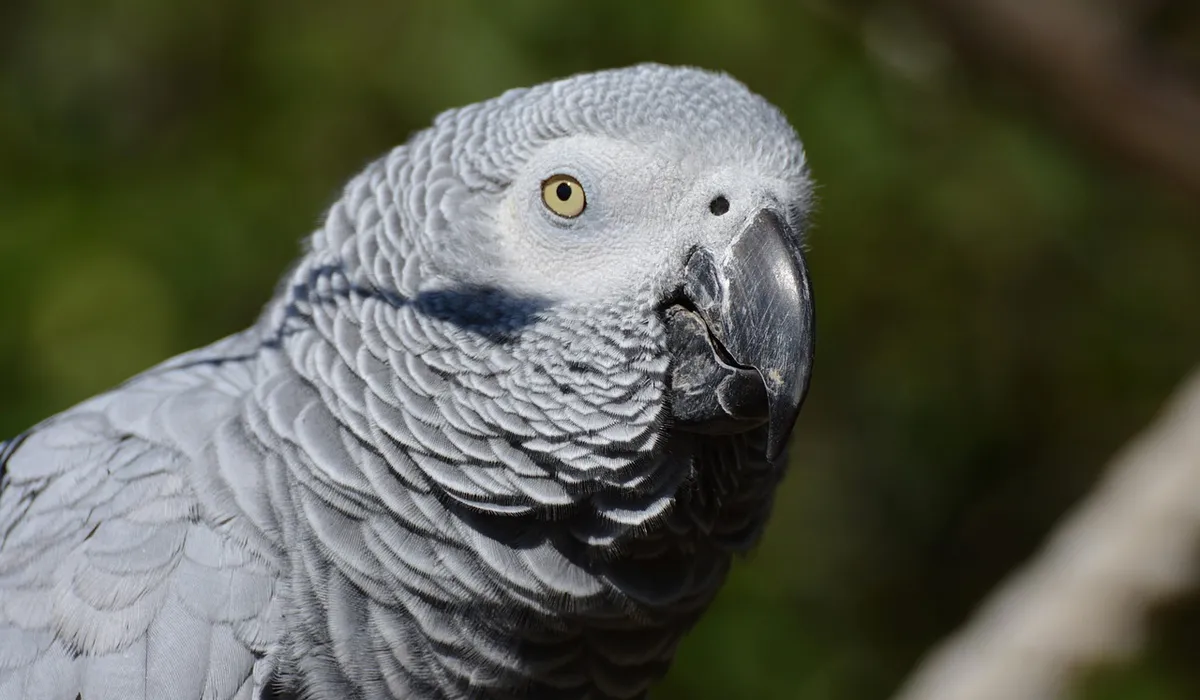
Eye pinning never happens in a vacuum. You have to look at the whole bird to truly understand what those pulsing pupils mean. It’s like putting together a puzzle where the eyes are just one piece.
My African Grey, Sage, gives me masterclasses in this. When we’re doing training sessions with his favorite puzzle toys, his eyes will pin steadily. He’s not fluffed up, his posture is relaxed, and he lets out soft, curious clicks. That’s the look of a bird who is intensely focused and engaged. Cognitive enrichment like this keeps parrots sharp. Here are 10 brain games you can try with Sage to challenge his mind.
Here’s a quick guide to help you tell the difference between a scared bird and an excited one.
Fear vs. Excitement: A Side-by-Side Look
| Signs of Fear or Stress | Signs of Excitement or Curiosity |
|---|---|
| Feathers pinned tightly to the body | Feathers smooth and relaxed |
| Crouched, low posture as if ready to flee | Upright, alert, and leaning forward |
| Hissing, growling, or sharp alarm calls | Happy chattering, singing, or soft contact calls |
| Rapid eye pinning paired with wide eyes (showing the white ring) | Rhythmic, slower eye pinning with normal eye shape |
My sun conure, Sunny, is a perfect example of excitement. The moment I bring out his yellow ball, his eyes start pinning like crazy, his feathers are sleek, and he bounces up and down with little squeaks. Learning this language prevents you from misinterpreting a happy dance for a panic attack.
When Eye Pinning Signals Health Concerns
Sometimes, those flashing pupils are a red flag. Your parrot’s eyes can be a window into their physical well-being, and ignoring the signs is not an option for a responsible owner. I’ve learned to be hyper-vigilant about this.
When my green-cheek, Kiwi, was younger, he had a minor respiratory issue. The constant, unrelenting eye pinning was one of the first subtle clues that something was off, long before he started sneezing.
Symptoms That Demand Your Attention
- Eye pinning that is constant and doesn’t stop, even in a calm environment.
- Pupils of different sizes (one dilated, one constricted).
- Squinting or holding one eye closed frequently.
- Discharge, redness, or swelling around the eye itself.
- Any change in vision, like bumping into familiar objects.
- Eye pinning combined with lethargy, loss of appetite, or fluffed-up feathers for long periods.
Your Action Plan for a Sick Bird
- Immediately move your parrot to a quiet, warm, and stress-free area. Turn off loud music or TV and give them space.
- Observe them closely for the next 30-60 minutes. Note everything: their breathing, posture, and any other symptoms.
- Offer fresh water and their absolute favorite food to see if they’ll eat. A refusal to eat is a major concern.
- If symptoms persist or you see any of the red flags listed above, contact your avian vet immediately. Birds are masters at hiding illness, so by the time it’s obvious, they can be very sick.
Proactive care is the heart of animal welfare. I make it a habit to do a quick “body check” on all my birds every day during out-of-cage time. I look at their eyes, their feathers, their feet, and their beak. This daily ritual takes two minutes but helps me spot tiny changes before they become big problems. Your feathered friend’s health truly depends on your watchful eye.
How to Support Healthy Parrot Eyes
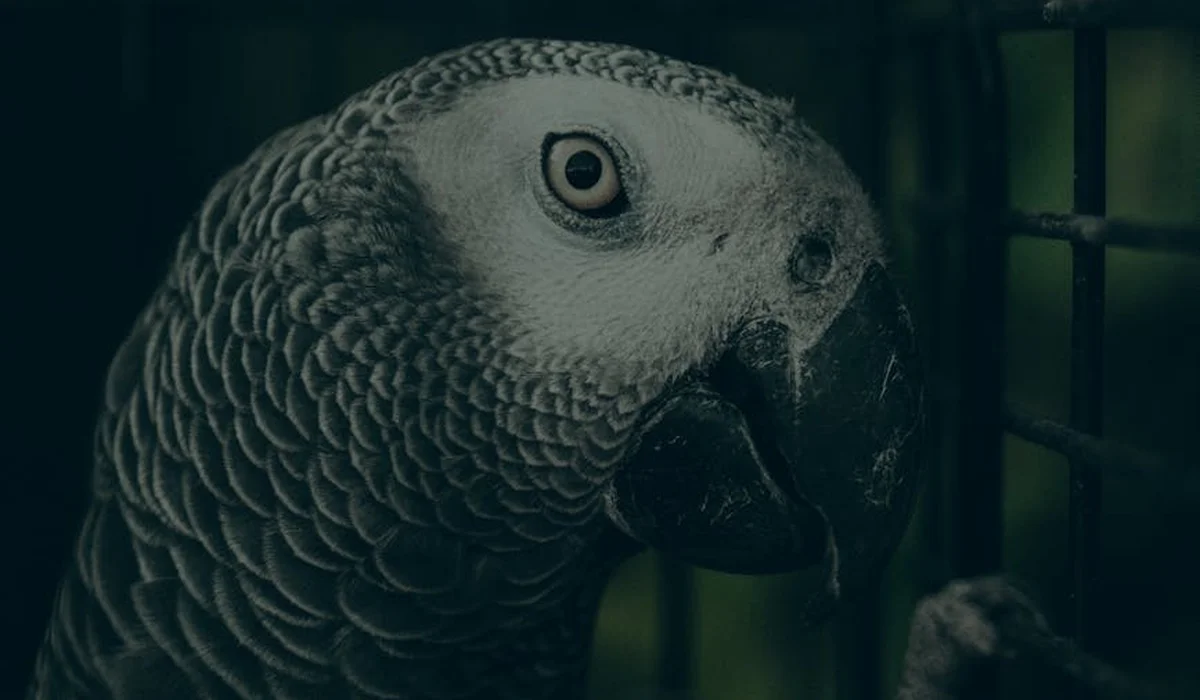
Keeping your parrot’s eyes bright and healthy requires consistent, thoughtful care. Your bird’s eye health is deeply connected to their overall physical condition and emotional state. I’ve seen this firsthand with my flock—Kiwi’s playful eyes, Sunny’s expressive glances, and Sage’s intelligent gaze all depend on the same foundational care. A parrot’s senses are the gateway to their intelligence. When their vision is sharp, they observe, imitate, and engage more readily.
Essential Daily Care Tips
A proactive approach prevents most eye issues before they start. Think of these daily habits as your first line of defense against irritation and disease.
- Offer a Colorful Diet: My parrots thrive on pellets supplemented with orange vegetables like sweet potato and dark leafy greens. These foods are packed with Vitamin A, which is critical for preventing eye infections and maintaining clear vision.
- Control the Environment: Keep your home free from aerosol sprays, strong perfumes, and cigarette smoke. I’m always careful to use natural cleaning products around my birds, as chemical fumes can cause immediate eye irritation and long-term respiratory problems.
- Provide Full-Spectrum Light: Placing cages in areas with access to natural (but not direct, scorching) sunlight helps regulate their circadian rhythms and supports visual acuity. I use special avian full-spectrum lights during darker months to mimic this benefit.
- Schedule Annual Vet Check-ups: I take my parrots for a yearly wellness exam with an avian-certified veterinarian. An expert can spot subtle eye changes that you might miss, catching problems in their earliest stages.
Preventative Measures from Experience
After years of living with parrots, I’ve learned that prevention is always easier than treatment. These small adjustments to your routine can make a massive difference in your bird’s long-term health. Different parrot species have different common health issues, so prevention and tailored care matter. With awareness of these risks, you can prevent problems before they start.
- Ensure your parrot gets 10-12 hours of uninterrupted sleep in a dark, quiet room. Sleep deprivation stresses their entire system, including their eyes.
- Maintain humidity levels between 40-60%. Dry air can lead to dry, itchy eyes, especially for species from tropical climates.
- Place perches at different heights and locations to prevent your parrot from sitting in a drafty area or directly under an air vent, which can dry out and irritate their eyes.
- Regularly wash food and water dishes to prevent bacterial growth that could lead to infection if a bird rubs its face on a contaminated surface.
Make Observation Part of Your Routine
You are your parrot’s most important health monitor. I make it a point to quietly observe each of my birds for a few minutes every morning, noting their eyes along with their general demeanor. By recognizing the 15 warning signs of stress, I can tell when a parrot is stressed. This helps me adjust their environment and routine before issues escalate.
- Look for any discharge, cloudiness, or swelling around the eye area during your daily interactions.
- Notice if your parrot is scratching at its eyes or face more than usual, which can indicate irritation.
- Pay attention to changes in the frequency of eye pinning. While pinning is normal, a sudden increase or decrease can be a sign of an underlying vision issue or illness.
- Keep a simple log if you notice anything unusual. Jotting down the date and what you saw can be incredibly helpful information for your avian vet.
FAQs
What is a parrot eye pinning gif?
A parrot eye pinning GIF is a short, looping video clip that visually demonstrates the rapid dilation and constriction of a parrot’s pupils. It serves as a helpful tool for owners to recognize this behavior in real-time without needing a live bird.
What is parrot eye pinning on Reddit?
On Reddit, parrot eye pinning refers to discussions in communities like r/parrots where users share stories, videos, and questions about this behavior. These threads often provide peer advice and personal experiences to help interpret what a parrot’s eye movements might mean. Some readers also search for a complete guide to what different parrot sounds might mean when paired with eye pinning. These discussions often link vocalizations with body language to help owners interpret what a parrot is trying to communicate.
Where can I find a parrot eye pinning video?
You can find parrot eye pinning videos on platforms like YouTube by searching for keywords such as “parrot eye pinning examples” or “bird eye dilation behavior”. These videos offer visual references to better understand the context and frequency of eye pinning in different situations.
Final Thoughts
Understanding parrot eye pinning helps you tune into your bird’s emotions, from playful excitement to cautious curiosity, so you can respond with care and build a stronger bond. By watching for patterns in their eye dilation alongside body language, you’ll gain insights that make daily interactions smoother and more rewarding. This awareness also helps explain why parrots bite, since bursts of pinning or tense postures can signal triggers such as fear or overstimulation, letting you adjust before a bite happens.
Owning a parrot is a joyful commitment that grows with your knowledge and attention to their needs. Keep exploring their unique behaviors, prioritize their health and happiness, and embrace the ongoing adventure of responsible pet care. Their intelligence, talking ability, and social nature set parrots apart from other pets, making each day feel dynamic and interactive. Parrots require ongoing enrichment and care that respects their longevity and complex needs.
Further Reading & Sources
- Eye pinning – Wikipedia
- Parrot Eye Pinning and What it Means
- That Intense Bird Stare? It’s Called Eye Pinning-and It’s Important
Suzanne Levine is a dedicated parrot enthusiast and experienced avian caregiver with over 15 years of hands-on experience in parrot care. As the founder of Parrot Care Central, Suzanne is passionate about sharing her knowledge and insights to help fellow parrot owners provide the best possible care for their feathered friends. Her expertise spans nutrition, behavior, health, and enrichment, making her a trusted resource in the parrot care community.
Health & Wellness