
Do Parrots Recognize Their Owners? Bonding & Memory Explained
You’ve probably seen your parrot light up when you walk into the room and wondered-is that real recognition, or just a happy reaction to anyone who brings snacks? That moment of connection feels incredibly special, but it leaves many bird lovers questioning the depth of their pet’s awareness.
I’ve spent years living with parrots like my playful Green-cheeked Conure, Kiwi, and I’m here to help you understand what’s really going on in those clever feathered heads. We’ll explore the science and my personal observations to give you clear answers.
In this article, you’ll learn:
- How parrots use sight, sound, and memory to identify you
- Why their long-term memory makes recognition possible
- The unique bonding behaviors that prove you’re more than just a caretaker
You’ll walk away with a clearer picture of your parrot’s mind and your special place in it. Topics we cover: how parrots recognize faces and voices, memory duration in parrots, bonding signs like preening and vocal mimicry, differences between species, and tips to strengthen your relationship.
How Parrots Identify Their Favorite Humans
My green-cheeked conure, Kiwi, will start chattering the moment he hears my car pull into the driveway, long before I even open the door. Parrots use a sophisticated combination of sensory cues to pick their person out of a crowd. It’s not just one thing; it’s a full profile they build.
The Sound of Your Presence
Your voice is a major identifier. I’ve noticed Sunny, my sun conure, will completely ignore others calling her name but will immediately turn her head and fluff up when I speak. They memorize the unique pitch, rhythm, and cadence of your voice, treating it like a personal theme song.
A Keen Eye for Detail
Parrots have incredible visual acuity. My African Grey, Sage, seems to recognize my specific walk or the way I tilt my head. They don’t just see a human shape; they notice your gait, your hairstyle, and even the color of your favorite shirt. It’s like they have a mental photo album dedicated to you.
- Facial Features: They focus on your eyes and mouth.
- Body Shape and Movement: Your unique walk is a dead giveaway.
- Color Association: They link you to the colors you frequently wear.
Unpacking Parrot Memory and Social Intelligence
I once had to leave my parrots with a trusted sitter for two weeks. When I returned, Sage looked at me, said “Hello, sweetie” in my exact tone, and immediately resumed our usual routine. This wasn’t just recognition; it was a clear demonstration of long-term emotional memory. Their brains are wired for complex social recall.
Living in large, dynamic flocks in the wild requires a powerful memory. A parrot must remember who is a friend, who is a rival, and who shared food with them last week. They apply this same social mapping to their human flock.
Memory That Spans Years
Their ability to recall people and events isn’t short-lived. There are countless stories of parrots reuniting with previous owners after years apart and showing clear signs of recognition. This long-term memory is a cornerstone of the deep bonds they form.
Problem-Solving and Emotional Connection
This intelligence goes beyond simple recall. Kiwi knows that certain whistles will get my attention, and Sage understands that using specific words can change my behavior. They remember what actions lead to positive outcomes, like cuddles or treats, and they use this knowledge to interact with you. It’s a dynamic, thinking relationship.
- Social Mapping: They mentally chart their social relationships.
- Cause and Effect: They remember which behaviors you reward.
- Emotional Recall: They associate you with specific feelings of safety and joy.
Spotting the Signs Your Parrot Knows You
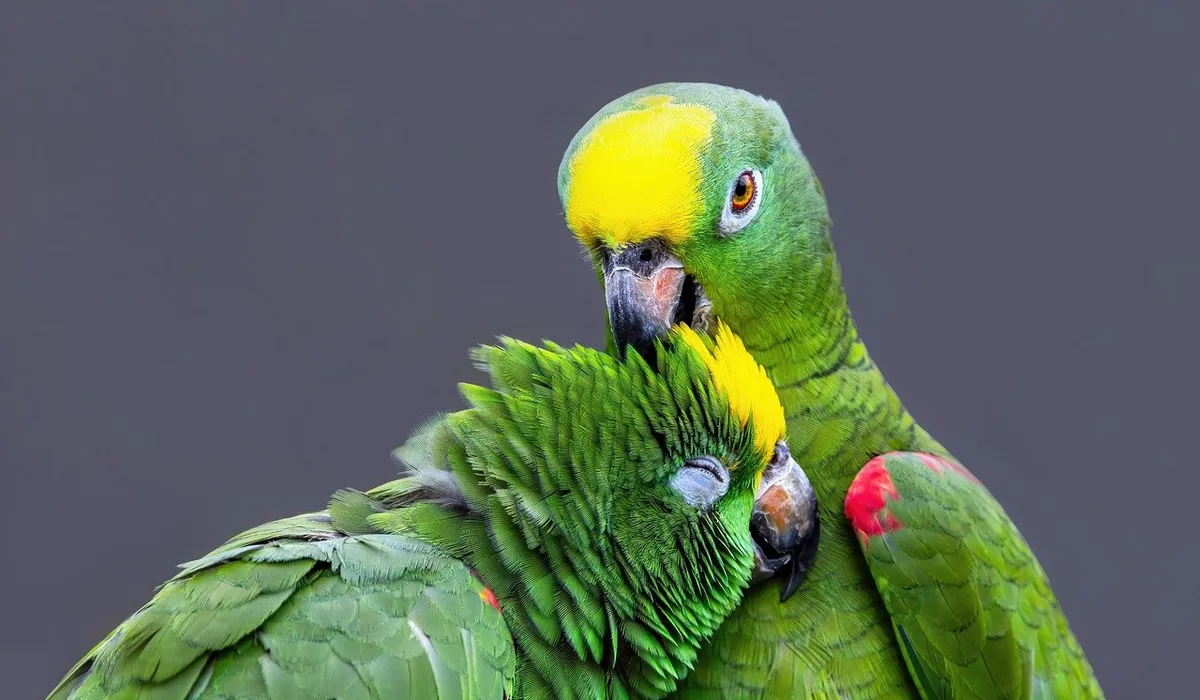
Your parrot’s recognition often shines through small, everyday actions that show they see you as someone special. Observing these behaviors closely can reveal just how tuned in your feathered friend is to your presence.
From my years with Kiwi, Sunny, and Sage, I’ve learned that parrots express familiarity in ways that are both subtle and joyful. Look for consistent patterns in how they react when you’re near, as repetition is a key indicator of memory at work.
Common Recognition Behaviors
-
Unique vocal greetings: When I walk into the room, Sunny lets out a specific, happy squawk that she reserves just for me, unlike her other calls.
-
Focused eye contact and head tilting: Kiwi often cocks his head and locks eyes with me, a sign he’s processing who I am and what I might do next.
-
Physical following or leaning: Sage will shuffle along his perch to stay close if I move, showing he wants to keep me in his sight.
-
Preening or gentle nibbling: Your parrot might try to groom your hair or fingers, which in parrot language means they see you as part of their flock.
-
Calm demeanor in your presence: If your bird relaxes its feathers and breathes evenly around you, it’s a trust signal that says, “I know you, and I feel safe.”
Noticing these cues helps you understand your parrot’s emotional world. Recognition builds over time through positive, repeated interactions that make your parrot associate you with comfort and fun.
Strengthening Your Parrot’s Bond and Recognition
Building a deeper connection with your parrot involves simple, consistent efforts that respect their intelligence and needs. Focus on activities that make your parrot feel valued and secure, as this encourages stronger recognition and attachment.
Based on my journey with my parrots, I’ve found that small daily routines can transform your relationship. Patience and empathy are your best tools for creating a bond that lasts a lifetime.
Effective Bonding Strategies
-
Schedule regular one-on-one time: I set aside 20 minutes each day to sit with Sage, talking softly or offering head scratches, which has made him more responsive to my voice and touch.
-
Use positive reinforcement with treats and praise: Reward your parrot for desired behaviors, like stepping onto your hand, to build trust and reinforce your role as a safe companion. This also supports training your parrot to step up onto your hand. Practice the ‘step up’ cue consistently to build confidence and reliability.
-
Engage in interactive play: Introduce toys or games that you can enjoy together, such as fetch with a small ball, to make your presence associated with joy and excitement.
-
Maintain a predictable routine: Parrots thrive on consistency, so feeding, cleaning, and socializing at similar times each day helps them recognize and anticipate your actions. These predictable moments also serve as built-in training opportunities to address behavioral issues. Incorporating brief, consistent cues during daily routines helps reinforce desired behaviors and reduces unwanted behaviors.
-
Respect their body language and boundaries: If your parrot shows signs of stress, like fluffing up or backing away, give them space to prevent fear and strengthen mutual respect. A calm, gentle demeanor helps a scared or stressed parrot settle. With calm steps, you can ease fear and encourage trust.
Always prioritize your parrot’s welfare by avoiding forced interactions. A strong bond grows naturally when your parrot feels heard and cared for in a stress-free environment.
Species Differences in Recognition and Attachment
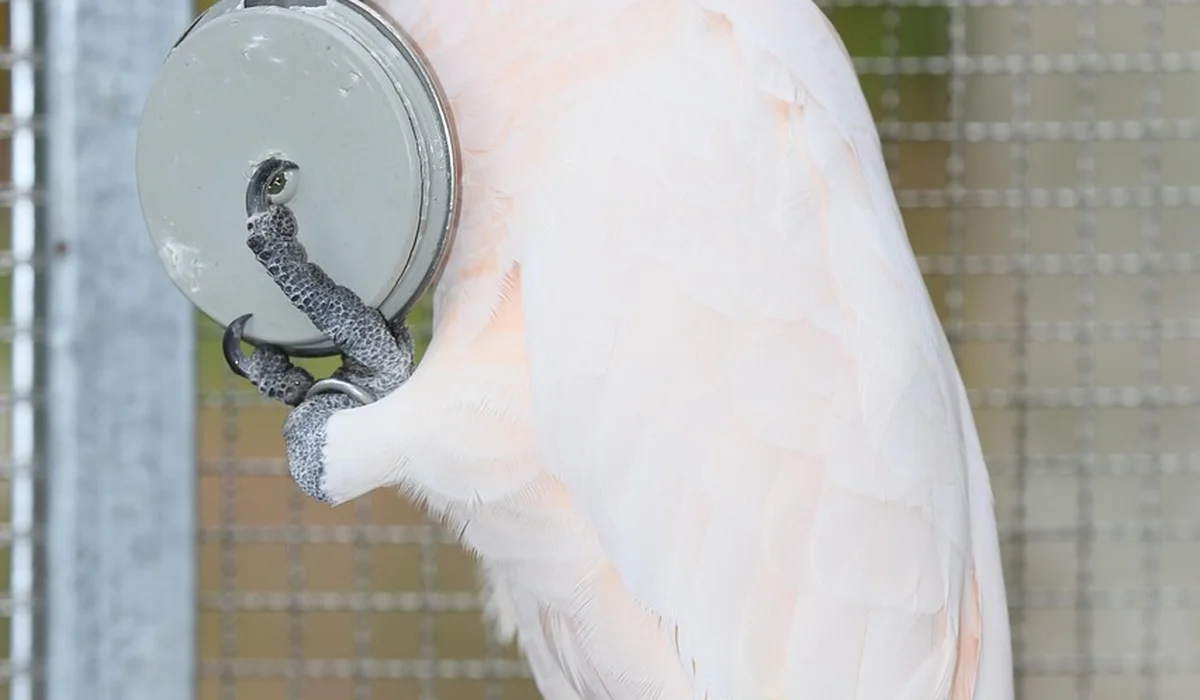
Not all parrots bond in the same way. My African Grey, Sage, for instance, forms deep, intellectual attachments and remembers complex interactions for years. He doesn’t just recognize my face; he recognizes my habits and the specific words I use. This raises the question: do parrots understand human language, or are they mainly responding to cues? Some studies suggest they can grasp word meanings and contextual cues, while others emphasize mimicry.
Compare that to my Sun Conure, Sunny. Her recognition is a full-body, joyous explosion of sound and movement. She bonds intensely and vocally, making her attachment style impossible to miss, whereas Sage’s is a quiet, knowing look.
How Different Parrots Show They Know You
- African Greys & Amazons: These brainy birds use subtle cues. They might quietly preen when you enter the room or use a specific learned phrase only with you. Their recognition is demonstrated through calm, intelligent engagement.
- Conures & Cockatiels: Expect a party! My Green-cheek, Kiwi, does a little “happy dance” complete with bobbing and soft chirps. Their recognition is an energetic, physical display of pure delight.
- Macaws & Cockatoos: These large parrots often show recognition by seeking physical contact. They might bow their head for a scratch or gently nibble your finger. Their bond is demonstrated through trusted touch.
Handling Challenges in Parrot Recognition
Sometimes, your parrot might seem not to recognize you, and it can be heartbreaking. I’ve faced this myself after a long vacation; returning to a seemingly indifferent bird is a tough feeling. The key is understanding the “why” behind the behavior, such as separation anxiety in parrots.
Parrots are creatures of immense habit and routine. A sudden change in your appearance-like a new haircut, glasses, or even a brightly colored hat-can genuinely confuse them temporarily. They rely on a consistent visual profile.
What To Do When Your Parrot Seems Distant
- Don’t Take It Personally. Your parrot isn’t giving you the silent treatment out of spite. This is almost always a reaction to fear, stress, or confusion. Getting frustrated will only make the situation worse.
- Re-establish Your Routine. Go back to the basics that built your bond. Offer their favorite treat from your hand at the same time each day. Sit near their cage and talk or read to them in a calm, familiar voice.
- Look for Underlying Stressors. Has anything else changed in their environment? A new pet, a moved cage, or loud noises can cause anxiety that manifests as aloofness. Creating a stable, peaceful environment is the fastest way to rebuild that connection.
When Fear is the Issue
If your parrot was scared by something you did, even accidentally, they might flinch or move away. Patience is your most powerful tool here. Move slowly, avoid direct eye contact (which can be perceived as a threat), and let them come to you. Rebuild trust through positive, non-threatening interactions.
FAQs
Can parrots remember their owners after being separated for months or years?
Yes, parrots have impressive long-term memory that allows them to recall familiar people even after extended periods. This is due to their strong social bonds and ability to store emotional memories over time.
Do parrots show recognition through specific behaviors when their owner is upset or sick?
Parrots often display empathetic behaviors, such as staying close or vocalizing softly, when they sense their owner is distressed. This indicates they not only recognize you but also respond to your emotional state. It’s just one way parrots show emotions themselves.
Can a parrot form a strong bond with more than one person in a household?
Yes, parrots can bond with multiple family members, though they often show a clear preference for one primary caregiver. Their recognition extends to others through consistent positive interactions and shared routines.
Final Thoughts
Parrots absolutely recognize their owners through a powerful mix of sight, sound, and shared emotional experiences. Building a strong, trusting bond takes daily, gentle interaction, patience, and learning to understand their unique personality and body language. To build trust, try bonding techniques that work, like short daily sessions and consistent, gentle cues. Positive reinforcement—praise and treats—helps your parrot associate you with safety and joy.
Owning a parrot is a long-term commitment to a deeply intelligent and emotional creature that deserves our very best care. I encourage you to keep learning about their complex needs, advocate for their welfare, and cherish the incredible friendship they offer. If you are considering a parrot as the right pet, assess your space and daily routine to ensure you can provide consistent enrichment and interaction. A well-matched parrot can be a lifelong, rewarding companion.
Further Reading & Sources
- Do Parrots Recognize Their Owners? Birds Pundit
- Do parrots remember their owners? Do they miss them? – Quora
- Do Parrots Love Their Owners? Vet-Approved Bird Affection Facts & Info | Hepper Pet Resources
Suzanne Levine is a dedicated parrot enthusiast and experienced avian caregiver with over 15 years of hands-on experience in parrot care. As the founder of Parrot Care Central, Suzanne is passionate about sharing her knowledge and insights to help fellow parrot owners provide the best possible care for their feathered friends. Her expertise spans nutrition, behavior, health, and enrichment, making her a trusted resource in the parrot care community.
Socialization