
Cognitive Enrichment for Parrots: 10 Brain Games to Keep Your Bird Sharp
Published on: February 10, 2026 | Last Updated: February 10, 2026
Written By: Suzanne Levine
Is your parrot acting out or seeming bored because their clever mind isn’t getting enough stimulation? I’ve seen this with my own flock-Kiwi’s playful antics, Sunny’s social needs, and Sage’s calm intelligence all thrive with mental challenges.
I’ll guide you through why cognitive enrichment is a game-changer for parrot welfare and happiness. Here are three key takeaways:
- It reduces stress and prevents feather-plucking by keeping their brains engaged.
- It builds trust and deepens your bond through interactive fun.
- You can start today with items you already have at home.
You’ll get straightforward steps to try right away. Topics include: foraging puzzles, training tricks, social games, object exploration, sound activities, color tasks, memory tests, problem-solving, creative play, and more.
Why Brain Games Are a Game-Changer for Parrots
I watched my Green-cheeked Conure, Kiwi, transform from a bird who chewed cage bars out of boredom to a clever problem-solver who tackles puzzles with gusto. Brain games directly channel their natural foraging instincts into constructive, stress-relieving activities.
When I first started training my Sun Conure, Sunny, his initial nervous squawking during new challenges was replaced by focused, quiet concentration. This mental workout significantly reduced his feather-plucking tendencies and built his confidence.
The benefits of consistent mental stimulation are profound:
- Prevents boredom and the destructive behaviors that come with it.
- Builds neural pathways, keeping their minds agile and sharp.
- Strengthens your bond through positive, cooperative interaction.
- Provides a healthy outlet for their innate curiosity and intelligence.
- Reduces stress and anxiety by giving them a sense of control and accomplishment.
Getting Started with Parrot Brain Games
Introducing games to a shy or new parrot requires patience. Start by placing a new foraging toy just outside their cage for a few days so they can observe it without pressure. Let your bird set the pace; forcing interaction will only build fear.
My African Grey, Sage, was initially wary of new objects. I would sit near her cage, calmly playing with the toy myself, showing her it was safe and fun. Soon, her curiosity overpowered her caution.
Follow these steps to build a successful enrichment routine:
- Begin with extremely simple puzzles, like a paper cup over a single treat.
- Keep initial sessions very short, just 5-10 minutes, to end on a positive note.
- Use their absolute favorite, high-value treats as a reward for any attempt.
- Always pair the game with a cheerful, consistent verbal cue like “Let’s play!”
- Gradually increase the difficulty as your bird masters each level.
For frequency, I aim for a short brain game session daily. Consistent, brief mental workouts are far more effective than occasional marathon sessions that can lead to frustration.
You don’t need expensive toys to start. Here are the best beginner-friendly enrichment materials:
- Paper cups, cupcake liners, and crumpled balls of paper for hiding treats.
- Untreated wood blocks with holes drilled for stuffing food.
- Puzzle balls made for small dogs or cats, filled with safflower seeds.
- Simple cardboard boxes with crinkled paper inside to forage through.
- Natural vine balls that can be dismantled to find hidden goodies.
Safety is the number one priority. Always supervise your parrot during playtime with any new toy or game. This ties into the parrot toys safety checklist, because toys can be dangerous if not checked. Before introducing any toy, inspect it for hazards and remove small parts that could be swallowed.
Inspect toys daily for loose threads, broken parts, or splintered wood that could be ingested. Avoid any materials with small, easily swallowed components or toxic glues and dyes. I learned this the hard way when Kiwi almost snagged a claw on a frayed rope; now, I do a quick safety check before every single play session.
10 Fun Brain Games to Challenge Your Parrot
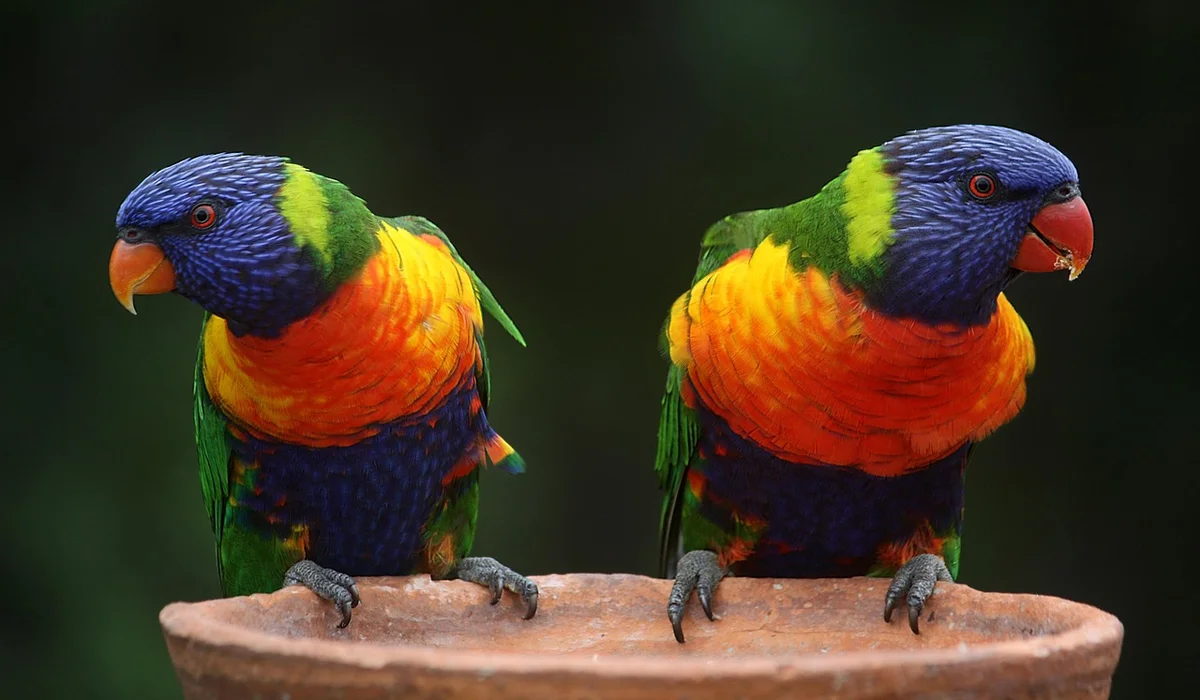
Keeping your parrot’s mind active is just as vital as providing a healthy diet and a spacious cage. I’ve spent years watching my own flock—Kiwi, Sunny, and Sage—thrive on these mental workouts, and I’m excited to share our favorites with you. That also means creating a safe, stimulating indoor flight environment for your parrot.
Hide and Seek Surprises
This game taps into your parrot’s natural foraging instincts and turns snack time into a thinking game. My Green-cheeked Conure, Kiwi, absolutely adores this one. Simply hide small, high-value treats inside plain brown paper bags, under shreddable toys, or tucked safely within the folds of a clean dish towel.
- Start by letting your bird watch you hide a single, obvious treat.
- Use phrases like “Find it!” to create a fun cue.
- For larger parrots like my African Grey, hide treats inside crumpled paper balls or within a puzzle box.
- Always use healthy treats like a piece of walnut or a bit of millet spray.
Foraging Frenzy
A foraging toy is like a puzzle box filled with delicious rewards, and you can easily make one at home. I make simple ones for my Sun Conure, Sunny, using a cardboard toilet paper roll. Stuff it with crinkly paper and a few nutri-berries, then fold the ends closed.
- Gather safe materials: untreated wood blocks, cardboard, natural paper.
- Create layers for your parrot to dismantle to reach the food inside.
- For smaller birds, a small cardboard box with holes poked in it works perfectly.
- For clever birds like Greys, use a small plastic container with a lid they must learn to slide open.
Target Training Tricks
Target training is a foundational skill that builds communication and trust between you and your bird. I taught Sage to touch the end of a chopstick, and it opened the door to so many other behaviors.
- Choose a target stick-a chopstick, a pen with the retracted tip, or a wooden dowel.
- Present the stick. The moment your parrot looks at or moves toward it, say “Yes!” and give a tiny treat.
- Wait for them to accidentally touch it with their beak. Immediately reward!
- Soon, they will deliberately touch the target. You can then guide them to turn in a circle or step onto a scale.
Sorting Shenanigans
This game introduces basic categorization, a task that really gets those grey cells firing. Start with something simple, like different colored wooden beads or large buttons.
- Provide two or three small bowls.
- Place a single red bead in one bowl and a single blue bead in another.
- Hand your parrot another red bead and encourage them to drop it into the bowl with the matching color.
- My conures love this, but my African Grey took to it with a methodical focus that amazed me.
Puzzle Feeder Play
Puzzle feeders require your parrot to solve a physical problem to access their food. They are fantastic for preventing boredom.
- Slider puzzles: A treat is hidden under a block your bird must slide open.
- Rotating puzzles: Cups or lids must be spun to reveal hidden compartments.
- Foraging wheels: Your parrot must spin a wheel to align holes and release treats.
- Always supervise the first few uses to ensure your bird understands the concept and doesn’t get frustrated.
Mirror Magic Moments
Mirrors can be intriguing, but they must be used with care to prevent obsessive behavior. I use a small, bird-safe acrylic mirror as a temporary toy, not a permanent fixture.
- Introduce the mirror for short, supervised sessions of 10-15 minutes.
- Place a treat on the mirror’s surface to create a positive association.
- Watch for signs of aggression or mating behavior toward the reflection. If you see this, remove the mirror immediately.
- For single birds, it can provide some company, but interaction with you is always better.
Toy Rotation Revelry
A novel toy is a “new problem” for your parrot’s brain to solve, which is the essence of cognitive enrichment. I keep a toy box in the closet and swap out a few items in their cages every week.
- Maintain a collection of 10-15 different toys.
- Rotate 2-3 toys every 5-7 days.
- This keeps the environment fresh and exciting without overwhelming your bird.
- When an “old” toy comes back after a few weeks, it’s often greeted like a brand-new treasure.
Shredding Sessions
Destruction is a natural and highly satisfying behavior for parrots, and we can channel it into a constructive brain game. The act of shredding is incredibly mentally stimulating.
- Offer cardboard egg cartons, untreated wicker baskets, or palm leaf shredders.
- Weave strips of natural leather through the bars of the cage with treats tucked inside.
- Create a “pinata” by stuffing a brown paper lunch bag with crinkle paper and a few almonds.
- Always ensure any dye is vegetable-based and non-toxic.
Treasure Hunt Thrills
Turn your living room into an adventure zone with a parrot-safe scavenger hunt. This is a fantastic activity for out-of-cage time. For a longer-term setup, check out the Building Parrot Safe Bird Room Complete Design Guide for ideas on a safe, stimulating space.
- Create a simple “map” using picture cards that show where treats are hidden.
- Start with an easy trail: a treat on the play gym, then one on a specific chair, then one on their cage door.
- Use verbal cues like “Warmer!” and “Colder!” as they get closer to the prize.
- This game builds problem-solving skills and strengthens your bond through shared play.
Interactive Command Games
Teaching simple commands is a direct way to engage your parrot’s intellect and build your shared language. Start with one command at a time and keep sessions short and sweet.
- “Step Up”: The most fundamental command. Offer your hand and reward the second one foot is lifted.
- “Turn Around”: Use a target stick to guide them in a circle.
- “Wave”: Hold a treat in your closed hand. When they use their foot to investigate, mark and reward that foot lift.
- Practice for just 5 minutes a day. Patience and positive reinforcement are everything.
DIY Brain Games: Homemade Enrichment Ideas
You don’t need a big budget to provide excellent mental stimulation-your recycling bin is a treasure trove of possibilities. I’ve made some of my flock’s most beloved toys from everyday items, always putting their safety first.
- Cardboard Kabob: Stack cardboard circles from old boxes onto a sturdy, bird-safe wooden dowel. Alternate with untreated wood blocks for a colorful, destructible toy.
- Paper Bag Surprise: Take a small paper lunch bag, put a few treats inside, and crumple the top closed. Hang it in the cage for a quick foraging fix.
- Muffin Tin Game: Place a small treat in a few cups of a muffin tin. Cover all the cups with balls, small cups, or crumpled paper. Your parrot must remove the covers to find the prizes.
- Bottle Feeder: Clean a plastic water bottle thoroughly. Cut a few holes in the sides large enough for treats to fall out. Fill it with pellets and seeds. Your bird will learn to roll and shake it to get food.
Before giving any homemade toy to your parrot, perform a thorough safety check. Tug on all parts to ensure they are secure. Make sure there are no sharp edges, loose strings, or small parts that could be swallowed. Supervise your bird closely with any new toy, especially one you’ve made yourself, to see how they interact with it. For more guidance on crafting safe toys, check out our DIY parrot toy tutorial.
Advanced Brain Games and Tailoring for Species

Once your parrot masters simple challenges, it’s time to level up with complex brain games that test their problem-solving skills. Multi-step puzzles are fantastic for experienced birds because they mimic the sequential thinking parrots use in the wild to find food. For example, you can set up a puzzle where your parrot must first open a small drawer, then slide a latch, and finally retrieve a treat from inside-this keeps their mind engaged in a rewarding chain of actions.
- Try a “foraging tower” with multiple compartments that require different actions to access, like twisting lids or pulling strings.
- Create a “puzzle box” where your bird has to remove several obstacles in order, such as pulling out pegs before lifting a lid.
- Use interactive toys that change with each step, like a ball that releases seeds only after it’s rolled in a specific pattern.
Different parrot species have unique strengths, so tailoring games to their natural behaviors makes all the difference. African Greys, like my Sage, excel at logic-based puzzles because of their incredible memory and reasoning skills-they thrive on games that involve matching shapes or solving simple “if-then” scenarios. Conures, such as my playful Kiwi and social Sunny, often prefer activities that involve physical interaction and noise, like dismantling stacked cups or playing with sound-making toys that reward them for persistence.
- For African Greys: Focus on puzzles that require delayed gratification, such as hiding treats under cups and having them choose the correct one after a wait.
- For Conures: Opt for games that incorporate climbing or chewing, like a rope ladder with hidden snacks tied along the way.
- For larger parrots like Macaws: Use sturdy, destructible toys that challenge their beak strength and coordination in multi-part tasks.
Adapting games based on your parrot’s intelligence and personality ensures they stay motivated without feeling overwhelmed. I always watch how my birds respond-if Kiwi gets bored quickly, I add more movement to the game, but with Sage, I increase the complexity to keep her sharp. Start by observing what naturally intrigues your bird; a curious parrot might love exploration-based games, while a cautious one may need simpler, step-by-step introductions to build confidence.
- If your parrot is highly intelligent, gradually introduce games with hidden rules or varying outcomes to prevent boredom.
- For less confident birds, break down multi-step puzzles into smaller, achievable parts and reward each success to build trust.
- Rotate games regularly to match their mood and energy levels-just like people, parrots have days when they want a challenge and others when they prefer something familiar.
How to Know If Your Parrot Enjoys Brain Games
Recognizing when your parrot is having fun with brain games is key to keeping them engaged and happy. Look for bright eyes, relaxed feathers, and enthusiastic chirps or whistles—these are clear signs they’re enjoying the mental stimulation. Eager participation, like immediately approaching the puzzle or trying to “help” you set it up, shows they’re excited and invested in the activity. Knowing these signs can help you ensure your parrot’s well-being.
- Vocalizations: Happy squawks, mimicry, or soft chattering indicate they’re engaged and content.
- Body language: A slightly raised head, fluffed feathers, and gentle preening during play signal relaxation and enjoyment.
- Active involvement: Quickly solving puzzles, repeating actions for more rewards, or bringing toys to you for another round.
It’s just as important to spot when your parrot needs a break to avoid stress. Watch for flattened feathers, rapid breathing, or aggressive pecking at the game – these cues mean it’s time to adjust or stop altogether. If your bird turns away, hides, or becomes unusually quiet, they might be feeling overwhelmed or frustrated, so step back and try a simpler version later. To bring your parrot back to its cage stress-free sessions near the cage, try short, calm sessions with a favorite treat. Pair this with a soothing voice and gradual, positive reinforcement so the bird associates the cage with safety rather than stress.
- Adjust the game if you see repetitive, frantic movements or loss of interest-shorten the steps or reduce the difficulty.
- Stop immediately if there’s any sign of fear, like cowering or loud, distressed calls, and give them space to calm down.
- Offer a favorite treat or a calm petting session to reassure them and end on a positive note.
From my own flock, I’ve learned that each bird has their own way of showing enjoyment. Sunny, my Sun Conure, gets so excited during puzzle games that she’ll dance around and “talk” to the toys, while Sage, my African Grey, will quietly study a challenge for minutes before solving it with precise movements. Kiwi, the Green-cheeked Conure, often lets out playful screeches when he figures something out, which tells me he’s proud of his accomplishment. Paying attention to these small details helps you tailor future games to what truly makes your parrot light up.
FAQs
What are parrot brain games?
Parrot brain games are activities that challenge their minds through puzzles, foraging, and interactive play. They tap into natural instincts to keep birds mentally engaged and prevent boredom.
Can brain games help with parrots’ behavior?
Yes, brain games can curb unwanted behaviors like excessive screaming or feather-plucking by providing constructive mental outlets. They also promote calmness and build trust through positive reinforcement.
Are there any safety tips for parrot brain games?
Always supervise your parrot during play to prevent accidents or ingestion of harmful materials. Check toys for sharp edges, loose parts, or toxic dyes before each use to ensure a safe environment. These are essential steps to parrot-proof the room for safe flight. This helps ensure your bird can fly safely and confidently.
How can you tell if a parrot enjoys brain games?
Look for signs like bright eyes, relaxed body language, and eager participation, such as chirping or quickly solving puzzles. If your bird avoids the game or shows stress, it may need a break or simpler setup.
Which parrot species benefit most from brain games?
All parrots benefit, but highly intelligent species like African Greys excel at logic-based challenges, while active birds like Conures enjoy physical puzzles. Tailoring games to their natural traits maximizes engagement and mental growth.
In Closing
Keeping your parrot’s mind active is just as vital as feeding them a healthy diet. If your bird seems bored, it’s often a sign they need more mental stimulation, and that’s where I can help. We’ve explored ten brain games for parrots, from foraging challenges to puzzle toys, that turn everyday routines into exciting mental workouts for your feathered friend. For more insights, check out our article on mental stimulation for parrots and discover various parrot boredom solutions.
Your commitment to learning and growing alongside your parrot is the foundation of their happiness. By staying curious about their needs and behaviors, you build a deeper bond and ensure you’re providing the most enriching life possible for your intelligent companion. Routine training gives you practical tools to address common behavioral issues by reinforcing calm, desired actions. With short, consistent sessions, you redirect behavior into positive routines and strengthen trust.
Further Reading & Sources
Suzanne Levine is a dedicated parrot enthusiast and experienced avian caregiver with over 15 years of hands-on experience in parrot care. As the founder of Parrot Care Central, Suzanne is passionate about sharing her knowledge and insights to help fellow parrot owners provide the best possible care for their feathered friends. Her expertise spans nutrition, behavior, health, and enrichment, making her a trusted resource in the parrot care community.
Enrichment Activities