
Socialization Slip-ups: 8 Mistakes That Can Create a Fearful Parrot
Are you noticing your parrot acting skittish or hiding, and you’re concerned your social efforts might be backfiring?
From my time with Kiwi, my Green-cheeked Conure, I learned that even small missteps in handling can plant seeds of fear. I’m here to guide you through the common errors so your feathered friend feels secure and joyful.
We will focus on three essential areas to transform your approach:
- Spotting subtle signs of stress before they turn into big fears.
- Avoiding actions that break trust instead of building it.
- Creating a calm environment that encourages curiosity over caution.
You will get straightforward steps to correct these habits and see real change. The article walks you through forcing interactions, ignoring body language, loud settings, inconsistent routines, poor enrichment, rushed introductions, harsh corrections, and overlooking health links.
Forcing Friendships Too Fast
I learned this the hard way with my Green-cheeked Conure, Kiwi. I was so excited for him to meet my friend that I plopped him on her shoulder immediately. Moving too quickly can permanently damage the trust you’re trying to build. Parrots need to feel in control of their social interactions.
Why Rushing Ruins Everything
Think of it like being introduced to a stranger who immediately gets in your personal space. You’d back away, right? Your parrot feels the same panic.
- It shatters their sense of safety, making your hands seem like unpredictable threats.
- Forced interactions teach them that new people or situations lead to scary outcomes.
- This can trigger defensive behaviors like biting or screaming that are hard to unlearn.
How to Build Trust at Their Pace
Patience isn’t just a virtue; it’s the foundation of a confident parrot. Watch their body language like a hawk.
- Start with parallel presence. Just sit near their cage and read a book or talk softly.
- Offer high-value treats from a distance, letting them decide to approach.
- Progress to having a new person offer a treat without making direct eye contact.
- Celebrate every small step forward, even if it’s just a calm glance.
The goal is to make every new experience a positive choice, not a frightening obligation. My African Grey, Sage, took weeks to accept my partner, but that slow build created an unbreakable bond.
Ignoring Your Parrot’s Fear Signals
Parrots are masters of subtle communication. Missing their “I’m scared” cues is like ignoring a smoke alarm. Recognizing fear early is your most powerful tool for preventing long-term phobias.
Decoding the Body Language of Fear
Their feathers and eyes tell a story if you know how to read it.
- Pinning Eyes: Their pupils rapidly dilating and constricting is a major sign of high arousal, which can be excitement or fear. Context is key.
- Flattened Feathers: They’re making themselves look smaller to avoid detection, a classic “leave me alone” signal.
- Crouching & Hissing: This is a final, clear warning before a potential bite. It means “back off now.”
- Attempted Escape: Frantically flying away or scrambling to the back of the cage screams pure panic.
What to Do When You See the Signs
Your immediate reaction can either calm the storm or fuel the fire.
- Stop what you’re doing immediately. Do not push through their discomfort.
- Give them space. Sometimes the kindest thing you can do is walk away and let them decompress.
- Speak in a soft, reassuring tone. A calm voice can be a lifeline for a scared bird.
- Later, reassess the situation. What triggered the fear? A specific object, a loud noise, a fast movement?
By respecting their fear, you teach them that you are a source of safety, not stress. I’ve seen my Sun Conure, Sunny, go from terrified of a new toy to playing with it happily, all because I honored her initial hesitation and introduced it slowly.
Creating Chaos with Inconsistent Routines
Parrots are creatures of habit who find immense comfort in a predictable daily rhythm. My Green-cheeked Conure, Kiwi, thrives when his day follows a familiar pattern of breakfast, play, and evening wind-down. When that pattern gets disrupted, I see his anxiety spike instantly. His feathers might fluff, or he’ll start pacing on his perch.
Imagine if your work schedule, meal times, and bedtime changed randomly every single day. You’d feel stressed and on edge. That’s exactly what an inconsistent routine does to your parrot.
Why Predictability is a Parrot’s Safe Space
- Reduces overall anxiety and stress hormones.
- Builds a foundation of trust, as your bird learns what to expect from you and its environment.
- Prevents behavioral issues like screaming, feather plucking, and fear-based biting.
Simple Steps to a Solid Routine
- Set consistent times for uncovering the cage in the morning and covering it at night.
- Offer fresh food and water at the same times each day.
- Schedule daily training and out-of-cage play sessions for mental stimulation.
Your parrot doesn’t need a military-level schedule, just a reliable flow to its day. A stable routine is the silent language that tells your bird, “You are safe here.”
Handling Errors That Break Trust
How you physically interact with your parrot can either build a bridge of trust or burn it down in an instant. I learned this the hard way with my Sun Conure, Sunny, when I once moved too quickly to get him back in his cage. That single moment of impatience set our bond back by weeks. He became wary of my hands. Rebuilding that trust takes time, patience, and consistent, gentle handling. Small, positive interactions can gradually restore confidence.
Forcing a parrot to step up, grabbing them, or restraining them against their will is a major trust-breaker. Their instinct is to flee from a threat, and a forceful hand can look a lot like a predator.
Gentle Handling vs. Forceful Mistakes
- Do: Offer your hand as a steady, inviting perch and use a verbal cue like “Step up.”
- Don’t: Chase your bird around the cage or force them to step up when they are clearly frightened.
- Do: Respect a parrot’s “no.” If they back away or lean away from your hand, try again later.
- Don’t: Grab your parrot from above, mimicking how a hawk would attack its prey.
Reading Your Parrot’s Body Language
Your parrot is constantly telling you how it feels. Learning to read pinning eyes, fluffed feathers, and crouching postures is your key to avoiding handling disasters. A relaxed parrot will have smooth feathers, may grind its beak, and will approach your hand willingly.
Trust isn’t built in a day, but it can be shattered in a second. Always let your parrot feel like it has a choice in the interaction, and you’ll be rewarded with a confident, willing companion. These bonding techniques that work build trust through short, positive sessions. Stay consistent and patient for real bonding.
Environmental Stress Bombs
Parrots are super sensitive to their surroundings, and little changes can feel like big explosions of stress to them. I’ve seen how a sudden noise or shift in routine can send my Green-cheeked Conure, Kiwi, into a flurry of feathers, making him wary for days. It’s not just about loud sounds; even subtle environmental shifts can build up fear over time. That’s why mindful noise management matters—shaping our household soundscape can help your parrot manage noise and reduce stress. A calmer environment means a calmer bird.
Travel and Vet Visit Anxiety
Taking your parrot out of their safe space can be a major trigger for fear. When I first traveled with Sunny, my Sun Conure, I learned that rushing the process made her anxious and less trusting of new experiences. Here’s how to avoid common slip-ups:
- Practice short car rides in their carrier before big trips to build comfort.
- Bring familiar toys or perches to the vet to create a sense of home.
- Keep voices calm and movements slow to prevent startling them.
From my experience, parrots like Sage, my African Grey, pick up on your energy—if you’re stressed, they will be too. If you’re traveling with a parrot, these are essential steps to keep them calm and safe. They’ll help you both enjoy the journey. Always advocate for their welfare by choosing quiet, pet-friendly travel options to reduce their anxiety.
The Loneliness Trap
Parrots are social creatures, and leaving them alone too often can lead to deep-seated fear. I’ve noticed that when Kiwi doesn’t get enough interaction, he becomes jumpy and less confident around everyday sounds. This loneliness isn’t just about physical isolation; it’s about missing out on mental stimulation and bonding.
Stranger Danger Mishaps
Introducing new people the wrong way can turn your parrot into a fearful mess. With Sage, I once had a friend approach too quickly, and it took weeks to rebuild her trust after that scare. Follow these steps to handle strangers smoothly:
- Let your parrot observe new people from a distance first to gauge their comfort.
- Use treats and gentle words to create positive associations with unfamiliar faces.
- Avoid forcing interactions; allow your bird to initiate contact when ready.
Based on my life with parrots, I’ve found that gradual exposure works wonders. Remember, a fearful parrot isn’t being difficult-they’re just asking for patience and understanding to feel safe again. Regular training and routine can help build that trust over time.
Training Missteps That Backfire
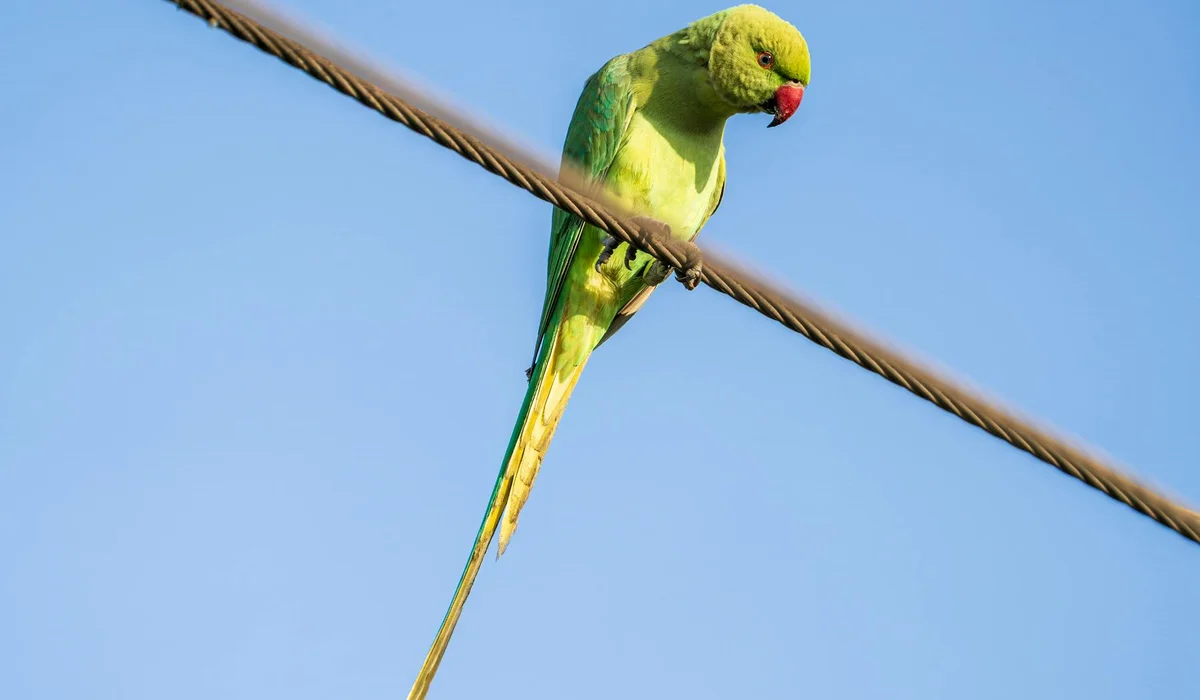
Many well-intentioned training sessions can accidentally teach your parrot to be afraid. Pushing your bird too far, too fast is the most common mistake I’ve made with my own flock. I learned this the hard way with Kiwi, my green-cheeked conure; one rushed session set our trust-building back by weeks.
Forcing Interactions
Grabbing your parrot or forcing it to step up tells them that your hands are unpredictable and scary. Your parrot should always feel like it has a choice during interactions. A bird that feels cornered will eventually bite or flee, reinforcing its own fear. To stop your parrot from biting, follow a simple step-by-step training guide that builds trust and teaches calmer, voluntary interactions.
- Never chase your parrot around the cage.
- Avoid looming over your bird, which mimics a predator.
- Let the parrot come to you, even if it takes multiple sessions.
Using Punishment
Yelling, spraying with water, or cage-tapping to stop unwanted behavior creates a nervous bird. Punishment doesn’t teach your parrot what you *want*, only that you are frightening. My sun conure, Sunny, would fluff up and hide if I even picked up a spray bottle near her.
- Focus on rewarding the behaviors you like.
- Ignore minor misbehaviors when possible.
- Manage the environment to prevent problems before they start.
Inconsistent Routines
Parrots are creatures of habit who find comfort in predictability. A chaotic daily schedule with irregular feeding, sleeping, and out-of-cage time keeps your bird in a constant state of low-grade stress. This makes them more prone to fearfulness.
- Stick to a regular wake-up and bedtime.
- Feed meals and offer out-of-cage time at similar hours each day.
- Keep training sessions short and positive.
Overcrowding with New Experiences
Trying to introduce too many new toys, people, or sounds at once is a classic blunder. Flooding your parrot with novelty doesn’t build confidence; it overwhelms their senses. I introduced a new foraging toy and a mirror on the same day to Sage, my African Grey, and he refused to leave his perch for hours.
- Introduce one new item at a time.
- Place new objects near, but not inside, the cage initially.
- Let your parrot observe and investigate at its own pace.
Rebuilding Trust After Mistakes
If you’ve recognized some of these errors, don’t despair. Parrots are remarkably forgiving. Rebuilding a bond with a fearful parrot is a journey of patience, not a race. It requires you to become a consistent, positive presence in their world and to dispel common myths about parrot behavior.
Return to the Basics
Go back to square one as if you just brought your parrot home. Focus on simply being in the same room without making any demands. Sit near the cage, read a book aloud in a calm voice, or quietly eat your own meals nearby. Your peaceful presence is the foundation for building trust and can also help ease separation anxiety in parrots.
- Spend at least 15-30 minutes daily in passive, non-threatening proximity.
- Avoid direct eye contact initially, as this can be perceived as a threat.
- Speak softly and offer gentle praise just for being calm.
Read Their Body Language
Your parrot communicates its comfort level constantly. Learning to interpret pinning eyes, fluffed feathers, and tense postures is your superpower for rebuilding trust. Pushing an interaction when your bird shows stress signals will undo your progress.
- Relaxed posture and soft eyes: Your parrot is comfortable.
- Pinned eyes with a crouched body: Your parrot is over-stimulated or scared.
- Hissing or lunging: Back off immediately; you’ve moved too close, too fast.
Re-introduce Your Hands Positively
If your hands have become a source of fear, you must change their association. Your hands should only bring fantastic things, like high-value treats. Start by simply placing a favorite nut or piece of fruit in the food bowl. Then, progress to holding the treat just inside the cage door.
- Offer treats from an open palm outside the cage bars.
- Once comfortable, rest your hand inside the cage door without moving.
- Progress to asking for a simple “step up” onto a perch you are holding.
Establish Predictable Rituals
Create small, positive routines that your parrot can look forward to. Consistency tells your parrot that its world is safe and that you are a reliable part of it. For Sage, our morning ritual of a single sunflower seed offered through the bars became a cornerstone of our rebuilt trust.
- A special good morning and good night greeting.
- A specific, favorite treat offered only after training.
- A gentle scratch routine, if and when your bird is ready.
FAQs
How can I tell if my parrot’s fear is related to a health problem?
Sudden or unexplained fearfulness, especially when paired with symptoms like lethargy or changes in eating habits, may indicate an underlying health issue. It’s crucial to schedule a check-up with an avian veterinarian to rule out medical causes before addressing behavioral concerns.
What should I do if my parrot seems fearful of specific objects in the home?
Start by placing the feared object at a distance where your parrot remains calm and offer high-value treats to create positive associations. Gradually move the object closer over multiple sessions, always allowing your bird to retreat if it shows signs of stress.
Are there any long-term effects of fear on a parrot’s behavior?
Prolonged fear can lead to chronic issues such as feather plucking, excessive screaming, or aggression, which are challenging to reverse. Early intervention with consistent, positive reinforcement training can help prevent these behaviors from becoming permanent.
Closing the Loop
Building a confident parrot boils down to avoiding a few key missteps: never force interactions, always let your bird set the pace, and use treats to make new experiences positive. Patience and consistency are your most powerful tools for transforming fear into trust. That’s the core of positive reinforcement training for parrots: reward the behaviors you want with praise or a treat, and let the bird guide the pace.
Remember, owning a parrot is a long-term commitment to learning and adapting. Before you choose, assess whether your home lifestyle can accommodate a highly social, sometimes noisy companion. Take time to pick a parrot whose energy and needs fit your routine. Keep educating yourself on their complex needs, and you’ll be rewarded with a deeply bonded, happy companion for life.
Further Reading & Sources
- Trained Parrot Blog – Socizliazing a Parrot to Visitors
- r/parrots on Reddit: Socializing a VERY friendly parrot
- Social Time
Suzanne Levine is a dedicated parrot enthusiast and experienced avian caregiver with over 15 years of hands-on experience in parrot care. As the founder of Parrot Care Central, Suzanne is passionate about sharing her knowledge and insights to help fellow parrot owners provide the best possible care for their feathered friends. Her expertise spans nutrition, behavior, health, and enrichment, making her a trusted resource in the parrot care community.
Socialization