
African Grey Parrot Size, Weight, and Care Guide
Published on: March 18, 2026 | Last Updated: March 18, 2026
Written By: Suzanne Levine
Are you wondering if an African Grey Parrot will comfortably fit into your space or if their care demands more than you can handle? Many potential owners feel this uncertainty, but with the right knowledge, you can make an informed decision that benefits both you and the bird.
I’ve spent years caring for my African Grey, Sage, and I’m here to break down the essentials so you feel confident. You’ll walk away with clear insights on:
- Their exact size and how it impacts your home setup
- Healthy weight ranges to monitor for their well-being
- Practical daily care tips from my hands-on experience
Rest easy-this guide offers straightforward advice without the fluff. We’ll cover size, weight, diet, housing, behavior, health care to give you a full picture of what it takes to nurture these intelligent companions responsibly.
What Makes African Grey Parrots Wonderful Companions?
Living with my African Grey, Sage, for the past eight years has been a masterclass in avian intelligence. He doesn’t just mimic words; he uses them contextually, asking for his favorite nut by name when he sees the jar. Their cognitive abilities are often compared to a young child’s, capable of solving puzzles and understanding complex concepts. Sage’s calm demeanor hides a wonderfully curious and observant personality-he watches everything and learns quickly, for better or worse!
Pros and Cons as Family Pets
- Pros: Exceptionally intelligent and great talkers; form deep, lifelong bonds; generally less noisy than some larger parrots; captivating and entertaining personalities.
- Cons: Prone to feather plucking if bored or stressed; produce a fine powdery dust; require a massive time commitment; can be nervous or shy around new people.
From my experience, Sage is incredibly friendly once he trusts you, but he’s very selective. African Greys are flock animals by nature, so they see their human family as their flock and crave daily social interaction. They bond intensely with one or two people, often shadowing them around the house. This need for connection means they aren’t a pet you can ignore; they require your time and mental engagement every single day.
African Grey Size and Weight: What to Expect
African Greys are considered medium-sized parrots, but their presence is anything but medium. They have a sturdy, compact build that feels substantial when they perch on your arm. A healthy adult typically weighs between 400 to 650 grams, with most settling comfortably around the 450-550 gram mark. Keeping your Grey within this healthy weight range is a key part of weight management and obesity prevention. Regular monitoring of diet, activity, and body condition helps maintain this balance. Their size and weight can be influenced by their subspecies, age, and overall health, with younger birds being a bit lighter as they fill out.
| Species | Average Length | Average Weight | Distinguishing Feature |
|---|---|---|---|
| Congo African Grey | 12-14 inches (30-36 cm) | 400-650 grams | Solid black beak, bright red tail |
| Timneh African Grey | 10-12 inches (25-30 cm) | 275-400 grams | Bone-colored upper mandible, darker maroon tail |
How Big Do African Grey Parrots Get?
A Congo African Grey, like my Sage, typically reaches 12 to 14 inches (30-36 cm) from head to tail. To put that in perspective, they are significantly larger than a cockatiel but more streamlined than a bulky Amazon parrot. Their wingspan is impressive, often matching their body length, which is why they need ample space. Parrot housing cage requirements vary by species, with larger species needing more space for wing expansion and exercise. When selecting a cage, follow size guidelines tailored to the bird’s species and activity level. I found that a cage measuring at least 36″ W x 24″ D x 48″ H is a good starting point, with perches of varying diameters (0.75 to 1.5 inches) to keep their feet healthy.
Monitoring Weight for a Healthy African Grey
Keeping track of your parrot’s weight is one of the simplest and most effective ways to monitor their health. A sudden drop can signal illness, while a steady climb might mean too many fatty treats. I weigh Sage every weekend using a simple digital kitchen scale that measures in grams for the utmost accuracy. He steps right onto it for a small piece of walnut, making it a positive experience. Consistency is key—weigh your bird at the same time of day, ideally in the morning before their first meal. This practice is part of parrot weight management and helps you tell if your bird is overweight. If the readings trend upward over several weeks, you may need to adjust diet and activity, and consult a veterinarian for guidance.
- Purchase a reliable digital scale that measures in grams.
- Place a small perch or a bowl your bird is comfortable standing on atop the scale.
- Tare the scale to zero so it only measures your bird’s weight.
- Encourage your parrot to step onto the perch with a favorite treat.
- Record the weight in a notebook or an app to track trends over weeks and months.
This routine has helped me catch a minor issue with Sage early on. Regular weight checks provide a concrete baseline, so you’re not just guessing about your bird’s well-being. An overweight African Grey is at risk for fatty liver disease, while an underweight one could be hiding an infection or nutritional deficiency. Loss of appetite is a red flag that deserves attention. For concerned owners, a loss of appetite diagnostic checklist can help you track changes and discuss them clearly with your vet.
Congo vs. Timneh African Grey: Which Is Right for You?
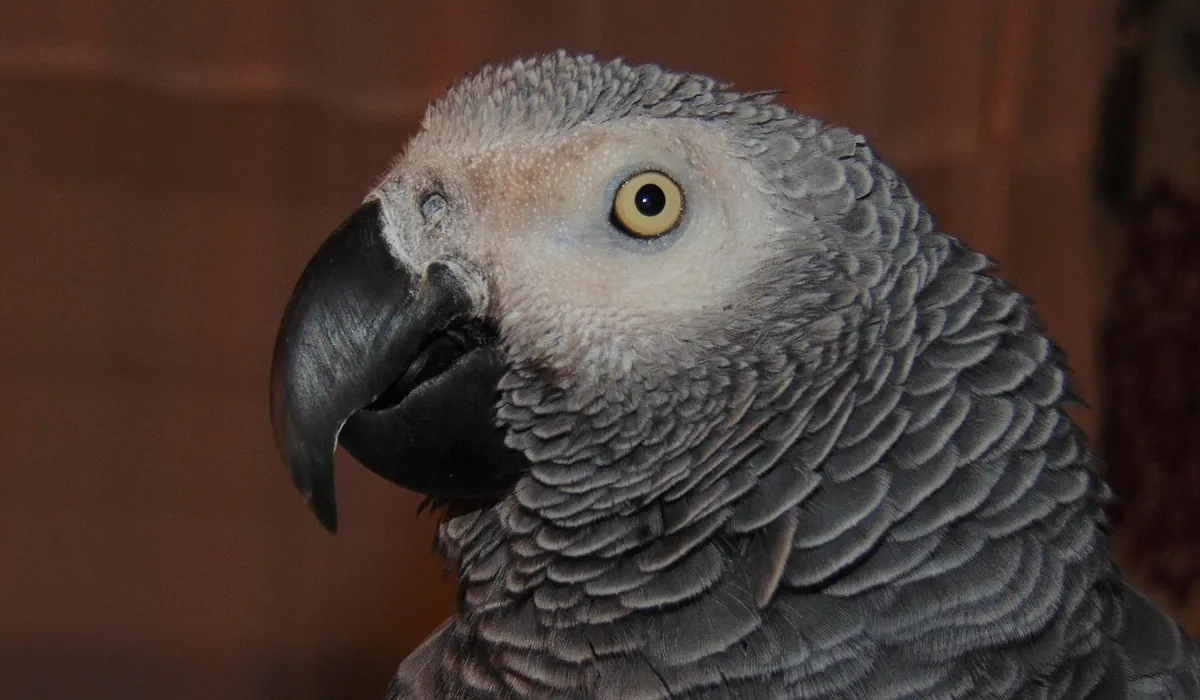
Choosing between Congo and Timneh African Greys hinges on subtle yet impactful differences in their physical traits and personalities. Congo African Greys typically stand out with their larger build and vibrant red tail feathers, while Timnehs present a more subdued, darker appearance with a maroon tail.
- Size: Congo averages 12-14 inches and 400-650 grams; Timneh is smaller at 9-11 inches and 275-375 grams.
- Colors: Congo sports light grey plumage with a bright red tail; Timneh features charcoal grey feathers and a deep maroon tail.
- Temperament: Congo tends to be highly vocal and intelligent, sometimes more sensitive; Timneh often shows greater adaptability and a calmer demeanor in new environments.
After years with my Congo African Grey, Sage, I’ve seen how his sharp mind thrives on routine and gentle handling. Timnehs, from what I’ve observed in avian communities, can be a better match for families with varying schedules due to their resilient nature.
Essential African Grey Care: Daily Routines and Social Needs
African Greys demand consistent social engagement to ward off loneliness and behavioral issues. Daily interaction isn’t just a bonus-it’s a necessity for their emotional well-being and mental sharpness.
Follow these steps to create a balanced daily schedule:
- Start with morning bonding: Dedicate 20-30 minutes to talking, handling, or supervised out-of-cage play to kick off their day.
- Incorporate mental challenges: Introduce new toys or training exercises mid-day to keep their intellect engaged.
- Prioritize restful sleep: Provide 10-12 hours of uninterrupted darkness in a quiet space to support their health.
Gentle, frequent handling builds a strong bond and reduces stress. I make handling Sage a daily ritual, using soft words and favorite treats to reinforce trust and comfort.
Companionship plays a huge role in their happiness-while some do well with just human interaction, others may need a feathered friend. Based on Sage’s contented solo life with plenty of attention, I’d say a second bird isn’t essential if you can commit to daily quality time.
Enrichment and Mental Stimulation Ideas
Enrichment is key to preventing boredom and promoting a lively, healthy parrot. Regularly swapping out activities mimics their natural foraging instincts and keeps their minds active. In the ultimate guide to foraging that enriches your parrot’s diet, these ideas help turn play into nutritious meals. By hiding treats and fresh produce, you can boost variety and intake while keeping training fun.
- Cage toys: Foraging toys that hide nuts or seeds encourage problem-solving and physical activity.
- Puzzles: Interactive puzzles, like ones with sliding parts or hidden compartments, challenge their intelligence.
- Activities: Short training sessions for tricks or vocabulary, which Sage adores-he lights up when learning new words.
Sage’s top pick is a simple cardboard box with hidden almonds; he’ll spend ages figuring it out. This game not only entertains him but also taps into his innate curiosity, much like life in the wild would.
Feeding Your African Grey: Diet and Nutrition Basics
A balanced diet for your African Grey starts with high-quality pellets making up about 70% of their meals. I always mix in fresh fruits like apples and berries, plus veggies such as carrots and leafy greens, to keep things varied and nutritious. My African Grey, Sage, thrives on this mix, and it helps prevent picky eating habits.
Supplements are key, especially calcium and vitamins. Without enough calcium, parrots can develop weak bones or egg-binding in females, so I add a cuttlebone or mineral block to Sage’s cage. This aligns with general parrot dietary guidelines. A balanced diet should include high-quality pellets, fresh fruits and vegetables, and clean water.
- Steps for introducing new foods:
- Offer tiny amounts mixed with their favorite treats to build trust.
- Gradually increase the portion over a week, watching for any aversions.
- Keep it fun by presenting foods in different shapes or as part of play.
- Ensuring proper hydration:
- Provide fresh, clean water daily in a sturdy bowl to avoid spills.
- Mist your parrot lightly with water a few times a week for bathing and drinking.
- Monitor water intake, especially in warm weather, to prevent dehydration.
Focus on variety to meet their high metabolic needs. From my experience, rotating foods weekly prevents boredom and ensures they get a range of nutrients without over-relying on one type. This approach has kept Sage healthy and energetic for years.
Housing and Environment: Creating a Safe Home
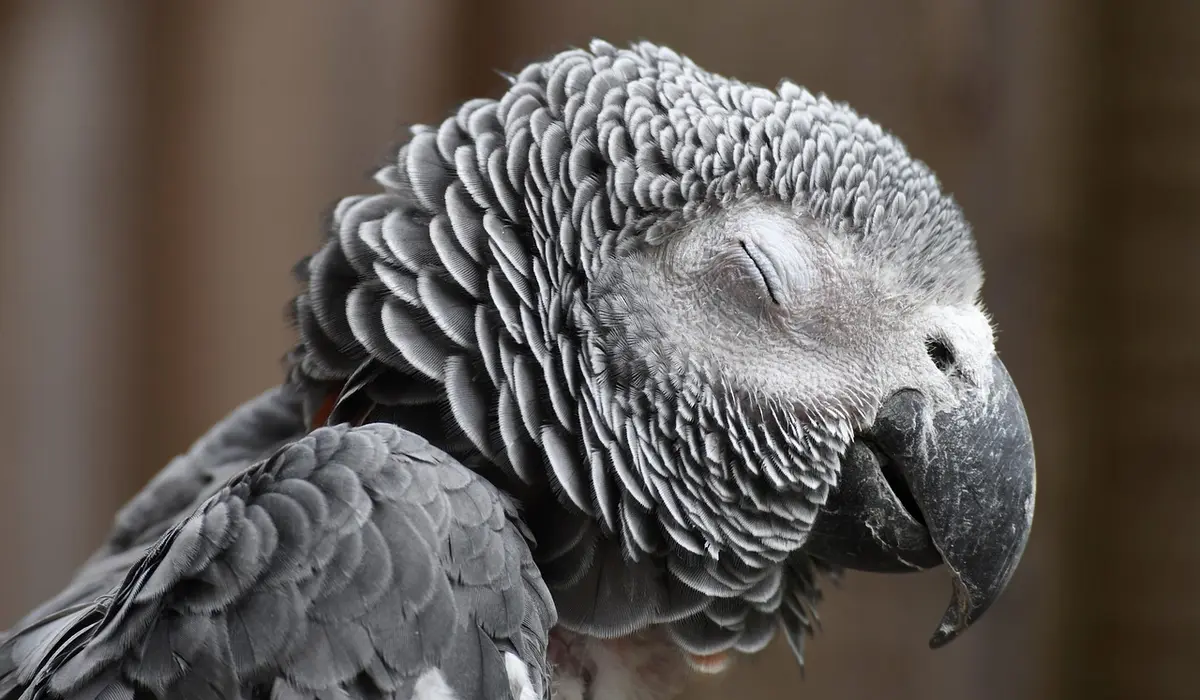
Your African Grey’s cage should be a spacious retreat, with a minimum size of 36 inches wide, 24 inches deep, and 36 inches high. Bar spacing between 3/4 to 1 inch is ideal to prevent escapes or injuries, something I learned after Sage once got her beak stuck in wider gaps. Bigger cages allow for more movement and reduce stress.
Essential supplies include a variety of perches, toys, and cleaning tools. Natural wood perches of different diameters help exercise their feet and prevent sores, while foraging toys keep their minds active. I use a bird-safe disinfectant and scrub brush for weekly cleanings to maintain hygiene.
- Cage placement tips:
- Set it in a quiet but social area of your home, away from drafts and direct sunlight.
- Ensure it’s at eye level or slightly higher to make your parrot feel secure.
- Leave space around the cage for easy access and to encourage out-of-cage play.
Comfort and exercise go hand in hand. I’ve found that placing perches at different heights and adding swings encourages natural behaviors like climbing and balancing. This setup has made Sage’s environment stimulating and safe, supporting her overall well-being.
Cage Size and Setup Guidelines
Opt for cages with dimensions at least 36x24x36 inches, though larger is always better for active birds like African Greys. Stainless steel or powder-coated materials are durable and non-toxic, which I prefer for Sage’s cage to avoid rust or harmful chemicals. These materials are easy to clean and last longer, saving you money over time.
- Must-have items for their living space:
- Multiple perches: Include natural wood, rope, and cement types for variety.
- Food and water dishes: Use heavy, tip-proof bowls to prevent messes.
- Toys: Rotate puzzle, shredding, and noise-making toys to prevent boredom.
- Lining material: Paper-based bedding or liners for easy waste cleanup.
- Play gym: An external stand or top perch for out-of-cage activities.
Proper setup supports their physical and mental health. By arranging items to mimic a natural habitat, you help reduce stress and promote behaviors like foraging, which I’ve seen keep Sage engaged and happy. Always prioritize safety and enrichment in every choice.
Health, Grooming, and Lifespan: Keeping Your African Grey Thriving
My African Grey, Sage, has taught me that their brilliant minds need equally brilliant physical care to truly flourish. A proactive approach to health and grooming is your best defense against common issues.
Common Health Issues and Preventative Grooming
African Greys are prone to specific health challenges, but many are manageable with consistent care.
- Aspergillosis (Fungal Respiratory Infection): This is a big one. I keep Sage’s environment clean and well-ventilated to prevent mold spores, a common cause.
- Psittacine Beak and Feather Disease (PBFD): This viral disease is devastating. Always quarantine new birds and have your vet test for it during annual check-ups.
- Calcium Deficiency: Greys are famous for needing extra calcium. I provide cuttlebone and calcium-rich vegetables to prevent seizures and brittle bones.
- Feather Plucking: Often a sign of boredom or stress. Sage has never plucked, thanks to a busy schedule of foraging toys and training sessions.
Grooming is more than just aesthetics; it’s about comfort and safety.
- Nail Trimming: I check Sage’s nails monthly. If they start to curl or snag on my shirt, it’s time for a careful trim with a pet nail grinder.
- Beak Maintenance: A healthy diet with crunchy nuts and wooden toys for chewing usually keeps the beak in shape. Unusual flaking or overgrowth needs a vet’s attention.
- Molt Cycles: Greys typically have one or two major molts a year. You’ll find tiny grey feathers everywhere! I increase protein in Sage’s diet during this time to support new feather growth.
Signs of a Healthy Bird vs. Veterinary Red Flags
Knowing what “normal” looks like for your bird helps you spot trouble early.
- Signs of Good Health: Bright, clear eyes; smooth, sleek feathers; consistent appetite and droppings; active and vocal behavior; curious and engaged personality.
- When to Call the Vet Immediately: Fluffed-up posture for long periods; sitting on the cage floor; labored breathing; watery or discolored droppings; sudden loss of appetite or voice; any bleeding or injury.
Trust your gut—if your bird seems “off,” it’s always better to be safe and get a professional opinion. An avian vet is a non-negotiable part of responsible Grey ownership. Unlike general practitioners, avian specialists understand parrots, and can provide targeted care that regular vets may miss.
Lifespan Expectations and Extending Their Golden Years
An African Grey isn’t a short-term commitment; they are a lifetime companion.
- Typical Lifespan: With proper care, African Greys commonly live between 40 and 60 years. Some even reach their 70s!
- How Proper Care Adds Years: A balanced, pellet-based diet prevents obesity and organ disease. Mental stimulation fights the depression that can shorten lifespans. A safe, stress-free environment is everything.
Think of your care as an investment in decades of companionship, laughter, and incredible conversations. The effort you put in today directly translates into more healthy years with your feathered genius.
FAQs
Where can I purchase a reliable African Grey care book?
You can find African Grey care books for sale on online platforms like Amazon or at specialty pet stores that carry avian literature. Look for books written by certified avian veterinarians or experienced breeders to ensure accurate and up-to-date information.
Are there free African Grey care guides available online?
Yes, many avian welfare organizations and parrot enthusiast websites offer free African Grey care guides in downloadable formats. These resources typically cover essential topics like diet, behavior, and habitat setup, making them useful for quick reference. Many of these guides also include sections on common parrot health concerns and prevention, effectively acting as a complete health guide. If you’re specifically seeking health-focused information, you’ll often find tips on recognizing symptoms and when to consult a veterinarian.
What should I include in an African Grey care sheet for daily use?
An African Grey care sheet should summarize key daily tasks, such as feeding times, social interaction schedules, and cage cleaning routines. It serves as a handy checklist to help you maintain consistent care and monitor your parrot’s well-being efficiently. You can extend this into a weekly and monthly cage maintenance checklist to cover deeper tasks. This approach helps ensure nothing is missed and routines stay thorough.
Final Words
From my time with Sage, my African Grey, I’ve seen how their medium size and weight around 400-650 grams mean they need spacious cages, a balanced diet rich in pellets and fresh foods, and plenty of mental toys to stay sharp. Providing consistent social interaction and regular vet check-ups keeps these intelligent birds thriving and happy in your home.
Caring for a parrot like an African Grey is a long-term commitment that demands patience and dedication to their well-being. Always prioritize learning through resources and communities to ensure you’re giving your feathered friend the best life possible, because responsible ownership makes all the difference. Separation anxiety in parrots is common, but you can help your bird cope when you’re gone. Establish a predictable routine and offer enrichment to ease departures.
Further Reading & Sources
- How to Care for an African Grey Parrot | Greeley Vets
- African Grey Parrot: Species Characteristics & Care
- How to look after an African Grey Parrot | Kellyville Pets
Suzanne Levine is a dedicated parrot enthusiast and experienced avian caregiver with over 15 years of hands-on experience in parrot care. As the founder of Parrot Care Central, Suzanne is passionate about sharing her knowledge and insights to help fellow parrot owners provide the best possible care for their feathered friends. Her expertise spans nutrition, behavior, health, and enrichment, making her a trusted resource in the parrot care community.
African Grey Parrots