
Separation Anxiety in Parrots: A Helpful Guide
Published on: March 2, 2026 | Last Updated: March 2, 2026
Written By: Suzanne Levine
That frantic squawking when you grab your keys isn’t just noise-it’s your parrot’s heart breaking because you’re leaving. I’ve been there, watching my own birds, Kiwi and Sunny, turn my departure into a full-blown feathered drama. It’s a real problem that tugs at your heartstrings every single day.
You’re not alone in this, and I’m here to help you understand and fix it. We’ll walk through this together, focusing on three core ideas:
- Why your parrot feels this deep-seated panic when you walk out the door.
- Practical, bird-tested strategies to build their confidence and independence.
- Creating a daily routine that makes your comings and goings no big deal.
By the end of this guide, you’ll have a clear action plan. We’re covering all the essentials:
Understanding parrot psychology, creating a safe environment, establishing a pre-departure routine, enrichment activities, training techniques, and knowing when to seek expert help. Routine training for parrot behavior can specifically address common behavioral issues by reinforcing calm, cooperative behaviors through consistent, positive sessions. Regular, short training sessions help birds learn expectations and reduce problem behaviors over time.
What Is Parrot Separation Anxiety and Why It Happens
Parrot separation anxiety is a deep-seated distress your bird feels when you leave its sight. This isn’t simple boredom; it’s a genuine panic rooted in their wild instincts. In nature, being alone often means being vulnerable to predators, so your departure can trigger a primal fear response.
From my years with my conures, Kiwi and Sunny, I’ve seen how their social needs drive this behavior. Parrots are flock animals, and you are their flock. When you vanish, it disrupts their entire sense of security and social order, leaving them feeling lost and unsafe. Understanding parrot flock dynamics in a human household helps you tailor daily routines and interactions to meet their needs, keeping them bonded and secure. With Kiwi and Sunny, that awareness guides how we share space and respond to their cues.
Several key factors can turn this natural worry into full-blown anxiety:
- Sudden Routine Changes: A new work schedule or a family member leaving the house can shatter their predictable world.
- Lack of Mental Stimulation: A bored parrot is an anxious parrot. Without foraging opportunities and toys, their mind fixates on your absence.
- Over-Bonding with a Single Person: If a bird depends solely on you for all social interaction, your absence becomes a crisis.
- Past Trauma or Rehoming: Birds like my African Grey, Sage, who have been rehomed, can have a heightened fear of abandonment.
Spotting the Signs of Bird Anxiety in Your Pet
Your parrot won’t tell you it’s anxious with words, but its behavior screams for help. Learning to read these subtle and not-so-subtle cues is your first step toward providing relief. I learned this the hard way when Kiwi started plucking feathers after I began working longer hours.
Listen closely for vocal distress signals. Constant, frantic screaming that starts the moment you leave the room is a major red flag. It’s not the normal morning chatter; it’s a desperate, repetitive call meant to locate its missing flock.
Watch for destructive physical actions. A stressed bird may turn its frustration inward or outward.
- Feather Plucking or Self-Mutilation: This is one of the most severe signs, where a bird literally tears out its own feathers or chews its skin.
- Cage Bar Chewing or Destruction: They might obsessively chew cage bars, shred perches, or fling food and toys in a fit of frustration.
- Pacing or Repetitive Movements: Constant back-and-forth walking on a perch or bobbing their head rhythmically signals high stress.
Pay attention to their eating and social habits. A sudden loss of appetite or a refusal to play with favorite toys can indicate deep depression linked to anxiety. You might also notice them trembling or cowering when you prepare to leave, anticipating the loneliness to come.
Why Your Parrot Feels Anxious When You’re Away
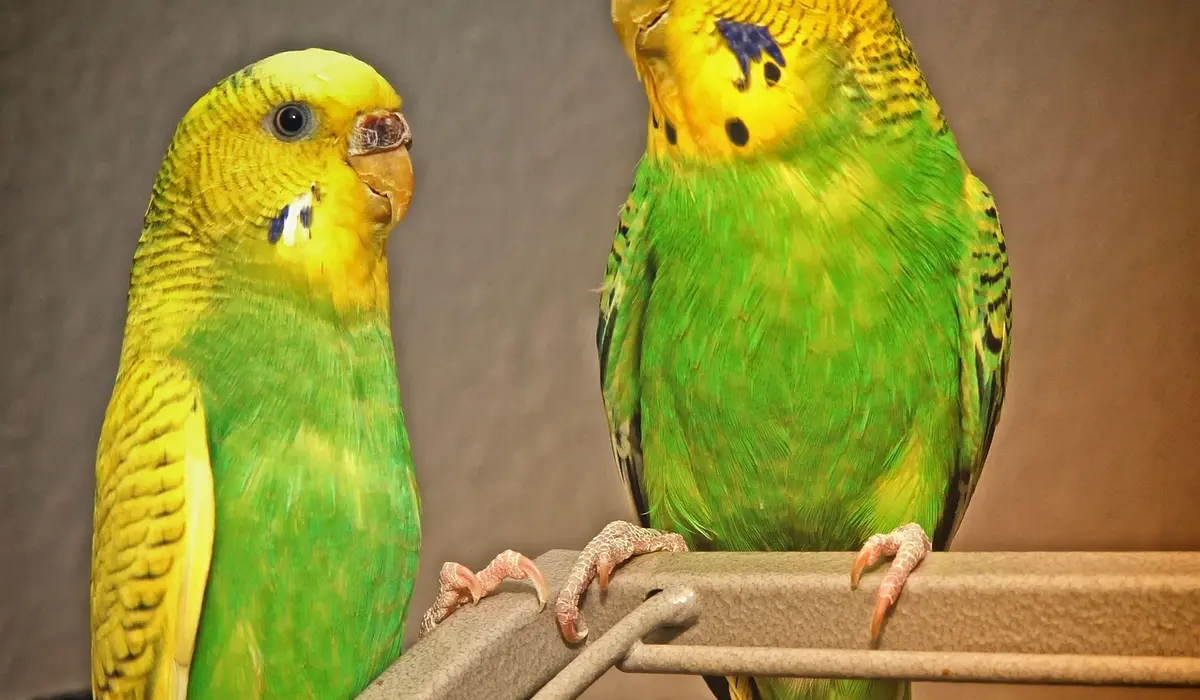
Your parrot isn’t trying to be difficult. Their anxiety stems from a deep-seated survival instinct hardwired into their DNA. In the wild, being alone often means being vulnerable to predators. My Green-cheeked Conure, Kiwi, taught me this firsthand. The moment I’d grab my keys, his playful chirps would turn into frantic screams.
You Are Their Flock
Parrots are profoundly social creatures. In their natural habitat, they live in large, noisy flocks for protection, foraging, and companionship. When you bring a parrot into your home, you become their entire flock. Your sudden disappearance isn’t just an inconvenience; to them, it feels like their family has vanished, leaving them exposed and defenseless. A gradual, step-by-step approach to socialization after quarantine helps rebuild trust. This introduction guide walks you through how to socialize your parrot after quarantine.
The Sound of Silence is Terrifying
Think about a wild rainforest or savanna – it’s never truly silent. For a parrot, complete silence is a danger signal. It indicates that the rest of the flock has either fled from a threat or been caught by one. The quiet of an empty house can trigger this primal fear, leading to stress vocalizations (screaming) or destructive behaviors as they try to call their “flock” back. Do different parrot sounds mean something specific? This complete guide explains what common vocalizations signal and how to respond.
- Survival Instinct: Loneliness equals danger in the wild.
- Flock Bonding: You are their primary, and often only, companion.
- Environmental Cues: Silence and lack of activity signal a threat.
Building a Calm Routine to Soothe Your Bird
Consistency is your most powerful tool against anxiety. A predictable routine tells your parrot’s brain that the world is safe and orderly. It builds a framework of trust, so they learn that when you leave, you will absolutely return.
Master the Pre-Departure Calm
Your own energy is contagious. If you’re rushing and stressed as you get ready to leave, your parrot will pick up on that tension. I make a point to move slowly and speak in a soft, reassuring voice for the 15 minutes before I walk out the door. This tells my Sun Conure, Sunny, that everything is normal, not a cause for alarm.
- Quiet Preparation: Avoid loud noises or sudden movements before you leave.
- Predictable Cues: Perform the same calm actions, like giving a specific treat.
- A Reassuring Goodbye: Use a simple, consistent phrase like “See you soon, sweetie” without fuss.
Create a “You’re Leaving” Signal
This might sound counterintuitive, but it works wonders. Give your parrot a clear, positive signal that you’re about to depart. For my African Grey, Sage, it’s a small piece of walnut placed in her foraging toy. She’s so focused on the prize that my exit becomes a non-event.
Practice Mini-Absences
Don’t wait for an 8-hour workday to test your routine. Start by leaving the room for just 2-5 minutes at a time, multiple times a day. Return before your parrot has a chance to become distressed. This builds their confidence that you always come back, making longer separations much less scary. These tiny, stress-free steps also apply when guiding your parrot back to its cage. They help you get your parrot back to its cage with less stress during routine cage-time transitions.
- Start Small: Leave for one minute, then return calmly.
- Gradually Increase Time: Slowly extend your absences to 10, 20, then 30 minutes.
- Reward Quiet Behavior: When you return and they are calm, offer praise or a gentle scratch.
Training Techniques to Reduce Separation Stress
I learned the hard way with my Green-cheeked Conure, Kiwi, that a screaming bird isn’t a “bad” bird; it’s a stressed bird. Training isn’t about punishment; it’s about building your parrot’s confidence and teaching them that being alone is safe and temporary. This is the heart of positive reinforcement training for parrots: reward calm, desired behaviors. With this approach, your bird learns that being alone can feel safe and rewarding. Start with these small, consistent steps.
Step-by-Step Desensitization
This is the cornerstone of managing separation anxiety. You’re slowly teaching your bird that your departures are no big deal.
- Practice Short Departures: Walk out of the room for just 5 seconds, then return before your parrot gets anxious. Don’t make a fuss when you come back.
- Gradually Increase Time: Over days or weeks, stretch those absences to 30 seconds, then a minute, then five. The key is to move at your bird’s pace, not your own.
- Vary Your Routine: Pick up your keys or put on your coat at random times without leaving. This breaks the association between these cues and your actual departure.
Target Training for Confidence
Target training gave my Sun Conure, Sunny, a fantastic mental workout. Teaching a simple trick, like touching a stick with their beak, builds a parrot’s problem-solving skills and self-assurance. A confident bird is far less likely to panic when you’re gone. For beginners, target training is a foundational skill in many parrot training guides, starting with clear cues and consistent practice. It sets the stage for more advanced tricks and enrichment in a safe, step-by-step way.
- Use a small, dedicated stick or a chopstick as the “target.”
- Hold it near your bird. The moment they investigate it with their beak, give them a tiny, high-value treat.
- Repeat this in short sessions. Soon, they’ll follow the target, which is a great foundation for other behaviors.
Foraging: The Ultimate Distraction
In the wild, parrots spend most of their day searching for food. A bored parrot in a cage with a full food bowl has nothing to do but worry. Foraging turns mealtime into a stimulating, rewarding activity that keeps their brain occupied. I hide pieces of Sage’s pellets in cardboard tubes and crumpled paper. It keeps her busy for an hour! This approach is exactly the kind of foraging enrichment you’ll find in the ultimate guide to foraging that enriches your parrot’s diet. It shows how simple, at-home activities can diversify a parrot’s meals and keep them mentally sharp.
- Start simple: Scatter some pellets on a tray or in their cage bedding.
- Progress to puzzle toys, paper bags with treats inside, or foraging boxes.
- Make your parrot work for their favorite foods. This is not being mean; it’s providing essential mental enrichment.
Creating a Safe and Enriched Space for Your Parrot
Your parrot’s cage should be their sanctuary, not a prison. A well-set-up cage is a secure base that reduces anxiety by providing comfort, entertainment, and a sense of control. Think of it as their personal apartment. To maximize enrichment, add varied perches and a rotating set of toys. Regularly swap them to keep your parrot curious.
Cage Placement and Setup
Where you put the cage matters immensely for your bird’s mental state.
- Location is Key: Place the cage against a wall, not in the middle of a room. This gives your parrot a secure “back” to protect.
- Offer a View: A view of a window (with partial shade available) provides natural light and visual stimulation from birds and leaves.
- Safe Heights: Avoid placing the cage on the floor. Position it so the main perch is at or just below your chest level. This makes your parrot feel like an equal member of the flock.
Essential Cage Enrichment
A bare cage is a boring cage. I rotate toys for Kiwi and Sunny every week to keep things fresh and exciting.
- Variety of Perches: Include natural wood branches of different diameters and textures to promote foot health.
- Destructible Toys: Parrots need to chew! Provide untreated wood, cardboard, and palm leaf toys they can safely destroy.
- Noise-Making Toys: Bells and rattles can be great fun, but ensure they are bird-safe with no small, chewable parts.
- Preening Toys: Leather strips or crinkly paper can satisfy their natural preening instincts.
Sensory Enrichment Beyond the Cage
The environment around the cage is just as important for keeping your parrot calm and engaged in your absence.
- Background Noise: Leave on a radio tuned to a talk station or play calming music. The sound of human voices can be reassuring.
- Bird TV: There are videos online designed for parrots, showing footage of other birds and nature scenes. My African Grey, Sage, is fascinated by them.
- Foraging Stations: Don’t confine foraging to the cage. Set up a small play stand with a foraging toy that they only get when you’re about to leave.
When to Get Professional Help for Bird Anxiety
If your parrot’s separation anxiety starts affecting their health or safety, it’s time to call in an expert. I learned this firsthand when Sunny, my Sun Conure, began plucking feathers every time I left the room-his vibrant yellow and orange plumage started thinning, and I knew home tricks weren’t cutting it.
Signs That Your Bird Needs Expert Intervention
Watch for behaviors that go beyond typical squawking or clinginess. Persistent self-harm, like excessive feather plucking or skin chewing, signals deep distress that requires a vet’s eye.
- Aggression toward people or other pets, such as biting or lunging
- Loss of appetite or weight changes over several days
- Destructive habits, like chewing cage bars nonstop
- Vocalizations that last for hours without pause
- Signs of illness, like lethargy or irregular droppings
With Sage, my African Grey, I noticed her dropping food and acting withdrawn-a sharp shift from her usual calm, smart self. That’s when I reached out to an avian behaviorist, and it made all the difference in her mood and mine.
How to Find the Right Professional
Start by consulting an avian veterinarian to rule out medical issues. They can check for underlying problems, like infections or pain, that might mimic anxiety symptoms.
- Ask your vet for referrals to certified bird behaviorists
- Look for professionals with experience in parrot psychology
- Schedule a consultation to discuss your bird’s specific triggers
- Follow their tailored plan, which might include environmental changes or training exercises
I’ve seen Kiwi, my Green-cheeked Conure, bounce back with playful curiosity after we adjusted his routine based on expert advice. Getting help early can prevent long-term stress and improve your bird’s quality of life, which is a core part of responsible parrot care.
FAQs
How can I prevent separation anxiety from developing in a new parrot?
Start by establishing a consistent daily routine and encouraging independence through solo play and foraging from day one. Avoid over-bonding by having multiple family members interact with the bird and providing a variety of enriching toys.
What are the long-term effects of untreated separation anxiety in parrots?
Chronic stress can lead to serious health issues like immune system suppression and persistent feather-plucking or self-mutilation. Over time, it may also cause behavioral problems such as increased aggression or depression, reducing their overall quality of life.
Can I leave my parrot alone for extended periods, and if so, how?
With proper training and preparation, many parrots can handle longer absences, but it requires gradual desensitization and a stimulating environment. Always ensure they have access to food, water, and safe toys, and consider using a pet sitter or bird-safe camera for monitoring.
In Closing
Helping your parrot manage alone time boils down to a solid routine, a space packed with fun activities, and training them in small, gentle steps. Your consistent presence and the engaging world you build are the best medicine for their anxious heart, turning scary alone time into a peaceful, predictable part of their day. Also, create a safe, stimulating indoor flight environment for your parrot with secure space, sturdy perches, and enriching toys. This supports healthy movement and makes the routine more effective.
Caring for a parrot is a lifelong journey of learning and adapting to their unique, intelligent spirit. Stay curious, watch their behavior closely, and always seek out new ways to enrich their life-this dedicated, loving approach is the truest form of responsible pet ownership.
Further Reading & Sources
- Bird Separation Anxiety? 6 Ways to Ease Their Stress
- How to encourage my parrot to not have separation anxiety as she screams for constant contact and then is happy once she is getting cuddles – Quora
- r/parrots on Reddit: how do I stop my cockateils separation anxiety?
Suzanne Levine is a dedicated parrot enthusiast and experienced avian caregiver with over 15 years of hands-on experience in parrot care. As the founder of Parrot Care Central, Suzanne is passionate about sharing her knowledge and insights to help fellow parrot owners provide the best possible care for their feathered friends. Her expertise spans nutrition, behavior, health, and enrichment, making her a trusted resource in the parrot care community.
Enrichment Activities