
Stress-Free Ways to Get Your Parrot Back in Its Cage
That stubborn parrot of yours is perched just out of reach, and you’re starting to worry you’ll never get them safely back home. I’ve been there, standing on a chair trying to coax my conure Kiwi down, feeling the stress levels rise for both of us.
You’re not alone in this struggle, and I’m here to help you turn this daily challenge into a peaceful moment. We’ll cover the gentle methods that work, based on years of living with my own flock.
The core takeaways we’ll explore are:


- Using positive reinforcement to make the cage a happy place
- Reading your parrot’s body language to reduce fear
- Creating a routine that builds trust and cooperation
You will get clear, step-by-step advice you can use tonight. This isn’t about forcing your bird; it’s about partnership.
The full article covers: Training Techniques, Handling Resistance, Making the Cage Appealing, Reading Bird Cues, and Building a Calm Routine
Why Parrots Sometimes Refuse to Go Back in Its Cage
Your parrot might resist returning to its cage for several reasons, and I’ve seen this firsthand with my own birds. Often, cage setup mistakes contribute to this resistance. Seven critical cage setup mistakes are stressing out your parrot. Understanding their behavior helps you respond with patience instead of frustration.
Common Reasons for Refusal
- Fear or Discomfort: If the cage feels like a punishment, your parrot will avoid it. My conure Kiwi used to dart away if he sensed I was in a hurry, linking the cage to negative vibes.
- Boredom Inside: A dull cage with few toys or perches isn’t inviting. Sunny, my sun conure, would stay out longer if her cage lacked her favorite chew toys.
- Social Needs: Parrots crave interaction and may resist being alone. Sage, my African grey, would vocalize loudly to keep the family nearby.
- Health Issues: Pain or illness can make movement uncomfortable, so they avoid confined spaces. Always rule this out with a vet visit.
I learned that rushing the process only heightens their stress, making future returns harder.
Environmental Triggers
Loud noises or sudden changes can spook your bird. Creating a calm routine reduces these anxieties over time.
- Unexpected sounds from TVs or appliances
- New pets or people in the room
- Inconsistent daily schedules
Building a Positive Cage Environment for Easy Returns
Transforming the cage into a safe haven encourages voluntary returns. Start by making it the most appealing spot in the room.
Enhance Comfort and Fun
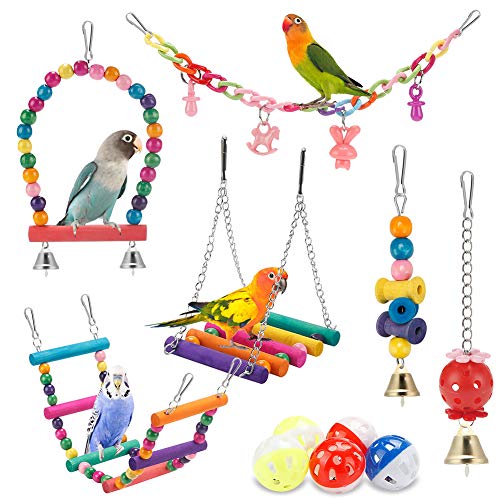
- Add Engaging Toys: Rotate toys weekly to prevent boredom. I include foraging puzzles for Kiwi, who loves the challenge.
- Use Comfortable Perches: Vary textures and widths to support foot health. Natural wood perches made a huge difference for Sage.
- Include Safe Treats: Place favorite snacks inside to create positive associations. Sunny eagerly hops in for a piece of fruit.
Rewarding your parrot for entering the cage builds trust and eagerness to return.

Establish a Routine
- Set consistent times for cage returns, like before meals or bedtime.
- Use a calm voice and gentle gestures to guide them.
- Offer praise or a small treat immediately after they go inside.
Routines help parrots feel secure, turning cage time into a predictable, stress-free event.
Monitor and Adjust
Observe what your parrot enjoys and adjust the environment accordingly. Small changes, like moving perches or adding soft lighting, can make a big impact. This approach helps create a safe, stimulating indoor flight environment for your parrot.
- Watch for signs of relaxation, like preening or quiet chirps
- Avoid overcrowding the cage; leave space for movement
- Ensure the cage is in a social but low-traffic area
Stress-Free Training Techniques for Cage Recall
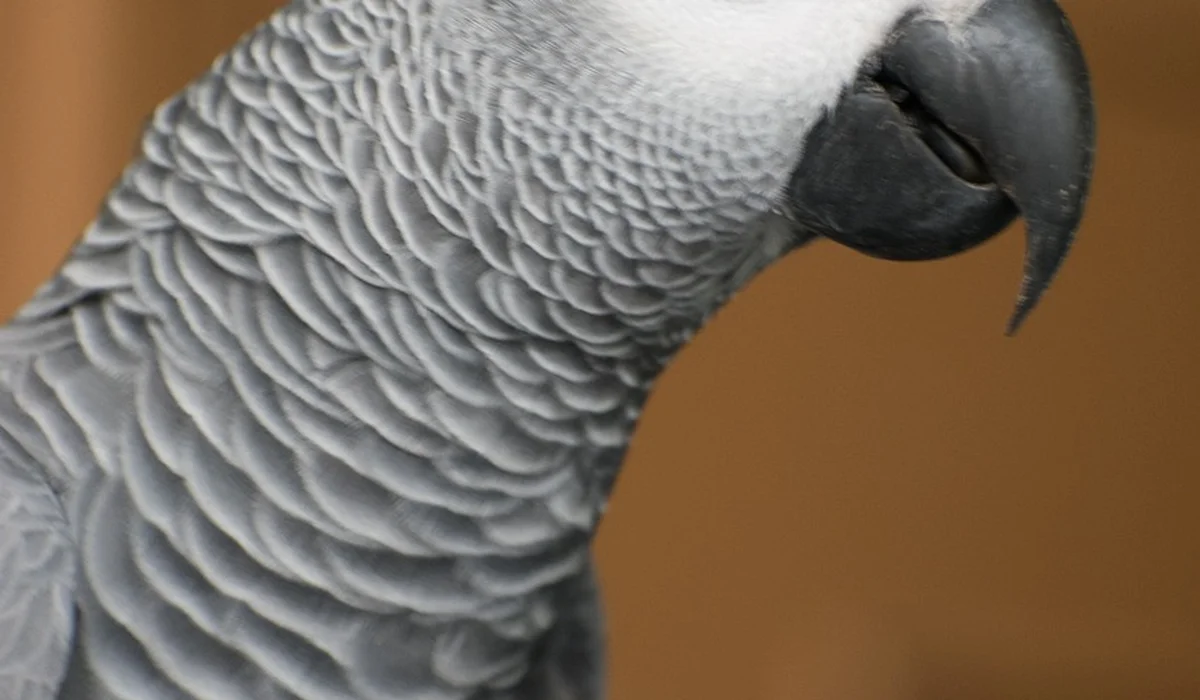
Getting a parrot to willingly return to its cage is a skill built on trust, not force. I’ve found that transforming the cage from a simple enclosure into a desirable destination is the fastest way to build a reliable recall. My Green-cheeked Conure, Kiwi, used to flee at the sight of his cage door until we started this routine.
Start with Target Training
This is your foundational skill. You’ll need a small target stick (a chopstick works perfectly) and your bird’s favorite treats.
- Present the target stick near your bird’s beak. The moment they touch it with their beak, say “yes!” and give a tiny treat.
- Repeat this until your bird actively moves to touch the stick. This teaches them that interacting with the “target” makes good things happen.
- Slowly move the target stick short distances, rewarding them for following and touching it.
Incorporate Recall Training
Now, use the target stick to guide your bird.
- Place the target stick on the open cage door. When your bird lands on the door to touch it, reward them lavishly.
- Next, place the target stick just inside the cage. Reward them for stepping inside.
- Keep sessions short-just 3-5 minutes at a time. Always end on a positive note, even if it’s a small success. My Sun Conure, Sunny, mastered this in a week with daily mini-sessions.
Make the Cage Irresistible
The cage must compete with the fun of being outside.
- Place a special “cage-only” toy inside that only appears when it’s time to go in. A foraging toy filled with nuts is a huge hit.
- Serve their absolute favorite food in a bowl inside the cage right at return time. This creates a powerful positive association that the cage is where the party is.
- Ensure the cage is in a social part of your home, not isolated. Parrots are flock animals and want to be where the action is.
Handling Tricky Situations When Your Parrot Resists
Even with the best training, you’ll face moments of defiance. Staying calm is your superpower here, as parrots are masters at reading our emotional energy. I learned this the hard way with my clever African Grey, Sage, who would test my patience. This is where positive reinforcement training for parrots came into play, rewarding small, calm behaviors to guide better responses. Gradually, defiance gave way to cooperation and confidence.
If Your Bird is Simply Stubborn
They might be having too much fun to listen.
- Do not chase them. This turns it into a stressful game. Instead, calmly walk away and busy yourself with something else, like rattling their treat jar.
- Use a “step-up” command onto a handheld perch instead of your hand. This can bypass a bird who is hand-shy in the moment.
- Dim the lights in the room. This can signal to your parrot that the day’s activities are winding down, making the cage more appealing.
If Your Bird is Fearful of the Cage
This requires a step back and some detective work.
- Re-evaluate the cage setup. Is a toy casting a scary shadow? Did you recently rearrange the perches, making it feel unfamiliar?
- Spend positive, non-threatening time near the cage. Sit by it and read a book aloud or eat your own meal. Your calm presence reassures them the cage area is safe.
- If the fear is severe, you may need to temporarily move the cage to a neutral location and restart the positive association training from scratch.
If Your Bird is Being Territorial
Some parrots, especially hormonal ones, can become possessive of a space outside the cage.
- Avoid confronting them directly on “their” spot. Lure them off with a high-value treat before attempting to guide them back.
- Manage their hormones by ensuring they get 10-12 hours of uninterrupted darkness for sleep and limiting access to fatty, warm foods.
- Never use the cage as punishment. Slamming the door after a bad behavior teaches them the cage is a prison, not a home.
Using Bond-Building to Improve Cage Cooperation
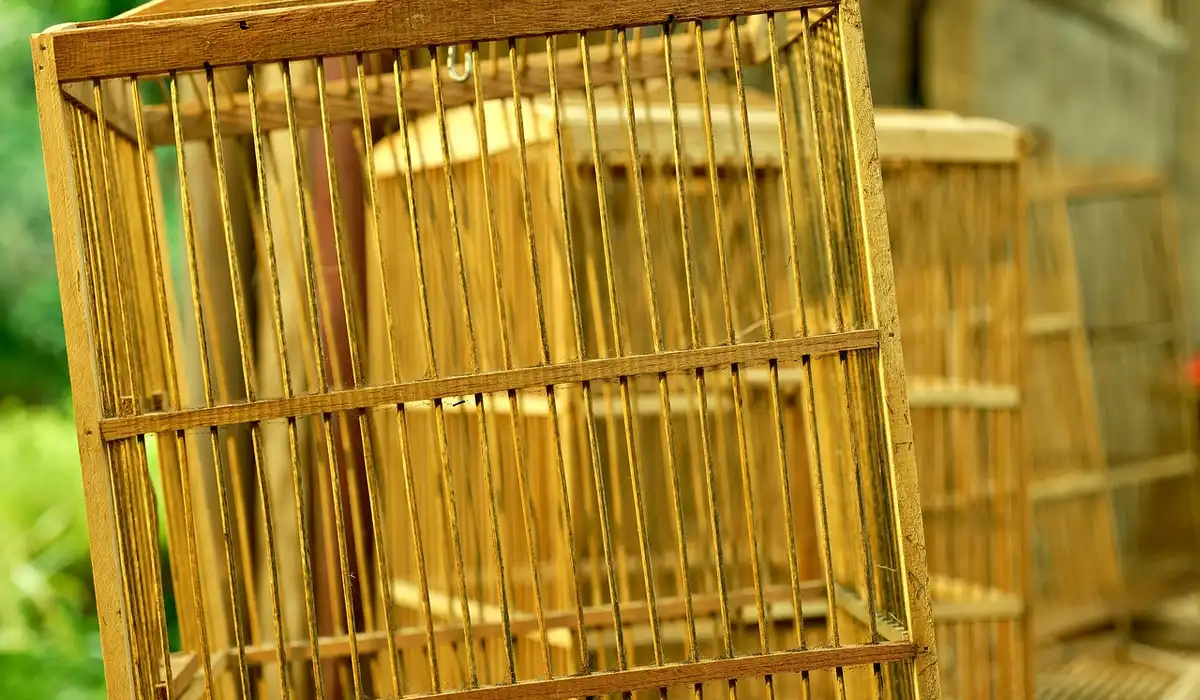
Think of your parrot’s cage not as a prison, but as their bedroom-a safe, personal space they want to return to. Building a strong bond of trust is the single most effective way to transform cage-time from a battle into a non-issue. I learned this the hard way with my Green-cheeked Conure, Kiwi, who used to see the cage as the enemy.
Make the Cage a Hub of Good Things
Your parrot’s cage should be the source of all their favorite things. Stop feeding all their meals in a bowl inside the cage. Instead, use their daily food as rewards for entering the cage voluntarily. For maximum enrichment, set up the cage with varied perches and a rotating set of foraging toys. This keeps your parrot curious and active.
- Place a high-value treat, like a piece of walnut or a millet spray, deep inside the cage where they must fully enter to get it.
- Feed their favorite fruits and vegetables only inside the cage.
- Hide foraging toys filled with pellets or seeds in the cage to encourage exploration.
Train with “Targeting” for a Calm Return
This is my go-to method for a stress-free return. It turns a command into a fun game. You’ll need a small stick (a chopstick works perfectly).
- Present the stick and reward your parrot with a tiny treat for simply touching the end of it with their beak.
- Once they reliably touch the target stick, move it a few inches away so they have to take a step to touch it.
- Gradually increase the distance, leading them on a short “walk” around a table.
- Finally, place the target stick inside their open cage. When they follow it in and touch it, give them a jackpot reward-a whole sunflower seed or a piece of almond.
Target training shifts their focus from “I’m being put away” to “I’m playing a game to earn a prize.” My Sun Conure, Sunny, now gets excited when he sees the target stick because he knows a yummy snack is coming.
Associate the Cage with Your Presence
Parrots are flock animals; they want to be where you are. Move the cage to the main living area where family activity happens. Sit next to the open cage door and read a book aloud or talk softly to your bird. When the cage becomes a central part of the family’s social life, it loses its negative association. Understanding parrot flock dynamics in a human household helps you tailor routines to your bird’s social needs. It also clarifies how family roles influence the flock’s calm.
When to Seek Extra Help for Persistent Issues
Sometimes, despite our best efforts, a parrot’s fear or aggression is rooted in something deeper. Recognizing when you’re out of your depth is a sign of a responsible and caring parrot guardian. My African Grey, Sage, went through a phase after a house move where none of my usual tricks worked, and I knew it was time to call in the pros.
You should seriously consider seeking professional help if you notice any of the following:
- Aggressive Behavior: Your parrot lunges, bites, or screams violently every time you approach the cage. This is more than stubbornness; it’s fear-based aggression.
- Self-Harm: You see plucked feathers, bloody spots, or constant barbering (chewing feathers) related to cage stress. This is a serious welfare issue that needs immediate attention.
- Complete Refusal to Eat or Drink: If your bird is so stressed they stop consuming food or water near the cage, this is a medical emergency.
- A History of Trauma: Rescued or rehomed birds often come with past trauma that requires specialized behavioral rehabilitation.
Start with an Avian Veterinarian to rule out any underlying medical problems. Pain from an illness can make a parrot irritable and cage-averse. If they get a clean bill of health, your next step is to find a certified parrot behavior consultant. These experts can observe your specific situation and create a tailored, step-by-step behavior modification plan. There is no shame in asking for help; it’s one of the kindest things you can do for a struggling bird. During vet visits, practicing calm, gentle handling can greatly reduce your parrot’s stress. Ask your veterinarian or behavior consultant to demonstrate safe ways to hold and restrain your bird during exams for smoother, less stressful appointments.
Common Questions
What if my parrot flies away when I try to get it back in its cage?
Never chase your parrot, as this will destroy trust and turn the situation into a stressful game. Instead, remain calm, use a high-value treat to lure them, or employ a target stick to guide them back from a distance. If your parrot has escaped, stay calm and speak softly to avoid frightening them. Slowly guide them back with a treat or perch, keeping a safe distance and closing doors to reduce escape routes.
How long will it take to train my parrot to go back in its cage willingly?
The time required varies for each bird, but consistency is the most important factor for success. With short, daily training sessions using positive reinforcement, you may see significant improvement within a few weeks.
Is it okay to use a towel to put my parrot back in its cage?
Using a towel should be an absolute last resort, as it can be very frightening and may damage the trust you’ve built. To reduce the need for it, you can work on teaching your parrot to accept towel handling in a safe, stress-free way. This is done through gradual exposure and positive reinforcement, so towel-safe handling becomes a normal part of routine. It is best reserved for genuine emergencies where the bird’s immediate safety is at risk.
My parrot only goes back for one specific treat, what should I do?
This is a great start, as it shows the positive reinforcement is working. You can gradually introduce other high-value rewards to create variety, or use a special “cage-only” toy to maintain their interest.
How do I get multiple parrots back into their cages at the same time?
It is often easiest to train and recall each parrot individually to prevent competition and distractions. You can create a routine where one bird sees the other going in and getting rewarded, which can encourage them to follow. Regular, predictable routine training helps address common behavioral issues by providing consistent cues and rewards. This approach can reduce anxiety and promote cooperative behavior across your flock.
Closing the Loop
Getting your parrot back to its cage doesn’t have to be a battle of wills. The most effective method is always patience paired with positive reinforcement, turning the cage into a rewarding space rather than a prison. Use treats, favorite toys, and a calm, consistent routine to build trust and make the transition smooth for both of you. These same steps work well when you train a tame Quaker parrot. Short, positive training sessions help your Quaker parrot stay calm and eager to return to its cage.
Remember, your parrot’s well-being is a lifelong commitment. I encourage you to keep growing and learning about pet parrot care, as a deeper understanding of their complex needs is the foundation of a truly happy and healthy bird. Your dedication makes all the difference in their world.
Further Reading & Sources
- Trained Parrot Blog – Techniques for Putting Parrot Back Into Cage
- How to Get a Parrot to Go Back Inside Its Cage – PetHelpful
- r/parrots on Reddit: Petsitting, can’t get bird back in cage and owner’s tips don’t work. Backing-up-to-cage method worked once, but he’s wisened up. He’s not food motivated and I can’t dim the room due to the obscene amounts of windows. Help
Suzanne Levine is a dedicated parrot enthusiast and experienced avian caregiver with over 15 years of hands-on experience in parrot care. As the founder of Parrot Care Central, Suzanne is passionate about sharing her knowledge and insights to help fellow parrot owners provide the best possible care for their feathered friends. Her expertise spans nutrition, behavior, health, and enrichment, making her a trusted resource in the parrot care community.
Cages