
Indian Ringneck Parrot Cost, Size, and Care Guide
Published on: March 19, 2026 | Last Updated: March 19, 2026
Written By: Suzanne Levine
Thinking about bringing an Indian Ringneck Parrot home? You might be stressing over the price tag, whether it’ll fit in your apartment, or how much daily attention it really needs.
I’ve raised parrots like my curious Green-cheeked Conure Kiwi, and I’ll help you cut through the confusion with straightforward insights.
Key points we’ll cover:
- Total cost breakdown from purchase to yearly upkeep
- Size specifics and space requirements for a happy bird
- Daily care routines that support their well-being
You’ll walk away with practical steps to make informed decisions. This guide dives into: initial cost, ongoing expenses, adult size, cage setup, diet plans, health checks, behavior tips, and lifespan expectations.
The Price of Paradise: Indian Ringneck Cost Breakdown
Initial Purchase Price
-
Breeders often charge $200 to $600 for a healthy Indian Ringneck, while pet stores might ask $300 to $800 due to markup. Rescues offer birds for $50 to $200, giving a loving home to a parrot in need. This is part of a complete initial purchase price guide that compares upfront costs. It also highlights ongoing care expenses to consider before bringing a parrot home.
-
Color mutations like lutino or blue can spike prices up to $1,000, and younger chicks cost more than adults. Age plays a big role-hand-fed babies are pricier but often tamer.
-
I once saw a vibrant blue mutation priced at $900, while a standard green from a local rescue was just $75. Always visit multiple sources to compare and avoid overpaying.
Setup and Supply Costs
-
Essential items include a spacious cage ($150-$400), natural wood perches ($10-$30 each), engaging toys ($15-$50), and sturdy food dishes ($5-$15). Invest in a large cage upfront to prevent costly upgrades later. For first-time owners of small parrots, budget-friendly options exist that still meet safety standards. With smart shopping, you can keep costs manageable while giving your tiny companion a healthy home.
-
One-time expenses cover the cage and basic perches, while recurring costs involve toy replacements and dish cleaning. These figures are part of a parrot cage setup costs essential equipment budgeting guide to help you plan. Setting aside $50 monthly for wear-and-tear keeps your parrot happy and healthy. Having a clear budget makes it easier to compare cages and accessories before you buy.
Annual and Ongoing Expenses
-
Food costs $20-$40 monthly for pellets, fresh veggies, and treats; annual vet visits run $50-$100, with emergencies adding hundreds. Rotate toys every few months to prevent boredom, budgeting $50-$100 yearly.
-
Save money by buying food in bulk and crafting DIY toys from safe household items. Owning an Indian Ringneck is a 20-30 year commitment, so plan your finances for the long run.
Size and Stature: How Big Do Indian Ringnecks Grow?
Physical Dimensions and Weight
-
Indian Ringnecks average 16 inches in length and weigh 120-140 grams-similar to a large banana in size and heft. Their slender bodies make them agile fliers, perfect for spacious homes.
-
Compare their weight to a medium apple or a small smartphone for a clear mental picture. This size means they need roomy cages to stretch and play without feeling cramped.
Growth Stages and Development
-
From fluffy chicks to sleek adults, they wean around 8-12 weeks, start flying by 3 months, and reach full size by 1-2 years. Key milestones include first words around 6-12 months and full feather development by year one.
-
Males develop a distinct black neck ring at 18-24 months, while females may show a faint or absent ring. I’ve noticed my friend’s male Ringneck became more vocal after his ring appeared, adding personality shifts to watch for.
Home Sweet Home: Cage Setup and Size Guide
Ideal Cage Dimensions and Bar Spacing
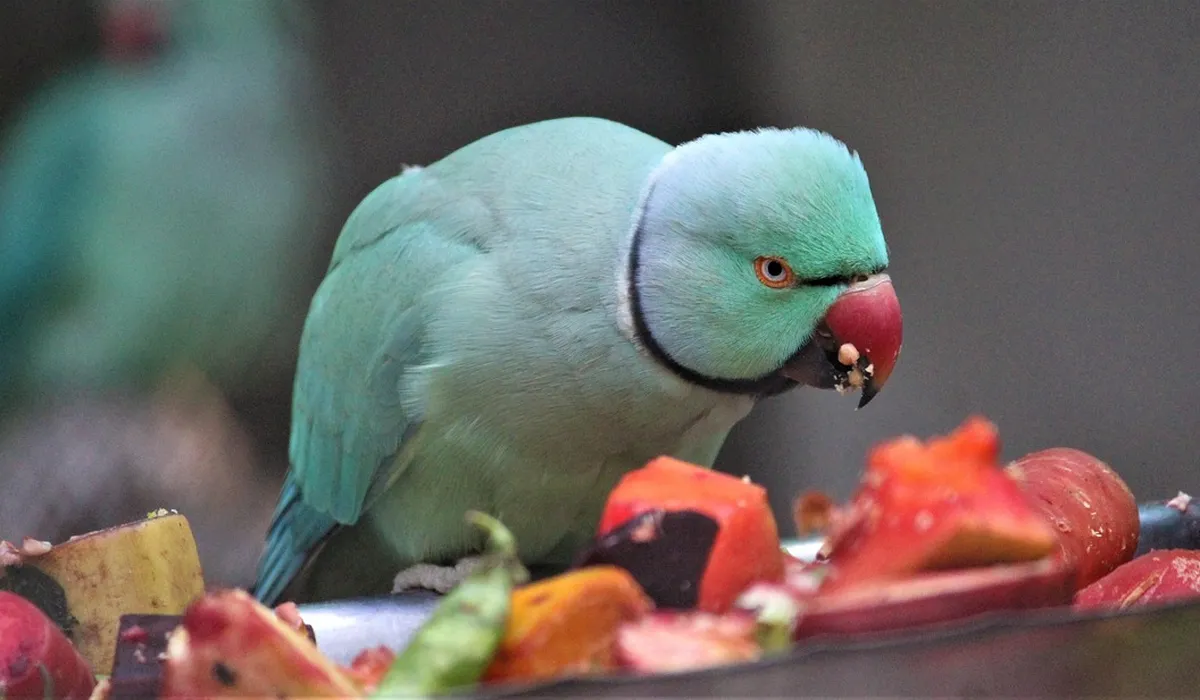
Your Indian Ringneck needs a spacious cage to stretch those long wings and stay mentally sharp. A cramped cage leads to a frustrated bird, so always lean towards bigger is better. Based on my flock’s antics, here are the must-have specifications.
- Minimum Cage Size: 24 inches wide, 24 inches deep, and 36 inches high.
- Optimal Cage Size: 32 inches wide, 24 inches deep, and 48 inches high for true flight and play.
- Bar Spacing: Between 1/2 inch and 3/4 inch to prevent head entrapment.
- Bar Material: Powder-coated steel for durability and safety.
Cage Enrichment and Perch Placement
A bare cage is a boring cage. Creating a dynamic environment inside the cage is just as important as the cage size itself. My Green-cheeked Conure, Kiwi, taught me the value of a well-appointed home.
- Toy Variety: Offer a rotation of shreddable wood, foraging puzzles, and noisy bells.
- Feeding Stations: Use multiple dishes for pellets, fresh foods, and water to encourage movement.
- Perch Types: Combine natural wood branches of varying diameters with a concrete perch for nail filing.
- Cage Placement: Situate the cage in a family room against a wall, away from direct sunlight and drafts.
Fueling Your Feathered Friend: Diet and Nutrition
Core Diet Components
A proper diet is the single biggest factor in your parrot’s long-term health and vibrant feather color. I learned this the hard way when my Sun Conure, Sunny, went through a picky phase on a seed-only diet. A balanced mix is non-negotiable. To make this practical, a complete feeding guide outlines parrot diet requirements by species. It explains what to feed, how much, and how often.
- High-Quality Pellets: Should form 50-60% of the daily diet.
- Healthy Seeds: Offer sprouted seeds or a small portion of a seed mix as a treat, not a staple.
- Fresh Vegetables: Daily offerings of leafy greens, sweet potatoes, and bell peppers.
- Fresh Fruits: A few times a week, provide berries, melon, and apple slices.
- Fresh Water: Change water at least twice daily to keep it clean and appealing.
Feeding Tips and Healthy Habits
Getting a parrot to try new foods requires patience and a little cleverness. My African Grey, Sage, will only try a new vegetable if he sees me “eating” it first with great enthusiasm. Use these tricks to build healthy habits. In line with general parrot dietary guidelines, offer a varied mix of vegetables, fruits, grains, and occasional protein, introduced gradually. Avoid unsafe foods.
- Introducing New Foods: Chop new items finely and mix them with their favorite familiar foods.
- Eating Together: Have your own healthy snacks near the cage to model good eating behavior.
- Avoiding Dangers: Never offer avocado, chocolate, caffeine, or salty foods.
- Diet Adjustments: If switching from seeds to pellets, do it gradually over several weeks to avoid hunger strikes.
Health and Happiness: Routine Care and Maintenance
Common Health Issues and Vet Care
Like any pet, Indian Ringnecks can face health challenges, but many are preventable with good care. From my own flock, I’ve learned that a watchful eye and a solid routine are your best defenses against common ailments.
- Obesity: These birds love their treats! An all-seed diet is a fast track to an overweight parrot. Prevent this by offering a balanced diet of high-quality pellets, fresh veggies, and only using seeds and nuts as tiny, high-value training rewards.
- Feather Plucking: This is often a sign of boredom or stress. My conure, Kiwi, started this once when I was too busy with work. Prevent it by ensuring they have a massive cage, tons of foraging toys, and at least 3-4 hours of out-of-cage social time every single day.
- Psittacosis (Parrot Fever): A serious bacterial infection. Always quarantine new birds for at least 30-45 days before introducing them to your home to protect your entire flock.
- Vitamin A Deficiency: This weakens their immune system. You can easily prevent it by feeding orange and red veggies like sweet potatoes, carrots, and red peppers.
A relationship with an avian vet is non-negotiable for a responsible parrot owner. Schedule a wellness check at least once a year. Regular annual exams are a cornerstone of preventative care for parrots and a key part of this guide. They help catch subtle health changes early. Rush to the vet immediately if you see any of these emergency signs:
- Fluffed up feathers for more than a few hours
- Sitting on the cage floor
- Labored breathing or tail bobbing
- Discharge from the eyes or nostrils
- Sudden loss of appetite or changes in droppings
Lifespan and Long-term Wellness
An Indian Ringneck is a lifelong commitment. With excellent care, these brilliant birds commonly live 25 to 30 years, with some even reaching their 40s! Their longevity hinges directly on their environment and your dedication.
The biggest factors for a long, healthy life are diet, exercise, and mental stimulation. Think of your Ringneck as a perpetual toddler with wings and a can-opener for a beak-they need constant engagement.
- Exercise: My Ringneck demands a solid hour of flight time in a safe room daily. This keeps his muscles strong and his mind sharp. A sedentary bird is an unhappy, unhealthy bird.
- Social Needs: These are not decorative pets. They are highly social and can develop severe depression if ignored. Your Ringneck should be considered a part of the family, involved in daily household activities whenever it’s safe. Talk to them, include them in mealtimes (with safe foods), and let them perch nearby while you work or relax.
Social Smarts: Training and Interaction Needs
Training Basics and Tricks
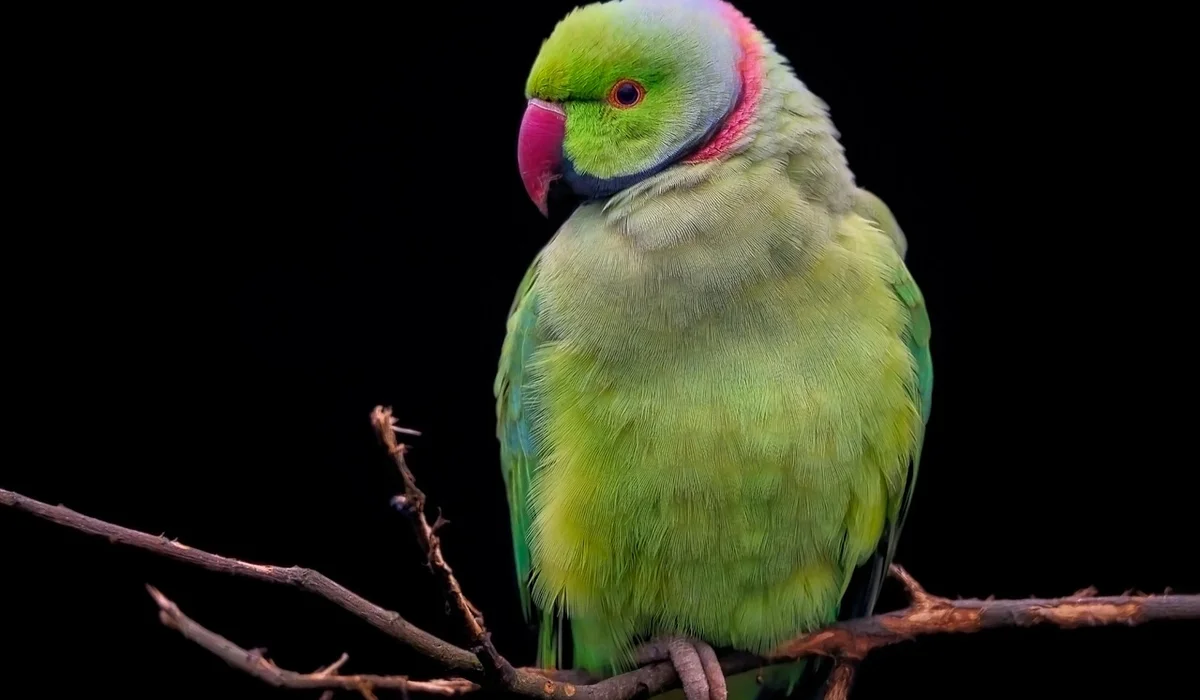
Training your Ringneck builds trust and prevents behavioral problems. They are incredibly smart and often excellent talkers. My first Ringneck had a vocabulary of over 50 words and phrases!
Start with the foundational “step-up” command-it’s the cornerstone of all future training and handling. Here’s how to do it:
- Find a quiet room with no distractions.
- Place your hand or a perch steadily in front of their lower chest, just above their feet.
- Gently press against their belly and say “step-up.”
- The slight pressure will make them instinctively step onto your hand/perch.
- The instant they do, give them a tiny, high-value treat like a piece of pine nut and lots of praise.
Once they master step-up, you can teach them to turn around, wave, and even fetch small toys. Always use positive reinforcement—never punish your bird. Training sessions should be short, fun, and always end on a positive note. This is the core idea of positive reinforcement training for parrots. Rewards for desired actions help parrots repeat them. Speech training works best through simple, clear, and enthusiastic repetition of words you’d like them to learn.
Noise Level and Social Demands
Let’s be real-Indian Ringnecks can be loud. Their natural contact call is a loud, piercing ring that can travel through walls. They typically vocalize most at dawn and dusk, but a bored or lonely bird will scream all day long.
Their vocalizations aren’t just noise; it’s how they communicate flock location, excitement, or a demand for attention. To manage the volume, never reward screaming with attention-instead, reward quiet behavior and provide ample mental stimulation.
Their social demands are high. A solitary Ringneck is a recipe for a loud, feather-plucking, unhappy bird. You are their flock. They need direct, interactive time with you daily, not just being in the same room. Engage in training, play games, or simply let them preen your hair or clothes. This bonding time is what makes them such wonderful, albeit demanding, companions.
Finding Your Feathered Companion: Buying and Adoption Tips
Where to Buy or Adopt
I’ve brought home parrots from breeders and rescues, and each path offers a different experience. Your choice will shape your bird’s initial health and personality, so weigh these options carefully. Choosing the right parrot for your home lifestyle means matching temperament and needs to your daily routine. Think about space, noise, and the time you can devote to a bird.
- Reputable Breeders
- Pros: You often get a hand-tamed, well-socialized baby. You know the bird’s full history and genetics.
- Cons: Higher upfront cost, typically $400 to $700. You might be on a waiting list.
- Avian Rescues & Shelters
- Pros: You give a deserving bird a second chance. Lower adoption fees, usually $100 to $300.
- Cons: The bird may have unknown history or behavioral baggage that needs patience.
- General Pet Stores
- Pros: Immediate availability. Sometimes a lower price tag.
- Cons: Biggest risk of supporting poor breeding practices (mills). Birds are often less socialized.
Watch for red flags like sellers who avoid questions, have multiple species crammed in small cages, or can’t provide recent health records. Always ask for the bird’s vet history, diet, and how much daily handling it’s used to. A good breeder or rescue will interview you right back!
Comparing Indian Ringnecks to Other Parrots
After living with my conures and observing an African Grey, the Indian Ringneck stands out in a few key ways. They fill a unique middle ground between a small beginner bird and a large, lifelong project.
- Vs. Budgies/Parakeets
- Cost: Budgies are far cheaper ($20-$50), but Ringnecks offer more complex interaction.
- Size & Care: A Ringneck needs a much larger cage and more varied diet than a tiny budgie.
- Vs. African Greys
- Cost: An African Grey can cost over $2,000, while a Ringneck is a fraction of that price.
- Care: Greys need immense mental stimulation; Ringnecks are intelligent but often more independent.
Indian Ringnecks have a theatrical, almost comical personality you won’t find in many other species. Their unique “ring” neckband and incredible talking ability set them apart visually and vocally. They aren’t as cuddly as a conure but can form just as deep a bond with dedicated owners.
FAQs
What should beginners know about caring for an Indian Ringneck?
Beginners should prioritize providing a large cage, varied diet, and daily interaction to meet their social and mental needs. Start with basic training like step-up commands and gradually introduce new foods and toys to build trust.
Are there any special care considerations for female Indian Ringnecks?
Female Indian Ringnecks typically lack the prominent neck ring and may be quieter, but they require the same diet, cage space, and enrichment as males. Monitor for any egg-laying behaviors and ensure a calcium-rich diet to support health.
How does care differ for male Indian Ringnecks?
Male Indian Ringnecks often develop a distinct black neck ring and can be more vocal, making consistent training and noise management important. Their care otherwise mirrors females, focusing on ample exercise and social bonding to prevent behavioral issues.
Is there a PDF care guide available for Indian Ringnecks?
Yes, many avian organizations and reputable breeders offer free PDF care guides that cover essentials like diet, housing, and health tips. These downloadable resources provide a convenient reference for quick advice and best practices.
Where can I purchase a suitable cage for my Indian Ringneck?
Look for cages at pet supply stores, online marketplaces, or avian specialty shops that meet the recommended size and bar spacing guidelines. Ensure the cage includes features like multiple doors and secure locks for safety and easy access. Parrot cage requirements are species-specific, so verify the size and bar spacing for your bird. A cage that works for a small parrot won’t suit a large macaw.
Final Thoughts
An Indian Ringneck Parrot is a long-term companion requiring a significant financial and time investment. Prepare for a bird that needs a spacious cage, a varied diet, and daily social interaction to stay happy and healthy. Their intelligence means they demand mental stimulation, so be ready for a chatty, energetic friend who will be part of your life for decades.
Bringing a parrot into your home is a serious commitment to another living being. Your journey in pet parrot care doesn’t end here—it’s a path of continuous learning and building a bond based on trust and understanding. As you prepare for your new parrot’s first day home, a step-by-step survival guide can help you navigate those crucial first moments. It lays out easy, practical steps for the first 24 hours. Always prioritize your bird’s welfare and seek out new knowledge to provide the best life possible.
Further Reading & Sources
- Indian Ring-Necked Parakeet Personality, Food & Care – Pet Birds by Lafeber Co.
- Indian Ringneck Parrot (Rose-Ringed Parakeet) – Profile & Care Guide
- Bringing Home Your New Ringneck – INDIANRINGNECK.COM
Suzanne Levine is a dedicated parrot enthusiast and experienced avian caregiver with over 15 years of hands-on experience in parrot care. As the founder of Parrot Care Central, Suzanne is passionate about sharing her knowledge and insights to help fellow parrot owners provide the best possible care for their feathered friends. Her expertise spans nutrition, behavior, health, and enrichment, making her a trusted resource in the parrot care community.
Health & Wellness