
Choosing the Perfect Home for Your Quaker Parrot
Finding the right cage for your Quaker parrot can feel overwhelming, especially when you want to give them the best life possible. I remember setting up my first cage for Kiwi, my Green-cheeked Conure, and worrying if I’d chosen well enough for his playful energy.
Let me help you cut through the confusion with three key takeaways:
Bigger is always better when it comes to cage size, allowing for natural movement and play.
The right setup inside the cage is just as crucial as the cage dimensions themselves.
Strategic placement of the cage in your home significantly impacts your parrot’s happiness and health. To maximize enrichment, set up the cage with varied perches, foraging toys, and engaging items. This combination supports a happier, healthier bird by pairing smart placement with a richly equipped habitat.
You will get straightforward, actionable advice to create a safe and stimulating environment for your feathered friend.
Topics covered include: minimum cage dimensions, essential cage accessories, safe toy selection, proper perch variety, ideal food and water setups, and smart cage placement tips. Additionally, we discuss whether different types of parrot perch types and uses have distinct uses. You’ll learn how to select perches that support foot health and enrichment for your bird.
How Big Do Quaker Parrots Grow?
Understanding Quaker Parrot Dimensions
Quaker parrots, also called monk parakeets, typically reach about 11 to 12 inches in length from beak to tail tip. Their weight hovers between 90 and 150 grams, making them a compact yet lively addition to any home. I remember when I first brought home Kiwi, my Green-cheeked Conure, and was surprised by how much space such a small bird could command with their energetic antics.
From my experience, these birds pack a lot of personality into their modest frame. Their wingspan can stretch up to 20 inches, which is why they need room to move without feeling restricted. Always consider their full body dimensions, not just length, to ensure they thrive in their environment.
Why Bird Size Matters for Cage Choice
A bird’s body size directly impacts how much space they need for natural behaviors like flying, stretching, and playing. Choosing a cage that’s too small can lead to stress, obesity, and even feather plucking, which I’ve seen in neglected birds at rescues. With Sage, my African Grey, I learned that even intelligent birds suffer in cramped quarters, showing how vital proper sizing is for mental and physical health.
Think of it like this: a Quaker parrot’s cage should be their safe haven, not a prison. Larger cages reduce boredom and encourage exercise, helping prevent common issues like aggression or lethargy. Based on my observations, a well-sized cage supports their curiosity and keeps them engaged throughout the day. For a complete, practical plan to build a parrot safe bird room design, see my complete design guide. It covers layout, materials, and enrichment to keep cage and room cohesive and secure.
Minimum Cage Size for a Happy Quaker
Ideal Cage Dimensions in Inches and Centimeters
For a single Quaker parrot, aim for a cage that allows easy movement and wing stretching. I always recommend dimensions that exceed the bare minimum to promote well-being and happiness. When you choose the right pet parrot for your home lifestyle, consider how much daily interaction, space, and enrichment you can provide. A Quaker parrot can be a wonderful match for many households when its needs align with your routine. Here’s a quick guide to ideal measurements:
- Width: 24 to 30 inches (61 to 76 cm)
- Height: 24 to 36 inches (61 to 91 cm)
- Depth: 24 inches (61 cm)
In my setup for Sunny, my Sun Conure, I went with a 30-inch wide cage, and the difference in her activity levels was night and day. Bigger is generally better, as it gives them space for toys, perches, and short flights. Don’t skimp on depth-it’s crucial for their comfort when moving around.
When a Cage Is Too Small: Warning Signs
Watch for behaviors that signal your Quaker is feeling cramped or stressed. Feather plucking or chewing is a common red flag, often stemming from frustration in tight spaces. I’ve noticed this in birds kept in undersized cages, and it breaks my heart every time.
Other signs include:
- Pacing back and forth repeatedly
- Aggression towards people or other pets
- Reduced vocalization or play
- Difficulty spreading wings fully
From caring for my parrots, I’ve seen how a small cage can turn a cheerful bird like Kiwi into a withdrawn one. If you spot these behaviors, it’s a clear signal to upgrade their living space for their overall welfare. Prioritize their needs to ensure they live a vibrant, healthy life.
Essential Cage Features for Safety and Fun
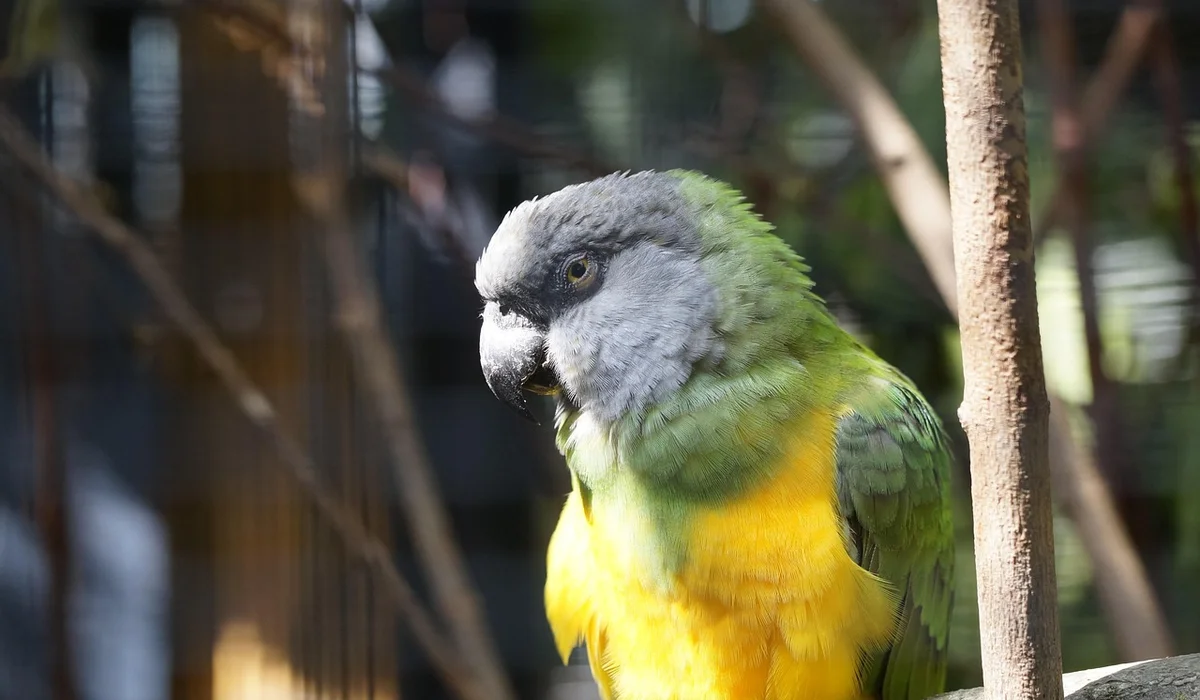
Bar Spacing: Preventing Escapes and Injuries
Getting the bar spacing right is your first line of defense for your Quaker’s safety. Incorrect spacing is an invitation for a curious bird to get its head or body stuck, leading to panic and serious injury. I learned this the hard way with my first parrot, who managed to squeeze through bars that were just a bit too wide.
Recommend safe spacing like 3/4 inch
For a Quaker Parrot, aim for bar spacing between 1/2 inch and 3/4 inch. A spacing of 3/4 inch is often the sweet spot, providing ample visibility and ventilation without the escape risk. Always double-check the manufacturer’s specifications before you buy.
Doors, Locks, and Cage Shape
A secure cage is a safe cage. Quakers are famously clever and can learn to manipulate simple latches, so you need locks that outsmart them. I’ve watched my own Quaker, Kiwi, spend minutes trying to figure out a lock-it’s impressive but also a little terrifying!
Cover large front doors, horizontal bars, play tops
- Doors & Locks: Opt for cages with large front-opening doors for easy access and secure, parrot-proof locks.
- Bar Orientation: Choose a cage with horizontal bars. Horizontal bars give your Quaker the climbing exercise they naturally crave, turning the cage into a mini jungle gym.
- Play Tops: A cage with a flat play top is a fantastic bonus. It provides a designated, safe area outside the cage for playing and bonding with you.
Choosing Safe Cage Materials
The materials your cage is made from matter just as much as the size. You want something that can withstand a powerful beak and won’t leach harmful chemicals. My conure, Sunny, once had a cage with a cheap finish that started chipping, and we had to replace it immediately.
Highlight non-toxic, durable options
- Stainless Steel: This is the gold standard. It’s non-toxic, incredibly durable, and easy to clean.
- Powder-Coated Iron: A more budget-friendly option. Ensure the powder coating is non-toxic and chip-resistant to prevent your bird from ingesting flakes of paint.
- Avoid: Steer clear of cages made with zinc, lead, or any materials that feel flimsy.
Setting Up the Inside: Perches and Toys
Must-Have Perch Varieties for Foot Health
Think of perches as your parrot’s shoes-if they’re all the same, their feet will get sore. Providing a variety of perch textures and diameters is one of the simplest ways to prevent painful foot problems like bumblefoot. My African Grey, Sage, has a whole collection, and her foot health has been perfect.
List natural wood, concrete, and varied diameters
- Natural Wood: Manzanita, dragonwood, or grapewood are excellent. The varying textures and gentle give are great for their feet and satisfy their need to chew.
- Rope Perches: These are soft and flexible, offering a comfortable rest spot and encouraging movement.
- Concrete or Sandy Perches: Place one of these near a high-traffic area. These specialized perches help naturally file down your Quaker’s nails, reducing the need for stressful trims.
Engaging Toy Types to Prevent Boredom
A bored parrot is a destructive and often unhappy parrot. Toys aren’t luxuries; they are essential for your Quaker’s mental and physical well-being. I rotate toys in my birds’ cages every week to keep things fresh and exciting. If you’re wondering why your parrot is bored, it’s often because they need more mental and physical stimulation. I can help you tailor enrichment to fit your bird’s needs.
Include chew, foraging, and swinging toys
- Chew Toys: Made from bird-safe wood, cardboard, or palm leaves. Destroying things is a natural, satisfying behavior for a Quaker, so give them an outlet for it.
- Foraging Toys: Puzzle boxes or toys where you hide treats. Foraging toys stimulate their intelligent brains and mimic the “work” of finding food in the wild.
- Swinging/Manipulative Toys: Bell toys, ladders, and swings. These encourage play and provide great physical exercise.
Food and Water Bowl Placement
Where you put the bowls might seem minor, but it makes a huge difference in daily life. Strategic placement keeps their food cleaner and encourages them to move around their habitat.
Suggest locations to minimize mess and encourage activity
- Place food and water bowls on opposite sides of the cage, away from perches directly above them. This simple step drastically reduces the amount of droppings and food debris that ends up in their water.
- Use secure, stainless steel bowls that clip firmly to the cage bars to prevent tipping.
- Consider placing one food bowl in a spot that requires a short climb or flight. This small change promotes healthy activity and prevents a sedentary lifestyle.
Where to Place the Cage for Optimal Happiness
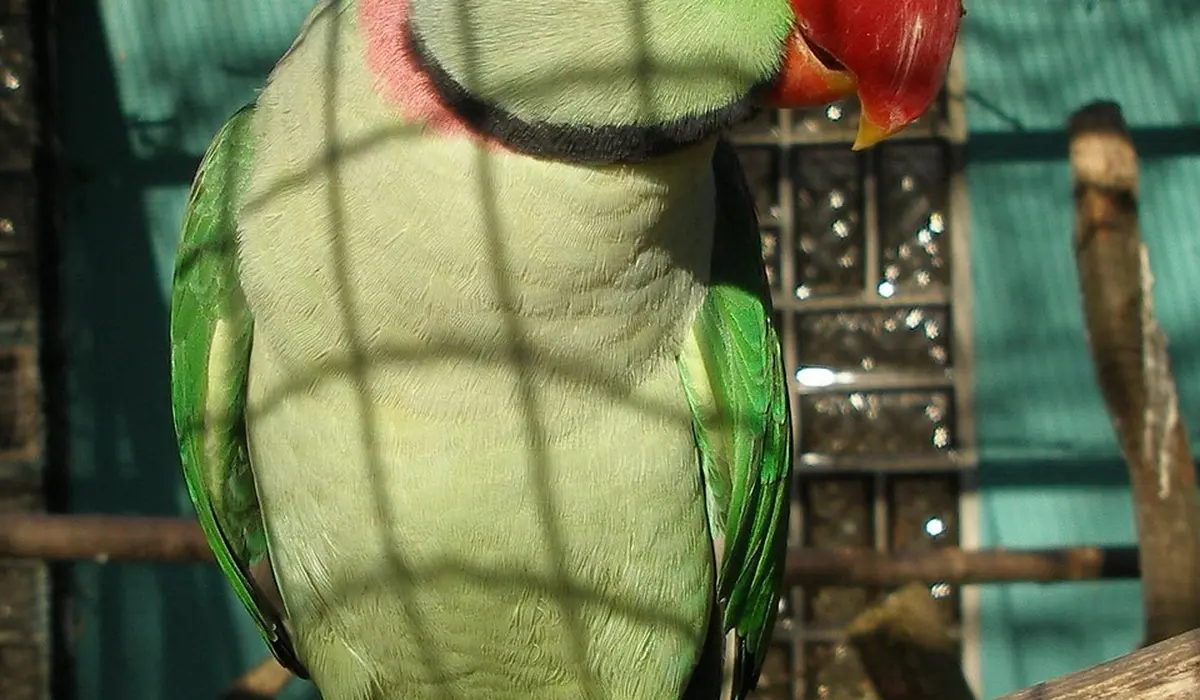
Finding the Perfect Spot in Your Home
Discuss social areas vs. quiet zones
Quaker parrots are social butterflies, so aim for a spot where your family gathers often, like the living room. From my years with Kiwi, my Green-cheeked Conure, I’ve seen how he chirps happily when surrounded by people, reducing his stress and boosting his mood. Balance this with a quiet corner for naps and downtime to prevent overstimulation.
Think about your home’s flow and your parrot’s needs. Social areas keep your bird engaged and part of the action, while quiet zones offer a safe retreat for rest. I rotate Sage’s cage between our busy kitchen nook and a calm bedroom to give her variety without overwhelming her. Mindful sound management—keeping household noise steady and predictable—helps reduce Sage’s stress. Balancing activity with quiet moments supports a calmer parrot at home.
- Social zones: Living rooms or dining areas where daily life happens; parrots feel included and less lonely here.
- Quiet zones: Spare rooms or low-traffic corners; ideal for sleep and reducing noise-induced anxiety.
Avoiding Common Placement Mistakes
Note hazards like drafts, direct sunlight, kitchens
Keep the cage away from drafty windows or doors to avoid respiratory problems. I once made the mistake with Sunny near a vent, and he developed sneezing fits that required a vet visit. Direct sunlight can cause overheating, so choose a shaded area that stays cool.
Steer clear of kitchens due to fumes from cooking and cleaning products. Teflon pans and aerosol sprays are toxic hazards that can harm your parrot’s delicate respiratory system. Place the cage in a well-ventilated room without sudden temperature changes for a healthier environment. Avoid any environmental toxins that can make parrots sick.
- Drafts: Avoid spots near AC units or open windows; they can lead to illness.
- Direct sunlight: Prevents heat stress and dehydration; opt for indirect light.
- Kitchens: Risky due to chemicals and high activity; better in adjacent social spaces.
Daily Care and Maintenance Tips
Easy Cleaning Routines for Busy Owners
Outline steps for daily and weekly cleaning
Establish a quick cleaning habit to maintain a hygienic home for your Quaker parrot. With three parrots at home, I’ve streamlined routines that take just 10-15 minutes daily, keeping cages fresh and birds healthy. This is part of a complete guide on safely cleaning your parrot and its environment. Start with simple daily tasks to prevent mess buildup.
Daily cleaning focuses on removing waste and food debris. Wiping down surfaces and replacing soiled liners reduces bacteria and odors effectively. Here’s my go-to list for daily upkeep:
- Remove uneaten food and droppings each morning. This stops mold and keeps the cage inviting.
- Wipe perches and food dishes with a damp cloth. It prevents grime and promotes good hygiene.
- Check water bowls for cleanliness and refill as needed. Fresh water is essential for hydration and health.
Weekly deep cleans tackle hidden dirt and ensure a thorough refresh. I set aside time on weekends to scrub everything, which has cut down on vet trips for my flock. Follow these steps for a comprehensive clean:
- Disassemble the cage and wash all parts with bird-safe cleaner. I use a vinegar-water mix for a natural, effective solution.
- Soak and rinse toys and perches to remove buildup. This extends their life and keeps play safe.
- Replace cage liners or bedding completely. It minimizes pests and maintains a cozy space.
Rotating Toys and Refreshing Setup
Explain how to keep the environment stimulating
Parrots like Quakers need mental stimulation to stay happy and avoid boredom. From Sage’s clever antics, I’ve learned that rotating toys weekly keeps her engaged and prevents feather-plucking habits. Introduce new items gradually to spark curiosity without causing stress.
Mix up the cage layout and accessories to mimic natural changes. Swapping out perches and adding foraging toys encourages exploration and problem-solving skills. I notice my birds play more actively when their setup feels novel and exciting.
- Rotate toys: Change puzzles, bells, or chewables every 7-10 days; it maintains interest and reduces monotony.
- Refresh perches: Use different textures and heights; this supports foot health and adds variety.
- Add enrichment: Include shreddable items or hidden treats; it promotes natural behaviors and mental exercise.
Common Questions
Is a bigger cage always better for a Quaker Parrot?
Yes, a larger cage is highly recommended as it provides essential space for flight, play, and exercise. This helps prevent behavioral issues like boredom, stress, and feather plucking.
Why is bar spacing so important for a Quaker Parrot cage?
Correct bar spacing prevents your bird from getting its head or body stuck, which can cause serious injury or escape. A spacing of 1/2 to 3/4 inch is ideal for their safety and security.
What is the ideal height to place my Quaker’s cage?
Place the cage at or slightly above your eye level to make your parrot feel secure and part of the family flock. Avoid placing it directly on the floor, as this can cause stress and anxiety. Select a cage that matches your parrot’s species in size and bar spacing to allow comfortable movement. Different species need different dimensions to accommodate wings, tails, and perches.
In Closing
Your Quaker Parrot needs a cage that’s at least 24 inches wide and tall, with horizontal bars for climbing and bar spacing under 3/4 inch to keep them safe. Fill it with varied perches, foraging toys, and fresh food dishes to support their active, curious nature. Additionally, create a safe, stimulating indoor flight space for your parrot. Supervised flights in a hazard-free area help exercise wings and boost confidence. From my own parrots like Kiwi and Sunny, I’ve found that a well-planned setup reduces stress and encourages natural behaviors.
Caring for a parrot is a lifelong commitment that grows with every new thing you learn. Stay engaged with vet check-ups and parrot care communities to keep your bird thriving for years. Always prioritize their welfare by adapting your home to their needs and sharing insights with fellow owners.
Further Reading & Sources
- ABOUT QUAKERS | Maranatha Aviaries
- Quaker Parrot For Sale, Price & Care Tips – Dallas Parrots
- Quaker Parrot: Pictures, Personality, Food & Care Guide | Hepper Pet Resources
Suzanne Levine is a dedicated parrot enthusiast and experienced avian caregiver with over 15 years of hands-on experience in parrot care. As the founder of Parrot Care Central, Suzanne is passionate about sharing her knowledge and insights to help fellow parrot owners provide the best possible care for their feathered friends. Her expertise spans nutrition, behavior, health, and enrichment, making her a trusted resource in the parrot care community.
Cages