
7 Critical Cage Setup Mistakes That Are Stressing Out Your Parrot
Is your parrot plucking feathers, acting anxious, or showing other stress signs? You could be making common cage setup errors that harm their well-being.
I’ve learned this firsthand with my parrots Kiwi, Sunny, and Sage, and I’m here to guide you through fixing these issues. We’ll focus on key takeaways to transform your bird’s habitat.
- Picking the right cage size to prevent confinement stress and encourage natural movement.
- Choosing safe, varied perches to support foot health and reduce joint problems.
- Adding enrichment toys that stimulate their mind and curb destructive behaviors.
You’ll get straightforward steps to create a happier home for your feathered friend. Topics include: Cage Size, Perch Types, Toy Variety, Cage Location, Food and Water Setup, Cleaning Schedule, Non-Toxic Materials
Why Your Parrot’s Cage Setup Matters for Their Well-Being
An improper cage setup can turn your parrot’s home into a source of constant stress, leading to both mental and physical health problems. I’ve seen firsthand how a poorly arranged cage can make birds like my Green-cheeked Conure, Kiwi, anxious and unhappy. When Kiwi’s first cage had the wrong perches, he started chewing his feathers out of frustration, and it took weeks of adjustments to help him feel secure again. To help other owners, here are stress-free techniques to get your parrot back into its cage. With patience and a gentle routine, you can ease the reintroduction and restore his sense of security.
Common signs of stress in parrots include:
- Feather plucking or self-mutilation
- Increased aggression towards people or other birds
- Loss of appetite or changes in eating habits
Spotting these early cues lets you step in before minor issues become major health crises. Sunny, my Sun Conure, once refused to eat when her cage was near a noisy appliance, showing how sensitive they are to their surroundings.
The 7 Most Common Parrot Cage Setup Errors
Many parrot owners unintentionally make these mistakes, but fixing them can transform your bird’s life. For beginners, knowing the top 10 parrot-owner mistakes to avoid can save you time and heartache. Here’s a quick list of the errors we’ll tackle to keep your feathered friend thriving:
- Picking the wrong cage size and bar spacing
- Poor perch placement and lack of variety
- Inadequate toy placement and enrichment
- Unsafe cage location and environmental factors
- Hygiene neglect with food, water, and cleaning
- Safety hazards from toys and cage materials
- Ignoring social needs and behavioral cues
Mistake 1: Picking the Wrong Cage Size and Bar Spacing
Choosing a cage that’s too small or has incorrect bar spacing can trap or injure your parrot. For species like conures or African Greys, aim for a cage at least 24×24 inches, with bar spacing no wider than 3/4 inch to prevent escapes. I learned this when Kiwi nearly got his head stuck in bars that were too far apart; it was a scary reminder to always match the cage to the bird’s size. A quick parrot size guide helps you account for the size differences among species, since bigger parrots get different space needs than smaller ones.
- Minimum cage sizes vary: small parrots need room to flap wings, while larger ones like Sage, my African Grey, require spacious enclosures for climbing.
- Dangers include entrapment of heads or feet, or birds squeezing out and getting lost.
- From experience, a well-sized cage reduces stress behaviors like pacing or screaming.
Mistake 2: Poor Perch Placement and Lack of Variety
Using only one type of perch or placing them poorly can cause foot sores and boredom. Natural wood branches, like manzanita or dragonwood, are essential for healthy feet and joint exercise. I mix perches at different heights in my parrots’ cages, avoiding areas where droppings accumulate to keep things clean and comfortable. Compared with smooth dowel perches, natural wood offers varied textures that help prevent foot sores and promote circulation. Varying textures and diameters across perches supports foot health over time.
- Ideal placement includes perches away from food bowls and at varying levels to encourage movement.
- Varied perch types: wooden for gnawing, rope for flexibility, and cement for nail filing.
- This variety prevents pressure sores and keeps birds like Sunny engaged and active.
Mistake 3: Inadequate Toy Placement and Enrichment
Toys placed haphazardly or left unchanged can lead to mental stagnation. Position climbing toys and foraging items in spots that challenge your parrot to explore, like near perches or cage doors. I rotate toys weekly for Kiwi and Sunny to mimic new environments, which cuts down on boredom-related feather plucking. This is a form of cognitive enrichment for parrots—the kind of 10 brain games that keep your bird sharp. Try rotating through a few of these brain games as you adjust toys to maintain mental engagement.
- Climbing toys should allow full-body exercise, while foraging toys hide treats to stimulate natural behaviors.
- Rotate toys regularly to maintain interest; I’ve seen how this reduces stress in my flock.
- Avoid over-cluttering, which can cause anxiety, or under-stimulating, which leads to lethargy.
Mistake 4: Unsafe Cage Location and Environmental Factors
Placing the cage in a risky area exposes parrots to drafts, toxins, or temperature extremes. Keep cages away from kitchens, direct sunlight, and drafty windows to protect against respiratory issues and overheating. These are essential steps for parrot-proofing a room to enable safe flight. A well-protected space supports exercise and reduces accidents during flights. After moving Sage’s cage out of a sunny spot, her calm demeanor returned, showing how location impacts well-being.
- Proper location: in a social part of the home, but not in high-traffic areas that cause stress.
- Lighting and temperature should be stable; parrots thrive in 65-80°F with good ventilation.
- Toxins from non-stick cookware or cleaners can be deadly; I always use bird-safe products nearby.
Mistake 5: Hygiene Neglect with Food, Water, and Cleaning
Dirty dishes or infrequent cleaning can lead to bacterial growth and illness. Place food and water dishes high enough to avoid contamination from droppings, and clean them daily to prevent mold. I set a routine for my parrots where I wipe down surfaces every other day, making it a stress-free part of our bond.
- Correct dish placement: elevated and separate to reduce spillage and keep water fresh.
- Regular cleaning of droppings trays and cage bottoms prevents odor and disease.
- Tips: Use mild, avian-safe cleaners and involve your parrot in calm cleaning sessions to build trust.
Mistake 6: Safety Hazards from Toys and Cage Materials
Toys with small parts or cages made of toxic metals pose serious risks. Inspect toys for frayed ropes or loose pieces that could entangle or be swallowed, and choose cages with safe, powder-coated finishes. I once had to remove a mirror toy after Kiwi became obsessed, highlighting how even popular items can be hazardous.
- Risks include mirror-induced aggression, frayed ropes causing strangulation, or zinc in cages leading to poisoning.
- Secure latches are a must; I use double-lock styles on my cages to prevent escapes.
- Safe alternatives: stainless steel bowls and untreated wood toys, which I rely on for my birds’ safety.
Mistake 7: Ignoring Social Needs and Behavioral Cues
A cage that isolates your parrot can worsen loneliness and stress. Design the setup to feel open and inviting, with perches facing family activities to encourage interaction. This design also helps create a safe, stimulating indoor flight environment for your parrot. Supervised flight zones with diverse perches invite gentle flying and enrichment. When I adjusted Sunny’s cage to include a “play zone” near our living area, her social chattering increased, reducing her stress significantly.
- Cage setup affects social bonds; include spaces for shared play and resting to mimic flock dynamics.
- Make it engaging with easy access to toys and perches, avoiding closed-off designs that feel like punishment.
- Environmental enrichment, like puzzle feeders, supports mental health and reduces negative behaviors.
Simple Steps to Correct These Cage Setup Blunders
Fixing these common mistakes is simpler than you think. Small changes can transform your parrot’s cage from a stressful space into a joyful home. Here’s how to tackle each problem step-by-step. This is your ultimate parrot problem diagnostic guide, with a step-by-step troubleshooting checklist. Follow it to diagnose issues and apply fixes confidently.
Mistake 1: Wrong Cage Size
- Measure your parrot’s wingspan fully extended.
- Choose a cage where the width is at least double that wingspan.
- Ensure the bar spacing is appropriate-too wide, and your parrot could get its head stuck.
My Green-cheeked Conure, Kiwi, went from pacing to playing after I upgraded his cage. That extra room gave him the confidence to flap and explore.
Mistake 2: Boring, Uniform Perches
- Remove any sandpaper-covered or plastic perches immediately.
- Head outside to find safe, pesticide-free tree branches like manzanita or dragonwood.
- Install perches at varying heights and diameters throughout the cage.
When I added a chunky grapewood branch, my Sun Conure, Sunny, started spending hours chewing and climbing. Her feet look healthier, and she’s far less restless.
Mistake 3: Stagnant Toy Collection
- Gather all your parrot’s toys and sort them into categories: shredding, foraging, and noise-making.
- Select 3-4 toys to place in the cage, ensuring a mix of categories.
- Every Sunday, I do a “toy swap”-rotating in one or two “new” ones from the stored collection.
My African Grey, Sage, is a clever forager. Rotating his puzzle toys keeps his mind sharp and prevents the feather-plucking he was prone to out of boredom.
Mistake 4: Poor Cage Placement
- Move the cage to a corner where two walls meet, providing a sense of security.
- Ensure the cage is at least partly against a wall, not out in the open.
- Elevate the cage so the main perch is at or slightly above your eye level.
Just raising Kiwi’s cage made a world of difference. He stopped being jumpy and began vocalizing happy chirps instead of alarm calls.
Mistake 5: Inconsistent Cleaning
- Line the cage bottom with newspaper for easy daily waste removal.
- Every evening, do a “5-minute tidy”: wipe down soiled perches and spot-clean food and water bowls.
- Schedule a full cage deep-clean with a pet-safe disinfectant every single week.
This routine eliminated the faint, musty smell in Sunny’s area. A clean cage is a healthy cage, and I noticed her feathers became brighter and fluffier.
Mistake 6: Overlooking Safety Hazards
- Run your fingers over every inch of the cage interior, feeling for sharp spots or rust.
- Check that all toy fasteners are secure and cannot be easily unscrewed by a clever beak.
- Ensure food and water dishes are firmly attached and cannot be tipped over.
I found a tiny, sharp burr on a welded joint that I’d never noticed. Filing it down was a two-minute job that potentially saved Sage from a nasty cut.
Mistake 7: Ignoring Your Parrot’s Feedback
- Spend 15 minutes just watching your parrot interact with its cage.
- Note which perches it avoids and which toys it ignores.
- Adjust the setup based on these observations-move a popular toy, replace an unused perch.
Kiwi was terrified of a bell toy. Removing it and watching his body language relax taught me that he is the best expert on what makes him feel safe.
Your Go-To Parrot Cage Setup Checklist
Print this out and stick it on your fridge. This checklist is your shortcut to a perfect parrot habitat. Run through it once a month to keep everything on track.
- Cage Size: Width is at least double your parrot’s wingspan. Bar spacing is safe (not too wide).
- Perch Variety: At least 3-4 different natural wood perches of varying thickness and texture.
- Toy Rotation: A mix of shredding, foraging, and manipulating toys. Rotate 1-2 toys weekly.
- Location: Cage is in a corner, against a wall, and elevated to chest/eye level. Away from direct drafts and intense sunlight.
- Hygiene: Bottom liner changed daily. Food/water bowls cleaned daily. Full cage disinfecting weekly.
- Safety Checks: No sharp edges, rust, or loose parts. All doors and fasteners are secure.
I review this list with every change of season. A quick review prevents small problems from turning into big, stressful ones for your feathered friend.
FAQs
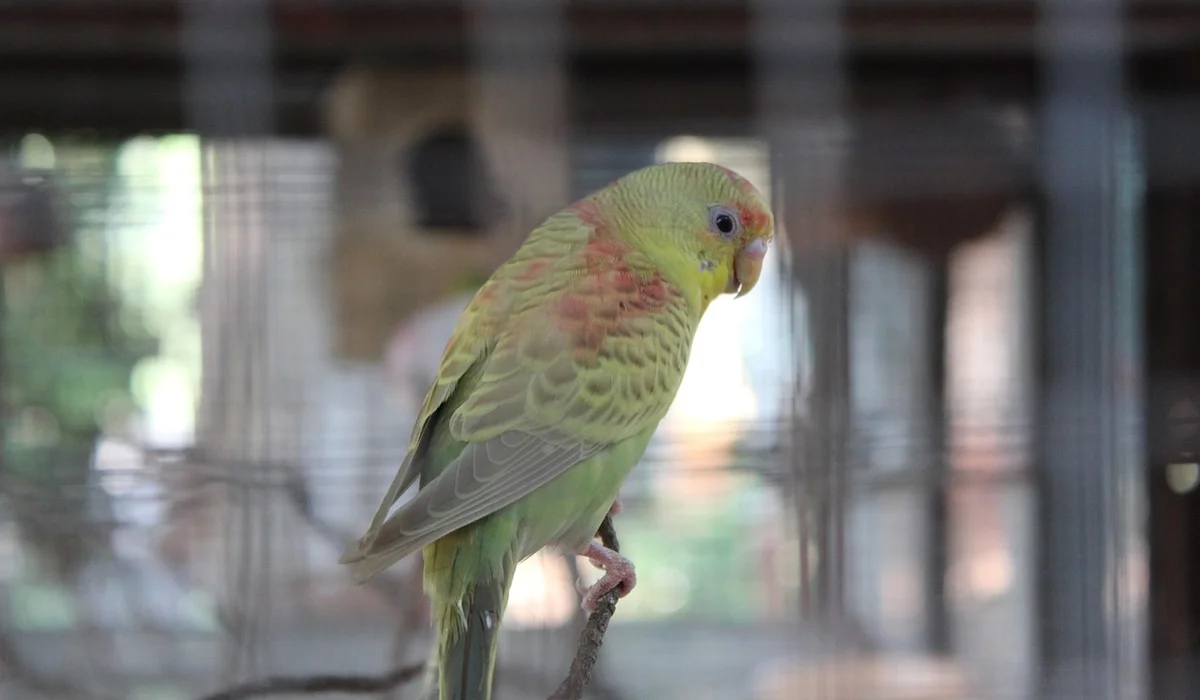
What is the ideal cage size for a small parrot like a budgerigar?
For budgerigars, aim for a cage at least 18×18 inches with bar spacing no wider than 1/2 inch to allow safe flight and movement. This size helps prevent stress behaviors and supports their natural activity levels.
How often should I replace my parrot’s perches?
Inspect perches monthly for wear, damage, or soiling, and replace them every 6-12 months to maintain foot health and safety. Regular replacement prevents bacterial buildup and ensures varied textures for joint exercise.
Can I use household items as toys for my parrot?
Yes, but only select non-toxic, clean items like untreated wood blocks or cardboard tubes that encourage foraging and chewing. Always avoid small, sharp, or chemically treated objects to prevent ingestion hazards or injuries.
Closing the Loop
Ultimately, a stress-free parrot starts with a thoughtful cage setup. By prioritizing spaciousness, strategic perches, engaging toys, and a safe location, you transform their cage from a simple enclosure into a true home. Recognizing parrot housing cage requirements—size, bar spacing, and layout—helps you pick the right cage for your bird. Size and design will vary by species, so tailor the cage to the parrot’s specific needs. Avoid the common pitfalls of clutter, poor placement, and nutritional neglect to see your bird’s natural, joyful personality truly flourish.
Remember, owning a parrot is a long-term commitment to their well-being. Embrace the journey of continuous learning about their complex needs, because a happy, healthy parrot is a living, breathing companion who will enrich your life for years to come. When considering the commitment, it’s important to understand the differences between large parrots and small parrots, as they require different levels of care and attention.
Further Reading & Sources
- The Right Way To Accessorize A Parrot’s Cage
- r/parrots on Reddit: The /r/parrots Cage Setup Megathread
- You’re Setting Up Your Bird Cage All Wrong! – YouTube
Suzanne Levine is a dedicated parrot enthusiast and experienced avian caregiver with over 15 years of hands-on experience in parrot care. As the founder of Parrot Care Central, Suzanne is passionate about sharing her knowledge and insights to help fellow parrot owners provide the best possible care for their feathered friends. Her expertise spans nutrition, behavior, health, and enrichment, making her a trusted resource in the parrot care community.
Cages